Travel Insurance for a Uganda Gorilla Safari

Travel Insurance for a Uganda Gorilla Safari

Travel Insurance for a Uganda Gorilla Safari: What Your Policy Must Include

Travel insurance for a Uganda gorilla safari is not a generic “nice to have” add-on. It is a core operational requirement that directly affects whether your trip is financially protected, medically covered, and logistically secure once you are deep in remote trekking environments like Bwindi Impenetrable National Park or moving between long safari corridors across western Uganda.

Unlike typical leisure travel insurance, gorilla trekking introduces specific risk categories: high-altitude hiking, remote evacuation scenarios, wildlife-adjacent environments, and expensive non-refundable permits. A standard policy that only covers basic medical emergencies or baggage loss is not sufficient for this type of safari.

Understanding what your insurance must include requires breaking down the actual risks on the ground and matching them to policy coverage in a practical way.

Why Standard Travel Insurance Is Not Enough for Gorilla Trekking

Most basic travel insurance policies are designed for urban tourism, short-haul flights, and hotel-based holidays. A gorilla safari is fundamentally different because it involves:

  • Remote forest trekking in steep terrain
  • Limited immediate medical access
  • High-value prepaid permits that are non-refundable
  • Road-based transfers over long distances
  • Wildlife proximity in controlled but natural environments

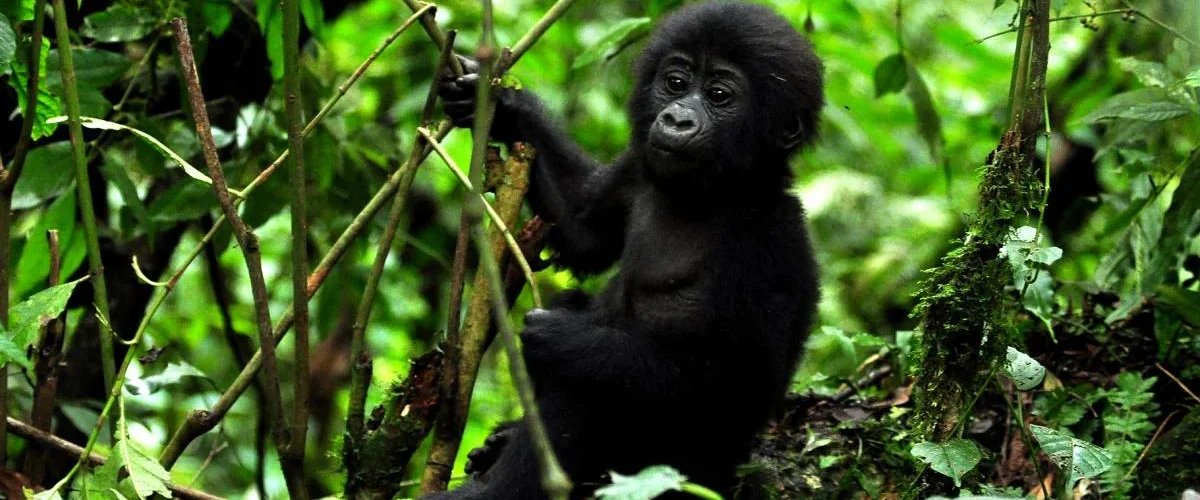
In Bwindi Impenetrable Forest, for example, gorilla trekking can take several hours in steep, muddy terrain at high altitude. If an incident occurs, evacuation is not immediate and may require coordination through park rangers and specialized transport.

This makes medical evacuation coverage and activity inclusion clauses essential.

Medical Coverage Must Be High Enough for Remote Evacuation

Emergency Medical Treatment

Your policy must include substantial emergency medical coverage. In safari environments, even minor injuries can become logistically complex because treatment often begins in remote areas and continues through private clinics or evacuation systems.

The key requirement is not just coverage, but sufficient limits to handle emergency stabilization, transport, and treatment escalation.

Medical Evacuation from Remote Parks

One of the most important elements is emergency evacuation coverage from remote locations. In gorilla trekking zones, evacuation may involve transfer from forest terrain to regional medical facilities before reaching a major hospital.

Without evacuation coverage, you may be responsible for significant out-of-pocket costs if transport from forest regions is required.

Coverage for High-Risk Activities Including Gorilla Trekking

Why Activity Classification Matters

Many standard travel insurance policies exclude “high-risk activities” unless explicitly added. Gorilla trekking falls into a gray category because it involves hiking in wild terrain rather than passive sightseeing.

Your policy must explicitly include trekking or hiking in mountainous or forest environments without exclusion clauses that void coverage in protected parks.

What to Look for in Policy Language

The wording should clearly include coverage for guided trekking activities in natural environments. If the policy excludes “mountaineering,” “remote trekking,” or “wildlife environments,” it may not be suitable for gorilla safari conditions.

Gorilla Permit Protection and Trip Cancellation Coverage

Why Gorilla Permits Are Financially Critical

Gorilla trekking permits in Uganda are expensive and strictly non-refundable once issued. If your trip is canceled due to illness, travel disruption, or unforeseen circumstances, you risk losing the full permit value.

Insurance must therefore include strong trip cancellation and interruption coverage that specifically accounts for pre-paid safari components.

What Should Be Covered

A suitable policy should include reimbursement for:

  • Gorilla trekking permits
  • Chimpanzee trekking permits in areas like Kibale
  • Non-refundable lodge bookings
  • Pre-paid safari transport arrangements

Without this, the most expensive parts of your safari may not be protected.

Road Transfer and Accident Coverage

Long-Distance Safari Driving Risks

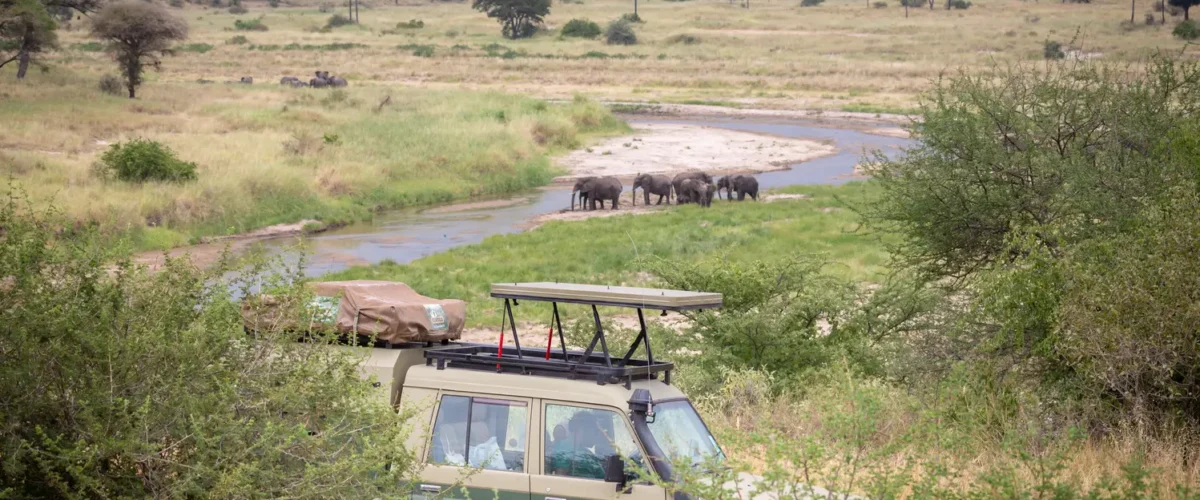
Uganda safaris involve long road transfers between destinations such as Entebbe, Queen Elizabeth National Park, and Bwindi. These journeys can last several hours and pass through varying road conditions.

Your insurance must include coverage for road travel accidents, including medical treatment and evacuation if required.

Driver and Vehicle Responsibility Limits

Even when traveling with professional safari operators, insurance is still essential because third-party liability does not always fully cover international visitor medical needs.

Personal Belongings and Equipment Protection

Camera and Electronics Coverage

Gorilla safaris often involve expensive photography equipment, binoculars, and electronics used in field conditions. Insurance should cover loss, theft, or damage to these items, especially during transit or lodge stays.

Luggage Delays and Loss

Given the multi-leg nature of safari travel, luggage delays are common during international flights and internal transfers. Insurance should include compensation for essential items if baggage is delayed.

Emergency Evacuation: The Most Important Clause

Why It Is Critical in Uganda’s Terrain

Remote parks like Bwindi Impenetrable National Park are not directly connected to large hospitals. If a serious medical issue arises, evacuation may involve multiple stages: forest extraction, road transfer, and hospital admission.

Without evacuation coverage, these logistics can become extremely costly.

Air vs Road Evacuation

Some policies include air evacuation (medevac) coverage, which may be activated in severe emergencies. Others rely on road-based transport only. For gorilla trekking, higher-level evacuation coverage is strongly recommended.

COVID-19 and Infectious Disease Coverage

Why It Still Matters

Although global travel restrictions have eased, some insurers still include coverage for trip disruption due to infectious disease. This can include quarantine requirements, medical treatment, or itinerary changes.

In safari contexts, this is less about pandemics and more about ensuring flexibility if health conditions affect remote travel plans.

Policy Validity in East Africa

Regional Coverage Requirement

If your safari includes multiple countries such as Uganda, Rwanda, or Kenya, your insurance must explicitly cover all destinations in your itinerary.

This is particularly important for travelers crossing borders between Rwanda and Uganda for combined gorilla trekking circuits.

What Most Travelers Overlook

Altitude and Physical Strain Coverage

Gorilla trekking involves sustained hiking at altitude. Some policies exclude injuries related to strenuous physical activity unless explicitly included.

This is a critical detail often missed in standard travel insurance comparisons.

Activity Under Supervised Guides

Your policy should ideally recognize that trekking is conducted under licensed guides and park rangers. This strengthens coverage eligibility in case of claims.

Real-World Insurance Needs on Safari

In practice, the most important insurance elements for a Uganda gorilla safari are not minor benefits—they are structural protections that determine how emergencies are handled in remote environments.

Medical evacuation, high-value trip cancellation protection, and activity inclusion for trekking are the three pillars that matter most. Without them, even a well-planned safari can become financially exposed if unexpected events occur.

Final Coverage Checklist Logic

A suitable Uganda gorilla safari insurance policy is one that reflects the actual travel environment: remote forests, long road transfers, high-value permits, and physically demanding trekking conditions.

The correct policy is not the cheapest or most general option. It is the one designed for remote adventure travel in East Africa’s protected wildlife zones, where logistics are complex and access to medical infrastructure is not immediate.
Is Uganda Safe for International Tourists in 2026?

Is Uganda Safe for International Tourists in 2026?

Is Uganda Safe for International Tourists in 2026?

Uganda is generally safe for international tourists in 2026, especially for travelers following structured safari itineraries that stay within national parks, major tourism circuits, and guided travel routes. However, like many destinations in East Africa, safety in Uganda is not uniform across the country. It varies depending on location, travel behavior, and whether you are moving independently or with an organized safari operator.

For most visitors, the experience is positive and incident-free, particularly in core tourism zones such as Bwindi Impenetrable National Park, Queen Elizabeth National Park, Murchison Falls National Park, and Lake Victoria gateway areas like Entebbe. These areas are heavily monitored and supported by tourism security systems because wildlife tourism is a major national economic driver.

At the same time, general urban safety considerations, border-region risks, and common-sense travel precautions still matter. Understanding both the strengths and the limitations of Uganda’s safety environment is essential for realistic planning.

Overall Safety Situation in Uganda

Uganda is widely regarded as a stable tourism destination in East Africa, with strong government investment in wildlife protection, tourism policing, and park security. In safari environments, travelers are usually accompanied by armed Uganda Wildlife Authority rangers, and trekking activities such as gorilla tracking are tightly regulated.

Reports from travel operators consistently show that most safari visitors complete their trips without safety incidents when using reputable guides and staying within designated tourism circuits. The safari industry is structured in a way that prioritizes visitor protection and controlled movement.

However, outside tourism zones, the safety environment becomes more mixed, particularly in large urban centers and some border regions where general crime and security risks can be higher.

Safety in Safari and Wildlife Areas

The safest parts of Uganda for international tourists are its national parks and protected wildlife areas. These include Bwindi Impenetrable Forest for gorilla trekking, Queen Elizabeth National Park for savannah game drives, and Murchison Falls for river-based wildlife viewing.

In these areas, tourism is highly organized. Visitors are always accompanied by licensed guides and often supported by armed ranger escorts during trekking activities. This system significantly reduces risk and ensures controlled movement within protected ecosystems.

Gorilla trekking in Bwindi, in particular, is considered very safe because group sizes are small, routes are monitored, and access is controlled through permit systems. The focus of risk in these environments is not crime, but terrain difficulty, altitude, and physical exertion rather than human security threats.

Urban Safety in Kampala and Entebbe

Urban areas like Kampala require a more cautious approach compared to safari parks. Kampala is a busy capital city with normal urban challenges such as traffic congestion and petty crime in crowded areas. Most issues affecting tourists are non-violent, such as pickpocketing or opportunistic theft in busy markets.

Entebbe, where the international airport is located, is generally calmer and more relaxed, with a stronger tourist presence and lower intensity of urban risk.

Travel behavior plays a major role in safety in cities. Staying in reputable accommodation, using arranged transport, and avoiding isolated movement at night significantly reduces exposure to risk.

Border Regions and Remote Areas

Some border areas of Uganda, particularly those close to neighboring countries experiencing instability, are considered higher risk zones. These areas are generally far from standard safari circuits and are not part of typical tourism routes.

Most organized safari itineraries do not pass through high-risk border zones. Tour operators design routes to stay within stable, well-monitored national park systems and established road corridors.

For tourists following standard itineraries, these regions rarely affect travel planning.

Crime Risk for Tourists

The most common safety issues affecting tourists in Uganda are petty crimes such as pickpocketing, bag snatching, and occasional scams in urban environments. These are similar to risks found in many global travel destinations and are not unique to Uganda.

Violent crime involving tourists is uncommon, especially in regulated safari areas. When incidents occur, they are typically outside tourism zones rather than within parks or organized travel routes.

Tourists who follow standard precautions such as avoiding display of valuables, using trusted transport, and staying in known accommodation generally experience smooth travel without security problems.

Health and Environmental Safety Considerations

Safety in Uganda is not only about security but also about health and environment. Malaria risk exists in many lowland and forest areas, so preventive measures are recommended. Vaccination requirements such as yellow fever certification are strictly enforced at entry points.

Safari travel also involves physical factors such as long road transfers, variable road conditions, and altitude changes in regions like Bwindi. These are not safety threats in the criminal sense but are important logistical considerations for comfort and preparation.

Gorilla Trekking Safety Context

Gorilla trekking is one of Uganda’s most tightly managed tourism activities. It takes place under strict conservation rules, with trained guides and armed rangers leading all groups into the forest.

Safety protocols are designed around both wildlife protection and visitor control. Group sizes are limited, routes are managed daily, and direct interaction with gorillas is regulated to minimize risk.

From a field perspective, gorilla trekking is considered one of the most controlled wildlife experiences in Africa.

What Recent Travel Assessments Indicate

Recent travel analyses and advisory summaries consistently describe Uganda as safe for most tourists when traveling within structured safari systems and reputable tour operations. The general pattern shows that visitors who follow organized itineraries experience low incident rates, particularly in national parks and conservation areas.

At the same time, official advisories continue to recommend caution in urban environments and border regions, reflecting a balanced risk profile rather than a uniform safety concern across the entire country.

Real-World Safety Experience on the Ground

In practice, most tourists experience Uganda as a welcoming and structured safari destination. The tourism system is built around guided travel, park regulation, and community-based tourism support.

Visitors typically move between airport arrival points, national parks, and lodges with professional drivers and guides who are familiar with road conditions and security dynamics. This structured travel model significantly reduces exposure to avoidable risks.

The overall experience for most travelers is not one of uncertainty, but of guided mobility through well-established tourism corridors.

Final Assessment of Safety in 2026

Uganda remains a safe destination for international tourists in 2026 when travel is conducted within established safari frameworks and supported by reputable operators. The strongest safety performance is found in national parks and organized tourism circuits, where security systems are well developed and visitor movement is controlled.

Urban areas require standard travel caution, and border regions should generally be avoided unless part of a structured itinerary. However, for the vast majority of safari travelers, Uganda delivers a stable and secure environment for wildlife tourism, gorilla trekking, and cultural exploration when proper planning and awareness are applied.

Yellow Fever and Uganda

Yellow Fever and Uganda

Yellow Fever and Uganda: Why the Certificate Is Non-Negotiable

Yellow fever requirements for Uganda are not a flexible travel guideline—they are an enforced entry health regulation that directly affects whether you are allowed into the country. For safari travelers heading into ecosystems such as Bwindi Impenetrable National Park or savannah regions like Queen Elizabeth National Park, the yellow fever vaccination certificate is treated as a mandatory health clearance document at immigration.

Unlike optional travel vaccinations, yellow fever is classified as an international public health control measure under global health regulations. This means the requirement is not based on personal health preference but on cross-border disease prevention policy.

Why Uganda Enforces Yellow Fever Certification

Uganda is classified as a yellow fever risk country due to the presence of the mosquito vector and historical transmission patterns in parts of East Africa. Because of this classification, the country enforces vaccination proof for incoming travelers as part of its border health screening process.

The goal is not only to protect individual travelers but also to reduce the risk of importing or exporting yellow fever across borders, especially within East Africa’s interconnected safari routes.

This is why the requirement applies consistently at Entebbe International Airport and land border crossings.

What the Certificate Actually Is

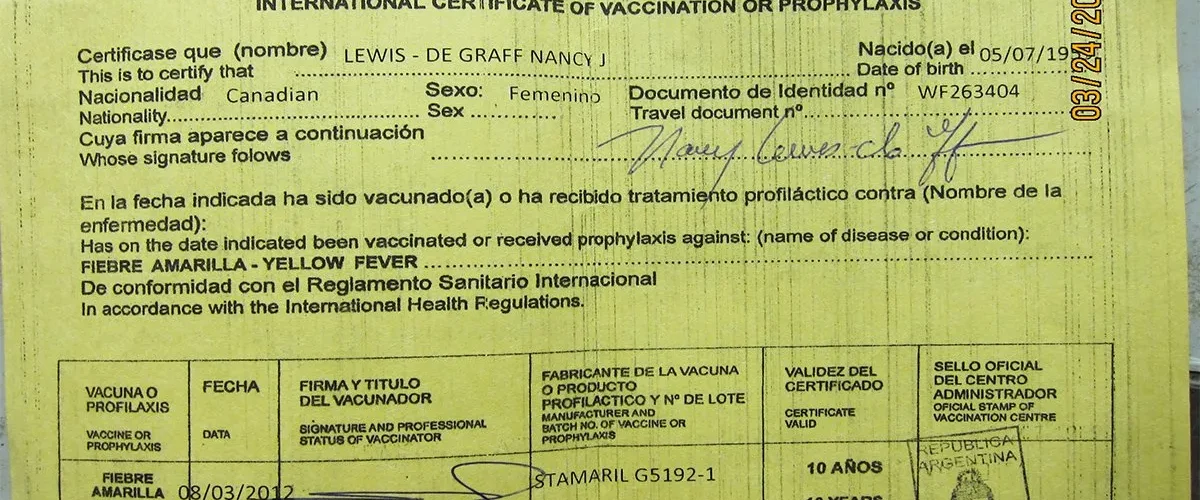
The yellow fever certificate is an internationally recognized vaccination record issued after receiving the yellow fever vaccine. It is typically documented in the International Certificate of Vaccination or Prophylaxis format and is valid for entry purposes once the vaccine has taken effect.

Once issued, the certificate becomes part of your official travel health documentation and is checked alongside your passport during immigration processing.

When You Will Be Asked for It

Entry at Entebbe International Airport

At Entebbe, immigration and health screening officers may request your yellow fever certificate upon arrival. Travelers without valid proof may face additional screening or refusal of entry depending on risk assessment and enforcement at the time.

The document is often checked before final entry clearance is granted.

Land Border Crossings

At land borders connecting Uganda with Rwanda, Kenya, or other neighboring countries, health documentation checks are also commonly conducted. This is especially relevant for overland safari circuits where travelers move across multiple countries.

Because Uganda is part of a regional safari network, border health enforcement is taken seriously to maintain consistency across East African entry points.

Why It Is Considered Non-Negotiable

Public Health Enforcement Structure

Yellow fever vaccination is not optional because it is part of international health regulation frameworks that countries agree to enforce collectively. Uganda applies this requirement uniformly to prevent potential outbreaks.

This makes it fundamentally different from discretionary travel vaccines or personal health recommendations.

Entry Control Authority

Immigration officers have the authority to deny entry or require additional health verification if the certificate is missing. In practice, this means your entire safari itinerary can be disrupted at the border if documentation is not in order.

For this reason, safari operators treat it as a critical pre-departure requirement.

Timing of Vaccination and Validity

When You Should Get Vaccinated

The vaccine must be administered at least 10 days before travel for the certificate to become valid for entry purposes. This waiting period allows the body to develop immunity and ensures compliance with international health regulations.

Long-Term Validity

Once issued, the yellow fever certificate is generally valid for life under current international health guidelines. This means frequent travelers within Africa usually do not need to repeat vaccination unless medically required.

Who Is Most Affected by This Requirement

First-Time Safari Travelers

Travelers visiting Uganda for the first time often encounter this requirement as part of their pre-travel preparation. It is especially important for those planning gorilla trekking or multi-park safaris.

Multi-Country Safari Travelers

Those combining Uganda with Rwanda or Kenya must ensure consistent compliance because regional border crossings often involve repeated document checks.

In itineraries that include both forest and savannah ecosystems, documentation is verified as part of integrated regional health controls.

Common Misunderstandings About the Certificate

Misconception About Low-Risk Travelers

Some travelers assume that because they are only staying in specific safari lodges or high-altitude areas, the requirement may not apply. This is incorrect. The certificate is based on national entry policy, not internal travel plans.

Misconception About Transit Exemptions

Even travelers transiting through Uganda may still be subject to health documentation checks depending on their route and length of stay.

What Happens If You Arrive Without It

Possible Airport Delays

If you arrive at Entebbe without a valid certificate, you may be directed to additional health screening procedures. This can delay entry processing and affect onward travel plans.

Risk of Denied Entry

In stricter enforcement scenarios, travelers without valid documentation may be denied entry or required to return to their point of origin. This is rare but remains a legal possibility under immigration regulations.

Impact on Safari Itineraries

Because gorilla trekking permits and safari bookings are time-sensitive, any entry delay can disrupt tightly scheduled itineraries, particularly in Bwindi Impenetrable National Park where trekking slots are pre-allocated.

Why Safari Operators Treat It as Critical

Tour operators in Uganda consistently treat yellow fever certification as a non-negotiable requirement because it directly affects itinerary execution. Unlike flexible travel preferences, this requirement is enforced at the border and cannot be bypassed through internal arrangements.

In practice, it is one of the few documents that can override even confirmed safari bookings if not properly prepared in advance.

Field Reality of the Requirement

From a safari operations perspective, yellow fever certification is not a theoretical health recommendation—it is a gateway control document that determines whether your safari begins smoothly or faces disruption at entry.

Because Uganda is part of a broader East African travel ecosystem, enforcement is consistent across land borders and airports, ensuring alignment with regional health protocols.

In practical terms, travelers who prepare this documentation in advance experience seamless entry, while those who do not risk delays that can affect entire safari schedules.

Malaria in Uganda

Malaria in Uganda

Malaria in Uganda: Which Areas Are High Risk and What Prophylaxis Do Guides Recommend?

Malaria in Uganda is a serious but highly manageable travel health consideration, especially for safari travelers moving between lowland savannah parks and high-altitude rainforest regions such as Bwindi Impenetrable National Park. The country sits within a tropical malaria zone where transmission risk varies significantly by altitude, season, and ecosystem type.

For safari planning, the key is not to assume uniform risk across Uganda, but to understand how malaria prevalence changes between lake basins, forest zones, and elevated terrain. This directly affects where risk is highest, how exposure changes during game drives and trekking, and what prophylaxis is typically recommended by travel health professionals and field guides.

Understanding How Malaria Risk Actually Works in Uganda

Malaria transmission in Uganda is driven by mosquito density, temperature stability, and humidity levels. These factors are not evenly distributed across the country, which means malaria risk is highly geographic rather than uniform.

Low-lying tropical zones, especially around lakes and river systems, tend to have higher mosquito density. In contrast, higher altitude forest regions have lower transmission intensity, though risk is not completely absent.

This variation is important because many safari routes move between very different ecological zones in a single itinerary.

High-Risk Malaria Zones in Uganda

Lake Basin and Lowland Savannah Regions

The highest malaria transmission risk is typically found in low-altitude, warm, and humid environments. This includes areas around major lakes and river systems where mosquito breeding conditions are stable year-round.

Regions such as the Lake Victoria basin, parts of central Uganda, and some savannah-adjacent zones fall into this category. Extended stays in these environments, especially near water bodies, increase exposure risk.

Western Uganda Lowlands and Park Interfaces

National parks located in lower altitude zones, particularly savannah systems, also present moderate to high malaria risk. This includes parts of Queen Elizabeth National Park and surrounding areas where wetlands, crater lakes, and river channels create ideal mosquito habitats.

Game drives in these environments, especially early morning and evening, coincide with peak mosquito activity periods.

Northern Uganda Savannah Systems

Areas such as northern savannah ecosystems also maintain seasonal malaria transmission patterns influenced by rainfall cycles and temperature stability. These regions can experience fluctuating risk depending on seasonal rainfall intensity.

Moderate-Risk Regions

Mid-Altitude Forest Zones

Forest ecosystems like Kibale and parts of western Uganda sit in a moderate-risk category. The presence of dense vegetation and humidity supports mosquito activity, but cooler temperatures at elevation reduce transmission intensity compared to lowland zones.

Exposure here is typically associated with lodge environments and evening outdoor activity rather than trekking itself.

Agricultural and Rural Transition Zones

Between major safari destinations, rural agricultural corridors also present moderate risk due to standing water sources, irrigation, and settlement density. These areas are often crossed during long road transfers between parks.

Lower-Risk Areas

High-Altitude Forest Regions

Higher elevation zones, particularly in Bwindi Impenetrable Forest’s upper sectors and ridge areas, generally have lower malaria transmission rates due to cooler temperatures and reduced mosquito survival conditions.

However, “lower risk” does not mean “no risk.” Travelers are still advised to maintain protection measures.

Urban Areas and Transit Hubs

Urban centers such as Kampala and Entebbe have variable but generally lower transmission risk compared to rural lake or forest zones. However, risk still exists, especially in peri-urban environments.

Why Safari Travelers Are Still Considered At Risk

Even though malaria risk varies geographically, safari itineraries often combine multiple ecosystems in a short period. A typical Uganda safari may move from lake basin regions to savannah parks and then into forested highlands within a few days.

This movement pattern increases cumulative exposure because travelers experience multiple risk zones in a compressed timeframe.

Even a single night in a higher-risk area can be sufficient for exposure if preventive measures are not followed.

What Guides Typically Recommend for Malaria Prevention

Standard Medical Prophylaxis

Safari guides and tour operators in Uganda consistently recommend that travelers consult a medical professional before travel for malaria prophylaxis medication. Common preventive regimens are selected based on individual health profiles, travel duration, and destination mix.

The most important guidance from field experience is consistency—medication must be started before arrival, taken during travel, and completed after departure according to medical instructions.

Consistent Use of Preventive Medication

Guides emphasize adherence over choice of medication type. Whether the regimen is daily or weekly, the critical factor is maintaining full compliance throughout the safari period.

Interruptions in prophylaxis significantly increase risk in high-transmission zones.

Insect Bite Avoidance Strategy

In field practice, malaria prevention is not medication alone. Guides strongly emphasize bite avoidance behavior, which includes limiting exposure during peak mosquito activity periods, particularly at dusk and dawn.

This is especially relevant during game drives in savannah parks and evening lodge stays near water bodies.

Practical Protection Measures Used in Safari Conditions

Clothing-Based Protection

Lightweight long-sleeved clothing is widely recommended during evening hours, particularly in lodge environments and outdoor dining areas. Neutral-colored clothing is preferred in safari settings, but coverage is more important than color choice for malaria prevention.

Repellents and Skin Protection

Effective insect repellents are considered essential safari equipment, especially in lowland and wetland regions. Reapplication is often necessary during extended outdoor activity.

Lodge and Camp Protection Systems

Most safari lodges use mosquito nets, screened rooms, or insect-reduction systems. However, their effectiveness depends on proper usage and environmental conditions, especially in more humid regions.

Seasonal Influence on Malaria Risk

Rainy Season Amplification

During rainy periods, mosquito breeding conditions increase due to standing water accumulation. This can raise malaria risk in both savannah and forest ecosystems.

Road transfers during wet seasons may also expose travelers to more humid, high-risk zones for longer periods due to slower travel speeds.

Dry Season Reduction but Not Elimination

Dry seasons reduce mosquito breeding sites, but do not eliminate malaria transmission. Risk remains present, especially in lake-adjacent and forested regions.

Misconceptions About Altitude and Safety

A common misconception is that high-altitude safari destinations are malaria-free. While elevated regions such as parts of Bwindi have reduced transmission intensity, malaria risk is still present at lower levels.

This is why prophylaxis is still recommended even for predominantly highland itineraries.

Why Uganda Requires Consistent Prevention Across All Itineraries

Uganda’s safari structure combines multiple ecological zones in a single trip. A traveler may sleep near lake regions, drive through savannah wetlands, and trek in rainforest highlands within a single itinerary.

This layered exposure means malaria prevention must be consistent throughout the entire journey, regardless of perceived risk differences between destinations.

Field Reality of Malaria Risk on Safari

From an operational safari perspective, malaria risk in Uganda is not defined by a single location but by movement between ecosystems. The highest exposure risk occurs not in a single park, but in transitions between lowland wet areas, forest lodges, and savannah environments.

Experienced guides treat malaria prevention as a continuous protocol rather than a location-specific concern. The combination of prophylaxis, bite avoidance, and environmental awareness forms the standard protection model used throughout Uganda safari circuits.

In practical terms, malaria in Uganda is manageable when prevention is consistent and integrated into daily safari behavior rather than treated as an afterthought.

Uganda Visa on Arrival vs East Africa Tourist Visa

Uganda Visa on Arrival vs East Africa Tourist Visa

Uganda Visa on Arrival vs East Africa Tourist Visa: Which Should You Get?

Choosing between Uganda’s entry system and the East Africa Tourist Visa is one of the most important early decisions in planning a safari across East Africa. It is not simply an immigration formality. It shapes how your entire journey is structured, how flexible your itinerary can be, how easily you move between countries, and how smoothly your gorilla trekking or wildlife safari unfolds.

For travelers heading to Uganda for experiences such as gorilla trekking in Bwindi Impenetrable National Park or chimpanzee tracking in Kibale National Park, the visa decision directly affects whether your safari remains within one country or expands into a multi-country circuit involving Rwanda and Kenya. The wrong choice does not necessarily stop your trip, but it can limit flexibility, increase administrative friction, or force unnecessary routing changes.

Understanding the difference requires moving past outdated “visa on arrival” terminology and focusing on how the system actually works today, then matching it to real safari logistics on the ground.

How Uganda’s Visa System Actually Works in Practice

Uganda has modernized its immigration system into a largely digital, pre-approved structure. While travelers still often describe it as “visa on arrival,” that phrase no longer accurately reflects how entry is handled operationally.

In reality, most travelers apply online before travel and receive authorization in advance. This approval is then verified upon arrival at Entebbe International Airport, where immigration officers confirm your documents, validate your eligibility, and issue final entry clearance.

So while the physical visa stamp happens at arrival, the decision process happens before you travel. This is an important distinction because it means you should never assume you can simply show up without prior approval and expect a seamless entry process.

At the airport, the flow is generally straightforward. Immigration officers verify your passport validity, confirm your approved entry authorization, and check your travel purpose and accommodation details. Once everything aligns, entry is granted and your safari officially begins in Uganda.

Why “Visa on Arrival” Is Still a Common Phrase

The continued use of the phrase “visa on arrival” creates confusion for many first-time safari travelers. Historically, Uganda did allow more flexible entry issuance at the airport, which shaped how travel advice was written for years.

Even today, because final stamping occurs upon arrival, many travelers still assume the system works as a spontaneous visa issuance process. However, the underlying mechanism has shifted toward pre-approval, meaning preparation is required long before you reach the airport.

In practical terms, the phrase survives more in travel language than in immigration reality. For planning purposes, it is safer to assume a structured approval system rather than an informal arrival-based process.

What the East Africa Tourist Visa Actually Represents

The East Africa Tourist Visa is fundamentally different. It is not a country-specific entry document but a regional mobility permit that allows travel across Uganda, Rwanda, and Kenya under one unified visa structure.

Instead of applying separately for each country, travelers receive a single authorization that enables movement within the East African tourism zone. This makes it especially relevant for safari circuits that cross borders, particularly gorilla trekking itineraries that combine Bwindi Impenetrable National Park with Rwanda’s Volcanoes region or Kenya’s wildlife reserves.

Once issued, the visa allows entry into participating countries without needing separate visa applications at each border, provided travel remains within the validity period and follows the correct entry sequence.

This makes it a tool designed for regional safari flow rather than single-country visits.

The Most Important Structural Difference

The real difference between Uganda’s entry system and the East Africa Tourist Visa is scope.

Uganda’s system is country-specific. It only grants access to Uganda and is designed for itineraries that remain entirely within one national boundary.

The East Africa Tourist Visa is region-specific. It is designed for multi-country travel across Uganda, Rwanda, and Kenya without repeated visa applications.

This distinction determines whether your safari is a focused Uganda experience or a broader East African circuit.

Another important difference is flexibility. Uganda’s system restricts you to one country, while the East Africa Tourist Visa allows controlled movement across three countries. However, this flexibility only matters if your itinerary actually includes multiple destinations.

When Uganda Entry Authorization Is the Better Option

Uganda’s visa system is most efficient when your entire safari is focused within Uganda. This applies especially to gorilla trekking trips in Bwindi Impenetrable Forest, chimpanzee tracking in Kibale National Park, or combined Uganda wildlife circuits involving Queen Elizabeth National Park and Murchison Falls.

In these cases, there is no operational need for cross-border movement. Your entire itinerary remains within Uganda’s park system, and your logistics are built around internal transfers rather than international border crossings.

This option also works best for shorter safaris, typically ranging from three to seven days, where the focus is on a concentrated experience rather than regional exploration.

Another advantage is simplicity. With a Uganda-only system, you avoid coordinating multiple immigration frameworks and keep all logistics under a single national system. This reduces administrative complexity and keeps planning straightforward.

When the East Africa Tourist Visa Becomes the Better Choice

The East Africa Tourist Visa becomes significantly more valuable when your safari crosses into multiple countries. This is common in itineraries that combine Uganda with Rwanda or Kenya, especially in gorilla trekking circuits that span both Bwindi and Volcanoes National Park.

For example, a traveler may fly into Kigali, trek gorillas in Rwanda, cross into Uganda for Bwindi gorilla trekking, and continue into Queen Elizabeth National Park. In this case, a single regional visa simplifies movement across borders.

It is also useful for overland safari circuits that include Kenya’s Masai Mara and Uganda’s primate parks in a single journey. Instead of applying for multiple visas, travelers operate under one unified authorization.

The key advantage here is not cost alone, but operational simplicity across multiple border crossings and national systems.

The Entry Point Rule That Shapes Everything

One of the most important but often overlooked aspects of the East Africa Tourist Visa is the entry point requirement. The visa must be activated in the first country you enter, and that country becomes the administrative base for your entire visa validity.

This means your itinerary must be planned in a fixed sequence. If you enter through Rwanda, for example, your safari must begin there before moving into Uganda or Kenya.

This structure is important because it affects how your itinerary is built, how flights are booked, and how border crossings are scheduled. It is not a flexible “any country first” system. It is a structured regional flow system.

Cost Considerations That Actually Matter

From a cost perspective, Uganda’s entry authorization is generally more efficient for single-country travel. It is designed for focused tourism where all activities take place within Uganda’s borders.

The East Africa Tourist Visa is more expensive upfront, but its value increases when used across multiple countries. Instead of paying separate visa fees for Uganda, Rwanda, and Kenya, one visa covers all three.

However, if your itinerary remains inside Uganda, the regional visa does not provide financial benefit and only adds unnecessary complexity.

This is why cost alone should not be the deciding factor. The real driver should always be itinerary structure.

How Visa Choice Impacts Safari Design

Your visa decision directly influences how your safari is built. It determines whether you stay within one country or move across borders, how parks are sequenced, and whether road or air transfers are used between destinations.

A Uganda-only visa supports linear itineraries such as Entebbe to Kibale to Bwindi to Queen Elizabeth and back. This creates a contained ecosystem experience within one country.

The East Africa Tourist Visa supports cross-border itineraries such as Kigali to Bwindi to Queen Elizabeth or Nairobi to Uganda gorilla trekking circuits. These routes require coordinated border movement and regional planning.

In this sense, the visa is not just a travel document but a structural planning tool that defines the architecture of your safari.

What Border and Airport Experience Feels Like

At both Entebbe International Airport and land borders across East Africa, the actual immigration experience is relatively consistent. Officers verify passports, check documents, confirm travel intent, and process entry based on approved systems.

The difference between visa types is not felt strongly at the physical border itself. It is felt in how much freedom you have once inside the region.

With Uganda-only entry, your movement is contained within one country. With the East Africa Tourist Visa, your movement expands across three countries under a unified system.

Practical Decision Framework

The decision becomes much clearer when framed around itinerary design.

If your safari is fully contained within Uganda, focusing on gorilla trekking in Bwindi and wildlife circuits within national parks like Kibale and Queen Elizabeth, then Uganda’s entry system is the most efficient and logically appropriate option.

If your safari spans multiple countries and includes Rwanda, Kenya, or cross-border gorilla trekking circuits, then the East Africa Tourist Visa provides a more integrated and operationally efficient structure.

Field Reality of the Choice

In real safari operations, this decision is not about bureaucracy. It is about geography and movement design.

Uganda’s entry system supports deep, focused immersion within one ecosystem-rich country. The East Africa Tourist Visa supports broader regional exploration across interconnected wildlife landscapes.

The correct choice depends entirely on whether your safari is designed as a concentrated Uganda experience or a multi-country East African journey that connects multiple national parks and ecosystems across borders.

Uganda Safari Packing List

Uganda Safari Packing List

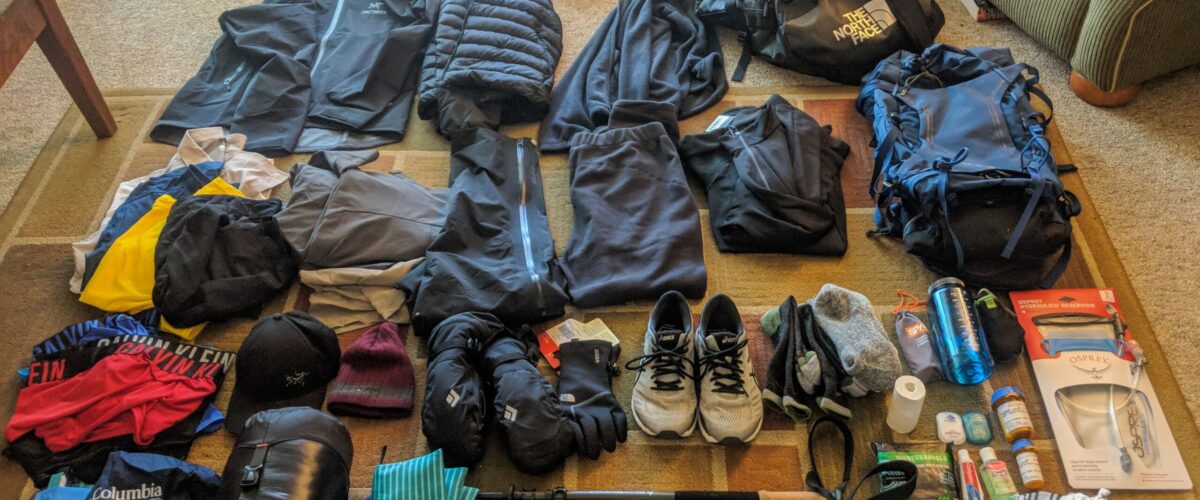
Uganda Safari Packing List: What to Actually Bring for Gorilla Trekking and Game Drives

Packing for a Uganda safari is not a general travel exercise—it is a terrain-specific preparation strategy shaped by rainforest humidity, high-altitude trekking conditions, long game drives, and rapidly changing weather systems. Whether you are heading into Bwindi Impenetrable National Park for gorilla trekking or exploring savannah ecosystems like Queen Elizabeth National Park, what you pack directly affects comfort, mobility, and field performance.

Unlike city travel or beach holidays, Uganda safaris operate across mixed environments: dense forest, open savannah, crater landscapes, and riverine systems. This means your packing list must be functional, layered, and designed for adaptability rather than style.

Understanding Uganda’s Safari Environment Before Packing

Climate Variability Across Regions

Uganda does not follow a single weather pattern across its safari zones. Bwindi is humid and mountainous, Queen Elizabeth is hot and open, and Kibale is warm with dense forest moisture. This variation requires layered clothing systems rather than single-purpose outfits.

Rain can occur unexpectedly even in dry seasons, especially in forest regions.

Terrain Demands and Physical Movement

Gorilla trekking involves steep ascents, muddy trails, and dense vegetation. Game drives involve long seated hours in open-roof vehicles. Your packing must support both high-mobility trekking and long passive viewing periods.

Core Clothing System for Uganda Safaris

Neutral-Coloured Safari Clothing

Earth-toned clothing is essential for both gorilla trekking and game drives. Colours like green, brown, khaki, and grey blend into natural environments and reduce wildlife disturbance.

Bright colours are discouraged in forest trekking zones.

Layering Strategy for Temperature Shifts

Early mornings in highland forests can be cold, while midday game drives can become hot. A layered system is essential:

  • Lightweight base layer for movement
  • Mid-layer for insulation during early mornings
  • Outer layer for rain and wind protection

Long-Sleeved Shirts and Trousers

Long sleeves and trousers are essential for gorilla trekking in Bwindi due to vegetation density, insect exposure, and terrain protection. They also reduce scratches from forest undergrowth.

Footwear Requirements for Gorilla Trekking and Safaris

High-Grip Hiking Boots

For gorilla trekking, waterproof hiking boots with strong ankle support are essential. Bwindi’s terrain is steep, muddy, and uneven, especially after rainfall.

Good grip is more important than style or weight.

Lightweight Safari Shoes for Game Drives

For vehicle-based safaris, lighter walking shoes or trail sneakers are sufficient. These are useful during lodge stays and short walking sections.

Rain and Weather Protection Gear

Waterproof Jacket or Poncho

Rain is unpredictable in Uganda’s forest zones. A lightweight waterproof jacket is essential for both gorilla trekking and game drives.

This is especially important in Bwindi where rainfall can occur even during dry months.

Rain Cover for Backpack

A waterproof backpack cover protects electronics, documents, and clothing during sudden downpours in forest environments.

Essential Gorilla Trekking Gear

Garden Gloves for Vegetation Handling

Gorilla trekking involves holding onto vines and vegetation while climbing steep slopes. Lightweight gardening gloves protect hands from thorns and rough bark.

Walking Stick (Often Provided Locally)

Walking sticks are usually provided at trekking briefing points, but some travelers prefer adjustable personal trekking poles for stability.

Small Daypack

A lightweight backpack is necessary for carrying water, snacks, rain gear, and personal items during the trek.

Safari Game Drive Essentials

Binoculars for Wildlife Viewing

A good pair of binoculars significantly improves game drive experience in open savannah areas like Queen Elizabeth National Park. Wildlife is often observed at distance.

Camera or Smartphone with Zoom Capability

Photography in Uganda safaris benefits from zoom capability due to distance between vehicles and wildlife. A dust-resistant camera bag is also recommended.

Sun Protection Gear

Game drives involve prolonged sun exposure. Essential items include:

  • Wide-brim hat or cap
  • Sunglasses with UV protection
  • High-SPF sunscreen

Health and Safety Packing Requirements

Insect Repellent

Tsetse flies and mosquitoes are present in some safari regions. A strong insect repellent is essential, especially in lowland savannah and forest edges.

Basic First Aid Kit

A small personal kit should include:

  • Pain relief medication
  • Antiseptic wipes
  • Blister treatment patches
  • Personal prescription medication

Hand Sanitizer and Wet Wipes

Field conditions often involve dust, soil, and limited washing points during trekking. Sanitizing items are essential for hygiene management.

Electronic and Travel Utility Items

Power Bank for Remote Areas

Charging access may be limited in remote lodges or during long game drives. A high-capacity power bank ensures device continuity.

Universal Travel Adapter

Uganda uses Type G sockets, so a universal adapter is required for international travelers.

Dry Bags for Electronics

Humidity and rain exposure make waterproof storage essential for phones, cameras, and documents.

Documentation and Permit Essentials

Passport and Visa Documentation

All international travelers must carry valid passports and relevant visa documents for entry into Uganda.

Gorilla and Chimpanzee Permits

Permits are mandatory for trekking experiences in Bwindi and Kibale regions. These are checked at briefing points before forest entry.

Specialized Packing for Bwindi Gorilla Trekking

High-Fat Energy Snacks

Gorilla trekking can last several hours depending on gorilla location. Energy-dense snacks help maintain stamina during steep climbs.

Hydration System or Water Bottles

Hydration is critical due to altitude changes and physical exertion in Bwindi Impenetrable Forest.

Lightweight Rain Gear Always Packed

Even during dry seasons, Bwindi weather can shift quickly. Rain protection should always be carried during trekking.

Packing for Game Drives in Uganda Parks

Layer Adjustments for Early Morning Drives

Morning game drives can be cold in open vehicles, especially in parks like Queen Elizabeth National Park and Murchison Falls National Park.

Warm Layer for Sunrise Drives

A fleece or light jacket is useful for early departures when temperatures are lower.

What Most Travelers Forget

Dust Protection for Electronics

Uganda’s safari roads can be dusty during dry seasons. Camera lenses and phone screens require protection.

Extra Plastic Bags for Wet Clothing

After rain or trekking, wet clothing storage becomes important, especially during multi-day safari circuits.

Small Cash for Local Purchases

Some rural areas near safari parks may not support card payments, making small cash reserves useful.

Field Reality of Safari Packing in Uganda

Packing for Uganda safaris is ultimately about environmental adaptability. The same trip may include humid rainforest trekking in Bwindi Impenetrable National Park in the morning and hot savannah game drives in Queen Elizabeth National Park in the afternoon.

This dual-environment structure requires a flexible, layered, and function-first packing approach. Comfort is achieved not through excess items, but through selecting gear that performs across multiple ecosystems without failure under rain, heat, mud, or long-distance travel conditions.

Crossing from Rwanda to Bwindi

Crossing from Rwanda to Bwindi

Crossing from Rwanda to Bwindi: The Kigali to Bwindi Route Explained

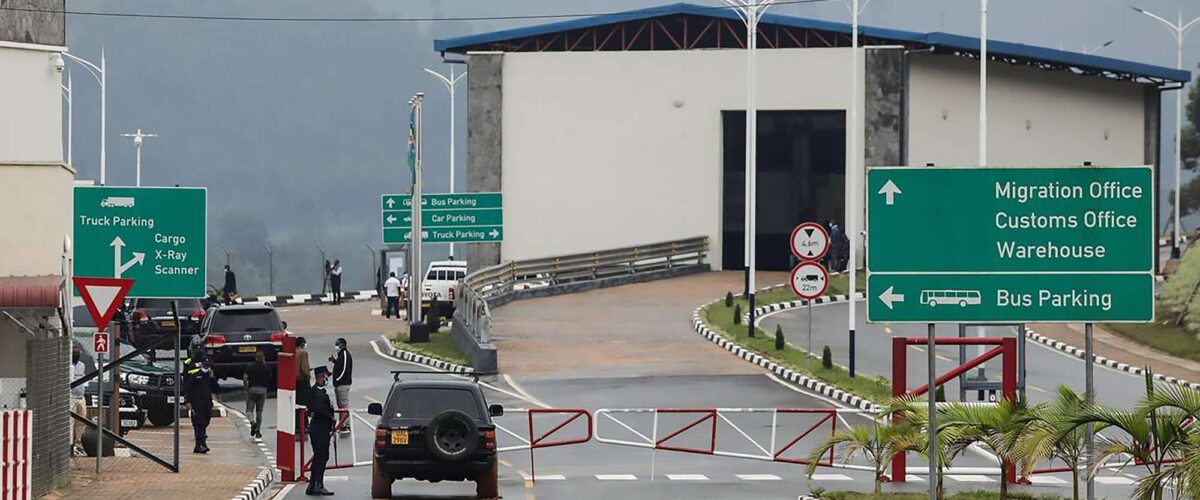
Crossing from Rwanda to Bwindi is one of the most efficient overland access routes to Uganda’s gorilla trekking zones, connecting Kigali directly to the southern sectors of Bwindi Impenetrable National Park. This route has become increasingly important for gorilla trekking logistics because it significantly reduces travel time compared to driving from Entebbe and offers a smoother entry into Uganda’s forest ecosystems through the southwestern border corridor.

Unlike long internal Uganda transfers, the Kigali–Bwindi route is a cross-border safari axis that compresses distance, reduces fatigue, and aligns closely with trekking sectors such as Rushaga and Nkuringo. Understanding this route requires looking at border procedures, driving time realities, sector access logic, and how Rwanda’s road infrastructure integrates with Uganda’s mountain terrain.

Why Kigali Is a Strategic Entry Point for Bwindi

Proximity Advantage Over Entebbe

Kigali, Rwanda’s capital, is geographically much closer to Bwindi than Uganda’s main international gateway in Entebbe. Depending on the specific Bwindi sector, the drive from Kigali can be as short as 3 to 5 hours, compared to 8 to 10+ hours from Entebbe.

This proximity makes Kigali a preferred entry point for travelers focused specifically on gorilla trekking rather than broader Uganda safaris.

Infrastructure Efficiency in Rwanda

Rwanda’s road network is generally smoother and faster compared to Uganda’s western approach routes. This allows for quicker highway-style travel before entering the mountainous border zones leading into Bwindi.

The result is a more predictable travel timeline with fewer long-distance road delays.

Border Crossing Points Between Rwanda and Bwindi

Cyanika Border Post (Most Common Route)

The Cyanika border crossing is the primary gateway for travelers moving from Kigali into southern Bwindi sectors such as Rushaga and Nkuringo. It connects Rwanda’s northern road network to Uganda’s Kisoro district.

This crossing is widely used due to its direct alignment with gorilla trekking zones in southern Bwindi.

Katuna Border Post (Secondary Route)

The Katuna border crossing links Rwanda to Uganda’s Kabale region and is often used for access to Ruhija and northern Bwindi sectors depending on routing strategy.

However, road conditions and construction variations occasionally influence which crossing is faster at a given time.

Driving Time Breakdown Kigali to Bwindi

Kigali to Border Segment

The drive from Kigali to the Rwanda–Uganda border typically takes around 2.5 to 3.5 hours depending on traffic and departure time.

This segment is characterized by smooth paved highways and gradual elevation changes as you approach the northern Rwanda highlands.

Border Processing Time

Crossing between Rwanda and Uganda involves immigration procedures on both sides. Processing time varies but generally ranges from 30 minutes to 1 hour depending on traveler volume.

Visa arrangements must be pre-confirmed or handled via East African tourist visa systems where applicable.

Uganda Side Transfer to Bwindi

Once inside Uganda, the drive to Bwindi depends heavily on the trekking sector:

  • Rushaga sector: approximately 1–2 hours
  • Nkuringo sector: approximately 1.5–2.5 hours
  • Buhoma sector (via longer routing): approximately 4–5 hours

Southern sectors are the most efficiently accessed from Kigali.

Bwindi Sector Access Logic from Rwanda

Rushaga Sector: Fastest Access Point

Rushaga is the most commonly accessed Bwindi sector from Kigali due to its proximity to the Cyanika border. This sector offers relatively direct mountain road access with shorter travel time.

It is a preferred choice for travelers prioritizing efficiency and reduced driving fatigue.

Nkuringo Sector: Ridge-Based Access

Nkuringo is also accessible from Kigali but involves steeper ridge road sections and more winding terrain. It offers more dramatic elevation views and a more remote trekking environment.

Buhoma and Northern Sectors: Less Direct Routing

Northern Bwindi sectors such as Buhoma are less commonly accessed from Kigali due to longer internal Uganda travel distances after crossing the border.

Road Conditions on the Kigali–Bwindi Corridor

Rwanda Segment: Smooth Highway System

The Kigali to border segment is characterized by well-maintained paved roads with consistent driving conditions. This is one of the most efficient road systems in East Africa.

Travel is generally smooth, with minimal disruptions or terrain difficulty.

Border Highlands Transition Zone

As the route approaches the Uganda border, terrain becomes more elevated and slightly more winding. This marks the transition from Rwanda’s structured road network into Uganda’s mountainous southwestern corridor.

Uganda Mountain Road Segment

Once inside Uganda, roads leading to Bwindi become narrower and more variable. This includes winding ascents, forest edge driving, and occasional gravel segments depending on weather conditions.

Why the Kigali Route Is Popular for Gorilla Trekking

Time Compression Advantage

The biggest advantage of the Kigali–Bwindi route is time efficiency. It reduces travel time by nearly half compared to Entebbe-based entry routes.

This is especially valuable for short gorilla trekking itineraries of 2–4 days.

Reduced Physical Fatigue Before Trekking

Shorter travel time means less fatigue before trekking activities in Bwindi Impenetrable Forest. This is important because gorilla trekking involves steep, physically demanding terrain.

Better Sector Alignment for Southern Bwindi

Kigali’s proximity to southern Bwindi sectors makes it strategically ideal for Rushaga and Nkuringo trekking zones.

Immigration and Visa Considerations

East Africa Tourist Visa Option

Travelers using the Kigali–Bwindi route often utilize the East Africa Tourist Visa, which allows multi-country entry between Rwanda, Uganda, and Kenya under a single permit.

This simplifies cross-border movement significantly.

Border Documentation Requirements

Standard requirements include valid passports, visa documentation, and proof of gorilla trekking permits where applicable.

Processing is generally efficient but requires correct pre-travel preparation.

Seasonal Impact on Kigali–Bwindi Travel

Dry Season Efficiency

During dry months, road conditions in Uganda’s southwestern region are more stable, making border-to-Bwindi transfers faster and more predictable.

Rainy Season Terrain Variability

During wet seasons, Uganda’s mountain roads can become slower due to mud and reduced traction, especially in final Bwindi approach sections.

However, the Rwanda segment remains largely unaffected due to its high-quality road infrastructure.

Accommodation Strategy Along the Kigali Route

Kigali Overnight Strategy

Many travelers choose to overnight in Kigali before crossing into Uganda the next morning. This ensures early border arrival and same-day trekking preparation.

Bwindi Entry Lodge Positioning

Once in Uganda, lodge selection is typically aligned with Rushaga or Nkuringo sectors for maximum efficiency.

This reduces final transfer times before gorilla trekking permits are activated.

Comparison: Kigali Route vs Entebbe Route

Kigali Route Advantages

  • Shorter overall driving distance
  • Faster access to southern Bwindi sectors
  • Reduced fatigue before trekking
  • Better road infrastructure in initial segment

Entebbe Route Advantages

  • Full Uganda overland safari experience
  • Access to multiple national parks en route
  • Broader itinerary flexibility across western Uganda

Field Reality of the Kigali–Bwindi Route

The Kigali to Bwindi route is not just a border crossing—it is a strategic acceleration corridor into Uganda’s gorilla trekking system. It compresses geography, reduces logistical friction, and aligns directly with high-demand trekking sectors in southern Bwindi.

What makes this route particularly effective is its balance: Rwanda provides smooth, efficient highway travel up to the border, while Uganda delivers immediate access to dense montane rainforest ecosystems shortly after crossing.

For gorilla trekking-focused itineraries, this route functions as the fastest operational entry point into Bwindi Impenetrable National Park without sacrificing access to core gorilla habitats.

Driving from Entebbe to Bwindi

Driving from Entebbe to Bwindi

Driving from Entebbe to Bwindi: How Long, Which Route and What to Expect

Driving from Entebbe to Bwindi is one of the most important overland safari journeys in Uganda because it connects the country’s main international gateway at Entebbe International Airport with the primate-rich montane rainforest of Bwindi Impenetrable National Park. This is not a simple point-to-point transfer. It is a full-day overland transition across Uganda’s central plateau, Rift Valley escarpments, agricultural belts, and forested highlands.

Unlike short safari transfers, this route is shaped by road conditions, seasonal weather, chosen sector in Bwindi, and stopover strategy. Understanding it properly is essential for gorilla trekking logistics because arrival timing directly influences rest, acclimatization, and trekking readiness the following morning.

Distance and Driving Time Reality

Average Duration Range

The drive from Entebbe to Bwindi typically takes between 8 and 10 hours under normal conditions. However, this can extend to 11+ hours depending on traffic leaving Kampala, road works, rainfall, and the specific Bwindi sector being accessed.

Bwindi is not a single-entry destination—it has multiple trekking sectors, and each one slightly changes the final driving time.

Why Time Varies So Much

The variation is caused by three main factors:

  • Urban exit congestion around Kampala
  • Road quality differences along western Uganda corridors
  • Final access roads into Bwindi’s forest sectors

The last segment into Bwindi is often the slowest due to winding, mountainous terrain and unpaved forest approach roads.

Route Options from Entebbe to Bwindi

Route 1: Entebbe → Kampala → Masaka → Mbarara → Kabale → Bwindi

This is the most commonly used and standard safari route.

It passes through Uganda’s central highway system and continues through the southwestern corridor toward Bwindi. This route is generally preferred for:

  • First-time gorilla trekking travelers
  • Standard safari itineraries
  • Most lodge transfer systems

The road is mostly paved until the final approaches to Bwindi.

Route 2: Entebbe → Kampala → Mubende → Fort Portal → Ishasha → Bwindi

This alternative route is longer in distance but often used when combining Queen Elizabeth National Park with Bwindi.

It passes through crater lake regions and western Uganda’s scenic highlands before entering southern Bwindi sectors.

This route is more scenic but less direct.

Bwindi Entry Sectors and How They Affect Driving Time

Bwindi Impenetrable National Park has multiple trekking sectors, and each one changes your final approach significantly.

Buhoma Sector (Northern Bwindi)

This is the most accessible sector from Kampala via Mbarara–Kabale route. Road conditions are relatively stable, and final access roads are shorter compared to southern sectors.

Typical drive time: 8–9 hours

Rushaga Sector (Southern Bwindi)

Rushaga requires additional driving beyond Kabale through winding mountain roads. It is slightly longer and more physically demanding on road conditions.

Typical drive time: 9–10+ hours

Nkuringo Sector (Southwestern Ridge)

Nkuringo is one of the most remote Bwindi sectors. It involves steep ridge access roads and more complex terrain navigation.

Typical drive time: 10–11+ hours

Ruhija Sector (Eastern Bwindi)

Ruhija sits at a higher elevation and is accessed via Kabale with forest ascent roads. It is moderately challenging but well connected.

Typical drive time: 8.5–10 hours

Road Conditions and Terrain Experience

Highway Sections from Entebbe to Western Uganda

The initial segment from Entebbe through Kampala and onward to Masaka and Mbarara is paved and generally smooth. This is the most stable portion of the journey.

It includes commercial towns, highway traffic, and standard road infrastructure.

Western Uganda Escarpment Driving

After Mbarara and Kabale, the road transitions into more undulating terrain. Elevation increases and the landscape becomes more mountainous and rural.

This is where driving becomes slower and more visually scenic.

Final Bwindi Approach Roads

The last 1–3 hours into Bwindi sectors involve narrow, winding roads. Some sections may be gravel or partially uneven depending on weather conditions.

These roads require careful driving and are often affected by rainfall, especially during wet seasons.

What You Actually See Along the Way

Urban-to-Rural Transition Corridor

The drive begins in a semi-urban environment around Entebbe and Kampala and gradually transitions into rural agricultural landscapes.

You will pass:

  • Roadside markets
  • Banana plantations
  • Tea-growing regions
  • Small trading centres

This gradual transition is one of the most distinct visual shifts in Uganda travel.

Rift Valley and Escarpment Views

As you move west, landscapes open into rolling hills and Rift Valley escarpments. This section offers some of the most scenic driving views in Uganda.

Highlands and Forest Edge Zones

Approaching Bwindi, vegetation becomes denser and more forested. Mist-covered hills and layered rainforest edges begin to dominate the landscape.

Stops and Break Points Along the Route

Masaka Town Stopover

Masaka is a common first major stop for refreshments and fuel. It marks the transition between central Uganda and the western corridor.

Mbarara City Stop

Mbarara is the main urban hub along the route and often serves as a lunch stop. It is the last major city before entering the more remote southwestern region.

Kabale Region Breakpoint

Kabale is the final major town before Bwindi. From here, the journey becomes more mountainous and forest-oriented.

Seasonal Influence on Driving Conditions

Rainy Season Travel (March–May, September–November)

During heavy rains, road sections in western Uganda can become slower due to reduced traction and occasional mud buildup on forest access roads.

Travel times may extend beyond 10–11 hours depending on conditions.

Dry Season Travel (June–August, December–February)

Dry seasons provide more stable road conditions and faster overall transit times. Visibility is also improved, making scenic sections more enjoyable.

Vehicle Type and Comfort Considerations

Safari 4×4 Vehicles

Most gorilla trekking transfers use safari-equipped 4×4 vehicles designed for long-distance comfort and uneven terrain handling.

These vehicles are essential for the final Bwindi approach roads.

Private vs Shared Transfers

Private transfers offer flexibility in stop timing, pacing, and comfort level. Shared transfers are more budget-friendly but follow fixed schedules and routes.

Why This Drive Still Matters Despite Flight Options

Even though internal flights are available into Bwindi-adjacent airstrips, many travelers still choose road transfers because the journey itself is part of the safari experience.

It allows gradual ecological transition from Uganda’s urban core into its rainforest ecosystems, creating a continuous visual and cultural narrative before entering gorilla trekking zones.

Field Reality: What the Drive Feels Like in Practice

The Entebbe-to-Bwindi drive is not just a transfer—it is a full-day immersion into Uganda’s geographic diversity. The experience shifts from airport corridors to highway systems, then into agricultural heartlands, escarpment ridges, and finally deep forest approaches.

Fatigue is real due to duration, but so is the reward: by the time you arrive in Bwindi Impenetrable National Park, you have already traversed most of Uganda’s ecological zones in a single continuous movement.

The drive functions as a slow transition into gorilla trekking reality rather than a disconnected transport segment.

Internal Flights in Uganda

Internal Flights in Uganda

Internal Flights in Uganda: When They’re Worth It vs Road Transfers

Internal flights in Uganda are one of the most misunderstood elements of safari planning because they sit at the intersection of cost, time efficiency, and terrain reality. In a country where safari destinations are spread across long distances and varying road conditions, choosing between flying and driving is not a comfort preference alone—it is a logistical optimization decision that directly affects how much time you actually spend inside ecosystems like Bwindi Impenetrable National Park, Murchison Falls National Park, and Kibale National Park.

Unlike compact safari countries where road transfers are short and predictable, Uganda’s geography stretches safari circuits across forested highlands, crater lake systems, river valleys, and remote airstrip zones. This creates a dual transport system: domestic aviation versus long-distance road travel.

Understanding when internal flights are worth it requires breaking down time savings, route complexity, park access efficiency, seasonal road conditions, and the structure of Uganda’s safari network.

Uganda’s Internal Flight Network Explained

Small Aircraft Safari Aviation Model

Uganda’s internal flights are primarily operated using small aircraft designed for short runway airstrips located near national parks. These flights connect Entebbe with remote safari zones that would otherwise require 6–10 hours of road travel.

The system is not a commercial airline network in the traditional sense—it is a safari logistics network optimized for access rather than volume.

Key Safari Air Corridors

Most internal flights operate along these primary routes:

  • Entebbe → Bwindi region (Kihihi, Kisoro airstrips)
  • Entebbe → Queen Elizabeth National Park region
  • Entebbe → Murchison Falls National Park airstrips
  • Entebbe → Kidepo Valley National Park (long-haul domestic flight route)

These routes are designed to bypass Uganda’s long overland distances and reduce multi-day road transfers into short flight segments.

When Internal Flights Are Absolutely Worth It

Long-Distance Park Combinations

Internal flights become highly valuable when combining distant parks such as Bwindi and Murchison Falls or Bwindi and Kidepo Valley National Park.

For example, driving from Kampala to Bwindi can take 8–10 hours depending on sector, while a flight to Kihihi or Kisoro reduces this to under 2 hours including transfer time.

This time compression is critical for itineraries shorter than 7–10 days.

Gorilla Trekking Efficiency Optimization

In gorilla trekking regions like Bwindi Impenetrable Forest, arrival timing is important because trekking permits are fixed per day. Internal flights ensure you arrive closer to your assigned trekking sector without exhausting road travel the day before.

This improves physical readiness for steep forest trekking conditions.

Luxury Safari Time Compression

High-end safari itineraries prioritize maximizing time inside parks rather than on roads. Internal flights eliminate long transit hours, allowing travelers to spend more time on game drives, trekking, or boat safaris.

This is especially relevant for premium lodges where nightly rates assume high-value experience time per day.

When Road Transfers Make More Sense

Short-Distance Park Access Routes

For destinations located within 2–4 hours of each other, road transfers often provide better value and flexibility. This includes routes such as:

  • Kampala → Kibale National Park
  • Queen Elizabeth → Bwindi (depending on sector alignment)
  • Entebbe → Lake Mburo National Park

In these cases, road travel is not significantly longer than flight + transfer combinations.

Scenic Route Value in Uganda Safaris

Road transfers in Uganda are not purely logistical—they are also experiential. Routes pass through crater lakes, rural villages, tea plantations, and escarpment landscapes that are not visible from air travel.

For many itineraries, this “in-between safari” experience is part of the journey.

Budget-Conscious Safari Planning

Internal flights are significantly more expensive than road transfers. For mid-range safaris, road travel is often the preferred option because it allows more budget allocation toward lodges, permits, and guided activities.

Time Efficiency Comparison Framework

Road Travel Reality in Uganda

Uganda’s road conditions vary widely depending on region, weather, and terrain. Some highways are well maintained, while others become slow during rainy seasons due to mud and erosion.

Typical road transfer examples include:

  • Entebbe → Bwindi: 8–10+ hours
  • Kampala → Murchison Falls: 5–6 hours
  • Kibale → Bwindi: 6–8 hours depending on sector routing

These durations directly affect fatigue levels before or after safari activities.

Internal Flight Time Compression

Internal flights reduce these same routes to 1–2 hour flight segments, plus short transfers from airstrip to lodge.

This creates a dramatic reduction in transit fatigue, especially on multi-park itineraries.

Seasonal Impact on Flight vs Road Decisions

Rainy Season Road Constraints

During wet seasons, road travel in western Uganda and forest zones can become slower due to muddy terrain and reduced traction conditions. This increases the value of internal flights, especially for Bwindi and Kibale routes.

In some cases, road delays can extend travel time by several hours beyond standard estimates.

Dry Season Travel Stability

During dry months, road conditions improve significantly, making overland transfers more predictable. In this period, road travel becomes more competitive with flights for medium-distance routes.

Accessibility to Remote Safari Parks

Kidepo Valley National Park Case Study

One of the strongest arguments for internal flights is access to Kidepo Valley National Park. Road travel to Kidepo can exceed 10–12 hours from Kampala, crossing remote northeastern terrain.

A domestic flight reduces this to approximately 2 hours, making Kidepo realistically accessible for short safaris.

Bwindi Airstrip Strategy

Bwindi region airstrips such as Kihihi and Kisoro allow travelers to bypass long mountain road approaches. This is especially valuable for southern Bwindi sectors like Rushaga and Nkuringo.

Cost vs Value Analysis

Flight Cost Structure

Internal flights are priced significantly higher per hour of travel compared to road transport. However, their value is measured in time saved, reduced fatigue, and increased park experience time.

Road Cost Efficiency

Road transfers are more economical and flexible. They also allow for spontaneous stops, photography breaks, and cultural interaction along the route.

Operational Realities of Internal Flights

Limited Schedule Frequency

Internal flights in Uganda operate on fixed schedules, often once or twice per day depending on route. This requires strict itinerary alignment.

Missing a flight can disrupt an entire safari day.

Weather Sensitivity

Small aircraft operations are more sensitive to weather conditions such as heavy rain or low visibility. This can occasionally affect flight timing, especially in forested or mountainous regions.

Safari Itinerary Design Logic

Multi-Park High-End Safaris

For itineraries combining multiple distant parks, internal flights are often essential. They allow seamless transitions between ecosystems without exhausting travel days.

Single-Region Safaris

For safaris focused on one region (e.g., only Bwindi or only Queen Elizabeth National Park), road transfers are usually sufficient and more practical.

Traveler Profile Suitability

Luxury and Time-Constrained Travelers

Internal flights are best suited for travelers prioritizing:

  • Short safari duration (5–8 days)
  • High-end lodge experiences
  • Multi-park coverage in limited time

Extended Budget or Experiential Travelers

Road transfers are better suited for:

  • Longer safaris (10+ days)
  • Cultural exploration interest
  • Lower cost optimization
  • Scenic overland travel preference

Field Reality: How Transport Choice Shapes Safari Experience

Internal flights and road transfers in Uganda are not interchangeable—they define two completely different safari experiences.

Flying compresses geography, turning long distances into short transitions and maximizing time in wildlife zones. Road travel expands geography, turning transfers into experiential journeys through Uganda’s landscapes and rural ecosystems.

The decision between them ultimately determines whether a safari is experienced as a time-optimized wildlife circuit or a slow, immersive overland exploration of East Africa’s terrain systems.

Flying into Entebbe

Flying into Entebbe

Flying into Entebbe: Which International Airlines Serve Uganda and How to Connect

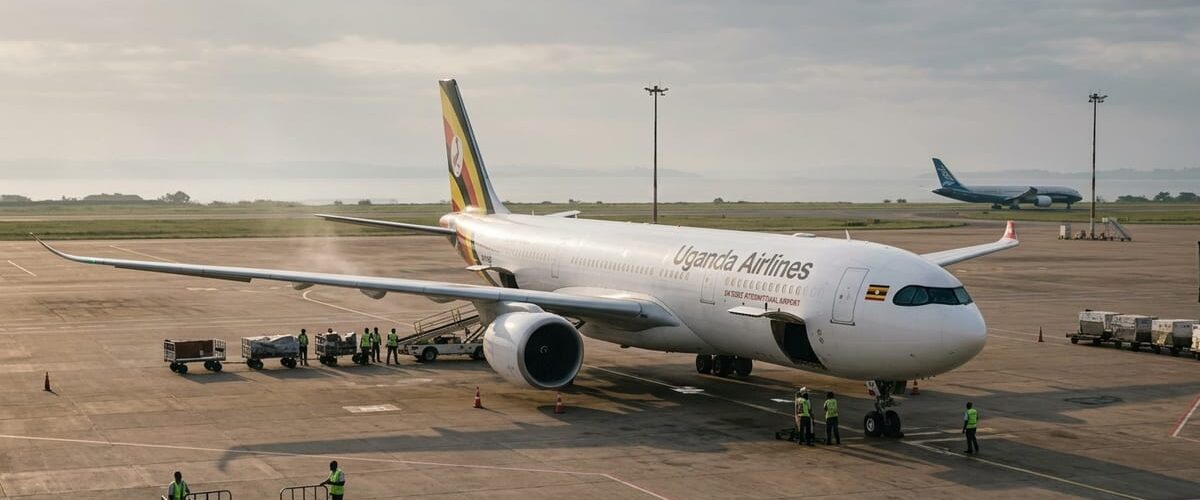
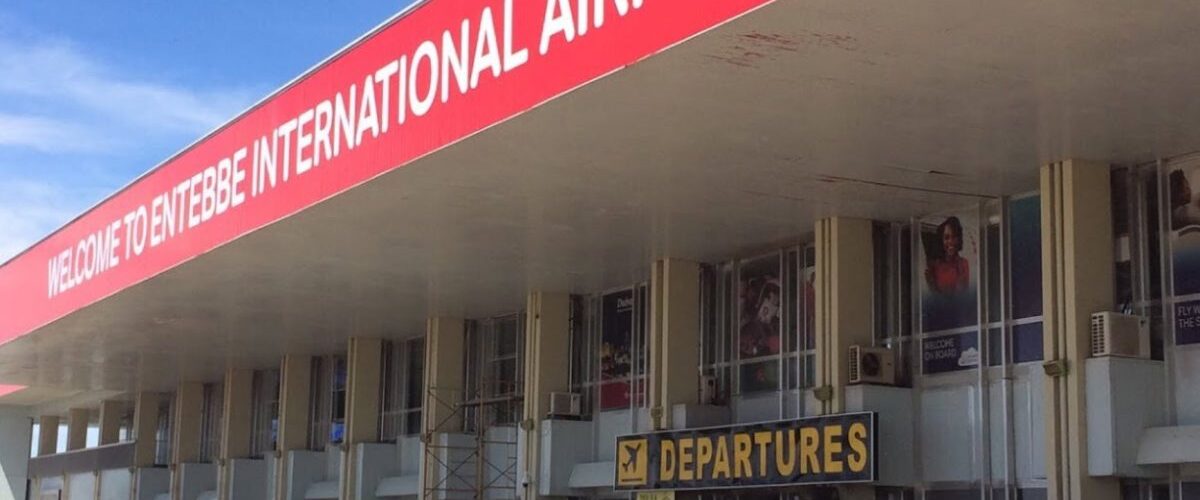
Flying into Entebbe is the most common entry point for anyone heading on safari in Uganda, whether the plan is gorilla trekking in Bwindi Impenetrable National Park, chimpanzee tracking in Kibale National Park, or a full circuit across the country’s national parks. The arrival airport, Entebbe International Airport, functions as the main aviation gateway for both regional East African connectivity and long-haul international routes from Europe, the Middle East, and Asia.

Understanding which airlines actually serve Entebbe and how onward connections work is not just a travel detail—it directly affects arrival timing, safari coordination, and even cost efficiency for multi-park itineraries.

Entebbe as a Regional Aviation Hub

The Role of Entebbe in East African Air Networks

Entebbe International Airport operates as Uganda’s primary international gateway and one of the most connected airports in East Africa, with over 20+ airlines and dozens of direct destinations across Africa, the Middle East, and Europe. The airport supports both full-service carriers and regional operators, creating a hybrid hub model that connects long-haul inbound travel with short regional safari hops.

Its strategic importance comes from its positioning between Kenya, Rwanda, Tanzania, and the wider Great Lakes region, making it a common entry point for multi-country safari circuits.

Connection Logic for Safari Travelers

Most safari itineraries do not end in Entebbe—they begin there. From the airport, travelers typically connect onward by domestic flights, road transfers, or charter aviation into western Uganda safari zones. This makes airline selection and arrival timing critical for minimizing overnight layovers or missed transfers.

Major International Airlines Flying into Entebbe

Middle Eastern and Global Long-Haul Carriers

Entebbe is well connected to global hubs through major international airlines operating from the Middle East and Europe.

Key long-haul carriers include:

  • Emirates (via Dubai)
  • Qatar Airways (via Doha)
  • flydubai (via Dubai)
  • Turkish Airlines (via Istanbul)

These airlines provide some of the most efficient global access routes into Uganda, particularly for travelers coming from Asia, Europe, and North America via hub connections.

For example, Dubai–Entebbe flights operate regularly with a flight time of just over six hours, making it one of the most efficient long-haul entry corridors into East Africa .

European Gateway Airlines

European connectivity into Entebbe is primarily concentrated through hub-based carriers:

  • KLM (via Amsterdam)
  • Brussels Airlines (via Brussels)
  • Turkish Airlines (via Istanbul, with strong European feeder network)

These airlines are particularly important for safari travelers connecting from multiple European cities, as they offer synchronized arrivals aligned with regional Africa departures.

East African Regional Airlines Serving Entebbe

Kenya Airways and Nairobi Hub Connectivity

One of the most important regional connections is between Entebbe and Nairobi, operated frequently by Kenya Airways and Uganda Airlines.

This route functions as the backbone of East African aviation connectivity, with multiple daily flights linking Entebbe to Nairobi’s Jomo Kenyatta International Airport, which is a major transfer hub for safari circuits across Kenya and Tanzania .

RwandAir and Kigali Connectivity

RwandAir provides strong regional connectivity through Kigali, offering quick one-hour flights between Rwanda and Uganda. This route is widely used for combined gorilla trekking itineraries across Uganda and Rwanda.

Other carriers such as Ethiopian Airlines and EgyptAir also operate regional connections through Addis Ababa and Cairo hubs, expanding access from Africa, Europe, and Asia.

Uganda Airlines as the National Carrier

Uganda Airlines plays a central role in both domestic and regional connectivity. It operates routes linking Entebbe to key East African cities including Nairobi, Kigali, Juba, and Kinshasa, and also supports domestic flights to safari airstrips within Uganda.

Domestic Flight Connections from Entebbe

Safari Airstrips and Western Uganda Access

From Entebbe, travelers can connect via domestic aviation to remote safari airstrips closer to national parks. These include routes operated by regional carriers such as Aerolink Uganda.

Common domestic connections include:

  • Bwindi region airstrips (Kihihi, Kisoro)
  • Murchison Falls access points (Pakuba)
  • Kibale-linked Western Uganda air corridors via nearby regional airstrips

These flights significantly reduce road travel time, especially for high-end safari itineraries.

Why Domestic Flights Matter for Safari Efficiency

Uganda’s terrain makes long road transfers between parks time-intensive. Domestic aviation allows travelers to compress multi-day road journeys into short flights, improving comfort and maximizing time in wildlife zones.

Connecting from Entebbe to Safari Destinations

Road Transfers to Kampala and Western Uganda

The most common first connection after landing is the road transfer from Entebbe to Kampala, which typically takes between 45 minutes and 1.5 hours depending on traffic.

From Kampala, travelers continue westward toward safari hubs such as Bwindi, Kibale, and Queen Elizabeth National Park.

Airport Pickup Logistics

Most safari operators and lodges coordinate direct airport pickups from Entebbe, eliminating the need for independent transport arrangements. This is especially important for late-night arrivals when direct transfers to Kampala or western Uganda are required.

Flight Timing Strategy for Safari Optimization

Arrival Window Planning

Flight arrival time into Entebbe directly impacts safari flow. Early morning or midday arrivals are ideal because they allow same-day transfers to Kampala or even domestic flight connections.

Late-night arrivals often require overnight stays near Entebbe before continuing the safari route the next morning.

Minimizing Layover Risk in Africa Hubs

Since most international routes into Uganda connect through hubs like Doha, Dubai, Istanbul, Nairobi, or Addis Ababa, layover timing must be carefully managed to avoid missed regional connections.

Multi-Airline Safari Routing Logic

Europe–East Africa Combination Routes

A common routing structure for Uganda safaris involves:

  • Europe → Istanbul / Amsterdam / Brussels
  • Connection → Entebbe International Airport
  • Transfer → Kampala or direct domestic flight onward

This multi-leg system allows flexibility in pricing and scheduling but requires coordination between carriers.

Middle East Hub Efficiency Model

Middle Eastern hubs like Dubai and Doha offer some of the fastest and most reliable connections into Uganda, often preferred for long-haul travelers due to consistent schedules and short layover durations.

Practical Arrival Flow at Entebbe Airport

Immigration and Entry Processing

Entebbe International Airport is structured for international arrivals with standard immigration, visa processing, and baggage handling systems. Processing time varies depending on arrival wave density but is generally efficient for East African standards.

Ground Transport Integration

Once outside the airport, travelers have multiple options including hotel pickups, safari operator transfers, and private vehicle arrangements toward Kampala or directly to western Uganda routes.

Why Airline Choice Impacts Safari Experience

Connection Reliability vs Cost Optimization

Full-service airlines like KLM, Qatar Airways, and Turkish Airlines provide higher schedule reliability and better baggage handling continuity, which is critical for multi-leg safari travel.

Lower-cost routing options may reduce airfare but increase connection risk, especially when transferring into regional African carriers.

Timing Alignment with Safari Itineraries

Safari itineraries are often fixed around gorilla trekking permits and park schedules. Flight delays or poorly timed arrivals can disrupt trekking sequences, making airline selection a structural part of safari planning rather than a simple transport decision.

Field Reality of Flying into Uganda

Flying into Entebbe is not just an arrival—it is the first operational step in a larger safari system. The airport acts as a transition node between global aviation networks and Uganda’s ground-based wildlife circuits.

From long-haul carriers connecting through Dubai, Doha, or Istanbul to regional flights linking Nairobi, Kigali, and Addis Ababa, every route into Entebbe feeds into a structured movement system that distributes travelers into forest, savannah, and primate ecosystems across the country.

Understanding how these airlines connect is what allows safari itineraries to function smoothly from the moment the aircraft lands on Ugandan soil.