The Kazinga Channel Boat Safari

The Kazinga Channel Boat Safari

The Kazinga Channel Boat Safari: What Wildlife You’ll See and How to Do It in Luxury

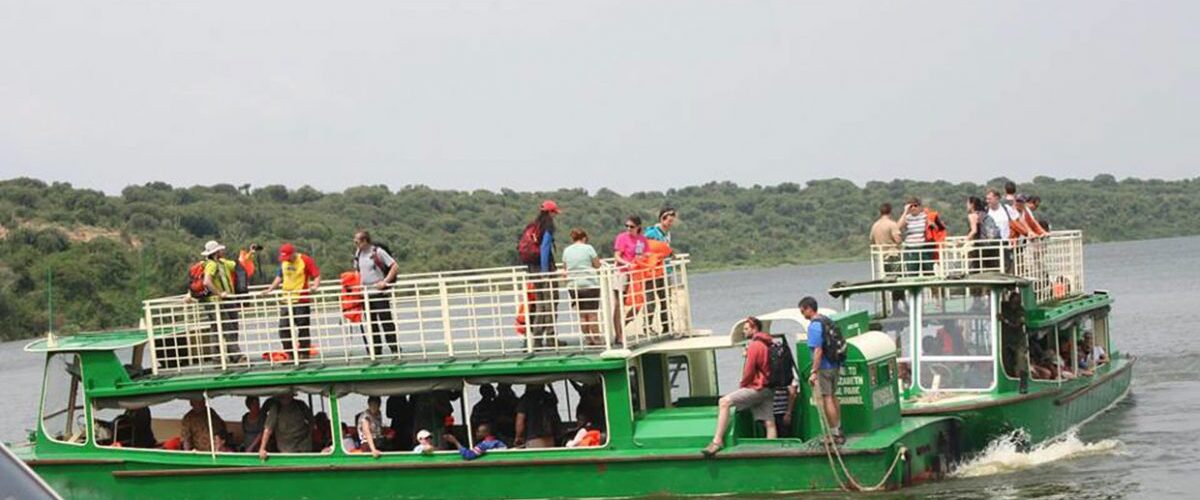
The Kazinga Channel boat safari is one of the most productive and visually dense wildlife experiences in Uganda, offering a completely different perspective from traditional game drives. Running through Queen Elizabeth National Park, the Kazinga Channel is a natural waterway connecting Lake Edward and Lake George, creating a permanent freshwater system that attracts one of the highest concentrations of animals in East Africa.

Unlike open savannah drives where wildlife can be dispersed, the channel concentrates animals along its banks, making sightings consistent, close-range, and highly rewarding. For travelers building a luxury Uganda safari itinerary, this experience often becomes a central highlight because of its reliability, comfort, and photographic value.

Understanding the Kazinga Channel Ecosystem

Why the Channel Attracts So Much Wildlife

The Kazinga Channel functions as a year-round water source in a landscape where seasonal variation affects grazing patterns and animal movement. Because water is consistently available, animals gather along the banks throughout the day rather than dispersing across large distances.

This creates a linear wildlife corridor where species density is significantly higher than in surrounding savannah areas.

The combination of freshwater, grasslands, and wetland vegetation supports both herbivores and predators, as well as one of the richest bird populations in the region.

The Advantage Over Game Drives

A boat safari offers a stable, unobstructed viewing platform. Instead of scanning vast landscapes, you move slowly along the waterline, where animals are already concentrated.

This reduces search time and increases the frequency of sightings. It also allows closer proximity without disturbing wildlife, as animals are more tolerant of boats than vehicles approaching on land.

What Wildlife You’ll See on the Kazinga Channel

Hippopotamus Concentrations

The Kazinga Channel is known for having one of the highest densities of hippos in Africa. Large pods can be seen resting in the water, often with only their eyes and nostrils visible above the surface.

At times, dozens of hippos cluster together in a single stretch of the channel, creating constant movement and sound as they interact.

This is one of the most reliable sightings on the boat safari.

Elephants at the Water’s Edge

Elephants frequently gather along the banks to drink, bathe, and cool down. Boat-based viewing allows you to observe these behaviors at very close range, often closer than what is possible on a game drive.

Seeing elephants interact with water—spraying themselves, crossing shallow sections, or moving in family groups—is one of the defining moments of the experience.

Buffalo Herds and Grazing Behavior

Large herds of buffalo are commonly found grazing near the water. These animals often move between open grassland and the channel edge, creating dynamic scenes that include both land and water interaction.

The presence of buffalo also attracts predators, although predator sightings from the boat are less frequent compared to land-based drives.

Birdlife and Wetland Species

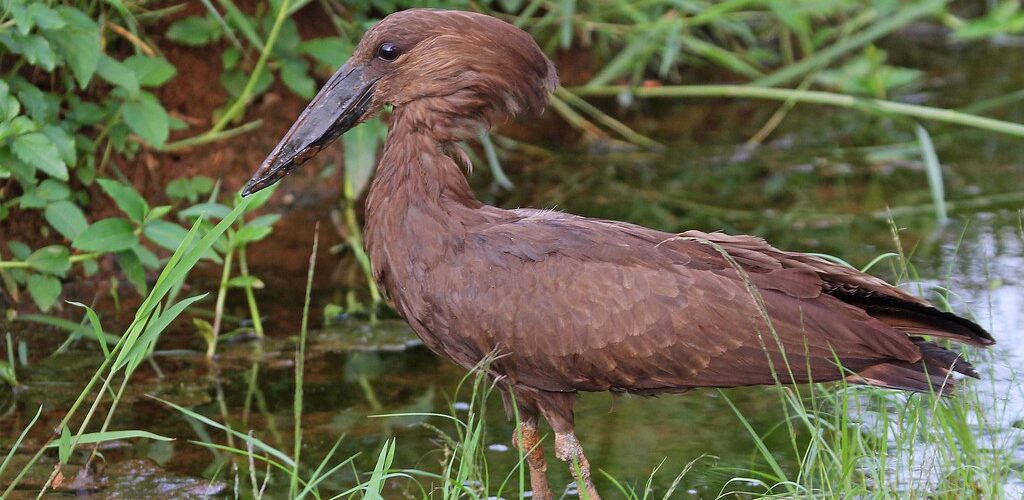
The Kazinga Channel is a major birding hotspot. The mix of open water, shoreline vegetation, and nearby savannah supports a wide variety of bird species.

Large waterbirds, waders, and raptors are commonly seen along the channel. The density and visibility of birds make this one of the most accessible birding experiences in Uganda.

Crocodiles and Smaller Wildlife

Nile crocodiles are regularly seen basking along the banks or partially submerged in the water. While less numerous than hippos, they are still a consistent part of the ecosystem.

Other smaller species such as antelope and warthogs may also appear along the shoreline, particularly in quieter sections of the channel.

Timing Your Boat Safari for Maximum Wildlife Viewing

Afternoon vs Morning Cruises

The most popular time for a Kazinga Channel boat safari is the afternoon. During this period, animals tend to gather at the water’s edge to drink and cool off, increasing sighting density.

Morning cruises can also be productive but may involve more dispersed animal movement as species move away from water after early drinking periods.

Seasonal Influence on Wildlife Density

The channel remains productive year-round because it is a permanent water source. However, during drier periods, wildlife concentration along the banks increases as animals rely more heavily on the channel.

During wetter periods, animals may spread slightly into surrounding areas, but sightings remain consistent due to the channel’s ecological importance.

How to Experience the Kazinga Channel in Luxury

Private Boat Safaris

One of the key upgrades for a luxury experience is opting for a private boat rather than a shared group cruise.

Private boats allow flexible departure times, personalized pacing, and uninterrupted viewing without competing for space or angles.

This is particularly valuable for photography, as it allows positioning the boat for optimal lighting and composition.

Premium Viewing Position and Comfort

Luxury operators often provide boats with fewer passengers, better seating arrangements, and enhanced viewing platforms.

This improves comfort during the cruise and allows more space for movement and observation.

Some boats include refreshments and personalized service, adding to the overall experience.

Pairing With High-End Lodges

Staying at luxury lodges within or near Queen Elizabeth National Park allows seamless access to the Kazinga Channel.

These lodges coordinate boat safari timings, transfers, and guiding, ensuring a smooth transition between accommodation and activity.

The proximity reduces travel time and allows for better alignment with peak wildlife viewing hours.

Photography Advantages of the Boat Safari

The Kazinga Channel offers some of the best wildlife photography conditions in Uganda.

Animals are often at eye level from the boat, creating strong compositions and natural perspectives. The proximity to wildlife allows detailed shots without the need for extreme zoom.

Water reflections, movement, and interaction between species add dynamic elements that are harder to capture on land-based safaris.

Lighting conditions in the afternoon also enhance color and contrast, particularly for large mammals and birdlife.

Combining the Boat Safari With a Wider Uganda Itinerary

The Kazinga Channel is typically included as part of a broader itinerary within Queen Elizabeth National Park.

It is often paired with game drives in the Kasenyi plains or Ishasha sector, creating a balanced experience between water-based and land-based wildlife viewing.

For travelers coming from Bwindi Impenetrable National Park after gorilla trekking, the Kazinga Channel provides a contrasting safari environment focused on open landscapes and high-density wildlife.

Why the Experience Feels Different From Other Safaris

The defining feature of the Kazinga Channel boat safari is consistency. Unlike game drives where sightings can vary, the channel almost always delivers multiple high-quality wildlife encounters within a short period.

This reliability makes it a key component of luxury safari planning, where maximizing time and experience value is critical.

The combination of proximity, density, and comfort creates a wildlife viewing environment that is both efficient and immersive.

Field Reality of the Kazinga Channel Experience

In practical safari terms, the Kazinga Channel is one of the most dependable wildlife experiences in Uganda.

It offers close-range encounters with multiple species, minimal search time, and a relaxed viewing format that contrasts with the unpredictability of land-based safaris.

For luxury travelers, the ability to experience this ecosystem from a private or low-density boat adds a layer of exclusivity and control that enhances the overall safari.

The channel is not just an add-on activity—it is a core component of a well-structured Uganda safari, providing consistent wildlife interaction in one of the country’s most dynamic natural environments.
Birding in Uganda

Birding in Uganda

Birding in Uganda: Why It’s Africa’s Top Birding Destination and Where to Go

Uganda is widely regarded as one of the most rewarding birding destinations in Africa, not because of a single iconic species, but because of its exceptional density, diversity, and accessibility of birdlife across a compact geographic area. With over 1,000 recorded bird species—representing roughly half of Africa’s total—Uganda offers a level of avian variety that few countries can match.

What makes birding in Uganda particularly valuable is the overlap of ecosystems within relatively short travel distances. From lowland wetlands and savannahs to montane forests and alpine zones, Uganda compresses multiple habitats into one country, allowing birders to encounter dramatically different species within a single itinerary.

For both serious ornithologists and general wildlife travelers, Uganda provides a structured, high-yield birding experience that integrates seamlessly with broader safari activities.

Why Uganda Stands Out for Birding in Africa

Ecological Convergence of Multiple Biomes

Uganda sits at the intersection of several major ecological zones, including East African savannah, Central African rainforest, and the Albertine Rift highlands. This convergence creates overlapping bird distributions that are rarely found in one country.

Species typical of West African forests, East African plains, and high-altitude montane systems can all be observed within Uganda’s borders. This makes it possible to build species lists quickly without long-distance travel.

High Species Density in Accessible Areas

Unlike some birding destinations where species are widely dispersed, Uganda offers high concentrations of birds in relatively accessible locations. Many key birding sites are located within or near established national parks with good infrastructure and guiding services.

This reduces logistical complexity and increases the efficiency of birding excursions.

Presence of Albertine Rift Endemics

Uganda is one of the best places in the world to see Albertine Rift endemic bird species. These are species found only in this mountainous region, making them highly sought after by serious birders.

The southwestern highlands, in particular, are critical for observing these rare and localized birds.

Key Birding Destinations in Uganda

Bwindi Impenetrable National Park

Bwindi Impenetrable National Park is not only famous for gorilla trekking but also one of the richest forest birding locations in Africa.

Bwindi hosts over 350 bird species, including many Albertine Rift endemics. The dense montane forest provides habitat for species that are rarely found elsewhere.

Birding here is typically conducted along forest trails, where sightings require patience, listening skills, and experienced guiding. The environment favors slow, methodical observation rather than fast-paced movement.

Species diversity is high, but visibility can be challenging due to dense vegetation.

Queen Elizabeth National Park

Queen Elizabeth National Park offers a completely different birding environment, dominated by savannah, wetlands, and open water systems.

With over 600 recorded species, this park is one of the most species-rich savannah birding areas in Africa.

The Kazinga Channel is particularly productive, attracting water birds, raptors, and migratory species. Boat safaris here provide excellent birding opportunities with clear visibility and minimal obstruction.

This park allows birders to combine avian observation with classic wildlife safaris, making it one of the most versatile birding locations in Uganda.

Kibale National Park

Kibale National Park is known primarily for chimpanzee tracking but also offers excellent forest birding opportunities.

The park hosts over 375 bird species, including several forest specialists. Birding in Kibale is often conducted along established trails, with a mix of canopy and understory species.

The forest here is slightly more open than Bwindi in some areas, which can improve visibility for certain species.

Murchison Falls National Park

Murchison Falls National Park provides a combination of savannah, riverine, and woodland birding habitats.

The Nile River system creates ideal conditions for water-associated species, while open plains support raptors and ground-dwelling birds.

This park is particularly important for sightings of large and iconic bird species, and it offers a different birding profile compared to forest parks.

Wetland and Lake Systems

Uganda’s wetlands and lake systems, particularly around Lake Victoria and other inland water bodies, are critical for waterbirds and migratory species.

These areas support high bird densities and are often easier for observation due to open landscapes.

Wetland birding is typically less physically demanding and offers consistent sightings throughout the year.

Seasonal Patterns in Uganda Birding

Resident vs Migratory Species

Uganda’s birdlife includes both resident species and migratory birds that arrive seasonally.

Resident species are present year-round, providing consistent birding opportunities regardless of timing.

Migratory species, particularly from Europe and northern regions, are typically present between November and April, increasing overall species diversity during this period.

Breeding Season Advantages

The breeding season often coincides with increased bird activity, including vocalization and display behavior.

This can improve detection rates, as birds are more visible and active during mating periods.

However, increased vegetation during rainy seasons can make visibility more challenging despite higher activity levels.

Birding Techniques and Field Strategy

Importance of Sound Identification

In forest environments such as Bwindi and Kibale, many bird species are detected by sound before they are seen.

Birders rely heavily on call recognition to locate species within dense vegetation.

This makes experienced guides essential, as they can identify species based on subtle vocal cues.

Slow and Methodical Movement

Birding in Uganda is most effective when conducted at a slow pace. Rapid movement reduces the chance of spotting or hearing species.

Guided walks, trail-based observation, and stationary listening points are commonly used strategies.

Early Morning and Late Afternoon Activity

Bird activity peaks during early morning and late afternoon hours. These periods provide the best conditions for both forest and savannah birding.

Midday birding is generally less productive due to reduced activity levels.

Integration With Safari Experiences

One of the strengths of birding in Uganda is its integration with broader safari activities.

Travelers can observe birds during game drives, boat safaris, forest treks, and even lodge-based viewing.

This allows birding to be incorporated into general wildlife itineraries without requiring separate specialized trips.

For dedicated birders, focused itineraries can be designed to maximize species diversity across multiple habitats.

Why Uganda Delivers High Birding Value

Uganda’s value as a birding destination comes from its efficiency. The ability to see a large number of species across varied ecosystems within a relatively short time frame makes it highly productive.

The country’s infrastructure, guiding expertise, and established national park system further enhance this efficiency.

Compared to destinations where birding requires extensive travel between habitats, Uganda offers a concentrated experience with high returns.

Field Reality of Birding in Uganda

In practical terms, birding in Uganda is a balance between diversity and detection. The number of species is exceptionally high, but visibility varies depending on habitat.

Forest birding requires patience and skill, while savannah and wetland birding offer more immediate visual rewards.

The combination of these environments creates a layered birding experience that evolves throughout the safari.

Uganda’s position as Africa’s top birding destination is not based on a single highlight species, but on the cumulative richness and accessibility of its avian ecosystems across the entire country.

Uganda’s Tree Climbing Lions of Ishasha

Uganda’s Tree-Climbing Lions of Ishasha

Uganda’s Tree-Climbing Lions of Ishasha: Where, When and How to See Them

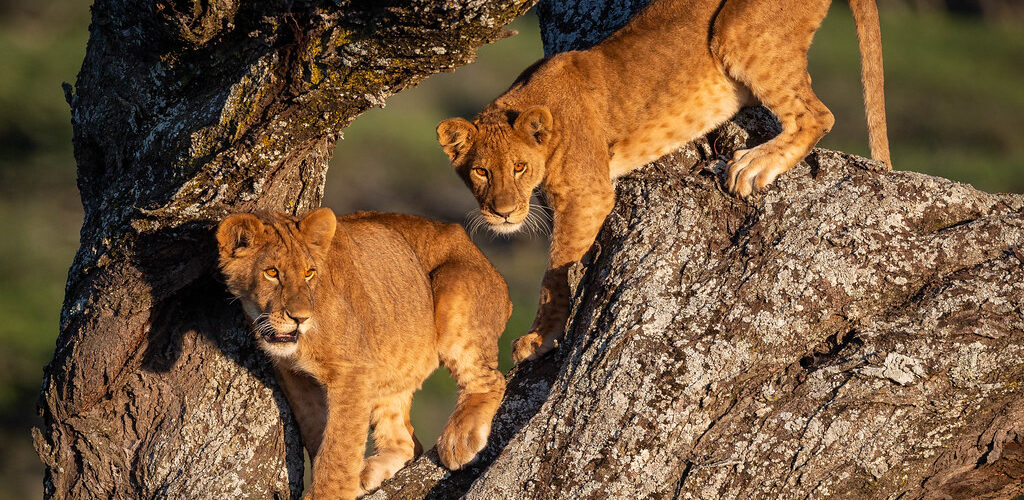
Uganda’s tree-climbing lions are one of the most unusual and sought-after wildlife sightings in Africa, and the best place to see them is the Ishasha sector of Queen Elizabeth National Park. Unlike typical lion behavior observed across savannah ecosystems, these lions regularly rest and lounge in fig and acacia trees, creating a distinctive safari experience that draws photographers, researchers, and wildlife enthusiasts from around the world.

This behavior is not universal across Africa, which is why Ishasha holds such a strong reputation. Understanding where to find these lions, when sightings are most likely, and how to approach the experience in practical safari conditions makes a significant difference in success rates.

Where Exactly to Find the Tree-Climbing Lions

The Ishasha Sector Within Queen Elizabeth National Park

The tree-climbing lions are concentrated in the southern Ishasha sector of Queen Elizabeth National Park, a remote and less crowded area compared to the northern regions of the park.

Ishasha is characterized by open savannah plains dotted with large fig trees, acacia woodlands, and seasonal river systems. These fig trees are the primary locations where lions are most frequently spotted resting in branches.

The sector lies near the border with the Democratic Republic of Congo, which adds to its isolation and lower tourist density.

Why Ishasha Is the Right Habitat

The presence of large, horizontal fig tree branches makes Ishasha uniquely suited for this behavior. These trees provide stable platforms that can support the weight of adult lions, something not all tree species can offer.

Additionally, the open plains allow lions to hunt effectively, while the trees provide elevated resting spots during the heat of the day.

Why Do Lions Climb Trees in Ishasha?

The exact reason for this behavior is not fully understood, but several field observations provide strong explanations.

One widely accepted theory is temperature regulation. Climbing trees allows lions to escape the heat of the ground and benefit from cooler air and light breezes above.

Another explanation is insect avoidance. Elevated positions reduce exposure to biting insects such as tsetse flies, which are common in savannah environments.

There is also a behavioral component. Over generations, specific lion prides in Ishasha have developed this habit, and it has been passed down within the group.

It is important to note that not all lions in Africa climb trees regularly. This behavior is localized and not guaranteed in every sighting.

When Is the Best Time to See Tree-Climbing Lions

Time of Day Matters More Than Season

The most reliable time to see tree-climbing lions is during the late morning to early afternoon period.

During these hours, temperatures rise, and lions are more likely to climb into trees to rest. Early morning game drives often show lions on the ground, while midday increases the chances of seeing them in branches.

Seasonal Influence on Sightings

Tree-climbing behavior can occur year-round, but visibility may vary slightly depending on seasonal conditions.

In drier months, vegetation is less dense, making it easier to spot lions in trees from a distance.

During wetter periods, thicker foliage can make sightings more challenging, even when lions are present in trees.

However, the behavior itself does not stop seasonally, which means sightings are possible throughout the year.

How to Maximize Your Chances of Seeing Them

Work With Experienced Guides

The single most important factor in finding tree-climbing lions is the skill of your guide. Experienced guides know the territories of specific prides and track movement patterns across the Ishasha plains.

They also communicate with other guides in the area, increasing the likelihood of locating active sightings.

Focus on Fig Trees

Scanning large fig trees is a key strategy. Lions often rest along thick horizontal branches, sometimes partially hidden by leaves.

It is common to initially miss a lion in a tree because the shape blends with the branches. A trained eye is essential for spotting them.

Be Patient and Systematic

Unlike open savannah sightings where animals are easily visible, tree-climbing lions require slower, more deliberate searching.

Game drives in Ishasha are less about covering large distances quickly and more about scanning specific habitats carefully.

What the Sightings Actually Look Like

Seeing a lion in a tree is a visually striking experience because it contrasts sharply with typical expectations of lion behavior.

Lions are often seen draped across branches, with legs hanging loosely, appearing relaxed and almost weightless despite their size.

Sometimes multiple individuals from the same pride occupy a single tree, creating layered compositions that are particularly appealing for photography.

In other cases, only one or two lions may be present, resting quietly and occasionally shifting position.

Photography Considerations

Tree-climbing lion photography requires a slightly different approach compared to ground-based wildlife photography.

Angles are upward rather than horizontal, which affects framing and lighting. Midday light can be harsh, but it also illuminates lions clearly in open branches.

Because lions are stationary when resting, there is often time to adjust camera settings and compose shots carefully.

Zoom lenses are useful for capturing detail without disturbing the animals.

Combining Ishasha With a Wider Safari

The Ishasha sector is often included as part of a broader Uganda safari route, particularly when traveling between Bwindi Impenetrable National Park and the northern sections of Queen Elizabeth National Park.

This makes it a natural stop for travelers combining gorilla trekking with classic savannah wildlife experiences.

Because Ishasha is less crowded than other safari regions, it offers a quieter and more exclusive wildlife viewing environment.

Accommodation and Access Considerations

Accommodation in Ishasha is more limited compared to other parts of Queen Elizabeth National Park, but it includes a mix of mid-range and luxury lodges.

Staying within or near the Ishasha sector increases the likelihood of successful sightings because it allows for extended game drive time within the lion territory.

Access to Ishasha is typically by road, and travel times depend on your starting point, often ranging from several hours depending on the route.

Why Tree-Climbing Lions Are Not Guaranteed

Despite their reputation, tree-climbing lions are not guaranteed sightings. Wildlife movement, weather conditions, and daily activity patterns all influence where lions choose to rest.

Some days, lions may remain on the ground or move into areas where they are less visible.

This unpredictability is part of the authentic safari experience and is consistent with all wildlife viewing in natural environments.

Field Reality of the Ishasha Experience

In practical safari conditions, seeing tree-climbing lions is a combination of timing, guide expertise, and patience.

The experience is less about chasing a guaranteed sighting and more about understanding the ecosystem and behavior patterns that make such sightings possible.

When successful, the sighting is one of the most distinctive wildlife moments in Uganda, offering a rare look at a behavior that exists in only a few locations in Africa.

In the broader context of a Uganda safari, Ishasha adds a unique dimension that complements primate trekking in Bwindi and wildlife viewing across Queen Elizabeth National Park.

Chimpanzee Tracking in Kibale

Chimpanzee Tracking in Kibale

Chimpanzee Tracking in Kibale: How It Compares to Gorilla Trekking

Chimpanzee tracking in Uganda is often positioned as a complementary experience to gorilla trekking, but in reality, it is a fundamentally different wildlife encounter with its own pace, energy, and behavioral dynamics. For travelers planning safaris that include both Kibale National Park and Bwindi Impenetrable National Park, understanding these differences is critical for setting expectations and maximizing the value of each experience.

While both involve trekking through tropical forest to observe primates in their natural habitat, chimpanzee tracking and gorilla trekking differ in movement patterns, viewing conditions, physical demands, and the type of interaction you have with the animals.

The Core Difference: Behavior and Movement

The most important distinction between chimpanzees and gorillas lies in how they behave in the wild.

Chimpanzees are highly active, fast-moving primates. They travel continuously through the forest, often covering large distances in a short time. Their social structure is dynamic, with individuals splitting and regrouping throughout the day. This means tracking chimpanzees is often a moving experience, where sightings can shift quickly from one location to another.

Gorillas, by contrast, are more stable and predictable. Once located, a gorilla family tends to remain in a relatively fixed area while feeding, resting, or interacting. This creates a more stationary viewing experience.

This difference in movement defines the entire structure of each activity.

Trekking Experience in Kibale vs Bwindi

Chimpanzee Tracking in Kibale National Park

Chimpanzee tracking in Kibale National Park typically begins early in the morning when the chimps are most active. Rangers and trackers locate the group based on vocalizations, nesting sites, and movement patterns.

The forest in Kibale is comparatively more open than Bwindi, with established trails and less dense undergrowth in many sections. This makes walking easier in terms of navigation, but the challenge comes from keeping up with the chimpanzees once they are found.

Tracking often involves quick directional changes, listening for calls, and moving at a faster pace than in gorilla trekking. Sightings can happen both on the ground and in the forest canopy.

Gorilla Trekking in Bwindi Impenetrable National Park

Gorilla trekking in Bwindi is slower and more methodical. The forest is denser, terrain steeper, and movement more physically demanding due to thick vegetation and uneven ground.

However, once the gorilla family is located, the pace slows dramatically. Visitors spend a full hour observing a largely stationary group at close range.

This creates a more immersive and uninterrupted viewing experience compared to the dynamic nature of chimp tracking.

Viewing Conditions and Visibility

Chimpanzee Viewing: Fast and Elevated

Chimpanzees are often seen in trees, sometimes high in the canopy. This means viewing angles can be challenging, especially for photography.

Because they move quickly, sightings may be brief and require constant repositioning. You may hear them before you see them, and you often follow vocal cues rather than visual tracking.

The experience is energetic and unpredictable.

Gorilla Viewing: Close and Ground-Level

Gorilla viewing is typically at ground level, with clear visibility once the group is located. The proximity is controlled but often close enough to observe facial expressions, social interactions, and detailed behavior.

Because gorillas move slowly, you have time to observe and absorb the experience without rushing.

This difference in viewing style is one of the most defining contrasts between the two activities.

Physical Demands and Effort

Chimpanzee Tracking Effort

Chimpanzee tracking can feel physically demanding in a different way compared to gorilla trekking. While the terrain in Kibale is generally easier, the pace can be faster and less predictable.

You may need to move quickly to keep up with the group, especially if they are traveling through the canopy or across forest sections.

The effort is more about agility and responsiveness rather than sustained uphill hiking.

Gorilla Trekking Effort

Gorilla trekking is typically more physically demanding in terms of terrain. Bwindi’s steep slopes, dense vegetation, and uneven ground require endurance and steady movement.

However, the pace is slower and more controlled, allowing for gradual progression through the forest.

The effort is more consistent and endurance-based rather than fast-paced.

Duration and Time Structure

Chimpanzee tracking sessions are usually shorter in terms of structured viewing time. Once the chimps are located, viewing may last around one hour, but actual continuous observation can vary due to movement.

Gorilla trekking offers a guaranteed one-hour viewing period once the group is found. This hour is strictly regulated and provides a stable window for observation.

The difference is not just in time, but in how that time feels. Gorilla viewing feels concentrated and immersive, while chimp tracking feels fluid and dynamic.

Sound and Atmosphere

Chimpanzee tracking is often defined by sound. Loud calls, screams, and forest echoes create a highly sensory experience. The forest feels alive with movement and communication.

Gorilla trekking, on the other hand, is quieter and more observational. The atmosphere is calmer, with subtle sounds like chewing, movement through vegetation, and occasional vocalizations.

These contrasting atmospheres create very different emotional experiences.

Photography Experience

Photography conditions differ significantly between the two.

Chimpanzee tracking presents challenges due to movement speed, lighting conditions in the canopy, and limited stable viewing time. Capturing clear images requires quick reactions and often higher camera settings.

Gorilla trekking provides more stable conditions. With slower movement and ground-level visibility, photographers have more time to frame shots and adjust settings.

This makes gorilla trekking generally more accessible for photography.

Cost Comparison

Chimpanzee tracking permits in Kibale National Park are significantly less expensive than gorilla permits in Bwindi Impenetrable National Park.

This makes chimp tracking a more accessible entry point into primate experiences, while gorilla trekking remains a premium wildlife encounter due to its rarity and conservation structure.

Because of this price difference, many itineraries combine both activities to provide a balanced primate experience.

Behavioral Intelligence and Interaction

Chimpanzees exhibit highly dynamic and sometimes dramatic behavior. Their social interactions include vocal communication, movement coordination, and occasional displays of dominance or play.

Gorillas display more relaxed and stable social structures. Observing a gorilla family reveals bonding, grooming, and hierarchical organization in a calm setting.

Both experiences offer deep insight into primate intelligence, but they present it in very different ways.

Why Many Safaris Include Both

For travelers visiting Uganda, combining chimpanzee tracking in Kibale National Park with gorilla trekking in Bwindi Impenetrable National Park provides a complete primate experience.

Chimp tracking introduces energy, sound, and movement. Gorilla trekking offers stillness, proximity, and extended observation.

Together, they provide a more comprehensive understanding of primate behavior across different ecological and social systems.

Field Reality of the Two Experiences

In practical safari terms, chimpanzee tracking and gorilla trekking are not interchangeable experiences. They complement each other but serve different expectations.

Chimpanzee tracking is dynamic, fast-paced, and driven by movement and sound.

Gorilla trekking is slower, immersive, and focused on sustained observation.

Understanding this distinction ensures that travelers approach each experience with the right expectations and appreciate the unique qualities of both encounters.

How to Book a Private Uganda Safari vs a Group Departure

How to Book a Private Uganda Safari vs a Group Departure

How to Book a Private Uganda Safari vs a Group Departure: Pros and Cons

Deciding between a private Uganda safari and a group departure is one of the most practical choices you will make when planning a trip that includes destinations like Bwindi Impenetrable National Park, Queen Elizabeth National Park, and Kibale National Park. The decision is not just about cost. It directly affects your daily pacing, wildlife experience quality, logistics, and how much control you have over the itinerary.

Both options are viable and widely used in Uganda’s safari industry, but they operate on fundamentally different models. Understanding these differences at a field level is essential for making the right decision based on your travel priorities.

What a Private Uganda Safari Actually Means

A private safari is a fully customized travel experience where the vehicle, driver-guide, and itinerary are dedicated exclusively to you or your group.

From the moment you arrive in Uganda, your movement between parks, lodges, and activities is tailored around your schedule. This includes flexibility in departure times, pacing of game drives, and adjustments based on wildlife sightings or personal preferences.

In a private safari structure, the itinerary is designed before arrival but remains adaptable in real-time.

Full Control Over Daily Schedule

One of the most important advantages of a private safari is control. You decide when to start game drives, how long to stay at sightings, and how your day is structured.

In places like Queen Elizabeth National Park, this can significantly improve wildlife viewing quality. If lions are active at sunrise or elephants gather near the Kazinga Channel, your guide can adjust timing accordingly without needing group consensus.

Tailored Gorilla Trekking Logistics

When trekking gorillas in Bwindi Impenetrable National Park, private safaris allow better alignment between your lodge location and your assigned trekking sector.

This reduces unnecessary travel time on trekking day and allows smoother coordination with Uganda Wildlife Authority briefing points.

Flexible Route Planning Across Uganda

Uganda’s geography involves long distances between key destinations. A private safari allows you to break up these journeys strategically, include additional stops, or adjust routes based on road conditions or interests.

For example, you may choose to include crater lakes, community visits, or scenic stops that are not part of fixed itineraries.

The Cost Structure of Private Safaris

Private safaris are generally more expensive because all core logistics are dedicated rather than shared.

Costs include:

Private 4×4 safari vehicle
Dedicated driver-guide
Fuel and long-distance transport logistics
Customized itinerary planning
Higher flexibility margins

Because these costs are not shared across multiple travelers, the per-person price increases, especially for solo travelers or couples.

However, for small groups or families, private safaris can become more cost-efficient when expenses are split.

What a Group Departure Safari Involves

A group departure safari follows a fixed itinerary with a predetermined schedule and shared logistics among multiple travelers.

Participants join a set departure date, and all movements—game drives, transfers, and activities—are conducted as a group.

This model is designed to reduce individual cost by distributing transport, guiding, and operational expenses across multiple participants.

Fixed Itinerary and Timings

Group safaris operate on a strict schedule. Departure times, activity durations, and route progression are predetermined and rarely adjusted.

This means less flexibility in wildlife viewing. If a group must leave a sighting at a specific time, individual preferences cannot override the schedule.

Shared Safari Vehicle Experience

Travelers share a safari vehicle with other participants. While this reduces cost, it also affects viewing dynamics.

Seating positions, photography angles, and time spent at sightings are influenced by group dynamics rather than individual preference.

Pre-Set Accommodation Choices

Group safaris typically use fixed accommodation options selected to match the group budget. These may range from mid-range lodges to standardized safari camps.

Upgrading accommodation within a group structure is usually not possible without switching to a private itinerary.

Cost Advantages of Group Safaris

The primary advantage of group departures is cost efficiency.

Because vehicle, fuel, and guide costs are shared, group safaris are significantly more affordable than private ones.

This makes them attractive for solo travelers, budget-conscious visitors, or those prioritizing affordability over flexibility.

In many cases, group safaris provide access to the same core wildlife experiences at a lower entry price.

Wildlife Experience Differences

The quality of wildlife viewing can differ between private and group safaris due to flexibility and decision-making control.

Private Safari Advantage in Wildlife Viewing

In a private safari, guides can respond dynamically to wildlife behavior. If predators are active or a rare sighting occurs, you can stay longer and observe without time pressure.

This is particularly valuable in ecosystems like Queen Elizabeth National Park where wildlife movement can change quickly.

Group Safari Limitations

In group safaris, wildlife viewing is constrained by schedule and group consensus. Even if a sighting is exceptional, the group may need to move on to maintain timing for the rest of the itinerary.

This can limit depth of observation, especially for photographers or wildlife enthusiasts.

Social Experience vs Privacy

Another major difference is the social dynamic of the safari.

Group safaris offer a shared experience where travelers meet others, exchange stories, and enjoy a communal atmosphere. This can enhance the experience for those who enjoy social travel.

Private safaris, on the other hand, offer complete privacy. This is ideal for couples, families, or travelers seeking a more intimate and uninterrupted connection with the environment.

Logistical Efficiency in Uganda Context

Uganda’s safari structure involves long travel distances, varied road conditions, and multiple ecosystems.

Private safaris handle these complexities more efficiently because they can adjust timing, pacing, and routing in real-time.

Group safaris must adhere to fixed logistics, which can sometimes result in longer travel days or less optimized routes.

Gorilla Trekking Considerations

For gorilla trekking in Bwindi Impenetrable National Park, both private and group safaris follow the same permit system and trekking rules.

However, private safaris offer better logistical alignment with trekking sectors, reducing early morning travel and improving overall comfort.

Group safaris may require longer transfers to reach the assigned trekking briefing point depending on where the group is staying.

When a Private Safari Is the Better Choice

A private safari is best suited for travelers who value flexibility, personalized pacing, and deeper wildlife engagement.

It is particularly beneficial for:

Couples and families
Wildlife photographers
Travelers with specific itinerary goals
Luxury safari clients
Visitors combining multiple parks and experiences

In Uganda’s diverse terrain, private safaris allow better control over long travel days and complex routing.

When a Group Safari Makes More Sense

Group safaris are ideal for travelers who prioritize affordability and are comfortable following a structured itinerary.

They are well-suited for:

Solo travelers looking to reduce costs
First-time safari visitors
Travelers with limited budgets
Those who enjoy shared travel experiences

Group safaris provide access to Uganda’s key highlights without the higher cost of private arrangements.

Field Reality of Choosing Between the Two

In practical safari operations, the choice between private and group travel is not about which is better universally, but which aligns with your travel priorities.

Private safaris offer control, flexibility, and a higher-quality wildlife experience at a higher cost.

Group safaris offer affordability and social interaction but require compromise on timing, flexibility, and personalization.

In Uganda, where distances are long and ecosystems are varied, this decision has a significant impact on how the safari unfolds on the ground.

What’s Included in a Luxury Uganda Safari Package?

What’s Included in a Luxury Uganda Safari Package?

What’s Included in a Luxury Uganda Safari Package? Reading the Fine Print

A luxury Uganda safari package is often presented as an all-inclusive experience, but the actual meaning of “included” varies significantly between operators. For destinations like Bwindi Impenetrable National Park, Queen Elizabeth National Park, and Kibale Forest, the difference between a well-structured package and a loosely defined one can affect both cost transparency and on-ground experience.

Understanding what is genuinely included—and what is often left out of the headline price—is essential for evaluating real value in a luxury Uganda safari. Unlike standard leisure travel, safari pricing is built from multiple operational layers, and not all of them are always visible in promotional summaries.

Core Components Always Included in a Proper Luxury Safari Package

Accommodation in Selected Lodges or Camps

In most luxury Uganda safari packages, accommodation is included for each night of the itinerary. These are typically high-end lodges or boutique eco-camps positioned near major safari destinations such as Bwindi Impenetrable National Park.

The category of lodge included depends on the package level, but in luxury itineraries, guests can expect private cottages, forest-view suites, or exclusive tented villas. Meals are generally included at these properties, often on a full-board basis covering breakfast, lunch, and dinner.

However, “luxury” does not always mean uniform quality. Some packages include mid-luxury lodges, while others reserve ultra-premium properties only upon request or at additional cost.

Professional Driver-Guide Services

A dedicated driver-guide is a standard inclusion in luxury safari packages. This is one of the most important components of the experience, as guides are responsible for navigation, wildlife interpretation, timing, and safety.

In Uganda, guides are often trained across multiple ecosystems, meaning they can operate in both savannah environments and forest regions. Their role extends beyond driving—they manage pacing, coordinate park entries, and interpret wildlife behavior throughout the journey.

Ground Transportation in Safari Vehicles

Luxury packages typically include transport in a private 4×4 safari vehicle designed for long-distance travel and game viewing. These vehicles are built for rough terrain, long road transfers, and wildlife observation.

This is particularly important in Uganda, where travel between parks like Entebbe, Queen Elizabeth National Park, and Bwindi Impenetrable National Park can involve several hours of driving through varied road conditions.

Key Experiences Usually Included

Game Drives in National Parks

Game drives in savannah parks such as Queen Elizabeth National Park are typically included in luxury safari itineraries. These drives are conducted in the early morning or late afternoon when wildlife activity is highest.

The cost of game drives is usually bundled into park logistics and guiding services within the package.

Boat Safaris on Water Systems

In many Uganda safari itineraries, boat cruises along waterways such as the Kazinga Channel are included. These experiences provide close encounters with hippos, elephants, and birdlife in a controlled aquatic environment.

Boat safaris are a standard feature in mid to high-end safari packages and are rarely treated as optional extras unless specified.

Airport Transfers

Most luxury safari packages include transfers between Entebbe International Airport and the first accommodation point. This may include both arrival and departure transfers depending on the itinerary structure.

These transfers are typically private and coordinated to match international flight schedules.

The Most Important Inclusions: Gorilla and Chimpanzee Permits

One of the most critical inclusions in a Uganda safari package is whether gorilla trekking permits are included.

In fully inclusive luxury packages, gorilla permits for Bwindi Impenetrable National Park are often pre-purchased and bundled into the total cost. This is essential because permits are limited, high-value, and strictly regulated.

Chimpanzee tracking permits in locations such as Kibale Forest may also be included depending on itinerary design.

However, not all packages include these permits by default. Some operators list them separately due to their fixed government pricing structure.

What Is Often NOT Included (And Commonly Hidden in Fine Print)

International Flights

International airfare to Uganda is almost always excluded from safari packages. Travelers are responsible for their own flights to Entebbe or regional entry points.

This is one of the most common assumptions travelers make incorrectly when reviewing “all-inclusive” safari pricing.

Visa and Entry Requirements

Entry visas and travel authorizations are generally not included in safari packages. Travelers must handle Uganda visa requirements or regional permits independently depending on their itinerary structure.

Travel Insurance

Comprehensive travel insurance is almost always excluded. This is particularly important for gorilla trekking itineraries where medical evacuation and activity coverage are essential.

Premium Alcohol and Personal Expenses

Luxury lodges may include meals, but premium beverages, imported alcohol, spa treatments, and personal expenses are typically excluded unless explicitly stated.

This can significantly affect on-site spending, especially in high-end properties.

Optional Add-Ons That Affect Total Cost

Domestic Flights Between Parks

Some luxury itineraries offer internal flights between safari destinations to reduce travel time. These are often optional upgrades rather than standard inclusions.

For example, flying between Entebbe and Bwindi Impenetrable National Park can significantly reduce travel time but increases overall safari cost.

Private Gorilla Trekking Add-Ons

While gorilla trekking itself is standardized, some operators offer enhanced services such as private guides, porter support, or exclusive briefing experiences. These may be optional upgrades depending on package structure.

Luxury Experiences and Extensions

Additional experiences such as cultural visits, community tours, or extended lodge stays are sometimes offered as optional add-ons rather than standard inclusions.

The Importance of Lodge Category Transparency

One of the most overlooked details in safari packages is lodge categorization. The term “luxury lodge” is not standardized across all operators.

Some packages include mid-range luxury properties, while others include top-tier eco-lodges with significantly higher comfort levels and pricing.

This variation can dramatically affect overall experience quality, even when two packages appear similar in price.

How Transport Structure Affects Value

Transport inclusion is not just about whether a vehicle is provided, but how it is structured.

Private transport with a dedicated driver-guide offers significantly more flexibility than shared transfers. It allows itinerary adjustments, wildlife stops, and pacing control during long drives.

In Uganda, where distances between parks are substantial, transport quality often has a greater impact on experience satisfaction than lodge upgrades.

Real Field Reality of “All-Inclusive” Safari Packages

In practice, most luxury Uganda safari packages are semi-inclusive rather than fully all-inclusive. They bundle major operational components such as accommodation, guiding, and transport, but leave out international travel, insurance, and some premium services.

The real value of a package is therefore not just what is included, but how seamlessly the included elements are coordinated.

A well-designed safari focuses on flow—minimizing friction between airports, parks, lodges, and trekking experiences—rather than simply listing services.

What Defines a High-Quality Luxury Safari Package

A strong luxury Uganda safari package is defined by clarity, not just inclusions. The best itineraries clearly separate:

What is included as standard
What is optional
What requires additional permits or government fees

They also align logistics tightly around key experiences such as gorilla trekking in Bwindi Impenetrable National Park, ensuring that timing, accommodation, and transport all support the core wildlife encounter.

Reading the Fine Print

Luxury Uganda safari packages vary widely in structure, but the real difference lies in transparency and operational design rather than headline price.

A properly structured package should clearly integrate accommodation, transport, guiding, and core wildlife experiences while distinguishing fixed government costs like gorilla permits and optional upgrades.

In real safari planning, understanding what is included is less about reading a list and more about understanding how the entire experience is assembled in the field.

Uganda vs Rwanda for Gorilla Trekking

Uganda vs Rwanda for Gorilla Trekking

Uganda vs Rwanda for Gorilla Trekking: Which Is Better Value for Money?

Choosing between Uganda and Rwanda for gorilla trekking is one of the most important decisions in planning a primate safari in East Africa. Both destinations offer the same core experience—tracking endangered mountain gorillas in their natural forest habitat—but the cost, logistics, terrain, and overall travel structure are significantly different.

The debate is not about which country offers “better gorillas,” because the species and experience are fundamentally the same. The real question is value for money: how much you pay versus how much you experience in terms of time, comfort, accessibility, and itinerary flexibility.

The Core Price Difference: Gorilla Permits

The most direct comparison starts with the gorilla trekking permit, which is the mandatory entry cost for both countries.

In Uganda, a standard gorilla permit costs around USD 800 per person. In Rwanda, the permit costs around USD 1,500 per person.

This means Rwanda is almost double the price of Uganda for the exact same one-hour gorilla encounter in the forest.

This price gap is one of the main reasons Uganda is widely considered the more budget-friendly option for gorilla trekking, while Rwanda positions itself as a premium, high-end destination.

What You Actually Get for the Permit in Both Countries

Despite the price difference, the core gorilla trekking experience is very similar.

In both Uganda and Rwanda, the permit includes one hour with a habituated gorilla family, accompanied by trained guides and armed rangers. The rules are identical: strict distance control, limited group sizes, and regulated interaction designed to protect both visitors and gorillas.

The experience itself is not longer or more exclusive in Rwanda despite the higher price. Instead, Rwanda’s pricing reflects its positioning as a luxury-focused destination with shorter travel distances and more streamlined logistics.

Uganda’s pricing reflects broader accessibility and a more adventurous, extended safari model.

Uganda: Value Through Diversity and Extended Experience

Uganda’s strongest value proposition is not just the lower permit cost, but the diversity of safari experiences that can be combined into one itinerary.

Most gorilla trekking takes place in Bwindi Impenetrable National Park, a dense montane rainforest known for its challenging terrain and high biodiversity.

Uganda allows travelers to combine gorilla trekking with chimpanzee tracking, savannah game drives, boat safaris, and forest hikes within a single trip. This creates a multi-layered safari experience at a lower overall cost than Rwanda.

Because Uganda has more gorilla permits available daily and multiple trekking sectors, it also offers greater flexibility in planning.

Rwanda: Value Through Speed, Comfort, and Accessibility

Rwanda’s gorilla trekking is centered around Volcanoes National Park, which is significantly closer to the capital city Kigali. The drive from the airport to the park is relatively short, making Rwanda ideal for travelers with limited time.

This ease of access is one of Rwanda’s biggest advantages. A gorilla trek can be completed within a very short itinerary, sometimes in just two to three days including arrival and departure.

However, this convenience comes at a premium cost. Rwanda’s tourism model is intentionally positioned toward high-end, luxury travel, which explains the higher permit pricing.

The trade-off is simple: Rwanda offers speed and comfort, while Uganda offers affordability and extended safari depth.

Terrain and Trekking Experience Differences

The trekking environment itself also differs between the two countries, which affects perceived value.

In Uganda, especially in Bwindi Impenetrable Forest, the terrain is steeper, denser, and more physically demanding. The forest is thick and often described as truly wild and immersive.

In Rwanda, the terrain in Volcanoes National Park is generally more open, with bamboo forest zones and volcanic slopes that can feel slightly less dense.

This means Uganda often delivers a more rugged adventure experience, while Rwanda offers a more streamlined and accessible hike.

Both experiences are rewarding, but they appeal to different travel styles.

Time Efficiency vs Cost Efficiency

One of the most important value comparisons is how much time you spend getting to the gorillas.

Rwanda is significantly more time-efficient. Travel from Kigali to the park takes only a few hours, making it ideal for short luxury breaks or business travelers combining safari with limited time.

Uganda requires longer road transfers, often 8 to 10 hours depending on the route. However, this longer journey allows travelers to experience additional landscapes, national parks, and cultural regions along the way.

This creates a trade-off between time efficiency and cost efficiency. Rwanda saves time; Uganda saves money and adds more safari depth.

Accommodation and Overall Safari Cost

Beyond permits, accommodation and transport also influence total safari cost.

Rwanda generally has higher-priced lodges and a stronger luxury tourism focus. Uganda offers a wider range of mid-range and budget-friendly options alongside luxury lodges.

Because Uganda permits are cheaper and itineraries are often longer, overall safari packages tend to be more affordable even when including additional destinations like Queen Elizabeth National Park or Kibale Forest.

Uganda therefore often delivers more total safari experiences per dollar spent.

Which Country Offers Better Wildlife Variety

Uganda clearly leads in overall wildlife variety beyond gorillas.

A single Uganda safari can include gorillas, chimpanzees, tree-climbing lions, boat safaris, and savannah game drives. Rwanda is more focused, with gorilla trekking as its main highlight and fewer extended wildlife circuits.

This means Uganda offers a broader safari portfolio, while Rwanda focuses on a more concentrated premium gorilla experience.

Real Field Value Comparison

When evaluated purely on value for money, Uganda offers more for the same or lower budget. Travelers get a lower permit cost, more diverse ecosystems, and longer safari itineraries.

Rwanda, on the other hand, offers convenience, shorter travel distances, and a more polished luxury safari structure, but at a significantly higher price point.

Both are high-quality experiences, but they serve different travel priorities.

Final Value Perspective

If the goal is maximizing safari variety, controlling budget, and experiencing a longer, more immersive East African journey, Uganda offers stronger overall value.

If the goal is minimizing travel time, maximizing convenience, and focusing on a short, high-end gorilla trekking experience, Rwanda delivers a more streamlined option at a premium cost.

The core decision is not about wildlife quality, but about how you value time, budget, and safari structure.

Uganda Gorilla Permit Cost

Uganda Gorilla Permit Cost

Uganda Gorilla Permit Cost: What the $800 Fee Covers and Why It’s Worth It

The Uganda gorilla permit cost is one of the most important components of any safari to Bwindi Impenetrable National Park or Mgahinga Gorilla National Park. At approximately USD 800 per person, it is often the single largest fixed cost in a Uganda safari itinerary, yet it is also the most misunderstood.

Unlike standard park entry fees, the gorilla permit is not just an access ticket. It is a conservation funding mechanism, a tightly controlled wildlife management tool, and a regulated experience that limits human impact on endangered mountain gorillas while allowing carefully managed tourism.

Understanding what this fee actually covers explains why it is priced the way it is and why it remains one of the most valuable wildlife experiences in the world.

What the Gorilla Permit Actually Represents

A gorilla permit is an official authorization issued by the Uganda Wildlife Authority that allows a visitor to spend one hour with a habituated mountain gorilla family in its natural habitat.

This experience takes place in protected forests such as Bwindi Impenetrable National Park under strict conservation protocols designed to protect both gorillas and visitors.

The permit is not simply entry into the park. It is a regulated allocation of access to a specific gorilla family on a specific day, managed under a quota system to minimize ecological disturbance.

Each gorilla group is visited by a limited number of tourists per day, ensuring controlled human interaction and reducing stress on the animals.

Why the Permit Costs Around $800

The USD 800 price reflects a combination of conservation funding, operational costs, and strict visitor limitations. Unlike mass tourism attractions, gorilla trekking is intentionally low-volume and high-value.

There are several key cost structures built into this fee:

Conservation and Habitat Protection

A significant portion of the permit fee goes directly into protecting mountain gorilla habitats. This includes forest conservation, anti-poaching patrols, veterinary interventions, and ecosystem monitoring.

Mountain gorillas are a critically endangered species, and their survival depends on continuous protection of their remaining forest habitat.

Wildlife Monitoring and Research

Each gorilla family is continuously monitored by trained researchers and rangers. These teams track health, behavior, movement patterns, and social structure.

The permit helps fund long-term scientific research that ensures gorilla populations remain stable and that any health threats are quickly identified and managed.

Ranger and Guide Operations

Every trekking group is accompanied by trained Uganda Wildlife Authority rangers and professional guides. These teams are responsible for navigation, safety, interpretation, and maintaining strict gorilla viewing protocols.

Their work requires training, salaries, equipment, and continuous field support deep inside forest terrain.

Community Revenue Sharing

A portion of gorilla permit revenue is allocated to surrounding communities living near conservation areas. This helps reduce human-wildlife conflict and provides local economic benefits from tourism.

This community model is critical in maintaining long-term conservation success because it ensures local populations benefit directly from protecting gorillas.

Controlled Tourism System

Unlike open-access wildlife parks, gorilla trekking is strictly limited. Only a fixed number of permits are issued per day per gorilla group.

This limitation increases exclusivity but also raises operational costs because revenue must sustain conservation even with low visitor volume.

What You Actually Experience for the Fee

The gorilla permit covers a highly structured wildlife encounter that typically lasts between 2 and 6 hours in total, depending on gorilla movement and trekking conditions.

The actual face-to-face time with gorillas is limited to one hour.

This hour is strictly regulated to minimize stress on the animals and ensure sustainable interaction between humans and habituated gorilla families.

During this time, visitors observe natural behaviors such as feeding, grooming, resting, and social interaction within the group.

The experience takes place in dense forest environments where conditions are natural and unaltered, which adds to both the challenge and authenticity of the encounter.

Why the Experience Is Not Comparable to Standard Safaris

Unlike game drives in savannah ecosystems, gorilla trekking is not a passive viewing experience. It requires physical effort, guided navigation through forest terrain, and controlled proximity to one of the world’s most intelligent primates.

In ecosystems like Bwindi Impenetrable National Park, trekking involves navigating steep slopes, dense vegetation, and variable weather conditions before reaching the gorilla family.

This combination of physical challenge and wildlife proximity is one of the reasons the experience is globally unique.

How Permit Allocation Works

Permits are assigned based on gorilla group availability and trekking sector allocation. Each gorilla family has a limited number of daily visitor slots, typically eight tourists per group per day.

This strict limitation ensures minimal disturbance to gorilla behavior and reduces ecological pressure on the forest environment.

Because of this system, permits are often booked months in advance, especially during peak safari seasons.

Why the Permit Price Is Fixed

The gorilla permit cost is standardized and does not fluctuate based on accommodation level, nationality, or tour operator. This ensures consistency in conservation funding and equal access pricing for all visitors.

Whether a traveler stays in a budget lodge or a luxury eco-lodge, the gorilla experience itself remains identical.

This fixed pricing model ensures that conservation funding remains stable and predictable for long-term wildlife protection.

Is the Permit Worth the Cost?

From a purely experiential perspective, the value of the gorilla permit is not measured in traditional tourism metrics. It is measured in access to one of the rarest wildlife encounters on the planet.

Mountain gorillas are found only in a small region of East and Central Africa, and Uganda is one of the few countries where they can be safely and legally observed in the wild.

The permit supports a conservation system that has contributed to the gradual increase in mountain gorilla populations over recent decades, making it one of the few global conservation success stories.

From a field perspective, the value lies in three dimensions: exclusivity, conservation impact, and controlled immersion in a wild ecosystem.

The Real Cost Structure Behind a Gorilla Safari

While the permit is a fixed cost, it is only one part of a broader safari budget. Additional costs include accommodation, transport, guiding, and park logistics.

However, the permit remains the anchor of the entire experience because it determines access to the primary wildlife encounter.

In most Uganda safari itineraries, the permit is purchased first, and the rest of the itinerary is built around trekking dates and assigned gorilla groups.

Field Reality of the Gorilla Permit System

In practical safari operations, the gorilla permit is not just a ticket but a regulated conservation instrument. It controls visitor flow, funds ecosystem protection, and ensures that tourism does not overwhelm fragile gorilla habitats.

The system is intentionally restrictive because its primary goal is not mass tourism but long-term species survival.

Every permit issued directly contributes to maintaining one of the most carefully managed wildlife conservation programs in Africa.

From a field standpoint, the cost reflects not only access to gorillas but participation in a conservation model that depends on controlled, high-value tourism to sustain itself.

How Much Does a Luxury Uganda Safari Cost?

How Much Does a Luxury Uganda Safari Cost?

How Much Does a Luxury Uganda Safari Cost?

A luxury Uganda safari is one of the most immersive wildlife experiences in Africa, but also one of the most misunderstood in terms of pricing. The total cost is not determined by accommodation alone. It is shaped by mandatory gorilla permits, remote logistics, private guiding standards, transport complexity, and the operational realities of moving through forest and savannah ecosystems such as Bwindi Impenetrable National Park.

In 2026, luxury safari pricing in Uganda typically reflects a combination of fixed conservation fees and highly variable comfort upgrades. This creates a broad pricing range, but the structure behind it remains consistent across most itineraries.

A realistic luxury Uganda safari ranges from approximately USD 1,000 to USD 2,500+ per person per day, while full itineraries often fall between USD 3,500 and USD 12,000+ per person depending on duration, exclusivity, and transport style.

Understanding this requires breaking down the safari into its actual cost components rather than focusing on a single headline figure.

The Core Cost Driver: Gorilla Trekking Permits

The most important price anchor in any Uganda luxury safari is the gorilla trekking permit. This is a non-negotiable conservation fee set by the Uganda Wildlife Authority and applies equally to all visitors regardless of accommodation level or travel style.

The standard gorilla permit currently costs around USD 800 per person.

This single cost often represents a large portion of short luxury itineraries focused on Bwindi Impenetrable National Park.

What is important to understand is that this cost does not change based on comfort level. Whether a traveler stays in a mid-range lodge or an ultra-luxury forest retreat, the gorilla trekking experience itself remains identical. Luxury is therefore defined by everything surrounding the trek rather than the trek itself.

Typical Luxury Safari Price Ranges in 2026

Luxury Uganda safari pricing varies depending on duration, routing, and level of exclusivity, but real-world benchmarks provide a reliable structure.

A 3-day luxury gorilla trekking safari typically ranges from USD 1,400 to USD 2,500 per person, depending on lodge category and transport method.

A 5-day luxury Uganda safari combining gorillas, chimpanzees, and wildlife drives generally ranges between USD 2,500 and USD 4,500 per person.

A 7–10 day high-end safari that includes multiple parks, premium lodges, and optional fly-in transfers often ranges from USD 3,500 to USD 7,500+ per person, with ultra-luxury versions exceeding this depending on exclusivity.

These figures align with broader East African safari pricing structures where luxury itineraries often exceed USD 1,000 per person per day due to logistics and accommodation demands.

Accommodation: The Most Flexible Cost Component

Accommodation is the most variable part of Uganda safari pricing and where luxury upgrades have the greatest financial impact.

In gorilla trekking regions and national parks, luxury lodges are defined not by urban hotel standards but by remote eco-lodges integrated into natural environments.

Luxury Forest Lodges in Gorilla Regions

In Bwindi and surrounding areas, luxury lodges typically range from USD 350 to USD 1,200+ per person per night depending on season and exclusivity.

These properties often feature private bandas or suites, forest-facing views, fine dining, personalized service, and carefully designed immersion into the natural environment.

Ultra-Luxury Safari Lodges

At the highest end, ultra-luxury properties can exceed USD 1,500 per person per night. These lodges focus on exclusivity, privacy, and highly personalized guest experiences, often with private service teams and tailored safari planning.

In Uganda, luxury pricing is driven more by remoteness and logistics than by conventional luxury design alone.

Transport Costs: The Hidden Backbone of Safari Pricing

Transport is one of the least visible but most significant cost drivers in a luxury Uganda safari.

Distances between key destinations such as Entebbe, Queen Elizabeth National Park, and Bwindi Impenetrable National Park are substantial, with road transfers often taking 6 to 10 hours depending on route conditions.

Luxury safaris reduce travel strain through:

Private 4×4 safari vehicles with dedicated driver-guides
Domestic flights between key safari regions
Customized routing designed to minimize long road journeys

Domestic flights in particular can significantly increase total safari cost, but they dramatically improve comfort and reduce travel fatigue.

In luxury safari design, transport is not just logistics—it is part of the overall experience architecture.

What a Full Luxury Safari Budget Actually Includes

A realistic luxury safari budget is best understood by breaking it into its operational components rather than viewing it as a single package price.

A mid-length luxury itinerary typically includes:

Gorilla trekking permit: USD 800
Luxury accommodation (4–6 nights): USD 1,500–USD 5,000
Private safari vehicle and guide: USD 600–USD 1,500
Domestic flights (optional): USD 300–USD 1,000
Park fees, activities, and logistics: USD 300–USD 700

This structure results in a total range of approximately USD 3,500 to USD 6,500+ per person for a well-balanced luxury safari.

More exclusive itineraries with fly-in logistics and ultra-premium lodges can exceed this range significantly.

Why Luxury Safaris Are Not Just About Comfort

In Uganda, luxury safari pricing is not driven purely by comfort upgrades. It is driven by operational complexity.

The real value of a luxury safari lies in:

Reducing long and difficult road transfers
Increasing privacy during wildlife encounters
Enhancing guiding quality and personalization
Accessing low-density lodges in remote ecosystems
Maximizing time spent in wildlife areas rather than in transit

In ecosystems such as Bwindi Impenetrable National Park, luxury is defined by access and efficiency rather than decorative hotel features alone.

Seasonal Influence on Pricing

Safari pricing in Uganda fluctuates primarily based on demand seasons rather than wildlife availability.

High-demand periods such as mid-year travel months and holiday seasons typically increase lodge pricing due to limited availability in remote regions.

However, gorilla permit pricing remains fixed throughout the year, meaning the core cost anchor does not change seasonally. This makes accommodation and transport the primary drivers of seasonal variation.

Common Misconceptions About Safari Costs

One of the most common misconceptions is that gorilla trekking itself is the main driver of luxury safari pricing. In reality, the gorilla experience is a fixed conservation fee.

The real cost drivers are:

Remote logistics and transport coordination
Limited availability of high-end lodges
Private guiding and tailored safari structure
Multi-destination routing across large geographic areas

This means two safaris with identical gorilla trekking experiences can differ significantly in price depending on itinerary design and comfort level.

Field Reality of Luxury Safari Pricing

In actual safari operations, luxury Uganda itineraries are not priced on isolated components but on integrated travel systems.

The most expensive safaris are typically those that combine multiple high-value elements: fly-in transfers, premium lodges, private guiding, and carefully optimized itineraries that reduce travel fatigue and maximize wildlife immersion.

At a practical level, luxury pricing reflects how efficiently a traveler moves through Uganda’s ecosystems, not just where they sleep.

Uganda’s safari economy is therefore structured around experience integration, logistical efficiency, and access to remote wilderness areas rather than standalone luxury amenities.

Altitude and the Bwindi Trek

Altitude and the Bwindi Trek

Altitude and the Bwindi Trek: How to Prepare if You’re Not Used to High Elevation

Altitude plays a much bigger role in gorilla trekking than most first-time visitors expect, especially in montane rainforest systems like Bwindi Impenetrable National Park. While Bwindi is not classified as extreme high-altitude terrain like the Himalayas or Andes, its elevation range is still significant enough to affect breathing, stamina, pacing, and overall trekking comfort.

For many travelers arriving from low-altitude countries or coastal cities, the physical experience of trekking in Bwindi can feel noticeably more demanding than anticipated. This is not because the terrain is dangerous, but because oxygen availability decreases gradually with elevation, while the forest environment adds humidity, uneven footing, and continuous uphill movement.

Understanding how altitude interacts with physical exertion is the key to preparing properly.

What Altitude in Bwindi Actually Means in Practical Terms

Bwindi Impenetrable Forest sits at an elevation range of roughly 1,160 to over 2,600 meters above sea level depending on the trekking sector. This means different parts of the forest feel noticeably different in terms of effort required.

Lower zones feel warmer and denser, while higher ridge areas are cooler but physically more demanding due to sustained ascents.

Unlike a single mountain climb, gorilla trekking involves continuous movement through undulating terrain rather than a single peak ascent, which makes altitude effects feel more prolonged rather than acute.

Why Altitude Affects You Even If You Are Fit

A common misconception is that only unfit travelers struggle with altitude. In reality, altitude affects oxygen processing regardless of fitness level because atmospheric pressure decreases as elevation increases.

This means even physically active travelers may experience:

  • Shortness of breath during uphill sections
  • Increased heart rate at lower exertion levels
  • Slower recovery after short breaks
  • Reduced stamina over long trekking periods

The difference is not capability, but efficiency of oxygen utilization in the body.

How Altitude Combines with Bwindi’s Terrain

Altitude alone is not the only challenge in Bwindi. It combines with forest conditions that amplify physical effort.

Steep and Continuous Gradients

Unlike flat hiking trails, Bwindi trekking routes often involve sustained inclines without extended flat recovery sections. This creates a cumulative fatigue effect.

Dense Vegetation and Humidity

The forest environment is humid and enclosed, which increases perceived exertion. Humidity reduces evaporative cooling, making the body feel warmer and more fatigued during movement.

Uneven Ground Conditions

The terrain includes roots, mud, loose soil, and natural forest obstacles. This forces constant micro-adjustments in movement, which increases energy expenditure even when walking slowly.

Common Altitude Responses First-Time Trekkers Experience

Most travelers do not experience severe altitude sickness in Bwindi, but mild physiological responses are common, especially during the first trekking hour.

These can include mild headache, shortness of breath during climbs, and a feeling of slower-than-normal physical pacing. These responses typically stabilize as the body adjusts to continuous movement.

What matters most is pacing rather than intensity. Bwindi trekking is not a race, and guides structure movement based on group endurance.

How to Prepare Physically Before Arrival

Build Moderate Cardiovascular Endurance

You do not need extreme athletic training, but moderate endurance preparation helps significantly. Activities like brisk walking, stair climbing, hiking, or cycling improve oxygen efficiency and stamina.

The goal is not speed, but sustained movement over time.

Practice Incline Walking If Possible

If you have access to hills or inclines, practicing uphill walking helps simulate the muscle and breathing demands of Bwindi terrain.

This is particularly useful for travelers coming from flat urban environments.

Improve Recovery Efficiency

Simple endurance conditioning also improves how quickly your body recovers during short breaks, which is important during trekking pauses in the forest.

Hydration Strategy for Altitude Adaptation

Hydration plays a key role in altitude adjustment. At higher elevations, the body loses fluids more quickly through respiration and exertion.

Drinking water consistently before and during the trek helps maintain circulation efficiency and reduces fatigue buildup.

However, hydration should be steady rather than excessive, as overhydration without electrolyte balance can also affect comfort during long treks.

Pacing: The Most Important Altitude Strategy

One of the most important field realities of Bwindi trekking is that pacing matters more than speed or strength. Guides are trained to regulate group movement based on terrain and altitude response.

Slower, steady movement is more effective than short bursts of fast walking followed by fatigue. In Bwindi, efficiency comes from consistency rather than intensity.

Short rest breaks are naturally integrated into trekking progression, allowing gradual acclimatization as altitude changes.

Mental Adjustment to Altitude Conditions

Altitude preparation is not only physical. Mental expectations significantly affect perceived difficulty.

Travelers who expect a fast hike often struggle more than those who anticipate a slow, adaptive forest walk. Bwindi trekking is designed as a gradual progression through natural terrain rather than a time-based challenge.

Understanding this reduces stress response, which indirectly improves breathing efficiency and endurance.

Role of Guides in Managing Altitude Impact

Licensed guides in Bwindi Impenetrable Forest play a critical role in managing altitude-related strain. They adjust pacing, select routes based on group condition, and monitor traveler wellbeing throughout the trek.

Their experience in terrain management is one of the reasons gorilla trekking remains accessible to a wide range of fitness levels.

Guides also coordinate with porters who assist with luggage, reducing physical load and allowing travelers to focus on movement and breathing.

Why Some Trekking Sectors Feel More Demanding

Not all Bwindi sectors feel the same in terms of altitude impact.

Higher ridge sectors tend to feel more physically demanding due to sustained elevation gain and steeper gradients. Lower valley sectors may feel less intense initially but can become humid and energy-draining due to forest density.

This variation is normal and is part of Bwindi’s ecological structure.

When Altitude Becomes Noticeable

Most altitude effects become noticeable during the first sustained uphill section of the trek. After initial adjustment, many travelers find that their breathing stabilizes even though physical exertion continues.

The key difference is adaptation rather than elimination of effort.

Field Reality of Altitude in Bwindi Trekking

In real trekking conditions, altitude in Bwindi does not function as a barrier but as a background factor that shapes pacing and endurance. The combination of elevation, humidity, and terrain creates a layered physical experience that is best managed through steady movement rather than resistance.

Most travelers complete treks successfully regardless of prior altitude exposure when they pace correctly, hydrate consistently, and follow guide instructions.

In practical terms, altitude in Bwindi is manageable for the vast majority of visitors, but it rewards preparation, patience, and a realistic understanding of forest movement conditions.