Uganda Gorilla Permit Cost: What the $800 Fee Covers and Why It’s Worth It
The Uganda gorilla permit cost is one of the most important components of any safari to Bwindi Impenetrable National Park or Mgahinga Gorilla National Park. At approximately USD 800 per person, it is often the single largest fixed cost in a Uganda safari itinerary, yet it is also the most misunderstood.
Unlike standard park entry fees, the gorilla permit is not just an access ticket. It is a conservation funding mechanism, a tightly controlled wildlife management tool, and a regulated experience that limits human impact on endangered mountain gorillas while allowing carefully managed tourism.
Understanding what this fee actually covers explains why it is priced the way it is and why it remains one of the most valuable wildlife experiences in the world.
What the Gorilla Permit Actually Represents
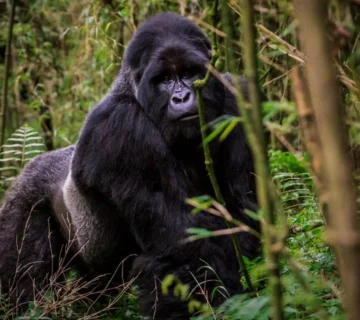
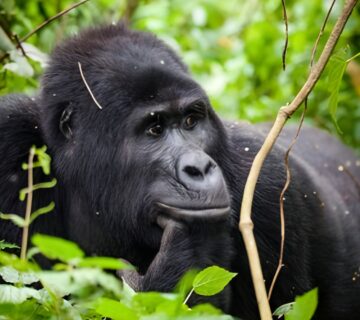
A gorilla permit is an official authorization issued by the Uganda Wildlife Authority that allows a visitor to spend one hour with a habituated mountain gorilla family in its natural habitat.
This experience takes place in protected forests such as Bwindi Impenetrable National Park under strict conservation protocols designed to protect both gorillas and visitors.
The permit is not simply entry into the park. It is a regulated allocation of access to a specific gorilla family on a specific day, managed under a quota system to minimize ecological disturbance.
Each gorilla group is visited by a limited number of tourists per day, ensuring controlled human interaction and reducing stress on the animals.
Why the Permit Costs Around $800
The USD 800 price reflects a combination of conservation funding, operational costs, and strict visitor limitations. Unlike mass tourism attractions, gorilla trekking is intentionally low-volume and high-value.
There are several key cost structures built into this fee:
Conservation and Habitat Protection
A significant portion of the permit fee goes directly into protecting mountain gorilla habitats. This includes forest conservation, anti-poaching patrols, veterinary interventions, and ecosystem monitoring.
Mountain gorillas are a critically endangered species, and their survival depends on continuous protection of their remaining forest habitat.
Wildlife Monitoring and Research
Each gorilla family is continuously monitored by trained researchers and rangers. These teams track health, behavior, movement patterns, and social structure.
The permit helps fund long-term scientific research that ensures gorilla populations remain stable and that any health threats are quickly identified and managed.
Ranger and Guide Operations
Every trekking group is accompanied by trained Uganda Wildlife Authority rangers and professional guides. These teams are responsible for navigation, safety, interpretation, and maintaining strict gorilla viewing protocols.
Their work requires training, salaries, equipment, and continuous field support deep inside forest terrain.
Community Revenue Sharing
A portion of gorilla permit revenue is allocated to surrounding communities living near conservation areas. This helps reduce human-wildlife conflict and provides local economic benefits from tourism.
This community model is critical in maintaining long-term conservation success because it ensures local populations benefit directly from protecting gorillas.
Controlled Tourism System
Unlike open-access wildlife parks, gorilla trekking is strictly limited. Only a fixed number of permits are issued per day per gorilla group.
This limitation increases exclusivity but also raises operational costs because revenue must sustain conservation even with low visitor volume.
What You Actually Experience for the Fee
The gorilla permit covers a highly structured wildlife encounter that typically lasts between 2 and 6 hours in total, depending on gorilla movement and trekking conditions.
The actual face-to-face time with gorillas is limited to one hour.
This hour is strictly regulated to minimize stress on the animals and ensure sustainable interaction between humans and habituated gorilla families.
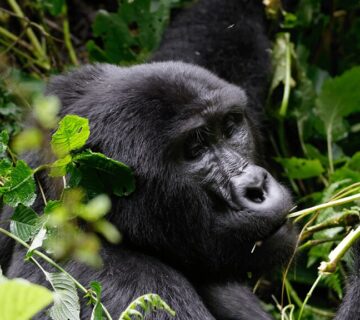
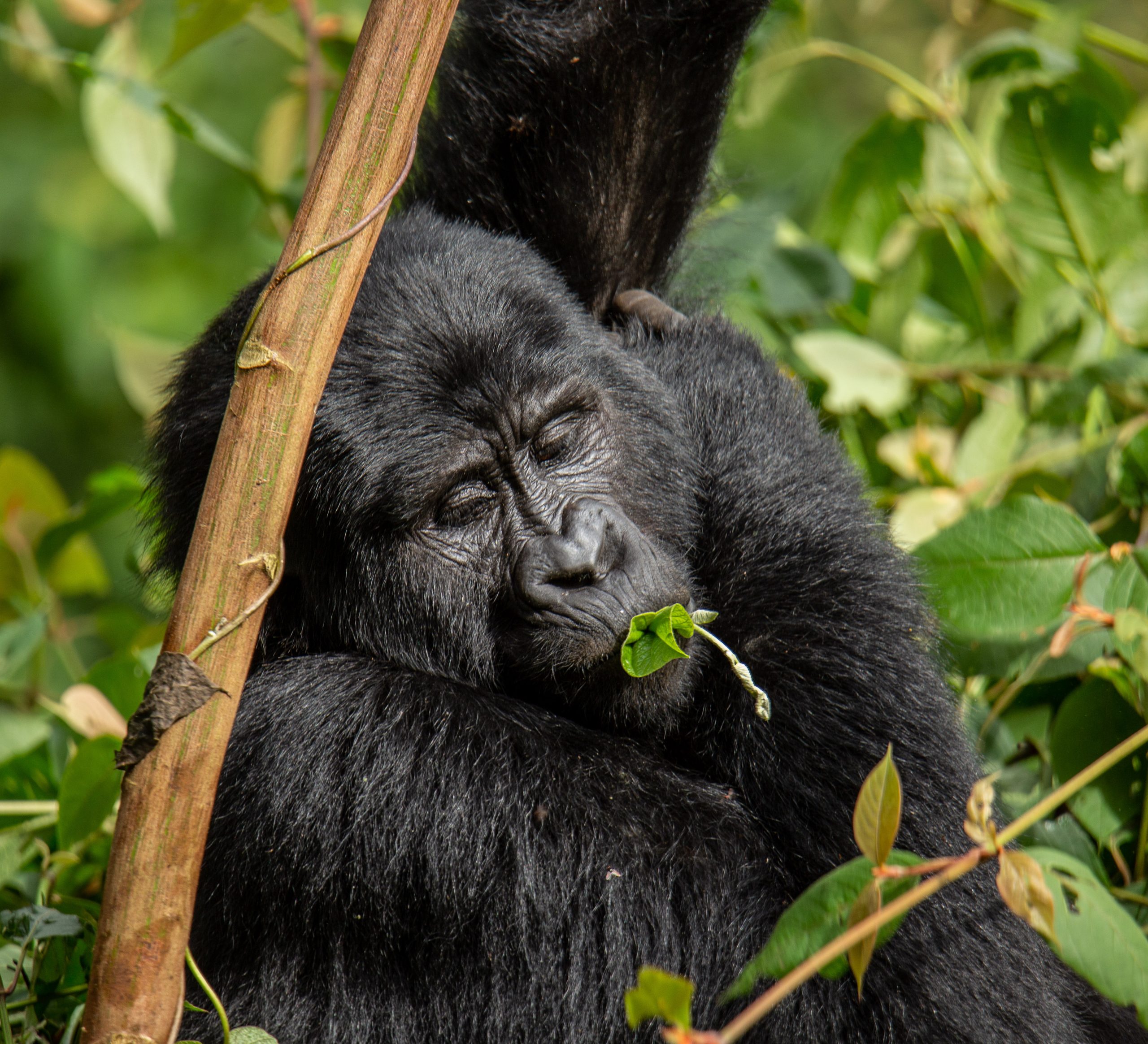
During this time, visitors observe natural behaviors such as feeding, grooming, resting, and social interaction within the group.
The experience takes place in dense forest environments where conditions are natural and unaltered, which adds to both the challenge and authenticity of the encounter.
Why the Experience Is Not Comparable to Standard Safaris
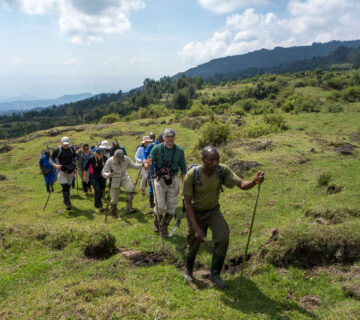
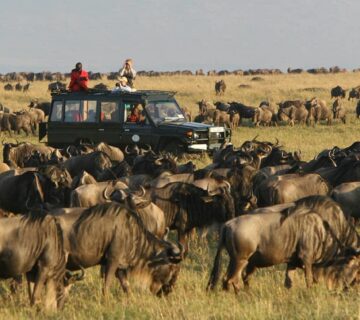
Unlike game drives in savannah ecosystems, gorilla trekking is not a passive viewing experience. It requires physical effort, guided navigation through forest terrain, and controlled proximity to one of the world’s most intelligent primates.
In ecosystems like Bwindi Impenetrable National Park, trekking involves navigating steep slopes, dense vegetation, and variable weather conditions before reaching the gorilla family.
This combination of physical challenge and wildlife proximity is one of the reasons the experience is globally unique.
How Permit Allocation Works
Permits are assigned based on gorilla group availability and trekking sector allocation. Each gorilla family has a limited number of daily visitor slots, typically eight tourists per group per day.
This strict limitation ensures minimal disturbance to gorilla behavior and reduces ecological pressure on the forest environment.
Because of this system, permits are often booked months in advance, especially during peak safari seasons.
Why the Permit Price Is Fixed
The gorilla permit cost is standardized and does not fluctuate based on accommodation level, nationality, or tour operator. This ensures consistency in conservation funding and equal access pricing for all visitors.
Whether a traveler stays in a budget lodge or a luxury eco-lodge, the gorilla experience itself remains identical.
This fixed pricing model ensures that conservation funding remains stable and predictable for long-term wildlife protection.
Is the Permit Worth the Cost?
From a purely experiential perspective, the value of the gorilla permit is not measured in traditional tourism metrics. It is measured in access to one of the rarest wildlife encounters on the planet.
Mountain gorillas are found only in a small region of East and Central Africa, and Uganda is one of the few countries where they can be safely and legally observed in the wild.
The permit supports a conservation system that has contributed to the gradual increase in mountain gorilla populations over recent decades, making it one of the few global conservation success stories.
From a field perspective, the value lies in three dimensions: exclusivity, conservation impact, and controlled immersion in a wild ecosystem.
The Real Cost Structure Behind a Gorilla Safari
While the permit is a fixed cost, it is only one part of a broader safari budget. Additional costs include accommodation, transport, guiding, and park logistics.
However, the permit remains the anchor of the entire experience because it determines access to the primary wildlife encounter.
In most Uganda safari itineraries, the permit is purchased first, and the rest of the itinerary is built around trekking dates and assigned gorilla groups.
Field Reality of the Gorilla Permit System
In practical safari operations, the gorilla permit is not just a ticket but a regulated conservation instrument. It controls visitor flow, funds ecosystem protection, and ensures that tourism does not overwhelm fragile gorilla habitats.
The system is intentionally restrictive because its primary goal is not mass tourism but long-term species survival.
Every permit issued directly contributes to maintaining one of the most carefully managed wildlife conservation programs in Africa.
From a field standpoint, the cost reflects not only access to gorillas but participation in a conservation model that depends on controlled, high-value tourism to sustain itself.
Start Planning Your Next Trip To Africa
If you can picture yourself in one—or several—of these exceptional retreats, the next move is simple. We design fully tailored African safaris that bring these experiences together seamlessly, from private gorilla encounters to luxury lodges in the heart of the wild.
Every detail is carefully planned, so your journey feels effortless from start to finish. Reach out in whichever way suits you best, and let’s begin crafting your safari.
Start Planning