Birding in Uganda: Why It’s Africa’s Top Birding Destination and Where to Go
Uganda is widely regarded as one of the most rewarding birding destinations in Africa, not because of a single iconic species, but because of its exceptional density, diversity, and accessibility of birdlife across a compact geographic area. With over 1,000 recorded bird species—representing roughly half of Africa’s total—Uganda offers a level of avian variety that few countries can match.
What makes birding in Uganda particularly valuable is the overlap of ecosystems within relatively short travel distances. From lowland wetlands and savannahs to montane forests and alpine zones, Uganda compresses multiple habitats into one country, allowing birders to encounter dramatically different species within a single itinerary.
For both serious ornithologists and general wildlife travelers, Uganda provides a structured, high-yield birding experience that integrates seamlessly with broader safari activities.
Why Uganda Stands Out for Birding in Africa
Ecological Convergence of Multiple Biomes
Uganda sits at the intersection of several major ecological zones, including East African savannah, Central African rainforest, and the Albertine Rift highlands. This convergence creates overlapping bird distributions that are rarely found in one country.
Species typical of West African forests, East African plains, and high-altitude montane systems can all be observed within Uganda’s borders. This makes it possible to build species lists quickly without long-distance travel.
High Species Density in Accessible Areas
Unlike some birding destinations where species are widely dispersed, Uganda offers high concentrations of birds in relatively accessible locations. Many key birding sites are located within or near established national parks with good infrastructure and guiding services.
This reduces logistical complexity and increases the efficiency of birding excursions.
Presence of Albertine Rift Endemics
Uganda is one of the best places in the world to see Albertine Rift endemic bird species. These are species found only in this mountainous region, making them highly sought after by serious birders.
The southwestern highlands, in particular, are critical for observing these rare and localized birds.
Key Birding Destinations in Uganda
Bwindi Impenetrable National Park
Bwindi Impenetrable National Park is not only famous for gorilla trekking but also one of the richest forest birding locations in Africa.
Bwindi hosts over 350 bird species, including many Albertine Rift endemics. The dense montane forest provides habitat for species that are rarely found elsewhere.
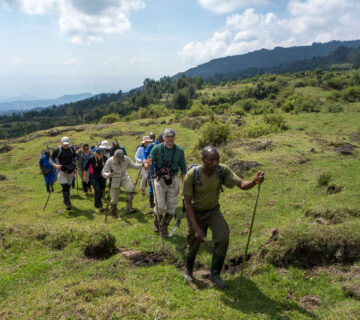
Birding here is typically conducted along forest trails, where sightings require patience, listening skills, and experienced guiding. The environment favors slow, methodical observation rather than fast-paced movement.
Species diversity is high, but visibility can be challenging due to dense vegetation.
Queen Elizabeth National Park
Queen Elizabeth National Park offers a completely different birding environment, dominated by savannah, wetlands, and open water systems.
With over 600 recorded species, this park is one of the most species-rich savannah birding areas in Africa.
The Kazinga Channel is particularly productive, attracting water birds, raptors, and migratory species. Boat safaris here provide excellent birding opportunities with clear visibility and minimal obstruction.
This park allows birders to combine avian observation with classic wildlife safaris, making it one of the most versatile birding locations in Uganda.
Kibale National Park
Kibale National Park is known primarily for chimpanzee tracking but also offers excellent forest birding opportunities.
The park hosts over 375 bird species, including several forest specialists. Birding in Kibale is often conducted along established trails, with a mix of canopy and understory species.
The forest here is slightly more open than Bwindi in some areas, which can improve visibility for certain species.
Murchison Falls National Park
Murchison Falls National Park provides a combination of savannah, riverine, and woodland birding habitats.
The Nile River system creates ideal conditions for water-associated species, while open plains support raptors and ground-dwelling birds.
This park is particularly important for sightings of large and iconic bird species, and it offers a different birding profile compared to forest parks.
Wetland and Lake Systems
Uganda’s wetlands and lake systems, particularly around Lake Victoria and other inland water bodies, are critical for waterbirds and migratory species.
These areas support high bird densities and are often easier for observation due to open landscapes.
Wetland birding is typically less physically demanding and offers consistent sightings throughout the year.
Seasonal Patterns in Uganda Birding
Resident vs Migratory Species
Uganda’s birdlife includes both resident species and migratory birds that arrive seasonally.
Resident species are present year-round, providing consistent birding opportunities regardless of timing.
Migratory species, particularly from Europe and northern regions, are typically present between November and April, increasing overall species diversity during this period.
Breeding Season Advantages
The breeding season often coincides with increased bird activity, including vocalization and display behavior.
This can improve detection rates, as birds are more visible and active during mating periods.
However, increased vegetation during rainy seasons can make visibility more challenging despite higher activity levels.
Birding Techniques and Field Strategy
Importance of Sound Identification
In forest environments such as Bwindi and Kibale, many bird species are detected by sound before they are seen.
Birders rely heavily on call recognition to locate species within dense vegetation.
This makes experienced guides essential, as they can identify species based on subtle vocal cues.
Slow and Methodical Movement
Birding in Uganda is most effective when conducted at a slow pace. Rapid movement reduces the chance of spotting or hearing species.
Guided walks, trail-based observation, and stationary listening points are commonly used strategies.
Early Morning and Late Afternoon Activity
Bird activity peaks during early morning and late afternoon hours. These periods provide the best conditions for both forest and savannah birding.
Midday birding is generally less productive due to reduced activity levels.
Integration With Safari Experiences
One of the strengths of birding in Uganda is its integration with broader safari activities.
Travelers can observe birds during game drives, boat safaris, forest treks, and even lodge-based viewing.
This allows birding to be incorporated into general wildlife itineraries without requiring separate specialized trips.
For dedicated birders, focused itineraries can be designed to maximize species diversity across multiple habitats.
Why Uganda Delivers High Birding Value
Uganda’s value as a birding destination comes from its efficiency. The ability to see a large number of species across varied ecosystems within a relatively short time frame makes it highly productive.
The country’s infrastructure, guiding expertise, and established national park system further enhance this efficiency.
Compared to destinations where birding requires extensive travel between habitats, Uganda offers a concentrated experience with high returns.
Field Reality of Birding in Uganda
In practical terms, birding in Uganda is a balance between diversity and detection. The number of species is exceptionally high, but visibility varies depending on habitat.
Forest birding requires patience and skill, while savannah and wetland birding offer more immediate visual rewards.
The combination of these environments creates a layered birding experience that evolves throughout the safari.
Uganda’s position as Africa’s top birding destination is not based on a single highlight species, but on the cumulative richness and accessibility of its avian ecosystems across the entire country.
Start Planning Your Next Trip To Africa
If you can picture yourself in one—or several—of these exceptional retreats, the next move is simple. We design fully tailored African safaris that bring these experiences together seamlessly, from private gorilla encounters to luxury lodges in the heart of the wild.
Every detail is carefully planned, so your journey feels effortless from start to finish. Reach out in whichever way suits you best, and let’s begin crafting your safari.
Start Planning