Crossing from Rwanda to Bwindi: The Kigali to Bwindi Route Explained
Crossing from Rwanda to Bwindi is one of the most efficient overland access routes to Uganda’s gorilla trekking zones, connecting Kigali directly to the southern sectors of Bwindi Impenetrable National Park. This route has become increasingly important for gorilla trekking logistics because it significantly reduces travel time compared to driving from Entebbe and offers a smoother entry into Uganda’s forest ecosystems through the southwestern border corridor.
Unlike long internal Uganda transfers, the Kigali–Bwindi route is a cross-border safari axis that compresses distance, reduces fatigue, and aligns closely with trekking sectors such as Rushaga and Nkuringo. Understanding this route requires looking at border procedures, driving time realities, sector access logic, and how Rwanda’s road infrastructure integrates with Uganda’s mountain terrain.
Why Kigali Is a Strategic Entry Point for Bwindi
Proximity Advantage Over Entebbe
Kigali, Rwanda’s capital, is geographically much closer to Bwindi than Uganda’s main international gateway in Entebbe. Depending on the specific Bwindi sector, the drive from Kigali can be as short as 3 to 5 hours, compared to 8 to 10+ hours from Entebbe.
This proximity makes Kigali a preferred entry point for travelers focused specifically on gorilla trekking rather than broader Uganda safaris.
Infrastructure Efficiency in Rwanda
Rwanda’s road network is generally smoother and faster compared to Uganda’s western approach routes. This allows for quicker highway-style travel before entering the mountainous border zones leading into Bwindi.
The result is a more predictable travel timeline with fewer long-distance road delays.
Border Crossing Points Between Rwanda and Bwindi
Cyanika Border Post (Most Common Route)
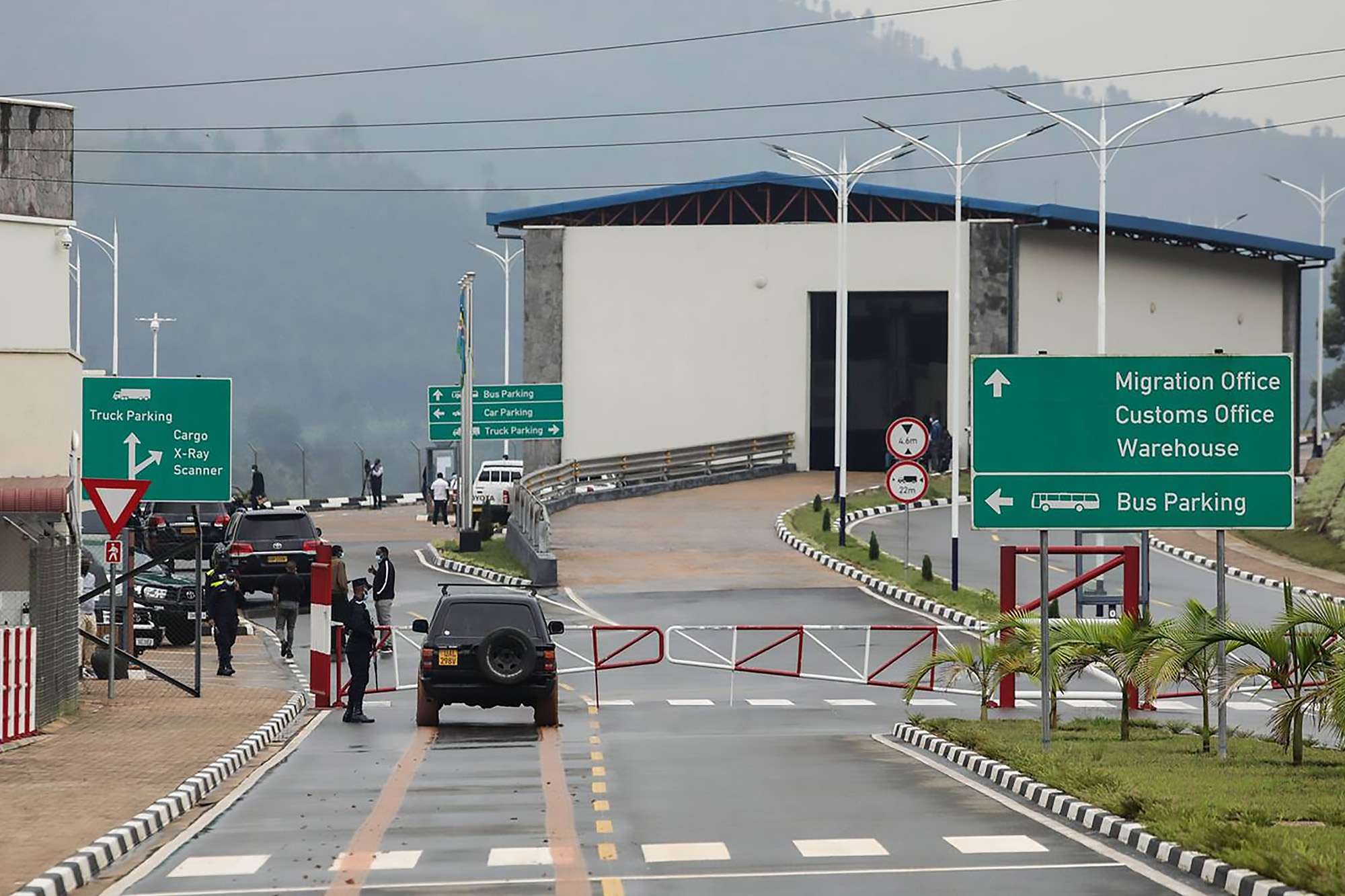
The Cyanika border crossing is the primary gateway for travelers moving from Kigali into southern Bwindi sectors such as Rushaga and Nkuringo. It connects Rwanda’s northern road network to Uganda’s Kisoro district.
This crossing is widely used due to its direct alignment with gorilla trekking zones in southern Bwindi.
Katuna Border Post (Secondary Route)
The Katuna border crossing links Rwanda to Uganda’s Kabale region and is often used for access to Ruhija and northern Bwindi sectors depending on routing strategy.
However, road conditions and construction variations occasionally influence which crossing is faster at a given time.
Driving Time Breakdown Kigali to Bwindi
Kigali to Border Segment
The drive from Kigali to the Rwanda–Uganda border typically takes around 2.5 to 3.5 hours depending on traffic and departure time.
This segment is characterized by smooth paved highways and gradual elevation changes as you approach the northern Rwanda highlands.
Border Processing Time
Crossing between Rwanda and Uganda involves immigration procedures on both sides. Processing time varies but generally ranges from 30 minutes to 1 hour depending on traveler volume.
Visa arrangements must be pre-confirmed or handled via East African tourist visa systems where applicable.
Uganda Side Transfer to Bwindi
Once inside Uganda, the drive to Bwindi depends heavily on the trekking sector:
- Rushaga sector: approximately 1–2 hours
- Nkuringo sector: approximately 1.5–2.5 hours
- Buhoma sector (via longer routing): approximately 4–5 hours
Southern sectors are the most efficiently accessed from Kigali.
Bwindi Sector Access Logic from Rwanda
Rushaga Sector: Fastest Access Point
Rushaga is the most commonly accessed Bwindi sector from Kigali due to its proximity to the Cyanika border. This sector offers relatively direct mountain road access with shorter travel time.
It is a preferred choice for travelers prioritizing efficiency and reduced driving fatigue.
Nkuringo Sector: Ridge-Based Access
Nkuringo is also accessible from Kigali but involves steeper ridge road sections and more winding terrain. It offers more dramatic elevation views and a more remote trekking environment.
Buhoma and Northern Sectors: Less Direct Routing
Northern Bwindi sectors such as Buhoma are less commonly accessed from Kigali due to longer internal Uganda travel distances after crossing the border.
Road Conditions on the Kigali–Bwindi Corridor
Rwanda Segment: Smooth Highway System
The Kigali to border segment is characterized by well-maintained paved roads with consistent driving conditions. This is one of the most efficient road systems in East Africa.
Travel is generally smooth, with minimal disruptions or terrain difficulty.
Border Highlands Transition Zone
As the route approaches the Uganda border, terrain becomes more elevated and slightly more winding. This marks the transition from Rwanda’s structured road network into Uganda’s mountainous southwestern corridor.
Uganda Mountain Road Segment
Once inside Uganda, roads leading to Bwindi become narrower and more variable. This includes winding ascents, forest edge driving, and occasional gravel segments depending on weather conditions.
Why the Kigali Route Is Popular for Gorilla Trekking
Time Compression Advantage
The biggest advantage of the Kigali–Bwindi route is time efficiency. It reduces travel time by nearly half compared to Entebbe-based entry routes.
This is especially valuable for short gorilla trekking itineraries of 2–4 days.
Reduced Physical Fatigue Before Trekking
Shorter travel time means less fatigue before trekking activities in Bwindi Impenetrable Forest. This is important because gorilla trekking involves steep, physically demanding terrain.
Better Sector Alignment for Southern Bwindi
Kigali’s proximity to southern Bwindi sectors makes it strategically ideal for Rushaga and Nkuringo trekking zones.
Immigration and Visa Considerations
East Africa Tourist Visa Option
Travelers using the Kigali–Bwindi route often utilize the East Africa Tourist Visa, which allows multi-country entry between Rwanda, Uganda, and Kenya under a single permit.
This simplifies cross-border movement significantly.
Border Documentation Requirements
Standard requirements include valid passports, visa documentation, and proof of gorilla trekking permits where applicable.
Processing is generally efficient but requires correct pre-travel preparation.
Seasonal Impact on Kigali–Bwindi Travel
Dry Season Efficiency
During dry months, road conditions in Uganda’s southwestern region are more stable, making border-to-Bwindi transfers faster and more predictable.
Rainy Season Terrain Variability
During wet seasons, Uganda’s mountain roads can become slower due to mud and reduced traction, especially in final Bwindi approach sections.
However, the Rwanda segment remains largely unaffected due to its high-quality road infrastructure.
Accommodation Strategy Along the Kigali Route
Kigali Overnight Strategy
Many travelers choose to overnight in Kigali before crossing into Uganda the next morning. This ensures early border arrival and same-day trekking preparation.
Bwindi Entry Lodge Positioning
Once in Uganda, lodge selection is typically aligned with Rushaga or Nkuringo sectors for maximum efficiency.
This reduces final transfer times before gorilla trekking permits are activated.
Comparison: Kigali Route vs Entebbe Route
Kigali Route Advantages
- Shorter overall driving distance
- Faster access to southern Bwindi sectors
- Reduced fatigue before trekking
- Better road infrastructure in initial segment
Entebbe Route Advantages
- Full Uganda overland safari experience
- Access to multiple national parks en route
- Broader itinerary flexibility across western Uganda
Field Reality of the Kigali–Bwindi Route
The Kigali to Bwindi route is not just a border crossing—it is a strategic acceleration corridor into Uganda’s gorilla trekking system. It compresses geography, reduces logistical friction, and aligns directly with high-demand trekking sectors in southern Bwindi.
What makes this route particularly effective is its balance: Rwanda provides smooth, efficient highway travel up to the border, while Uganda delivers immediate access to dense montane rainforest ecosystems shortly after crossing.
For gorilla trekking-focused itineraries, this route functions as the fastest operational entry point into Bwindi Impenetrable National Park without sacrificing access to core gorilla habitats.
Start Planning Your Next Trip To Africa
If you can picture yourself in one—or several—of these exceptional retreats, the next move is simple. We design fully tailored African safaris that bring these experiences together seamlessly, from private gorilla encounters to luxury lodges in the heart of the wild.
Every detail is carefully planned, so your journey feels effortless from start to finish. Reach out in whichever way suits you best, and let’s begin crafting your safari.
Start Planning