Travel Insurance for a Uganda Gorilla Safari: What Your Policy Must Include
Travel insurance for a Uganda gorilla safari is not a generic “nice to have” add-on. It is a core operational requirement that directly affects whether your trip is financially protected, medically covered, and logistically secure once you are deep in remote trekking environments like Bwindi Impenetrable National Park or moving between long safari corridors across western Uganda.
Unlike typical leisure travel insurance, gorilla trekking introduces specific risk categories: high-altitude hiking, remote evacuation scenarios, wildlife-adjacent environments, and expensive non-refundable permits. A standard policy that only covers basic medical emergencies or baggage loss is not sufficient for this type of safari.
Understanding what your insurance must include requires breaking down the actual risks on the ground and matching them to policy coverage in a practical way.
Why Standard Travel Insurance Is Not Enough for Gorilla Trekking
Most basic travel insurance policies are designed for urban tourism, short-haul flights, and hotel-based holidays. A gorilla safari is fundamentally different because it involves:
- Remote forest trekking in steep terrain
- Limited immediate medical access
- High-value prepaid permits that are non-refundable
- Road-based transfers over long distances
- Wildlife proximity in controlled but natural environments
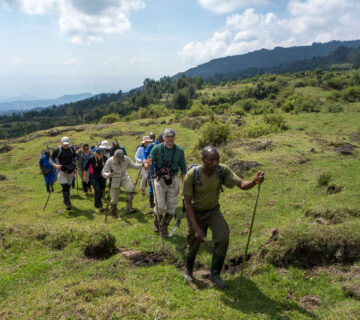
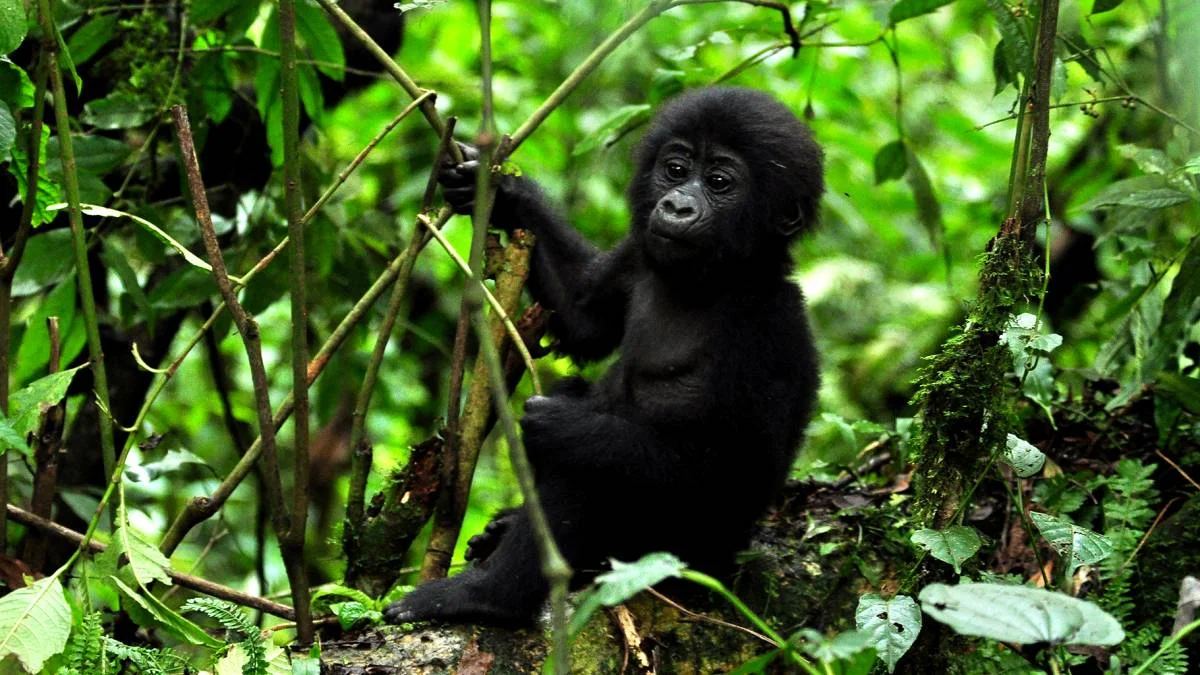
In Bwindi Impenetrable Forest, for example, gorilla trekking can take several hours in steep, muddy terrain at high altitude. If an incident occurs, evacuation is not immediate and may require coordination through park rangers and specialized transport.
This makes medical evacuation coverage and activity inclusion clauses essential.
Medical Coverage Must Be High Enough for Remote Evacuation
Emergency Medical Treatment
Your policy must include substantial emergency medical coverage. In safari environments, even minor injuries can become logistically complex because treatment often begins in remote areas and continues through private clinics or evacuation systems.
The key requirement is not just coverage, but sufficient limits to handle emergency stabilization, transport, and treatment escalation.
Medical Evacuation from Remote Parks
One of the most important elements is emergency evacuation coverage from remote locations. In gorilla trekking zones, evacuation may involve transfer from forest terrain to regional medical facilities before reaching a major hospital.
Without evacuation coverage, you may be responsible for significant out-of-pocket costs if transport from forest regions is required.
Coverage for High-Risk Activities Including Gorilla Trekking
Why Activity Classification Matters
Many standard travel insurance policies exclude “high-risk activities” unless explicitly added. Gorilla trekking falls into a gray category because it involves hiking in wild terrain rather than passive sightseeing.
Your policy must explicitly include trekking or hiking in mountainous or forest environments without exclusion clauses that void coverage in protected parks.
What to Look for in Policy Language
The wording should clearly include coverage for guided trekking activities in natural environments. If the policy excludes “mountaineering,” “remote trekking,” or “wildlife environments,” it may not be suitable for gorilla safari conditions.
Gorilla Permit Protection and Trip Cancellation Coverage
Why Gorilla Permits Are Financially Critical
Gorilla trekking permits in Uganda are expensive and strictly non-refundable once issued. If your trip is canceled due to illness, travel disruption, or unforeseen circumstances, you risk losing the full permit value.
Insurance must therefore include strong trip cancellation and interruption coverage that specifically accounts for pre-paid safari components.
What Should Be Covered
A suitable policy should include reimbursement for:
- Gorilla trekking permits
- Chimpanzee trekking permits in areas like Kibale
- Non-refundable lodge bookings
- Pre-paid safari transport arrangements
Without this, the most expensive parts of your safari may not be protected.
Road Transfer and Accident Coverage
Long-Distance Safari Driving Risks
Uganda safaris involve long road transfers between destinations such as Entebbe, Queen Elizabeth National Park, and Bwindi. These journeys can last several hours and pass through varying road conditions.
Your insurance must include coverage for road travel accidents, including medical treatment and evacuation if required.
Driver and Vehicle Responsibility Limits
Even when traveling with professional safari operators, insurance is still essential because third-party liability does not always fully cover international visitor medical needs.
Personal Belongings and Equipment Protection
Camera and Electronics Coverage
Gorilla safaris often involve expensive photography equipment, binoculars, and electronics used in field conditions. Insurance should cover loss, theft, or damage to these items, especially during transit or lodge stays.
Luggage Delays and Loss
Given the multi-leg nature of safari travel, luggage delays are common during international flights and internal transfers. Insurance should include compensation for essential items if baggage is delayed.
Emergency Evacuation: The Most Important Clause
Why It Is Critical in Uganda’s Terrain
Remote parks like Bwindi Impenetrable National Park are not directly connected to large hospitals. If a serious medical issue arises, evacuation may involve multiple stages: forest extraction, road transfer, and hospital admission.
Without evacuation coverage, these logistics can become extremely costly.
Air vs Road Evacuation
Some policies include air evacuation (medevac) coverage, which may be activated in severe emergencies. Others rely on road-based transport only. For gorilla trekking, higher-level evacuation coverage is strongly recommended.
COVID-19 and Infectious Disease Coverage
Why It Still Matters
Although global travel restrictions have eased, some insurers still include coverage for trip disruption due to infectious disease. This can include quarantine requirements, medical treatment, or itinerary changes.
In safari contexts, this is less about pandemics and more about ensuring flexibility if health conditions affect remote travel plans.
Policy Validity in East Africa
Regional Coverage Requirement
If your safari includes multiple countries such as Uganda, Rwanda, or Kenya, your insurance must explicitly cover all destinations in your itinerary.
This is particularly important for travelers crossing borders between Rwanda and Uganda for combined gorilla trekking circuits.
What Most Travelers Overlook
Altitude and Physical Strain Coverage
Gorilla trekking involves sustained hiking at altitude. Some policies exclude injuries related to strenuous physical activity unless explicitly included.
This is a critical detail often missed in standard travel insurance comparisons.
Activity Under Supervised Guides
Your policy should ideally recognize that trekking is conducted under licensed guides and park rangers. This strengthens coverage eligibility in case of claims.
Real-World Insurance Needs on Safari
In practice, the most important insurance elements for a Uganda gorilla safari are not minor benefits—they are structural protections that determine how emergencies are handled in remote environments.
Medical evacuation, high-value trip cancellation protection, and activity inclusion for trekking are the three pillars that matter most. Without them, even a well-planned safari can become financially exposed if unexpected events occur.
Final Coverage Checklist Logic
A suitable Uganda gorilla safari insurance policy is one that reflects the actual travel environment: remote forests, long road transfers, high-value permits, and physically demanding trekking conditions.
The correct policy is not the cheapest or most general option. It is the one designed for remote adventure travel in East Africa’s protected wildlife zones, where logistics are complex and access to medical infrastructure is not immediate.
Start Planning Your Next Trip To Africa
If you can picture yourself in one—or several—of these exceptional retreats, the next move is simple. We design fully tailored African safaris that bring these experiences together seamlessly, from private gorilla encounters to luxury lodges in the heart of the wild.
Every detail is carefully planned, so your journey feels effortless from start to finish. Reach out in whichever way suits you best, and let’s begin crafting your safari.
Start Planning