The Role of Tourism in Protecting Bwindi

The Role of Tourism in Protecting Bwindi

The Role of Tourism in Protecting Bwindi: How Your Visit Funds the Forest

Tourism is not an external activity added onto conservation in Uganda—it is one of the central systems that keeps protected areas functioning. Nowhere is this more visible than in Bwindi Impenetrable National Park, home to mountain gorillas and one of the most tightly managed rainforest ecosystems in Africa.

Every gorilla trek, park entry fee, and lodge stay contributes directly or indirectly to the protection of the forest. What many visitors experience as a once-in-a-lifetime wildlife encounter is also part of a structured funding model that supports ranger operations, habitat protection, veterinary care, and community development.

Understanding how tourism revenue flows through this system explains why Bwindi has not only survived but become one of the most successful conservation landscapes in the world.

Why Bwindi Needs Tourism to Function as a Protected Ecosystem

High-Pressure Environment Surrounded by Human Settlement

Bwindi is not an isolated wilderness. It is a dense forest surrounded by some of the highest rural population densities in Uganda. This creates constant pressure on land, firewood, agriculture, and natural resources.

Without a financial system that makes conservation economically valuable, long-term protection would be extremely difficult.

Tourism creates that economic incentive by turning the forest into a high-value conservation asset rather than an open-access resource.

Conservation Costs Are Continuous and Expensive

Protecting gorillas and their habitat is not a one-time investment. It requires daily ranger patrols, monitoring systems, infrastructure maintenance, veterinary readiness, and enforcement operations.

These systems depend on stable funding streams, much of which is generated through tourism activity in and around the park.

Gorilla Permits as the Core Funding Mechanism

How Permit Revenue Works

The most direct contribution visitors make is through gorilla trekking permits.

When a visitor enters Bwindi, the permit fee is distributed across multiple conservation functions, including park management, ranger salaries, monitoring programs, and community initiatives.

Because permits are limited in number, they create a controlled tourism model that prevents overuse of gorilla habitats while generating high-value conservation funding.

Why Limited Visitor Numbers Matter

Only a small number of permits are issued per gorilla family per day. This ensures minimal disturbance to gorilla behavior while maintaining consistent revenue per visitor.

This “low volume, high value” system is central to how Bwindi remains both protected and financially sustainable.

How Tourism Funds Ranger Protection Systems

Daily Patrol Operations

A significant portion of tourism revenue supports ranger teams who conduct daily forest patrols.

These patrols are responsible for detecting illegal activity, removing snares, monitoring gorilla groups, and maintaining ecological stability.

Without consistent funding, these operations would not be sustainable at the required scale.

Monitoring and Research

Tourism also supports long-term monitoring programs that track gorilla health, movement patterns, and population dynamics.

This data is essential for understanding how groups are evolving and where intervention may be needed.

Veterinary Care and Emergency Intervention

Gorilla Health Monitoring Programs

Mountain gorillas are closely monitored by specialized veterinary teams who respond to injury or illness when necessary.

These interventions are carefully managed to minimize human contact while ensuring survival of vulnerable individuals.

Tourism revenue helps fund these highly specialized operations, which are critical for population stability.

Disease Prevention Systems

Because gorillas are genetically close to humans, disease transmission is a major risk.

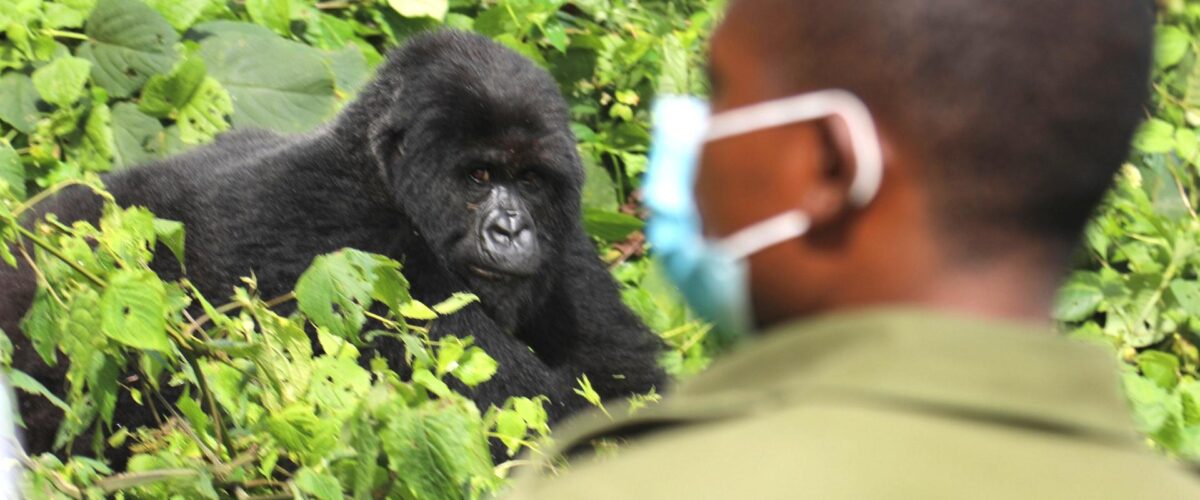
Tourism funds enforcement of strict guidelines such as visitor distancing, health screening, and controlled group sizes.

These measures reduce the risk of respiratory and other human-borne diseases entering gorilla populations.

Community Revenue Sharing Around Bwindi

Direct Financial Redistribution

A portion of tourism income is shared with communities living around Bwindi Impenetrable National Park.

This is a key conservation strategy because it links local livelihoods to the survival of the forest.

Communities receive funding for infrastructure, education, and development projects that reduce pressure on park resources.

Reducing Dependence on Forest Resources

Historically, communities around Bwindi relied heavily on forest extraction for fuel, construction, and subsistence.

Tourism revenue creates alternative income pathways that reduce dependence on protected forest areas.

This shift is one of the most important long-term conservation outcomes.

Employment Generated by Tourism

Direct Jobs in Conservation and Hospitality

Tourism supports a wide range of employment opportunities, including rangers, guides, trackers, lodge staff, porters, and park administrators.

These jobs create a local workforce that has a direct stake in protecting Bwindi.

Indirect Economic Benefits

Beyond direct employment, tourism supports supply chains including food production, transport services, craft markets, and construction.

This wider economic ecosystem strengthens regional stability around the park.

Infrastructure Development Supported by Tourism

Roads and Access Routes

Although Bwindi remains remote, tourism has driven improvements in access roads and transportation routes.

These upgrades are essential for both visitor access and emergency conservation response.

Park Facilities and Operations Centers

Tourism revenue also supports ranger stations, briefing centers, and monitoring outposts within and around the park.

These facilities improve coordination of conservation operations across the forest.

Why Bwindi Uses a High-Value Tourism Model

Controlling Environmental Impact

Bwindi is a fragile ecosystem. Too many visitors would increase stress on gorilla groups and degrade forest conditions.

By maintaining high permit value and low visitor numbers, the park balances economic benefit with ecological protection.

Ensuring Long-Term Sustainability

The high-value model ensures that conservation funding remains stable even with limited visitor volume.

This reduces dependence on mass tourism and protects the integrity of the forest experience.

The Visitor’s Role in Conservation Outcomes

Direct Contribution Through Permits

Every gorilla trekking permit purchased directly contributes to conservation operations inside Bwindi.

This includes funding for ranger patrols, monitoring programs, and veterinary support.

Indirect Contribution Through Accommodation and Services

Lodge stays, transport services, and guiding also contribute to the broader tourism economy that supports conservation.

Even spending outside the park boundaries has a ripple effect on regional conservation funding.

Why Tourism Is More Effective Than External Aid Alone

Self-Sustaining Conservation Model

Unlike conservation systems that rely purely on external funding, Bwindi’s model is partially self-sustaining through tourism.

This reduces vulnerability to funding fluctuations and political changes.

Aligning Economic Value With Conservation Value

Tourism creates a direct link between wildlife survival and economic benefit.

When gorillas are protected, tourism remains viable. When tourism remains viable, funding for protection continues.

This alignment is one of the strongest drivers of long-term conservation success.

Field Reality of Conservation Tourism in Bwindi

In practical terms, Bwindi operates as a tightly managed conservation economy.

Visitors are not just observers of wildlife—they are participants in a funding system that maintains one of the most important rainforest ecosystems in Africa.

The presence of mountain gorillas today is directly tied to this structure. Without tourism revenue, the scale of protection currently in place would be extremely difficult to sustain.

What appears to be a single wildlife experience is, in reality, part of a continuous conservation loop where ecological protection and tourism economics reinforce each other.
How Uganda’s Mountain Gorilla Population Grew

How Uganda’s Mountain Gorilla Population Grew

How Uganda’s Mountain Gorilla Population Grew from 620 to Over 1,000: The Conservation Story

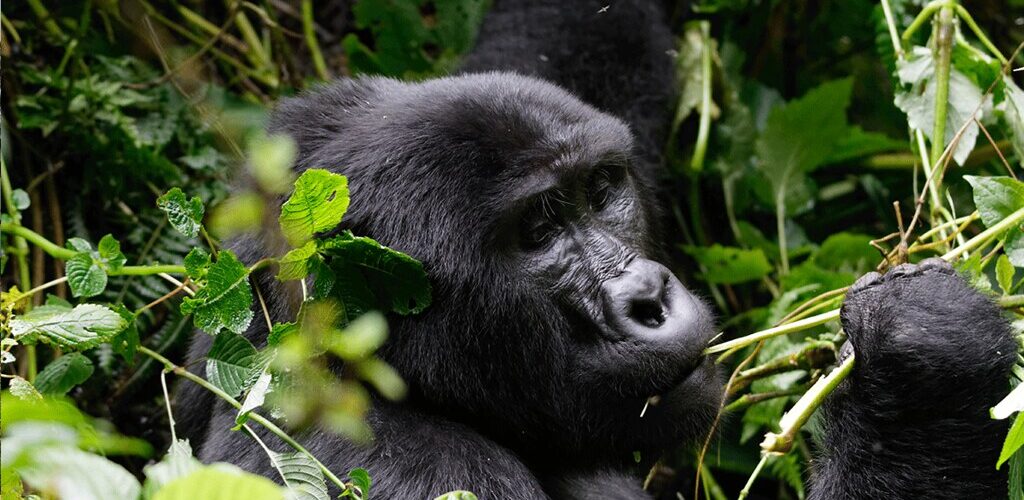
The growth of Uganda’s mountain gorilla population is one of the most significant conservation recoveries in modern wildlife history. From a critically endangered population estimated at around 620 individuals in the late 1980s and early 1990s, mountain gorillas now number over 1,000 across the transboundary forests of Uganda, Rwanda, and the Democratic Republic of Congo.

A large proportion of this recovery is linked to strong protection efforts in Uganda’s two key gorilla habitats: Bwindi Impenetrable National Park and Mgahinga Gorilla National Park. These ecosystems form part of the larger Virunga and Bwindi-Sarambwe forest blocks, which are the only remaining habitats for mountain gorillas in the wild.

This population increase is not accidental. It is the result of coordinated conservation policy, anti-poaching enforcement, community engagement, disease management, and carefully controlled tourism revenue systems.

The Starting Point: A Population Under Extreme Pressure

Fragmented Habitat and Human Encroachment

By the late 20th century, mountain gorillas were restricted to small, isolated forest blocks surrounded by dense human settlement. Agricultural expansion, logging, and population pressure had significantly reduced available habitat.

In Uganda, Bwindi Impenetrable Forest had already become a critical refuge, but even this protected area faced edge encroachment and resource extraction pressure.

The result was a fragmented population under continuous ecological stress.

Poaching and Illegal Wildlife Trade

Although mountain gorillas were not heavily targeted for meat consumption, they were affected by snares set for other animals. Infants were also occasionally captured for illegal trade, often with fatal consequences for group structure.

Adult gorillas were sometimes killed during human-wildlife conflict or accidental encounters with poachers.

This indirect pressure significantly affected population stability.

The Conservation Shift: Establishing Strong Protected Areas

Creation of Bwindi Impenetrable National Park

The formal designation of Bwindi as a national park marked a turning point. Previously a forest reserve with multiple use pressures, it was upgraded to strict protection status.

Bwindi Impenetrable National Park became one of the most important strongholds for mountain gorillas globally.

This shift limited human activity inside the forest and established controlled access zones for conservation and tourism.

Mgahinga Gorilla National Park Protection

Mgahinga Gorilla National Park, though smaller, plays a critical role in protecting part of the Virunga gorilla population.

Its integration into a transboundary conservation system with Rwanda and the DRC helped create ecological continuity across mountain ranges.

Anti-Poaching and Ranger-Based Protection

Expansion of Ranger Networks

One of the most effective conservation tools has been the expansion of trained ranger units operating within gorilla habitats.

These teams conduct regular patrols, remove snares, monitor gorilla groups, and track illegal activity.

Continuous presence in the forest significantly reduced poaching incidents over time.

Intelligence-Led Conservation

Modern anti-poaching systems also rely on intelligence gathering from local communities, informants, and ecological monitoring data.

This approach allows rangers to anticipate illegal activity rather than simply respond to it.

Over time, this reduced mortality from indirect threats such as snares.

Veterinary Intervention and Gorilla Health Management

The Gorilla Doctor Program

A key innovation in gorilla conservation has been the introduction of dedicated veterinary teams that monitor and treat gorilla groups when necessary.

These interventions are carefully controlled to minimize human contact while addressing injuries or illness.

This has improved survival rates, especially for younger and vulnerable individuals.

Disease Prevention Measures

Mountain gorillas share close genetic similarity with humans, making them vulnerable to human-transmitted diseases.

Strict tourism protocols were introduced, including distance regulations, visitor limits, and health screening for trekkers.

These measures significantly reduced disease transmission risk.

Controlled Tourism and Revenue Reinvestment

Gorilla Trekking Permit System

Uganda implemented a high-value, low-volume tourism model centered on gorilla trekking permits.

This system ensures that only a limited number of visitors access each gorilla group daily, reducing environmental pressure.

Revenue from permits is reinvested directly into conservation and community programs.

Sustainable Tourism Model

Tourism became a financial incentive for conservation. The presence of gorillas generates income for park management, local communities, and national conservation agencies.

This shifted gorillas from a vulnerable resource to a valuable long-term economic asset.

Community Involvement in Conservation

Buffer Zone Development

Communities surrounding gorilla habitats were engaged through buffer zone programs that reduce dependence on forest resources.

Alternative livelihood projects, education initiatives, and infrastructure development helped reduce pressure on protected areas.

Benefit-Sharing Programs

A portion of tourism revenue is shared with local communities living near gorilla parks.

This creates a direct financial link between gorilla survival and community well-being.

As a result, local support for conservation has increased significantly over time.

Ecological Stability and Habitat Protection

Forest Regeneration and Protection

Long-term protection has allowed forest ecosystems to regenerate in areas previously degraded by human activity.

This has improved habitat quality for gorillas and other species within Bwindi and Mgahinga.

Stable forest cover supports feeding behavior, nesting, and group movement patterns.

Reduced Fragmentation Pressure

Conservation efforts have also focused on maintaining ecological corridors between gorilla groups.

This reduces isolation and supports genetic diversity across populations.

The Role of International Collaboration

Mountain gorilla conservation is not limited to Uganda. It is part of a tri-national system involving Uganda, Rwanda, and the Democratic Republic of Congo.

This cross-border cooperation allows for coordinated monitoring, shared research, and unified protection strategies across the entire habitat range.

Without this collaboration, population recovery would have been significantly slower.

Why Population Growth Matters Beyond Numbers

Genetic Stability

A growing population reduces the risk of inbreeding and genetic bottlenecks, which are critical threats for small populations.

Increased numbers improve long-term resilience and adaptability.

Behavioral Continuity

Stable populations allow gorilla groups to maintain social structures over generations.

This is important for learning behavior, group leadership, and survival strategies.

Ecosystem Balance

Mountain gorillas play a key ecological role in forest regeneration through seed dispersal and vegetation management.

Their recovery supports broader biodiversity within the forest ecosystem.

Current Conservation Status

Mountain gorillas are no longer classified as “critically endangered” but remain “endangered” due to their limited habitat range.

This means that while population recovery is a major success, the species is still vulnerable to habitat loss, disease, and human pressure.

Continued protection remains essential to sustain gains made over the past decades.

Conservation Story

In practical terms, the increase from roughly 620 to over 1,000 individuals represents one of the few global examples of a large mammal moving away from extinction risk through structured conservation.

This success is not based on a single intervention but on layered systems: enforcement, tourism, veterinary care, and community engagement working together over time.

The presence of habituated gorilla groups in Bwindi Impenetrable National Park today is the direct result of this long-term system functioning consistently.

It is a conservation model that continues to evolve, but its foundation is already clear: sustained protection combined with economic value can reverse population decline even for highly vulnerable species.

How to Extend Your Uganda Safari with a Gorge Walk

How to Extend Your Uganda Safari with a Gorge Walk

How to Extend Your Uganda Safari with a Gorge Walk, Waterfall Hike or Lake Visit

A Uganda safari is often planned around headline experiences such as gorilla trekking in Bwindi Impenetrable National Park, chimpanzee tracking in Kibale National Park, and game drives in Queen Elizabeth National Park. However, what many first-time travellers miss is that Uganda’s value does not end with these flagship activities. Between and around them lies a network of gorge walks, waterfall hikes, crater lakes, and forest-edge lakes that can transform a standard itinerary into a far more immersive ecological journey.

These add-on experiences are not filler activities. They are often the most informative parts of a safari, offering insight into geology, hydrology, forest ecology, and human-wildlife interaction in ways that game drives alone cannot provide.

Why Add Short Experiences to a Safari Itinerary

Uganda is geographically layered. Long driving routes between parks pass through escarpments, volcanic fields, river valleys, and rural agricultural landscapes. Without intentional stops, much of this environmental diversity is simply passed through.

Adding structured short excursions achieves three things: it breaks up long travel days, deepens ecological understanding, and introduces slower-paced moments between high-intensity wildlife activities like gorilla trekking.

It also reduces travel fatigue, which is a common issue on multi-park itineraries that involve several long transfers.

Gorge Walks: Walking Through Living Geological Corridors

The Kyambura Gorge Experience

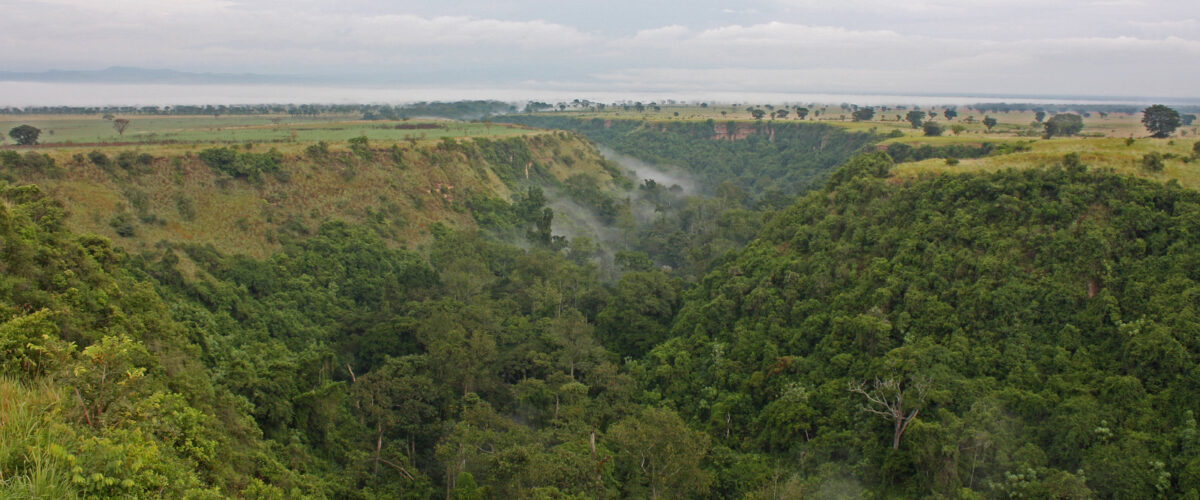
One of the most accessible gorge walks is in Kyambura Gorge, a dramatic forested ravine within Queen Elizabeth National Park.

From the savannah above, the landscape appears flat and open. But descending into the gorge reveals a completely different ecosystem—dense tropical forest, steep walls, and a humid microclimate that feels geographically detached from the surrounding plains.

This is also where chimpanzee tracking takes place, but even without primate sightings, the walk itself is significant. It illustrates how forest “islands” can exist inside savannah systems, shaped by water erosion and long-term ecological isolation.

What Makes Gorge Walks Valuable

Gorge walks are less about wildlife density and more about environmental contrast. You move from grassland to closed canopy forest within minutes, observing shifts in vegetation, humidity, and sound.

Birdlife changes rapidly, and forest primates or smaller mammals may occasionally appear, but the primary experience is structural rather than purely wildlife-based.

It is one of the clearest demonstrations of ecological layering in Uganda’s safari system.

Waterfall Hikes: Energy, Terrain, and River Systems

Murchison Falls National Park

One of the most powerful waterfall experiences in Uganda is found in Murchison Falls National Park, where the Nile River is forced through a narrow 7-meter gorge before dropping into a turbulent plunge below.

The hike to viewpoints around the falls offers a combination of river soundscapes, mist-heavy air, and high-energy water movement.

Unlike passive viewing from a distance, walking sections around the falls introduces a physical dimension to the safari, with climbing paths, lookout points, and riverbank trails.

Why Waterfall Hikes Matter in a Safari Context

Waterfall hikes provide a different type of wildlife context. Instead of large mammals, the focus shifts to hydrological force, geological structure, and micro-ecosystems around riverbanks.

In many cases, animals such as baboons or antelope may be seen along the approach routes, but the central experience is environmental scale rather than species count.

Crater Lakes and Volcanic Landscapes

Fort Portal Region and Crater Lake Systems

Between Kibale and Queen Elizabeth National Parks lies one of Uganda’s most visually striking landscapes: the crater lake region around Fort Portal.

These lakes are formed from ancient volcanic activity, creating circular water bodies surrounded by steep green hills.

They are not single destinations but a network of small ecosystems that can be visited on short excursions between major safari stops.

What You Experience at Crater Lakes

Crater lake visits are slow, reflective experiences compared to game drives. They often involve short walks, viewpoint stops, and interaction with local communities.

The lakes themselves are typically calm and mirror-like, especially in the early morning or late afternoon.

This environment provides a visual reset between forest trekking and savannah driving.

Lake Visits: Wildlife Edges and Human Landscapes

Lake Edward and Lake George System

Within Queen Elizabeth National Park, the lake system connecting Lake Edward and Lake George plays an important ecological role.

These lakes feed into the Kazinga Channel, which supports high concentrations of hippos, birds, and grazing animals along the shoreline.

Even outside boat safaris, shoreline viewpoints provide opportunities to observe the transition between aquatic and terrestrial ecosystems.

Lake Victoria and Entebbe Region

Near Uganda’s entry point, Lake Victoria provides a different type of lake experience. Here, the focus shifts toward fishing communities, birdlife, and shoreline wetlands.

It is less about wildlife density and more about cultural and ecological interface zones where human and natural systems overlap.

How to Integrate These Experiences Into a Safari Itinerary

Between Gorilla Trekking and Game Drives

Gorge walks and crater lake visits work particularly well between major trekking and safari days.

For example, after gorilla trekking in Bwindi Impenetrable National Park, a crater lake stop can break up the journey toward Queen Elizabeth National Park.

This reduces fatigue and introduces visual variety into a long transfer day.

During Transit Days

Many Uganda safari routes involve long road transfers. Instead of treating these as purely logistical, they can be structured with planned stops at waterfalls, viewpoints, or lakes.

This transforms travel days into active exploration days rather than passive driving segments.

Physical Demand and Accessibility Considerations

Most of these add-on experiences are moderately accessible but vary in intensity.

Gorge walks may involve steep descents and uneven terrain. Waterfall hikes can include slippery paths and elevation changes. Crater lake visits are generally easier and more relaxed.

Unlike gorilla trekking, none of these require specialized permits, but they still benefit from proper footwear and moderate fitness awareness.

Why These Experiences Improve Safari Quality

The value of adding these experiences is not measured in wildlife counts but in contextual understanding.

They show how ecosystems connect—how rivers shape valleys, how volcanic activity creates lakes, and how forests exist within savannah systems.

This layered understanding is what differentiates a standard safari from a more complete ecological journey.

Safari Extensions in Uganda

In practical terms, Uganda’s short excursions function as connective tissue between major highlights.

They are not designed to replace gorilla trekking or game drives but to enhance transitions between them.

When used correctly, they reduce travel fatigue, improve itinerary pacing, and provide environmental diversity that many itineraries otherwise miss.

A well-structured safari does not move only from park to park. It moves through landscapes, and these shorter experiences are what make those transitions meaningful rather than purely logistical.

First Time Uganda Safari

First-Time Uganda Safari

First-Time Uganda Safari: The Mistakes Most Travellers Make (and How to Avoid Them)

A first safari in Uganda is rarely just a holiday. It is a logistics-heavy, multi-ecosystem journey that can include rainforest trekking in Bwindi Impenetrable National Park, chimpanzee tracking in Kibale National Park, savannah game drives in Queen Elizabeth National Park, and long-distance road transfers across rugged terrain.

Because of this complexity, first-time travellers often make predictable mistakes that reduce comfort, waste time, or limit wildlife experiences. The good news is that most of these issues are avoidable with correct planning, realistic expectations, and an understanding of how Uganda actually functions as a safari destination.

Underestimating Travel Distances Between Parks

One of the most common mistakes is assuming Uganda operates like a compact safari circuit where parks are close together.

In reality, travel between major destinations is significant. A drive from Entebbe to Bwindi can take most of a day. Kibale to Queen Elizabeth involves several hours of road time. Even shorter distances can feel longer due to road conditions, weather, and terrain changes.

Many first-time travellers plan too many parks in too few days, resulting in rushed itineraries where more time is spent in transit than in wildlife areas.

The practical solution is to reduce the number of destinations and increase nights per park rather than trying to “see everything.”

Treating Gorilla Trekking as a Casual Activity

Gorilla trekking is often misunderstood as a standard wildlife walk. In reality, it is a physically demanding forest expedition requiring endurance, preparation, and flexibility.

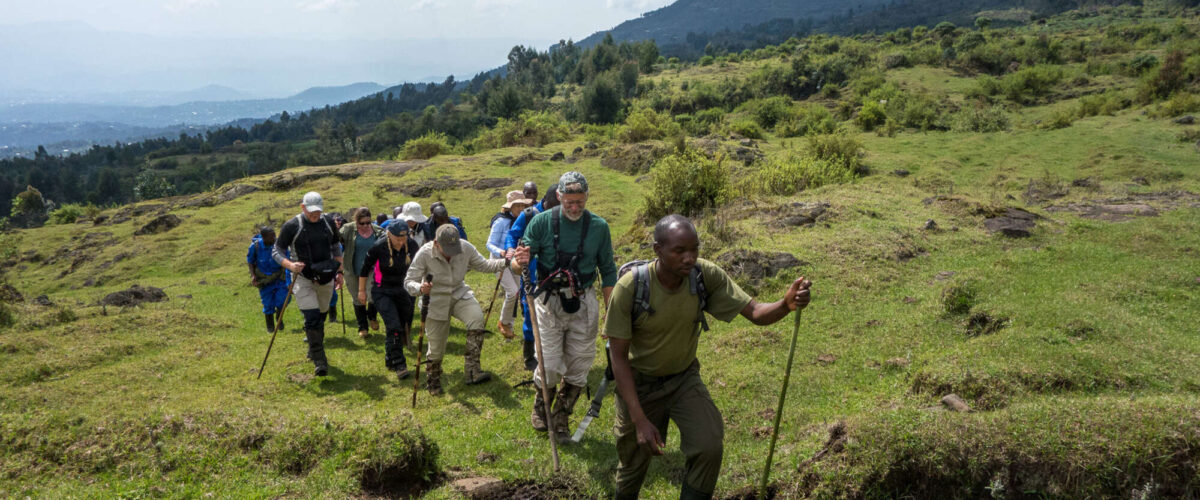
In Bwindi Impenetrable National Park, terrain can be steep, muddy, and densely vegetated. Trek duration is unpredictable and can range from short walks to several hours depending on gorilla movement.

First-time travellers often underestimate the physical effort required, leading to fatigue or discomfort during the experience.

Proper preparation includes good hiking footwear, layered clothing, and realistic fitness expectations. The trek is not designed for speed—it is designed for tracking.

Booking Too Late and Missing Gorilla Permits

Gorilla trekking permits are limited and tightly controlled. In Uganda, permits for Bwindi Impenetrable National Park are allocated daily and can sell out months in advance during peak seasons.

A frequent mistake is booking flights first and safari arrangements later, only to find that preferred trekking dates are unavailable.

This forces itinerary compromises, such as changing travel dates, adjusting park sequences, or switching lodges.

The correct approach is to secure permits first, then build the itinerary around confirmed trekking dates.

Overpacking for the Safari

Many first-time visitors pack as if they are travelling through multiple climate zones simultaneously, which is partially true but still leads to unnecessary weight.

Uganda’s climate is variable but predictable in structure: warm savannah regions, cool highland forests, and humid rainforest zones.

Overpacking creates logistical strain during transfers, especially when moving between parks via road or small aircraft.

The key issue is not clothing variety, but practicality. Layering is more effective than volume.

Expecting Constant “Big Five” Sightings

Another common misconception is that Uganda functions like a high-density savannah safari destination where large mammals are guaranteed in every game drive.

While Uganda does have the Big Five across different locations, sightings are not as concentrated as in some East African plains ecosystems.

For example, lions and elephants are present in Queen Elizabeth and Murchison Falls, but they are not encountered at every turn. Leopards are particularly elusive.

Uganda’s strength lies in diversity rather than density, combining forest primates, savannah wildlife, and wetland species in one country.

Ignoring the Importance of Seasonal Conditions

Uganda’s safari experience changes significantly with rainfall patterns, yet many travellers do not account for seasonal variation when planning.

During wetter periods, roads can become slower, trekking conditions more challenging, and visibility in forest areas slightly reduced.

During drier periods, wildlife viewing in savannah parks improves due to concentrated animal movement near water sources.

However, forest experiences such as gorilla trekking remain possible year-round.

Failing to match travel expectations with seasonal realities can lead to disappointment or inefficient scheduling.

Trying to Combine Too Many Activities in One Day

First-time itineraries often attempt to stack multiple high-effort activities into a single day—such as morning chimpanzee tracking followed by long transfers and evening game drives.

This leads to fatigue and reduces overall experience quality.

Uganda safari experiences are time-intensive. Gorilla trekking, chimpanzee tracking, and long-distance game drives each require dedicated half or full days.

Over-scheduling reduces the ability to fully absorb each environment.

Choosing the Wrong Accommodation Locations

Accommodation placement is critical in Uganda because travel time is a major factor in daily scheduling.

A frequent mistake is staying too far from park entry points, which results in early morning rushes or delayed starts for activities like gorilla trekking.

For example, staying far from Bwindi Impenetrable National Park can add unnecessary driving time before an already physically demanding trek.

Proximity matters more than luxury upgrades when it comes to safari efficiency.

Underestimating Physical Fitness Requirements

Uganda safaris are not purely vehicle-based. Activities such as gorilla trekking and chimpanzee tracking involve hiking through uneven terrain, sometimes at altitude.

First-time travellers often assume a moderate level of fitness is sufficient without preparation.

While extreme fitness is not required, basic endurance, stability, and comfort with walking on uneven ground significantly improve the experience.

Preparation reduces fatigue and allows better focus on wildlife interaction rather than physical strain.

Overlooking the Value of Local Guides

Guides in Uganda are not optional support—they are essential to the entire safari experience.

They interpret animal behavior, navigate terrain, coordinate park logistics, and significantly improve wildlife detection rates.

A common mistake is underestimating their role or selecting experiences based solely on accommodation rather than guiding quality.

Experienced guides can transform a standard safari into a highly productive wildlife journey.

Expecting Urban-Level Convenience in Remote Areas

Many safari destinations in Uganda are located in remote regions where infrastructure is intentionally minimal to preserve ecosystems.

First-time travellers sometimes expect high-speed connectivity, constant electricity, or urban-level service consistency.

While luxury lodges provide strong comfort levels, power systems, water supply, and connectivity may still reflect their remote environments.

Understanding this context improves adaptation and reduces frustration.

Not Allowing Buffer Time Between Key Experiences

Uganda itineraries often fail when travellers schedule back-to-back high-intensity activities without rest periods.

For example, completing a gorilla trek and immediately embarking on a long road transfer can be exhausting.

Buffer days allow recovery, flexibility for weather changes, and better overall pacing.

This is particularly important in itineraries combining multiple parks such as Kibale National Park, Queen Elizabeth National Park, and Bwindi Impenetrable National Park.

Misunderstanding Uganda’s Safari Identity

Perhaps the most fundamental mistake is approaching Uganda with expectations shaped entirely by savannah safari destinations.

Uganda is not a single-type safari country. It is a hybrid destination combining rainforest primates, savannah predators, wetlands, and volcanic landscapes.

This diversity is its defining strength, but it requires a mindset shift.

Those who expect only traditional game drives may underestimate Uganda’s depth, while those who embrace its ecological variety experience a far richer safari.

Field Reality of a First Uganda Safari

In practical terms, a successful first Uganda safari is not defined by how many parks are visited, but by how well each experience is executed.

The country rewards structured pacing, realistic scheduling, and acceptance of variability in wildlife encounters.

When planned correctly, Uganda delivers one of the most diverse safari experiences in Africa, combining gorilla trekking, chimpanzee tracking, and savannah game viewing within a single itinerary.

When poorly planned, it becomes a rushed logistical journey with limited immersion.

The difference lies almost entirely in preparation and expectation management rather than the destination itself.

Uganda and Kenya Combined Safari: Gorillas and the Masai Mara in One Trip A Uganda and Kenya combined safari is one of the most strategically rewarding East African itineraries because it connects two completely different safari ecosystems in a single journey: mountain gorilla rainforest trekking in Uganda and open savannah predator action in Kenya’s Masai Mara  On one side, you have the dense, humid forests of Bwindi Impenetrable National Park, home to mountain gorillas and steep jungle terrain  On the other, you have the vast plains of Masai Mara National Reserve, where lions, cheetahs, elephants, and wildebeest dominate the landscape in wide open visibility  This combination is not just geographically diverse—it is ecologically complementary  It allows travelers to experience two of Africa’s most iconic wildlife encounters in one continuous itinerary without repetition of experience type  Why Combine Uganda and Kenya in One Safari Two Completely Different Safari Worlds Uganda is defined by forest based primate tracking, especially mountain gorillas and chimpanzees, while Kenya is defined by classic savannah game viewing  In Uganda, wildlife encounters are intimate, slow, and physically immersive  In Kenya, they are expansive, visual, and often dramatic over long distances  Combining both creates a full spectrum safari experience: close range forest encounters followed by wide angle predator prey dynamics  Efficient Use of Regional Flight Networks Modern East African aviation makes this combination practical  Flights typically route through hubs such as Nairobi and Entebbe, allowing smooth transitions between countries  This reduces the need for long overland travel and keeps the focus on wildlife experiences rather than logistics  Suggested 10–12 Day Structure Overview A realistic combined itinerary typically runs between 10 and 12 days depending on pace, budget, and number of parks included  The structure is usually divided into two phases: Uganda for primates and Kenya for savannah wildlife  Uganda Segment: Gorilla and Forest Primates Arrival and Transfer Into Gorilla Region Most itineraries begin in Entebbe, Uganda’s main international gateway, followed by a transfer toward Bwindi  Depending on routing, travelers may either drive or use domestic flights to reduce travel time  Gorilla Trekking in Bwindi Impenetrable National Park Bwindi Impenetrable National Park is the centerpiece of Uganda’s safari experience  Gorilla trekking here involves hiking through dense, mountainous rainforest to locate a habituated gorilla family  Once found, visitors spend one hour observing social behavior, feeding patterns, and family interaction  The terrain is steep and forested, making this one of the most physically engaging wildlife experiences in Africa  Optional Chimpanzee Tracking Extension Many itineraries include a stop in Kibale National Park for chimpanzee tracking  This adds a second primate experience with faster paced forest movement, vocal tracking, and canopy level sightings  It creates a clear contrast between gorilla and chimpanzee behavior before moving into savannah ecosystems  Transition From Uganda to Kenya Flight Routing Strategy The most efficient way to transition between countries is via Entebbe to Nairobi flights  Nairobi serves as the main aviation hub for East Africa and connects directly to safari airstrips and domestic routes  This transition is typically structured to minimize downtime and align arrival with Kenya’s safari circuits  Shift in Ecosystems This is where the safari experience changes dramatically  Uganda is forest heavy, humid, and terrain focused  Kenya becomes open, dry, and visibility driven almost immediately upon arrival in safari regions  Kenya Segment: Masai Mara Safari Experience Arrival Into the Savannah System From Nairobi, travelers typically continue by road or light aircraft into the Masai Mara region  Masai Mara National Reserve is part of the greater Serengeti ecosystem and is one of the most wildlife dense savannah environments in Africa  Game Drives and Predator Action The Masai Mara is best known for high concentrations of predators, particularly lions, cheetahs, and hyenas  Game drives here are structured around open plains where wildlife is highly visible and interactions between species are frequent  Unlike Uganda’s forest tracking, the Masai Mara emphasizes distance viewing and large scale animal movement  Seasonal Migration Dynamics During migration periods, the Masai Mara becomes a focal point for massive herds of wildebeest and zebra moving across the ecosystem  This creates dynamic predator prey interactions that are rarely seen at the same scale elsewhere in Africa  Key Differences Between Uganda and Kenya Experiences Viewing Distance and Visibility In Uganda, wildlife is often close but hidden within dense vegetation  In Kenya, wildlife is visible across long distances in open landscapes  This creates two completely different visual experiences within a single itinerary  Physical Effort vs Vehicle Based Viewing Uganda requires physical trekking, especially for gorillas, where hiking is essential to reach wildlife  Kenya is primarily vehicle based, with minimal physical exertion during game drives  Emotional Experience Uganda delivers immersive, quiet, close range encounters with primates  Kenya delivers dramatic, wide angle wildlife scenes often involving predator interactions and large herds  Accommodation Structure Across Both Countries Uganda Lodges In Uganda, lodges near Bwindi Impenetrable National Park and Kibale National Park are typically forest integrated properties designed for proximity to trekking start points  These lodges focus on immersion, tranquility, and early access to park briefing centers  Kenya Safari Camps In Kenya, accommodation in the Masai Mara is often tented safari camps or luxury lodges positioned within or near wildlife corridors  These camps prioritize game drive access, open landscape views, and proximity to predator territories  Logistics and Permit Coordination Gorilla Permit Requirement Uganda requires a pre booked gorilla trekking permit for Bwindi Impenetrable National Park, which is a fixed conservation fee and must be secured in advance  This is one of the most important planning elements in the entire itinerary  Cross Border Coordination Combining Uganda and Kenya requires careful coordination of visas, flights, and park schedules  Timing is particularly important because gorilla trekking dates are fixed and determine the structure of the Uganda segment  Who This Combined Safari Is Best For This itinerary is best suited for travelers who want both primate immersion and classic safari viewing without choosing between them  It is particularly strong for: Wildlife photographers seeking varied environments Travelers on a once in a lifetime Africa trip Visitors wanting both forest and savannah ecosystems Safari enthusiasts looking for contrast in wildlife behavior Why This Combination Works So Well The strength of a Uganda–Kenya safari lies in contrast  Uganda provides depth, intimacy, and physical engagement with primates in dense forest environments  Kenya provides scale, visibility, and dramatic wildlife interactions in open plains  Together, they create a complete ecological narrative that covers both ends of the African safari spectrum  Field Reality of the Combined Itinerary In practical safari planning terms, this combination is highly efficient because it uses regional aviation hubs to avoid unnecessary overland travel  It also ensures that each country is used for its strongest safari offering rather than duplicating similar experiences  Uganda delivers primates and forest immersion  Kenya delivers savannah predators and large scale wildlife movement  The result is a balanced itinerary where every day offers a distinct type of wildlife experience rather than repetition

Uganda and Kenya Combined Safari

Uganda and Kenya Combined Safari: Gorillas and the Masai Mara in One Trip

A Uganda and Kenya combined safari is one of the most strategically rewarding East African itineraries because it connects two completely different safari ecosystems in a single journey: mountain gorilla rainforest trekking in Uganda and open savannah predator action in Kenya’s Masai Mara.

On one side, you have the dense, humid forests of Bwindi Impenetrable National Park, home to mountain gorillas and steep jungle terrain. On the other, you have the vast plains of Masai Mara National Reserve, where lions, cheetahs, elephants, and wildebeest dominate the landscape in wide-open visibility.

This combination is not just geographically diverse—it is ecologically complementary. It allows travelers to experience two of Africa’s most iconic wildlife encounters in one continuous itinerary without repetition of experience type.

Why Combine Uganda and Kenya in One Safari

Two Completely Different Safari Worlds

Uganda is defined by forest-based primate tracking, especially mountain gorillas and chimpanzees, while Kenya is defined by classic savannah game viewing.

In Uganda, wildlife encounters are intimate, slow, and physically immersive. In Kenya, they are expansive, visual, and often dramatic over long distances.

Combining both creates a full spectrum safari experience: close-range forest encounters followed by wide-angle predator-prey dynamics.

Efficient Use of Regional Flight Networks

Modern East African aviation makes this combination practical. Flights typically route through hubs such as Nairobi and Entebbe, allowing smooth transitions between countries.

This reduces the need for long overland travel and keeps the focus on wildlife experiences rather than logistics.

Suggested 10–12 Day Structure Overview

A realistic combined itinerary typically runs between 10 and 12 days depending on pace, budget, and number of parks included.

The structure is usually divided into two phases: Uganda for primates and Kenya for savannah wildlife.

Uganda Segment: Gorilla and Forest Primates

Arrival and Transfer Into Gorilla Region

Most itineraries begin in Entebbe, Uganda’s main international gateway, followed by a transfer toward Bwindi.

Depending on routing, travelers may either drive or use domestic flights to reduce travel time.

Gorilla Trekking in Bwindi Impenetrable National Park

Bwindi Impenetrable National Park is the centerpiece of Uganda’s safari experience.

Gorilla trekking here involves hiking through dense, mountainous rainforest to locate a habituated gorilla family. Once found, visitors spend one hour observing social behavior, feeding patterns, and family interaction.

The terrain is steep and forested, making this one of the most physically engaging wildlife experiences in Africa.

Optional Chimpanzee Tracking Extension

Many itineraries include a stop in Kibale National Park for chimpanzee tracking.

This adds a second primate experience with faster-paced forest movement, vocal tracking, and canopy-level sightings.

It creates a clear contrast between gorilla and chimpanzee behavior before moving into savannah ecosystems.

Transition From Uganda to Kenya

Flight Routing Strategy

The most efficient way to transition between countries is via Entebbe to Nairobi flights. Nairobi serves as the main aviation hub for East Africa and connects directly to safari airstrips and domestic routes.

This transition is typically structured to minimize downtime and align arrival with Kenya’s safari circuits.

Shift in Ecosystems

This is where the safari experience changes dramatically.

Uganda is forest-heavy, humid, and terrain-focused. Kenya becomes open, dry, and visibility-driven almost immediately upon arrival in safari regions.

Kenya Segment: Masai Mara Safari Experience

Arrival Into the Savannah System

From Nairobi, travelers typically continue by road or light aircraft into the Masai Mara region.

Masai Mara National Reserve is part of the greater Serengeti ecosystem and is one of the most wildlife-dense savannah environments in Africa.

Game Drives and Predator Action

The Masai Mara is best known for high concentrations of predators, particularly lions, cheetahs, and hyenas.

Game drives here are structured around open plains where wildlife is highly visible and interactions between species are frequent.

Unlike Uganda’s forest tracking, the Masai Mara emphasizes distance viewing and large-scale animal movement.

Seasonal Migration Dynamics

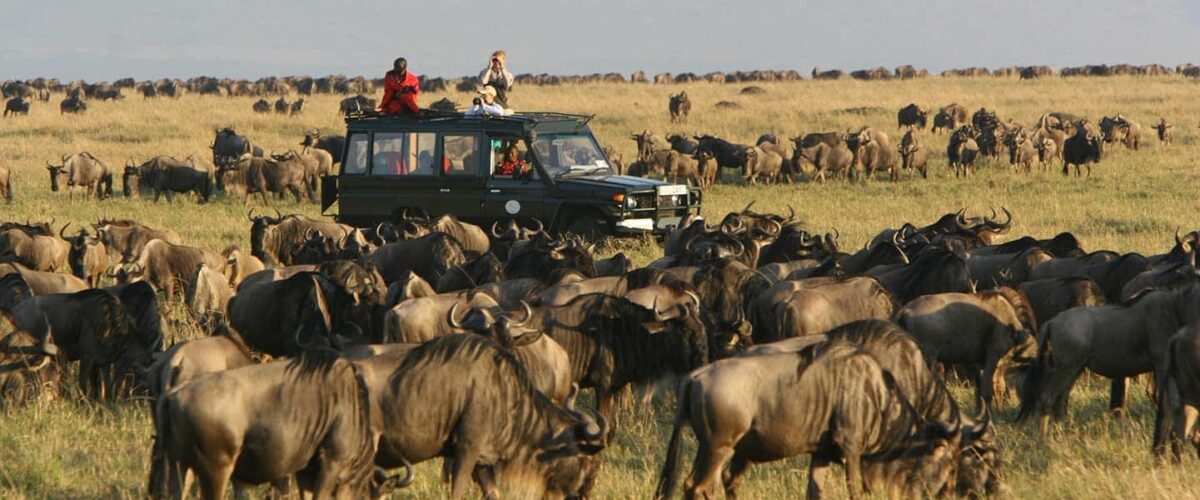
During migration periods, the Masai Mara becomes a focal point for massive herds of wildebeest and zebra moving across the ecosystem.

This creates dynamic predator-prey interactions that are rarely seen at the same scale elsewhere in Africa.

Key Differences Between Uganda and Kenya Experiences

Viewing Distance and Visibility

In Uganda, wildlife is often close but hidden within dense vegetation. In Kenya, wildlife is visible across long distances in open landscapes.

This creates two completely different visual experiences within a single itinerary.

Physical Effort vs Vehicle-Based Viewing

Uganda requires physical trekking, especially for gorillas, where hiking is essential to reach wildlife.

Kenya is primarily vehicle-based, with minimal physical exertion during game drives.

Emotional Experience

Uganda delivers immersive, quiet, close-range encounters with primates.

Kenya delivers dramatic, wide-angle wildlife scenes often involving predator interactions and large herds.

Accommodation Structure Across Both Countries

Uganda Lodges

In Uganda, lodges near Bwindi Impenetrable National Park and Kibale National Park are typically forest-integrated properties designed for proximity to trekking start points.

These lodges focus on immersion, tranquility, and early access to park briefing centers.

Kenya Safari Camps

In Kenya, accommodation in the Masai Mara is often tented safari camps or luxury lodges positioned within or near wildlife corridors.

These camps prioritize game drive access, open landscape views, and proximity to predator territories.

Logistics and Permit Coordination

Gorilla Permit Requirement

Uganda requires a pre-booked gorilla trekking permit for Bwindi Impenetrable National Park, which is a fixed conservation fee and must be secured in advance.

This is one of the most important planning elements in the entire itinerary.

Cross-Border Coordination

Combining Uganda and Kenya requires careful coordination of visas, flights, and park schedules.

Timing is particularly important because gorilla trekking dates are fixed and determine the structure of the Uganda segment.

Who This Combined Safari Is Best For

This itinerary is best suited for travelers who want both primate immersion and classic safari viewing without choosing between them.

It is particularly strong for:

Wildlife photographers seeking varied environments
Travelers on a once-in-a-lifetime Africa trip
Visitors wanting both forest and savannah ecosystems
Safari enthusiasts looking for contrast in wildlife behavior

Why This Combination Works So Well

The strength of a Uganda–Kenya safari lies in contrast.

Uganda provides depth, intimacy, and physical engagement with primates in dense forest environments.

Kenya provides scale, visibility, and dramatic wildlife interactions in open plains.

Together, they create a complete ecological narrative that covers both ends of the African safari spectrum.

Combined Itinerary

In practical safari planning terms, this combination is highly efficient because it uses regional aviation hubs to avoid unnecessary overland travel.

It also ensures that each country is used for its strongest safari offering rather than duplicating similar experiences.

Uganda delivers primates and forest immersion. Kenya delivers savannah predators and large-scale wildlife movement.

The result is a balanced itinerary where every day offers a distinct type of wildlife experience rather than repetition.

Uganda and Rwanda Combined Safari

Uganda and Rwanda Combined Safari

Uganda and Rwanda Combined Safari: The Perfect 10-Day Gorilla Itinerary

A combined Uganda and Rwanda safari is one of the most efficient ways to experience mountain gorillas, chimpanzees, and classic savannah wildlife within a single itinerary. By leveraging Rwanda’s accessibility through Kigali and Uganda’s depth of wildlife experiences, a cross-border safari creates a well-balanced route that minimizes travel fatigue while maximizing ecological variety.

This 10-day structure is designed around logical movement between Kigali, Volcanoes National Park, Bwindi Impenetrable National Park, Queen Elizabeth National Park, and Kibale National Park, ensuring that each destination contributes a distinct layer to the overall experience.

The itinerary is structured to prioritize gorilla trekking while integrating primate tracking, savannah wildlife, and varied landscapes without excessive backtracking.

Day 1: Arrival in Kigali and Immediate Transfer Toward Volcanoes Region

Arrival is through Kigali International Airport, which offers the most efficient entry point for this itinerary. After arrival, the route moves north toward the Volcanoes region.

This first day is primarily logistical but strategically important. Starting in Rwanda reduces the need for long drives from Entebbe to southwestern Uganda.

Depending on arrival time, the afternoon may allow for a short Kigali city orientation before departure.

Day 2: Gorilla Trekking in Volcanoes National Park

Volcanoes National Park provides one of the most accessible gorilla trekking experiences in Africa.

The trek begins early with a briefing from park authorities before entering the forest to track a habituated gorilla family.

Rwanda’s terrain is generally more open compared to Bwindi, and trekking distances can be shorter depending on the assigned group.

The one-hour gorilla viewing experience follows strict conservation rules and offers close-range observation of social behavior, feeding, and interaction.

Day 3: Cross-Border Transfer to Bwindi Impenetrable National Park

The itinerary transitions into Uganda with a cross-border transfer to Bwindi Impenetrable National Park.

This route avoids the long drive from Entebbe and allows for a relatively direct connection between gorilla habitats.

Border crossing logistics are handled with pre-arranged documentation, and the journey provides a gradual shift from Rwanda’s volcanic landscape into Uganda’s dense montane forest.

Arrival in Bwindi is typically in the afternoon, allowing time for rest before the next trek.

Day 4: Gorilla Trekking in Bwindi Impenetrable National Park

Bwindi offers a contrasting gorilla trekking experience compared to Rwanda.

The forest is denser, terrain steeper, and trekking more physically demanding. However, the reward is a deeper sense of immersion in a wild, less structured environment.

Tracking involves navigating thick vegetation, following ranger guidance, and adapting to the movement of the gorilla family.

The one-hour viewing period allows for detailed observation of group dynamics, including dominant silverbacks, juveniles, and maternal behavior.

This second trek provides comparative insight into gorilla behavior across different habitats.

Day 5: Transfer to Queen Elizabeth National Park via Ishasha

The route continues north toward Queen Elizabeth National Park, passing through the Ishasha sector.

This area is known for its tree-climbing lions, which are occasionally seen resting in fig trees along the savannah.

The drive itself becomes part of the safari experience, with opportunities for wildlife sightings en route.

Arrival in Queen Elizabeth is typically in the afternoon, setting up for savannah-based activities.

Day 6: Game Drives and Kazinga Channel Boat Safari

Queen Elizabeth National Park introduces classic East African safari elements.

Morning game drives focus on open plains where species such as elephants, buffalo, and antelope are commonly seen.

In the afternoon, a boat safari along the Kazinga Channel provides close-range encounters with hippos, elephants, and dense birdlife.

This combination of land and water-based experiences creates a contrast to the forest environments of previous days.

Day 7: Transfer to Kibale National Park

The journey continues to Kibale National Park, a key destination for chimpanzee tracking.

The drive passes through crater lakes and transitional landscapes, gradually shifting from savannah to forest ecosystems.

Arrival is typically in the afternoon, allowing time for rest or a short guided walk.

Day 8: Chimpanzee Tracking in Kibale National Park

Chimpanzee tracking in Kibale offers a faster-paced and more dynamic primate experience compared to gorilla trekking.

Tracking relies on vocalizations and movement patterns, with chimpanzees often seen both on the ground and in the canopy.

The experience is characterized by sound, motion, and rapid changes in direction as the group moves through the forest.

This provides a complementary perspective on primate behavior.

Day 9: Return Toward Entebbe or Optional Domestic Flight

The itinerary begins its return phase, either by road or domestic flight.

Road transfers provide a final opportunity to observe Uganda’s rural landscapes and transitional ecosystems.

Flights offer a faster alternative, reducing travel time and allowing for a more relaxed final day.

Day 10: Departure

Departure is typically from Entebbe International Airport, marking the end of a multi-ecosystem safari that has covered both Rwanda and Uganda.

Why This 10-Day Structure Works

This itinerary balances travel efficiency with experience depth.

Starting in Kigali eliminates the need for long initial drives, while the cross-border route maintains forward progression without backtracking.

The combination of Volcanoes National Park and Bwindi Impenetrable National Park provides two distinct gorilla trekking environments.

Queen Elizabeth National Park adds savannah wildlife and water-based experiences, while Kibale National Park introduces chimpanzee tracking.

Each destination contributes a unique ecological and behavioral layer, creating a comprehensive safari experience within a manageable timeframe.

Logistics and Border Considerations

Cross-border travel between Rwanda and Uganda requires proper documentation, including visas and gorilla permits aligned with itinerary dates.

Timing is critical, as permit availability determines trekking days and overall itinerary flow.

Working with experienced operators ensures smooth coordination of permits, transport, and park logistics.

Combined Uganda-Rwanda Safari

In practical terms, a combined safari is one of the most efficient ways to experience East Africa’s primates while still including classic safari elements.

It reduces unnecessary travel distances, improves itinerary flow, and allows for direct comparison between different gorilla habitats and tracking conditions.

The result is a safari that is both logistically efficient and experientially diverse, covering multiple ecosystems within a structured 10-day framework.

How Many Days Do You Really Need for a Uganda Safari?

How Many Days Do You Really Need for a Uganda Safari?

How Many Days Do You Really Need for a Uganda Safari? A Park-by-Park Guide

Uganda is not a single-park safari destination. It is a multi-ecosystem country where rainforest, savannah, wetlands, and mountain terrain are spread across significant distances. The question of how many days you need is not just about ticking off parks—it is about how efficiently you move between them, how much time you spend in each ecosystem, and how deeply you engage with the experiences that define Uganda.

A rushed itinerary often results in long hours on the road and limited wildlife immersion, while a well-paced safari allows each park to deliver its full value. The realistic answer depends on which parks you include and whether your priority is primates, classic game viewing, or a combination of both.

Understanding Uganda’s Travel Reality Before You Plan Days

Uganda’s safari structure is shaped by geography. Key destinations such as Bwindi Impenetrable National Park, Queen Elizabeth National Park, Kibale National Park, and Murchison Falls National Park are not located close to each other in the way some East African circuits are.

Road transfers can take between 5 to 10 hours depending on the route, and even shorter distances can feel longer due to terrain and road conditions. This means that every park you add increases not only activity time but also transit time.

Any realistic safari duration must therefore balance time in the vehicle with time in the field.

Minimum Viable Safari: 3 to 4 Days

Focus: Gorilla Trekking Only

A 3 to 4 day safari is the absolute minimum and is typically centered on gorilla trekking in Bwindi Impenetrable National Park.

Day one involves travel from Entebbe to Bwindi, which is often a full-day journey unless you opt for a domestic flight. Day two is dedicated to the gorilla trek itself. Day three or four is used for the return journey.

This itinerary works if your sole objective is to see mountain gorillas, but it is limited in scope. You will experience one ecosystem and one major activity.

Short Multi-Experience Safari: 5 to 6 Days

Focus: Gorillas + Savannah Wildlife

A 5 to 6 day itinerary allows you to combine gorilla trekking with savannah wildlife viewing, usually in Queen Elizabeth National Park.

This structure typically includes:

Travel from Entebbe to Queen Elizabeth National Park
Game drives and possibly a Kazinga Channel boat safari
Transfer to Bwindi for gorilla trekking
Return journey or domestic flight

This is the shortest itinerary that begins to feel like a complete Uganda safari, combining forest and savannah experiences.

However, it still involves tight scheduling and long travel days.

Balanced Safari: 7 to 8 Days

Focus: Gorillas + Chimpanzees + Savannah

A 7 to 8 day safari is where Uganda begins to reveal its full value.

This duration allows you to include:

Chimpanzee tracking in Kibale National Park
Game drives and boat safari in Queen Elizabeth National Park
Gorilla trekking in Bwindi Impenetrable National Park

The pacing becomes more manageable, with at least two nights in key locations and enough time to experience each ecosystem properly.

This is often considered the ideal minimum duration for a well-rounded Uganda safari.

Comprehensive Safari: 9 to 12 Days

Focus: Full Uganda Circuit

A 9 to 12 day itinerary allows you to include the northern safari circuit alongside the southwestern parks.

This typically includes:

Murchison Falls National Park for game drives and Nile River experiences
Kibale National Park for chimpanzee tracking
Queen Elizabeth National Park for savannah wildlife and boat safari
Bwindi Impenetrable National Park for gorilla trekking

This structure provides a complete cross-section of Uganda’s ecosystems and wildlife.

Travel days are still significant, but the itinerary allows for better spacing and reduced fatigue.

Extended Safari: 12+ Days

Focus: Depth and Flexibility

An extended safari of 12 days or more allows for deeper exploration and flexibility.

You can:

Spend additional nights in each park
Include less-visited areas
Add cultural experiences
Incorporate rest days between long drives

This duration is particularly valuable for photographers, birders, or travelers who want to move at a slower pace.

Park-by-Park Time Requirements

Bwindi Impenetrable National Park

Bwindi requires at least 2 to 3 nights.

One full day is needed for gorilla trekking, and additional time allows for recovery, secondary treks, or community experiences.

Because of its remote location, travel time must also be factored in.

Queen Elizabeth National Park

Queen Elizabeth National Park works best with 2 to 3 nights.

This allows for multiple game drives and a Kazinga Channel boat safari, which together provide a balanced wildlife experience.

Including the Ishasha sector may require additional time due to distance within the park.

Kibale National Park

Kibale typically requires 2 nights.

Chimpanzee tracking is usually done in a half-day session, but additional time allows for forest walks or birding.

The park is often used as a transition point between other destinations.

Murchison Falls National Park

Murchison Falls National Park requires at least 2 to 3 nights.

This allows for game drives, a Nile boat safari, and exploration of the falls themselves.

Because it is located in northern Uganda, it is often combined with Ziwa Rhino Sanctuary for a Big Five itinerary.

The Role of Domestic Flights in Reducing Days

Domestic flights can significantly reduce travel time between parks.

For example, flying between Entebbe and Bwindi or Murchison Falls can save a full day of driving.

This allows you to maintain a shorter itinerary while still covering multiple destinations.

However, flights increase overall cost and may limit flexibility in scheduling.

Why Short Safaris Often Feel Rushed

Short itineraries compress long travel distances into limited timeframes.

This results in:

Early departures and late arrivals
Reduced time in parks
Limited flexibility for wildlife viewing

While it is possible to see key highlights in a short period, the experience can feel more logistical than immersive.

Matching Safari Length to Travel Goals

The number of days you need depends on your priorities.

If your focus is purely gorillas, a short itinerary is sufficient.

If you want a broader wildlife experience including chimpanzees and savannah species, you need at least a week.

If you want to experience Uganda as a complete safari destination, including multiple ecosystems and regions, you need 9 to 12 days or more.

Safari Duration in Uganda

In practical terms, Uganda rewards time. The more days you allocate, the more the experience shifts from transit-heavy to experience-rich.

Unlike destinations where wildlife is concentrated in a single ecosystem, Uganda’s strength lies in its diversity, which requires movement between regions.

A well-planned safari is not about visiting as many parks as possible, but about allowing each park enough time to deliver its unique experience.

The ideal duration is therefore not fixed—it is determined by how much of Uganda’s ecological range you want to experience and how comfortably you want to move through it.

Night Game Drives in Uganda

Night Game Drives in Uganda

Night Game Drives in Uganda: Where They’re Permitted and What You’ll Find

Night game drives in Uganda offer a completely different dimension of safari, shifting the focus from the familiar daytime landscapes to a nocturnal ecosystem where predators hunt, scavengers emerge, and elusive species become active. While daytime game drives in places like Queen Elizabeth National Park and Murchison Falls National Park are centered on visibility and large herbivores, night drives are about behavior, movement, and species that are rarely seen in daylight.

However, unlike some safari destinations where night drives are widely available, Uganda regulates them carefully. They are only permitted in specific areas and often require particular arrangements. Understanding where you can do night game drives—and what you can realistically expect—is essential for integrating them into a well-structured safari itinerary.

Where Night Game Drives Are Permitted in Uganda

Queen Elizabeth National Park

Queen Elizabeth National Park is one of the primary locations where night game drives are permitted under controlled conditions.

Night drives here are typically conducted in designated areas and must be arranged through park authorities or authorized lodges. They are usually guided by armed rangers in addition to your driver-guide, ensuring both safety and compliance with conservation regulations.

The park’s mix of savannah and woodland habitats makes it suitable for spotting nocturnal predators and smaller mammals.

Lake Mburo National Park

Lake Mburo National Park is one of the most accessible and consistent destinations for night game drives in Uganda.

The park is smaller and more compact, which increases the likelihood of encounters within a limited driving range. Night drives here are well-established and often more flexible compared to larger parks.

Because of its ecosystem, Lake Mburo is particularly good for spotting smaller nocturnal species that are less visible in larger, more open parks.

Private Conservancies and Lodge Concessions

Some night game drives in Uganda take place within private conservancies or lodge-managed areas adjacent to national parks.

These areas may have fewer restrictions compared to public park zones, allowing for more flexible timing and movement.

Access to these experiences is typically tied to staying at specific lodges that operate within or near these concessions.

Where Night Drives Are Not Commonly Allowed

Night game drives are generally not permitted in all national parks across Uganda.

For example, areas focused on primate conservation such as Bwindi Impenetrable National Park and Kibale National Park do not offer night game drives due to conservation priorities and habitat sensitivity.

This means night drives are primarily a savannah-based activity rather than a forest-based one.

How Night Game Drives Are Conducted

Use of Spotlights

Night drives rely on powerful handheld or vehicle-mounted spotlights to detect animal movement and eye reflections.

Guides sweep the landscape slowly, scanning for the reflective glow of animal eyes, which often reveals species that would otherwise remain hidden.

The technique requires experience, as different species produce different eye colors and movement patterns.

Ranger Accompaniment

In most cases, night drives include an armed ranger. This is a standard safety measure due to the increased unpredictability of wildlife at night.

Rangers also assist in identifying species and ensuring that vehicles maintain appropriate distances from animals.

Slower, More Focused Movement

Unlike daytime game drives that cover larger distances, night drives are slower and more concentrated.

The focus is on detection rather than distance, with vehicles often stopping frequently to observe movement or investigate sounds.

What Wildlife You Can Expect to See

Nocturnal Predators

Night drives significantly increase the chances of seeing predators in active hunting mode.

Lions may be more mobile and vocal at night, moving across territories or coordinating hunts.

Leopards, which are rarely seen during the day, are more likely to be active after dark, making night drives one of the best opportunities to encounter them.

Hyenas are also commonly seen, often moving in search of food or interacting within their clans.

Smaller Carnivores

Night drives reveal a range of smaller predators that are almost never seen during the day.

These may include civets, genets, and servals depending on the location. These species are highly adapted to nocturnal life and are best observed under spotlight conditions.

Herbivores and Grazing Behavior

Many herbivores adjust their behavior at night to avoid daytime heat and predators.

Species such as antelope may be seen grazing more actively, while others move between feeding areas.

This creates a different perspective on species that are familiar during the day but behave differently at night.

Unique Nocturnal Species

Night drives also provide opportunities to see species that are strictly nocturnal.

Bush babies, for example, are often detected by their bright eye reflections and quick, agile movements through trees.

Porcupines and other small mammals may also appear briefly, adding variety to the experience.

Differences Between Night and Day Safaris

The most important difference between night and day safaris is not just the species seen, but the type of experience.

Daytime safaris are visual and landscape-oriented. Night safaris are sensory and focused on movement, sound, and brief moments of detection.

Visibility is limited to the reach of the spotlight, which creates a more intimate but also more unpredictable experience.

This makes night drives feel more exploratory and less structured compared to daytime game drives.

Luxury Considerations for Night Game Drives

Private Night Drives

For a luxury experience, private night drives offer the best level of control and comfort.

They allow for flexible pacing, personalized guiding, and uninterrupted viewing without the constraints of group dynamics.

This is particularly valuable when tracking elusive species such as leopards.

Specialized Vehicles and Equipment

Luxury setups often include vehicles equipped with advanced lighting systems and comfortable seating arrangements designed for extended nighttime use.

This enhances both visibility and overall comfort during the drive.

Integration With High-End Lodges

Lodges that offer night drives typically coordinate timing, guiding, and access seamlessly.

Staying within or near the park reduces travel time and allows for optimal scheduling around peak nocturnal activity periods.

Limitations and Expectations

Night game drives are not about guaranteed sightings. Visibility is limited, and wildlife movement can be unpredictable.

Some drives may yield multiple sightings, while others may focus more on the experience of being in the nocturnal environment.

The key value lies in observing behavior that cannot be seen during the day, rather than checking off specific species.

Night Game Drives in Uganda

In practical safari terms, night game drives are a specialized addition rather than a core component of most Uganda itineraries.

They are best used to complement daytime safaris, adding depth and variety to wildlife observation.

Because they are restricted to certain areas and require additional logistics, they are often included selectively rather than as a standard activity.

When properly integrated, night drives provide access to a hidden layer of Uganda’s ecosystems, revealing predator activity, nocturnal species, and behavioral patterns that are invisible during daylight hours.

Uganda’s Big Five

Uganda’s Big Five

Uganda’s Big Five: Does Uganda Have Them and What Wildlife Can You Expect?

The concept of the “Big Five” remains one of the most recognized frameworks in African safari planning, originally referring to the five animals considered the most difficult to hunt on foot: lion, leopard, elephant, buffalo, and rhinoceros. For modern travelers, the term has evolved into a checklist of iconic wildlife sightings.

Uganda does have the Big Five, but the way you see them—and where you see them—differs from classic safari destinations like Kenya or Tanzania. Uganda’s strength lies not in dense savannah game concentrations alone, but in the diversity of ecosystems that combine primates, large mammals, and birdlife into a more varied safari experience.

Understanding how the Big Five fit into Uganda’s wildlife structure is essential for setting realistic expectations and planning an effective itinerary.

Does Uganda Have the Big Five?

Yes, Uganda has all five members of the Big Five, but they are not all found within a single national park.

The distribution is as follows:

Lion, leopard, elephant, and buffalo are found in savannah parks such as Queen Elizabeth National Park and Murchison Falls National Park.

Rhinoceros are not found in the wild within Uganda’s national parks but can be seen at Ziwa Rhino Sanctuary, a protected conservation area where rhinos have been reintroduced.

This means that achieving a full Big Five experience in Uganda requires visiting multiple locations rather than relying on a single park.

Where to See Each of the Big Five in Uganda

Lions: Savannah Specialists With Unique Behavior

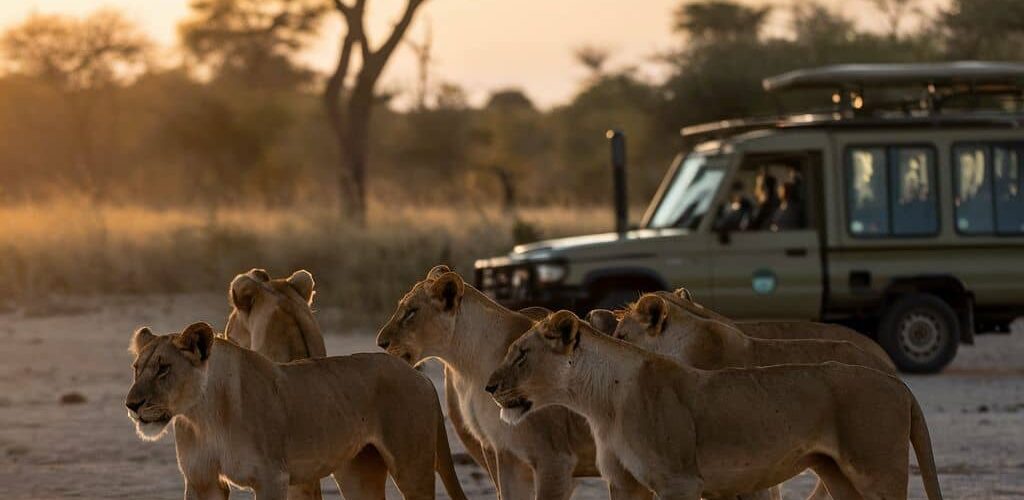
Lions in Uganda are most commonly seen in Queen Elizabeth National Park and Murchison Falls National Park.

One of the most distinctive lion populations is found in the Ishasha sector of Queen Elizabeth, where lions are known for their tree-climbing behavior. This is not guaranteed but adds a unique dimension to lion sightings in Uganda.

In other areas, lions behave more typically, resting during the day and becoming active in cooler hours.

Leopards: Elusive but Present

Leopards are present in Uganda’s savannah parks but are significantly more difficult to spot due to their solitary and nocturnal nature.

Murchison Falls National Park offers some of the better chances for leopard sightings, particularly during early morning or evening game drives.

Sightings require patience, experienced guiding, and a degree of luck.

Elephants: Widely Distributed and Frequently Seen

Elephants are one of the most reliably seen large mammals in Uganda.

They are commonly found in Queen Elizabeth National Park, Murchison Falls National Park, and along waterways such as the Kazinga Channel.

Boat safaris often provide some of the closest and most consistent elephant encounters, especially when herds gather at the water’s edge.

Buffalo: Abundant Across Savannah Ecosystems

Buffalo are widespread and often seen in large herds across Uganda’s savannah parks.

They are among the easiest members of the Big Five to observe, frequently appearing during game drives and near water sources.

Their presence also plays a role in predator activity, as lions often target buffalo in coordinated hunts.

Rhinoceros: Conservation-Based Viewing at Ziwa

Rhinoceros can be seen at Ziwa Rhino Sanctuary, which is located along the route between Entebbe and Murchison Falls National Park.

Tracking rhinos here is done on foot under ranger supervision, offering a controlled and close-range viewing experience.

While this is not a traditional wild setting, it is currently the only place in Uganda where rhinos can be observed.

Why Uganda’s Big Five Experience Is Different

Unlike destinations where the Big Five are concentrated in large open ecosystems, Uganda’s wildlife is distributed across multiple habitats.

This means the safari experience is more varied but also more complex to plan.

Instead of focusing solely on large mammals, Uganda integrates:

Forest ecosystems with primates
Savannah landscapes with classic game
Wetlands and waterways with aquatic wildlife

This diversity is one of Uganda’s strongest advantages, even though it requires a broader itinerary to fully experience.

What Wildlife You Can Expect Beyond the Big Five

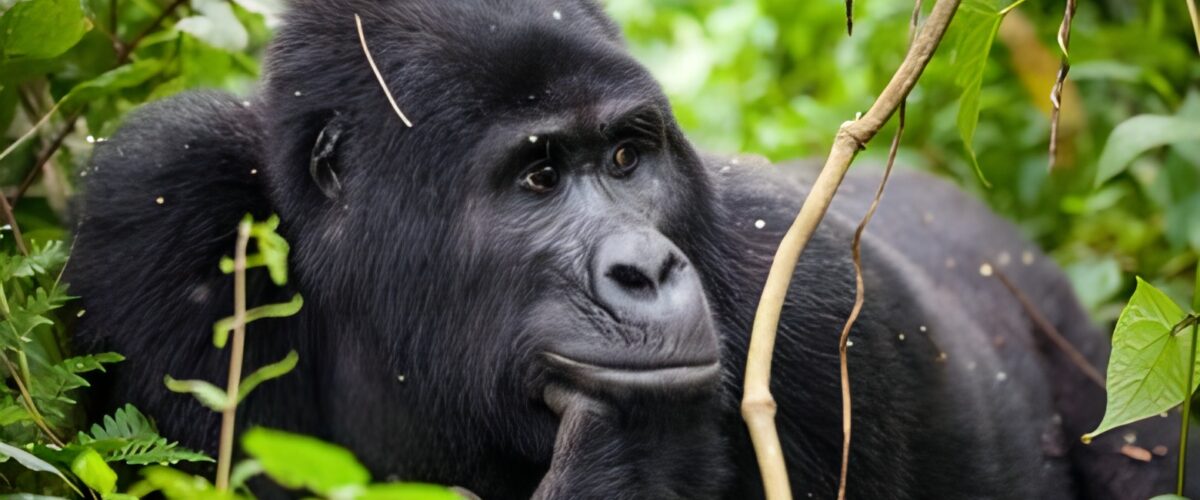
Mountain Gorillas: Uganda’s Flagship Species

Uganda is globally known for its mountain gorillas, which are found in Bwindi Impenetrable National Park.

Gorilla trekking is the country’s most iconic wildlife experience and often takes priority over traditional Big Five safaris.

This adds a unique dimension not available in most other safari destinations.

Chimpanzees and Other Primates

Chimpanzees are another major highlight, particularly in Kibale National Park.

Uganda also hosts a wide range of monkey species and other primates, making it one of the best destinations in Africa for primate diversity.

Hippos and Crocodiles

Water-based wildlife is abundant in Uganda, particularly along the Kazinga Channel and the Nile River.

Hippos are commonly seen in large numbers, while Nile crocodiles are frequently observed along riverbanks and water systems.

Antelope and Grazing Species

Various antelope species, including Uganda kob, waterbuck, and others, are widely distributed across savannah parks.

These species form the foundation of the predator-prey ecosystem and are frequently seen during game drives.

Birdlife Diversity

Uganda is one of Africa’s top birding destinations, with over 1,000 recorded species.

Birdlife can be observed across all habitats, from wetlands and savannah to dense forest ecosystems.

Structuring a Safari to See the Big Five in Uganda

To realistically see all members of the Big Five, a well-planned itinerary typically includes:

Ziwa Rhino Sanctuary for rhinos
Murchison Falls National Park for lions, elephants, buffalo, and potential leopard sightings
Queen Elizabeth National Park for additional lion, elephant, and buffalo encounters

This structure allows for a balanced safari that covers both Big Five species and Uganda’s broader wildlife highlights.

The Role of Time and Expectation

Unlike high-density wildlife destinations, Uganda requires more time to achieve a full Big Five checklist.

A short safari may deliver several of the Big Five, but seeing all five usually requires a multi-destination itinerary over several days.

Expectations should be adjusted to reflect the nature of the ecosystems and the distribution of wildlife.

Wildlife Viewing in Uganda

In practical terms, Uganda is not a Big Five-first destination. It is a biodiversity-first destination.

The Big Five are present, but they are part of a larger ecological experience that includes primates, birdlife, and varied landscapes.

This means the value of a Uganda safari is not measured solely by completing a checklist, but by the range of ecosystems and species encountered across the journey.

The combination of gorilla trekking in Bwindi Impenetrable National Park, chimpanzee tracking in Kibale National Park, and wildlife viewing in Queen Elizabeth and Murchison Falls creates a layered safari experience that extends beyond the traditional Big Five framework.

Tracking Chimpanzees in Kyambura Gorge

Tracking Chimpanzees in Kyambura Gorge

Tracking Chimpanzees in Kyambura Gorge: Queen Elizabeth’s Hidden Primate Experience

Chimpanzee tracking in Kyambura Gorge is one of Uganda’s most underrated wildlife experiences, offering a rare contrast to the more widely known primate encounters in Kibale National Park. Located within Queen Elizabeth National Park, Kyambura Gorge presents a unique ecological setting where a dense tropical forest cuts dramatically through open savannah, creating an isolated habitat often referred to as the “Valley of Apes.”

This experience is not defined by high success rates or guaranteed sightings. Instead, its value lies in the setting, the challenge, and the rarity of tracking chimpanzees in a geographically constrained forest ecosystem surrounded by grassland.

Understanding how Kyambura Gorge differs from other chimpanzee tracking destinations in Uganda is essential for evaluating whether it fits into a well-structured safari itinerary.

The Unique Geography of Kyambura Gorge

A Forest Hidden Inside the Savannah

Kyambura Gorge is essentially a deep, forested ravine carved into the landscape of Queen Elizabeth National Park. From above, the terrain appears as open savannah, but descending into the gorge reveals a completely different ecosystem.

The gorge features thick vegetation, tall trees, and a humid microclimate that contrasts sharply with the dry plains above. This creates a natural island of forest habitat surrounded by grassland.

This isolation plays a major role in shaping both the chimpanzee population and the tracking experience.

Limited Habitat and Its Implications

Unlike Kibale National Park, which offers expansive forest cover, Kyambura Gorge is relatively small and self-contained. The chimpanzee community here is therefore limited in size and range.

This makes tracking more unpredictable, as chimpanzees can move quickly through the confined space or retreat into dense sections of the gorge where visibility is low.

At the same time, the limited habitat means that when sightings occur, they can feel highly concentrated and intimate.

The Nature of Chimpanzee Tracking in Kyambura

Lower Success Rate Compared to Kibale

One of the defining characteristics of chimpanzee tracking in Kyambura Gorge is its lower success rate compared to Kibale National Park.

In Kibale, chimpanzee tracking success is consistently high due to well-established tracking systems and larger chimp populations.

In Kyambura, sightings are not guaranteed. The smaller population and dense forest conditions mean that tracking can sometimes result in hearing chimpanzees without seeing them clearly.

This unpredictability is a key factor in understanding the experience.

Tracking Based on Movement and Sound

Tracking in Kyambura relies heavily on listening for vocalizations and following fresh signs such as nests or feeding activity.

Chimpanzees move quickly through the forest, often traveling in small sub-groups. This requires guides to make rapid decisions about direction and pace.

The experience is dynamic and requires active participation rather than passive observation.

Physical Experience of the Gorge Trek

Steep Descent and Ascent

Tracking chimpanzees in Kyambura Gorge involves a steep descent into the ravine at the start of the trek and a corresponding climb back out at the end.

This adds a physical challenge that differs from the more gradual terrain found in some other forest environments.

The descent can be slippery, especially in wet conditions, and requires careful footing.

Dense Vegetation and Limited Visibility

Once inside the gorge, visibility is often restricted by thick vegetation. This makes sightings more fleeting and requires patience and attentiveness.

Unlike open forest systems, where animals may be visible at a distance, Kyambura requires close-range detection.

This creates a more immersive but also more demanding tracking environment.

What You Actually See During the Experience

Chimpanzee Behavior in Kyambura

When chimpanzees are located, sightings can include feeding, movement through the canopy, and vocal communication between individuals.

Because the group is smaller, interactions may feel more focused, with fewer individuals but more concentrated activity.

However, due to the nature of the environment, viewing time and clarity can vary significantly.

Other Wildlife in the Gorge

Kyambura Gorge is not only about chimpanzees. The forest supports other primates such as monkeys, as well as birdlife adapted to forest habitats.

The transition between savannah and forest also creates opportunities to observe different ecological zones within a single activity.

Why Include Kyambura in a Uganda Safari

Complementary Experience to Game Drives

One of the main reasons to include Kyambura Gorge in a safari is its location within Queen Elizabeth National Park.

This allows travelers to combine primate tracking with traditional game drives without traveling to a separate destination.

It adds depth to the safari by introducing a forest-based activity within a predominantly savannah itinerary.

Alternative for Travelers Not Visiting Kibale

For travelers who are not including Kibale National Park in their itinerary, Kyambura offers an opportunity to experience chimpanzee tracking without significant additional travel.

While it does not replace the reliability of Kibale, it provides access to primate tracking within an already planned route.

When Kyambura Works Best in an Itinerary

Kyambura Gorge is most effective when positioned as a secondary or supplementary experience rather than the primary primate activity.

It works particularly well for:

Travelers already visiting Queen Elizabeth National Park
Safari itineraries combining Ishasha and Bwindi Impenetrable National Park
Visitors interested in diverse ecosystems within a short timeframe

When approached with the right expectations, Kyambura adds variety rather than acting as a substitute for more established chimp tracking locations.

Luxury Considerations for the Experience

Private Guiding and Flexible Timing

Luxury safari setups can improve the Kyambura experience through private guiding arrangements and flexible scheduling.

This allows for better pacing, more focused tracking, and the ability to adapt to conditions on the ground.

Lodge Proximity and Access

Staying at lodges near Queen Elizabeth National Park reduces travel time to the gorge and allows for better alignment with tracking schedules.

This is particularly important given the physical demands of the trek.

The Reality of Success vs Experience Value

Kyambura Gorge is often evaluated based on success rates, but this overlooks the broader value of the experience.

The combination of dramatic landscape, ecological contrast, and active tracking creates a distinctive wildlife encounter that differs from more predictable environments.

Even when chimpanzees are not clearly seen, the process of tracking, listening, and navigating the gorge provides insight into primate behavior and forest ecology.

Kyambura Gorge

In practical safari terms, Kyambura Gorge is not designed to guarantee sightings. It is designed to offer a different type of primate experience within a savannah-dominated landscape.

Its value lies in contrast, challenge, and the uniqueness of tracking chimpanzees in an isolated forest system.

For travelers who understand this positioning, Kyambura becomes a strategic addition to a Uganda safari rather than a risk.

The experience stands out not because it replaces Kibale National Park, but because it delivers a fundamentally different perspective on chimpanzee tracking within the broader context of Queen Elizabeth National Park.