Tanzania Safari in 5, 7 or 10 Days: What You Can Realistically Do in Each Timeframe
Why Safari Duration Matters More Than Destination Choice
When most travelers start planning a Tanzania safari, the focus usually goes straight to iconic places like Serengeti National Park, Ngorongoro Crater, Tarangire National Park, and sometimes Lake Manyara. While these destinations are central to any safari experience, the real factor that shapes the quality of your trip is not just where you go, but how long you stay.
Safari duration affects everything. It determines how much wildlife you see, how rushed or relaxed your travel feels, how many ecosystems you can explore, how deep your experience becomes, and even how successful your wildlife encounters are. Tanzania is a vast country with large distances between parks, and safari travel is slow by nature because it follows wildlife patterns rather than fixed urban schedules.
A 5-day safari, a 7-day safari, and a 10-day safari may include similar destinations, but they deliver completely different experiences. Understanding what is realistically possible in each timeframe is essential before booking, especially if you want to avoid unrealistic expectations or overly compressed itineraries that spend more time moving than actually observing wildlife.
A 5-Day Tanzania Safari: Fast, Focused, and High-Intensity Travel
A 5-day safari is the shortest realistic safari experience in Tanzania. It is designed for travelers with limited time who still want to experience the country’s wildlife highlights. It is also commonly chosen by people combining safari with Zanzibar beach holidays or regional trips through East Africa.
Because time is extremely limited, 5-day safaris are structured for efficiency. There is very little flexibility, and itineraries are carefully designed to minimize unnecessary travel. Most 5-day safaris focus on Tanzania’s northern circuit, which includes Tarangire National Park, Ngorongoro Crater, and a short visit to the Serengeti. In some cases, internal flights are used to reduce long road transfers, especially for accessing Serengeti airstrips directly.
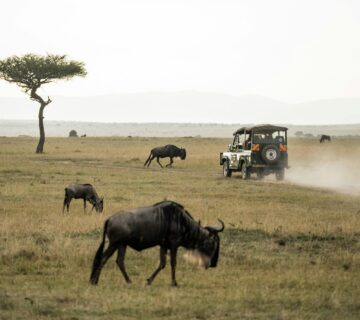
In terms of wildlife experience, a 5-day safari can still be very rewarding. You are likely to see elephants in Tarangire, large predator populations in Ngorongoro Crater, and a wide range of plains wildlife in the Serengeti such as lions, giraffes, zebras, wildebeest, and hyenas. Ngorongoro often delivers extremely dense wildlife sightings in a short period of time due to its enclosed ecosystem.
However, the main limitation is depth. With only a few hours or a single day in each major location, you are not able to follow animal behavior over time or explore different regions of a park. Each destination becomes a highlight stop rather than a fully experienced ecosystem. Game drives are shorter, travel days are more frequent, and the overall experience feels compressed.
A 5-day safari is realistic for a quick introduction to Tanzania’s wildlife but not for travelers who want a slow, immersive, or deeply observational experience. It is best suited for efficiency rather than exploration depth.
A 7-Day Tanzania Safari: Balanced Travel with Real Wildlife Depth
A 7-day safari is one of the most popular and practical options for Tanzania because it strikes a balance between time, cost, and experience quality. It allows travelers to explore multiple parks while maintaining a more comfortable pace compared to shorter itineraries.
A typical 7-day safari includes Tarangire National Park, Ngorongoro Crater, and multiple days in the Serengeti. This structure is important because it allows travelers to experience different ecosystems instead of rushing through a checklist of locations. Tarangire offers large elephant herds and baobab landscapes, Ngorongoro provides dense crater wildlife viewing, and the Serengeti delivers open plains with predator-prey interactions and seasonal migration activity.
The biggest improvement over a 5-day safari is rhythm. With seven days, you begin to experience safari life properly. Early morning game drives become more meaningful, afternoons allow time for rest or additional exploration, and wildlife viewing is not constantly interrupted by long transfers.
In the Serengeti, extra time significantly improves the quality of the experience. Wildlife behavior is not static. Animals move across territories, predators hunt at different times of day, and migration patterns shift depending on the season. With more time, you can track these changes instead of just seeing isolated moments.
Ngorongoro Crater also benefits from a longer itinerary because you can explore different areas of the crater floor and observe interactions between herbivores and predators in more detail rather than rushing through a single loop.
A 7-day safari is widely considered the ideal entry-level safari duration because it provides enough time to feel complete without becoming overly long or expensive.
A 10-Day Tanzania Safari: Full Immersion Into the Wilderness
A 10-day safari represents a completely different level of travel experience. It is not just a longer safari; it is a shift from structured travel into immersive wilderness exploration.
With 10 days, you are no longer trying to fit destinations into a tight schedule. Instead, you have time to explore multiple regions of the Serengeti, stay longer in each park, and follow wildlife behavior based on real-time conditions rather than fixed itineraries.
A typical 10-day safari may include Tarangire National Park, Lake Manyara, Ngorongoro Crater, and extended time in different parts of the Serengeti depending on the season. This is important because the Serengeti alone is massive and behaves differently across its northern, central, and southern regions throughout the year.
The biggest advantage of a 10-day safari is flexibility. If wildlife activity is strong in one area, you can stay longer. If migration herds shift direction, your guide can adjust your route. This creates a dynamic experience that responds to nature rather than forcing nature to fit a schedule.
Another major benefit is reduced travel fatigue. Instead of constantly moving between lodges every one or two nights, you stay longer in fewer locations. This allows you to settle into the rhythm of the bush and spend more time observing rather than traveling.
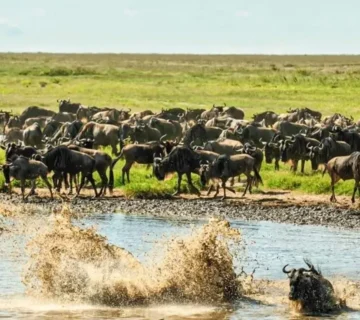
For photographers and serious wildlife enthusiasts, this duration is especially valuable. It increases the chances of witnessing rare and unpredictable events such as predator hunts, river crossings, or extended animal interactions that require patience and time.
A 10-day safari is the most immersive and rewarding option for travelers who want to deeply understand Tanzania’s ecosystems rather than simply visit them.
Realistic Differences Between 5, 7, and 10-Day Safaris
The differences between these safari durations are not just about the number of destinations visited. They are about the quality of time spent in each ecosystem and how naturally the experience unfolds.
A 5-day safari is fast and compressed. It delivers highlights but does not allow extended observation or slow exploration. It is built around efficiency.
A 7-day safari is balanced. It provides enough time to experience multiple parks properly while maintaining a comfortable travel pace. It is structured but not rushed.
A 10-day safari is immersive. It allows time for adaptation, observation, and flexibility, creating a more natural relationship with wildlife behavior and seasonal movement.
Distance between parks also plays a key role. Tanzania’s northern circuit involves long driving times, and shorter safaris often feel faster not because of wildlife limitations but because of travel logistics. Longer safaris reduce this pressure and increase actual time in the field.
Which Safari Duration Offers the Best Value
The idea of “value” in a safari depends entirely on what a traveler prioritizes.
A 5-day safari offers strong value for travelers with limited time who want a quick but meaningful introduction to Tanzania’s wildlife. It is efficient and accessible but limited in depth.
A 7-day safari offers the best overall balance for most travelers. It provides enough time for proper wildlife viewing, multiple ecosystems, and a comfortable travel rhythm without becoming too long or expensive.
A 10-day safari offers the highest experiential value. It is more immersive, more flexible, and more rewarding for travelers who want to truly experience the wilderness rather than rush through it.
Time Is the Foundation of Every Tanzania Safari
In Tanzania, time is not just a scheduling detail. It is the foundation of the entire safari experience. The number of days you choose determines how much you see, how deeply you connect with wildlife, and how naturally your journey unfolds.
A short safari gives you highlights. A medium safari gives you balance. A long safari gives you immersion. Each has its place, but none is universally better than the other.
The most important decision is not choosing the longest safari possible, but choosing the duration that matches your expectations, travel style, and level of interest in wildlife behavior. In a destination like Tanzania, where nature operates on its own rhythm, time is the most powerful factor shaping everything you experience.
Start Planning Your Next Trip To Africa
If you can picture yourself in one—or several—of these exceptional retreats, the next move is simple. We design fully tailored African safaris that bring these experiences together seamlessly, from private gorilla encounters to luxury lodges in the heart of the wild.
Every detail is carefully planned, so your journey feels effortless from start to finish. Reach out in whichever way suits you best, and let’s begin crafting your safari.
Start Planning