First-Time Tanzania Safari
 Tanzania Travel Advice
First-Time Tanzania Safari: The Planning Mistakes Most Travellers Make
Planning a first safari in Tanzania looks simple on the surface—pick a park, book a lodge, fly in, and go game driving. In reality, small planning decisions have a major impact on what you actually experience in the field.
Most first-time travellers don’t ruin their safari—but they limit it without realizing it. The difference between an average trip and an exceptional one usually comes down to a few avoidable mistakes in routing, timing, expectations, and logistics.
Here are the most common planning errors and how to avoid them.
Treating Tanzania as One Uniform Safari Experience
One of the biggest mistakes is assuming all safari regions in Tanzania are similar.
In reality, the experience changes dramatically between ecosystems like the Serengeti National Park, the Ngorongoro Crater, and southern parks such as Ruaha or Nyerere.
The Serengeti is vast and open, built around migration systems and predator-prey interactions across plains. Ngorongoro is a compact, high-density crater with concentrated wildlife. Southern parks are remote, low-traffic wilderness areas with fewer vehicles and a slower rhythm.
When travellers treat all parks as interchangeable, they often end up with repetitive experiences instead of complementary ones.
Overpacking Too Many Parks Into Too Few Days
Another common mistake is trying to “see everything” in a short itinerary.
First-time visitors often combine too many destinations into a 5–7 day trip, which results in constant movement and very little time actually in the field.
Safari is not a checklist activity. Wildlife viewing depends on time, patience, and repeated exposure to the same ecosystem.
Short stays force travellers into rushed game drives and increase time spent in transit rather than in wildlife areas.
A better approach is fewer parks, longer stays, and deeper exploration within each region.
Misunderstanding Distances and Travel Time
On a map, Tanzania looks compact. In reality, travel times between parks are significant.
Driving from Arusha to the Serengeti, or between multiple northern parks, can take many hours depending on route and conditions. Even short-seeming distances can involve full-day transfers.
First-time travellers often underestimate this and end up with itineraries that are physically exhausting and logistically tight.
Understanding that safari travel is slow by nature helps set realistic expectations and improves overall experience quality.
Ignoring Seasonal Wildlife Movement
Wildlife in Tanzania is not static. It moves.
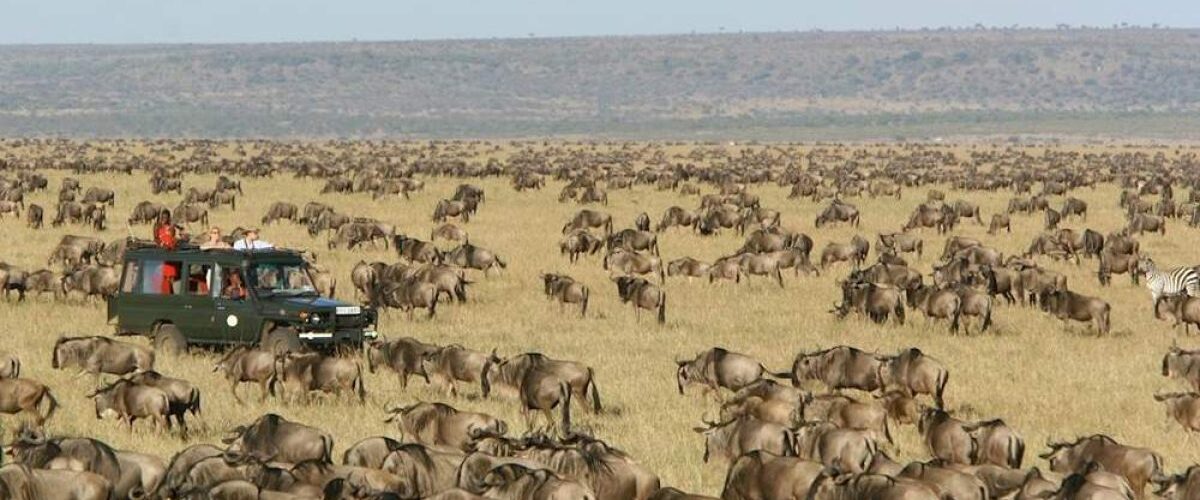
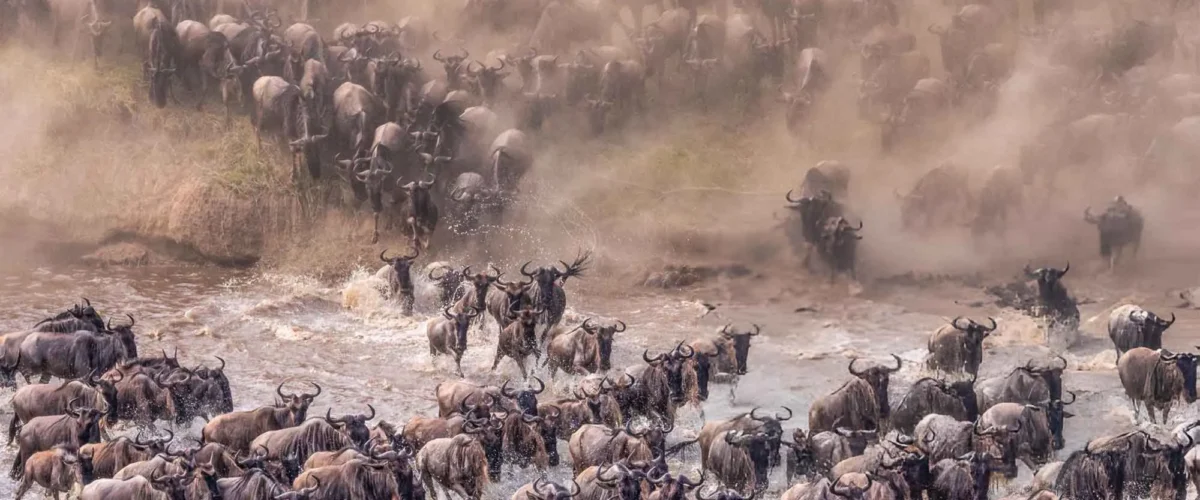
The Great Migration, in particular, shifts across the Serengeti ecosystem throughout the year. Choosing the wrong timing can mean missing major wildlife concentrations.
For example, planning a northern Serengeti itinerary expecting dense herds or river crossings at the wrong time of year can lead to disappointment.
Seasonality also affects vegetation density, predator visibility, and road conditions. First-time travellers who ignore this often misalign their expectations with reality.
Focusing Only on the Big Five
Many first-time safari plans are built around the idea of “checking off” the Big Five.
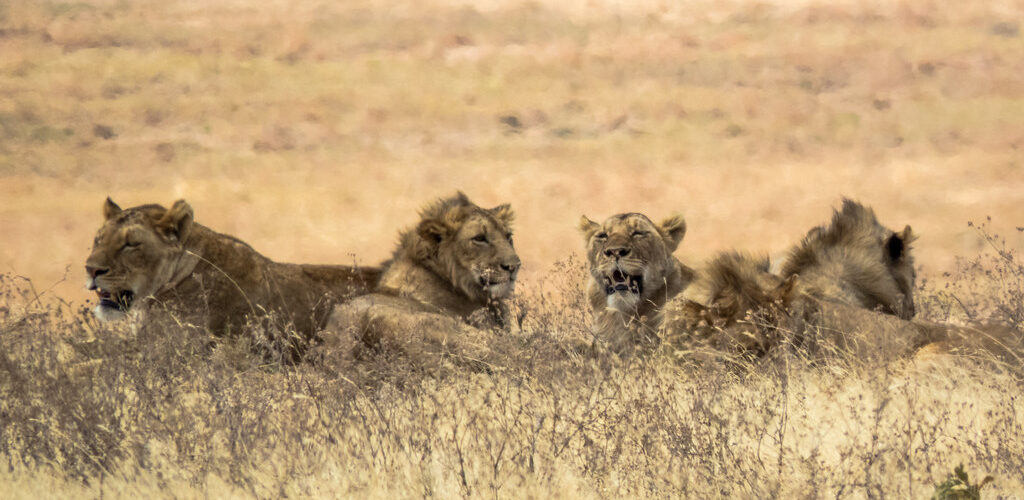
While seeing species like lions, elephants, and buffalo is highly likely in most northern circuits, focusing solely on this list can lead to a shallow understanding of the ecosystem.
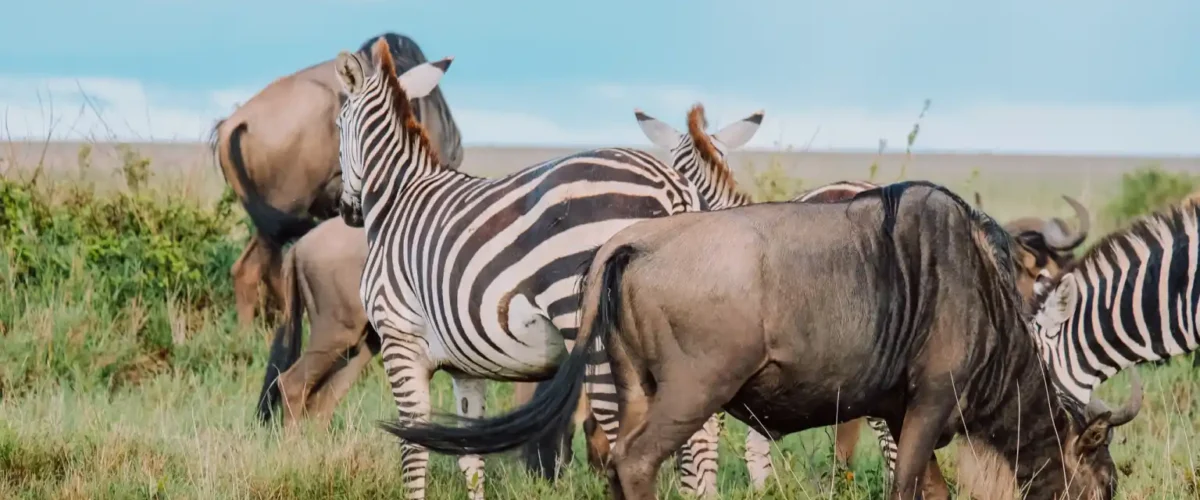
Tanzania offers far more than the Big Five, including cheetahs, wild dogs, migration dynamics, birdlife, and complex predator interactions.
Over-fixation on checklist viewing often results in missed opportunities for more interesting behavioural sightings.
Choosing the Wrong Type of Accommodation
Accommodation selection has a major impact on safari quality, yet it is often treated as secondary.
Location matters more than luxury level. A well-placed camp inside or near key wildlife zones will outperform a more luxurious lodge located far from activity areas.
Some travellers choose accommodation based purely on comfort or price, without considering positioning within the ecosystem. This can result in long daily transfers to reach game drive areas.
In contrast, strategically located camps reduce travel time and increase time in wildlife zones.
Underestimating the Value of Time in Each Park
Wildlife viewing improves with time, not speed.
Spending two nights in a location often means only one full day of game drives, which is not enough to understand animal movement patterns.
Wildlife sightings are unpredictable. Staying longer in one area significantly increases the probability of seeing rare or interesting behaviour.
First-time travellers often move too quickly, missing the depth that comes from repeated exposure to the same environment.
Expecting Constant Action
Another major misconception is expecting continuous wildlife action throughout the day.
Safari is a rhythm-based experience. There are periods of high activity and long stretches of observation, movement, or waiting.
Animals do not perform on demand. They follow natural behavioural cycles influenced by temperature, hunting patterns, and social structure.
Travellers who expect constant sightings often feel disappointed, even when overall wildlife density is high.
Overlooking Southern Tanzania Entirely
Most first-time itineraries focus exclusively on the northern circuit and ignore southern parks such as Ruaha and Nyerere.
While the north is excellent for classic safari experiences, the south offers a completely different dynamic: fewer vehicles, larger wilderness areas, and more remote-feeling game drives.
By excluding the south entirely, travellers miss the opportunity to experience Tanzania’s quieter and more exclusive ecosystems.
Even a short addition of southern parks can significantly change the character of a trip.
Not Aligning Expectations With Safari Style
Tanzania offers different safari styles, but first-time travellers often assume there is only one standard experience.
Some safaris are fast-paced and highlight-driven. Others are slow, immersive, and focused on behaviour and ecology.
Without clarifying expectations early, travellers may end up on an itinerary that does not match their preferred travel style.
Understanding whether you want intensity, exclusivity, comfort, or exploration is essential before building the route.
Insight
A first Tanzania safari is not just about where you go—it is about how you structure time, space, and movement across ecosystems.
The most common mistakes are not dramatic errors, but subtle planning decisions that reduce depth: too many parks, too little time, poor seasonal alignment, and unrealistic expectations about wildlife behaviour.
A well-designed itinerary does the opposite. It slows the experience down, matches timing with ecosystems, and allows each region—whether it is the Serengeti plains or Ngorongoro crater floor—to be experienced properly.
When these factors are aligned, a first safari in Tanzania becomes not just a trip, but a coherent and memorable wildlife journey.