The Most Popular Questions asked by Travelers before going on Safari in Uganda, Rwanda, Kenya and Tanzania
Planning your very first African safari vacation is an exciting adventure that comes with excitement, a touch of mystery and usually many tabs open on your browser as you seek answers to the many questions that linger in your mind as you prepare for this unforgettable experience. To help you feel confident and well-informed as you plan your maiden African safari trip, we have compiled a comprehensive list of African safari Frequently Asked Questions (FAQs) covering all aspects of your journey with much focus on Wildlife safari and Gorilla trekking in the East African countries of Tanzania, Kenya, Rwanda and Uganda. From planning and booking to health and safety, packing tips and cultural considerations, our FAQs provide clear and honest answers to ensure that you have all the information you need.
African Safari Frequently Asked Questions
At the same time, you know you can always drop us an email, WhatsApp, or give us a ring to talk through any questions, clarifications or concerns you might have when traveling to Africa on your next extraordinary adventure.
General Africa Travel Frequently Asked Questions (FAQS)
When is the best time to visit Africa For Safari?
In Africa, every time of the year presents an exceptional safari experience in some place or another throughout Central, Eastern or Southern Africa hence the best to go on safari in Africa or to visit Africa largely depends on the country you intend to visit, the experience you are after and what your schedule allows. For example, the peak wildebeest calving season in the Serengeti South( Ndutu Area) throughout January to March delivers some of the best predator action, including witnessing the incredible rejuvenation of life with new calves born and the land transforming into a lush green landscape and this time of the year is highly regarded as the best time to visit Africa for photographers and those interested in viewing large numbers of predators in one area.
That said and from experience with our past guests, the dry season is highly considered by many to be the best time for a safari in Africa as animals tend to congregate around water sources making them easier to spot though it tends to be more crowded and expensive due to high rates of accommodation. In East Africa, the dry season runs from June to October. This also regarded as the best time to see the Great Migration in the Serengeti (Grumeti River Crossing and Mara River Crossing) and Maasai Mara. In Southern Africa, the dry season runs from May to September and is regarded as the best time to see wildlife in countries such as South Africa, Botswana and Zambia.
We highly recommended that you always consult us for advice based on your specific travel plans and Africa Safari interests and the team at Engabi Tours and Travel will make sure we get you to the best spots for any given time of the year.
Do I need a visa to travel to African countries?
Visa requirements vary by country and most nationalities and depending on the destination countries, visa requirements and administration are minimal. The Engabi Tours and Travel team will help you with guidance to save you some time depending on your nationality. We do always advise our guests to check with the embassy of the destination country well in advance.
Is Africa safe for foreign travellers?
Safety conditions in Africa can vary greatly depending on the country and region and it is important for foreign travellers to be informed and take necessary precautions. While some areas may be more prone to crime, political instability or natural disasters many countries are safe for foreign travellers to visit. It is important to research your destination before you travel, stay aware of your surroundings, use reputable transportation, keep important documents secure and respect local customs. With the right planning and precautions, it is possible to have a safe and enjoyable African safari vacation.
Which African countries have the Affordable safari?
While the cost of an African safari can vary depending on several factors, some African countries offer more affordable safari options than others. In East Africa, Kenya, and Tanzania are popular safari destinations that offer a range of safari options at different price points with the Maasai Mara National Reserve and Serengeti National Park being popular wildlife viewing destinations. Uganda is also a good option for affordable safaris, especially for those interested in gorilla tracking tours. In Southern Africa, Zambia and Zimbabwe are known for their affordable safari options while South Africa with the Kruger National Park is also a popular destination with a range of options at different price points. It is important to keep in mind that the cost of a safari can vary depending on the level of luxury and the time of year. However, with careful planning and research it is possible to have a rewarding and memorable safari experience on your desired budget in many African countries.
How Can i choose an African safari company?
Choosing an African safari company can be a daunting task with so many options available. When selecting a safari company, it is important to do your research and consider factors such as the company’s reputation, expertise and customer service. Look for a company that has a strong online presence with positive reviews from past customers on TripAdvisor. Check if the company is a member of reputable local associations such as the Association of Uganda Tour Operators (AUTO) or is licenced to operate tour by the local bodies such as Uganda Tourism Board (UTB). Consider the type of safari experiences offered and whether they align with your interests and budget and finally don’t be afraid to ask questions and communicate your needs and expectations to ensure that you have a safe and enjoyable safari experience.
How do I pay for my African safari?
Payment options for an African safari can vary depending on the tour operator or travel agent you choose to book with. Most safari companies accept payment by credit card and bank transfer and from experience we think that credit card payments offer convenience and protection against fraud though bank transfers may be more suitable for larger payments.
Please always ensure that you confirm the payment details and any associated fees or charges with your tour operator or travel agent before making a payment. Additionally, it is recommended to purchase travel insurance that includes trip interruption and cancellation coverage to protect your investment in case of unforeseen circumstances.
What Can i wear on an African Safari Vacation?
When packing for an African safari, it is important to consider the destination, time of year and activities planned. Comfortable, lightweight and breathable clothing in light colors is recommended along with long-sleeved shirts and pants to protect against the sun and insects.
Closed-toe shoes with good traction are recommended for walking safaris and a wide-brimmed hat and sunglasses can provide additional sun protection. Depending on the time of year and destination, a lightweight rain jacket or poncho may also be necessary.
Please always check with your tour operator or travel agent for any specific clothing recommendations or restrictions based on your destination and activities planned.
East Africa Travel Frequently Asked Questions
When is a good time of year to travel to Uganda Kenya, Tanzania and Rwanda?
From experience with our past guests, the dry season is highly considered by many to be the best time for a safari in East Africa as animals tend to congregate around water sources making them easier to spot though it tends to be more crowded and expensive due to high rates of accommodation. The dry season runs from June to October which time is also regarded as the best time to see the Great Migration in the Serengeti (Grumeti River Crossing and Mara River Crossing) and Maasai Mara.
However, you should note that in East Africa every time of the year presents an exceptional safari experience in some place or another and this means that the best to go on safari in East Africa largely depends on the experience you are after and what your schedule allows.
When and where can I see the Great Migration?
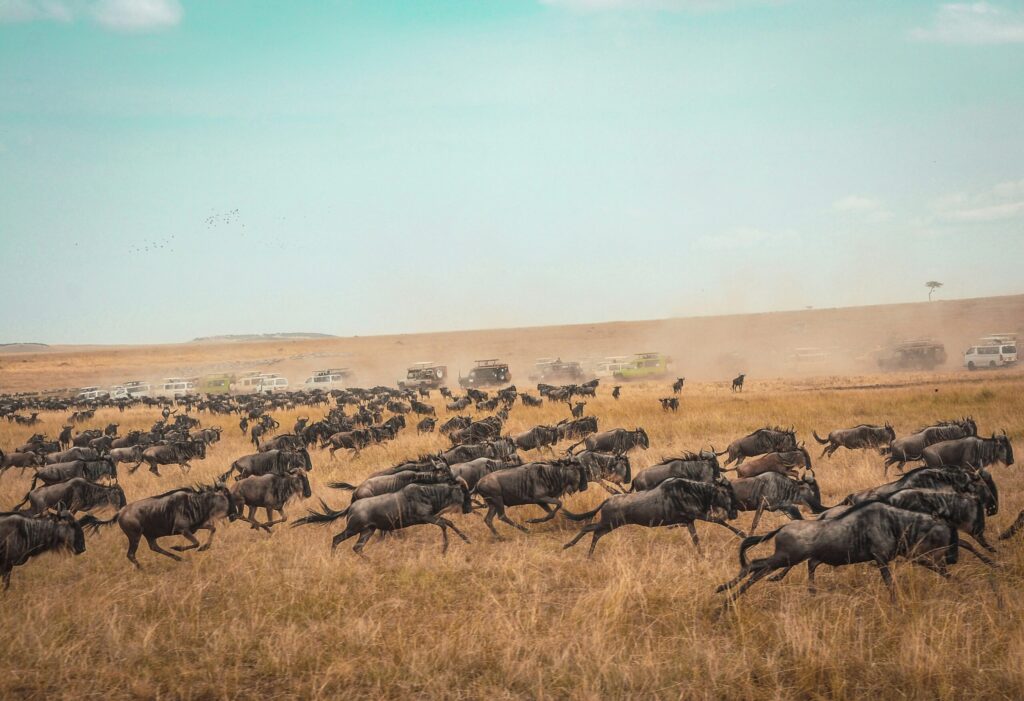
The annual Great Migration takes place in both Tanzania and Kenya and it goes through the Serengeti-Mara Ecosystem as over 2 million animals including the wildebeest as well as zebra and gazelle follow the rains from region to region. The migrating herds undergo a number of challenges and hardships including attacks from predators and crocodiles that lie in wait at various river crossing points. The Migration goes through the south and central Seronera areas into the Western Corridor and arrive in Grumeti River during the month of April to May residing till June. Then Migrating herds then move towards the Masai Mara Game Reserve in Kenya crossing the Crocodile infested Mara River around the Months of July and August all through to September and arriving in the Lobo and Loliondo areas in eastern part of Serengeti during the Months of October and November. The Great wildebeest Migration comes back to the southern part of Serengeti in the Ndutu calving grounds with arrivals starting around December staying till March.
Please Note that the Great Migration dates and timing entirely depends on the annual rains and availability of fresh pasture which may seasonally occur earlier or later in the year but the experience is worth the effort as you get to watch over 1 Million animals move across the Serengeti and Mara plains driven by instinct or necessity.
Can I see the big 5 in East Africa?
Yes, the East African countries of Kenya, Rwanda, Tanzania and Uganda have some of the best wildlife parks on the continent where it is possible to see four of the Big 5 – lion, buffalo, elephant and leopard. The fifth member of the Big 5 is the rhinoceros which is now highly endangered due to poaching and habitat loss. Both black and white rhino can be seen in certain national parks and conservation areas, like the Ngorongoro Crater and parts of the Serengeti in Tanzania, or Lewa Wildlife Conservancy in Kenya and Ziwa Rhino Sanctuary in Uganda.
Do I need a visa for Kenya, Tanzania, Uganda and Rwanda?
In Kenya, you need to have an Electronic Travel Authorisation (ETA) which costs 30USD to enter while for Tanzania, Uganda and Rwanda, you need to have visas which cost 50USD. To be able to move between Uganda and Rwanda, you can acquire an East African Tourist Visa (multiple entry visa) which cost 100USD. Visas can be applied for online prior to travel or on arrival for some Nationalities.
Do I need a Yellow Fever vaccination to Travel East Africa?
Yes, you do need a Yellow Fever vaccine when visiting Kenya, Uganda, Rwanda or Tanzania. When traveling into any African country from a region known for yellow fever you are required to show proof of vaccination.
Is there Malaria in East Africa?
Malaria is present across East Africa, including in the wildlife parks. Anti-malarial medication is highly recommended, however please consult your doctor or a Travellers Vaccination Centre for up-to-date advice. It is also recommended that you protect yourself by wearing long sleeves and long pants during the evenings and early mornings.
Where is the best route to climb Mount Kilimanjaro?
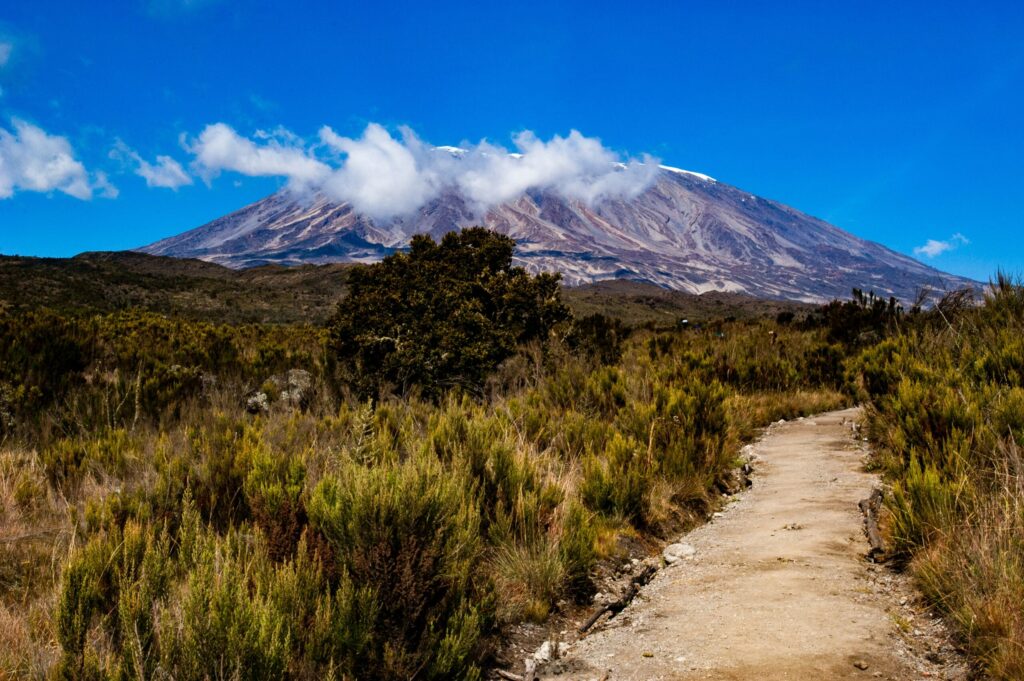
There isn’t necessarily a ‘best’ route to climb the famous mountain. Each route is unique, differing in terrain and have their own benefits. The Machame Route (6-7days) is considered to be the most popular, which means more climbers. The Lemosho Route (7 days) is incredibly scenic and the route leads to the western side of the Shira Plateau. Therefore, it all comes down to what you feel comfortable doing, whether that’s a more challenging, shorter route, a beautiful scenic hike, or a route that will have fewer trekkers. With our expertise, we can assist you to make the decision that best suits you.
Where in Africa can I see mountain gorillas?
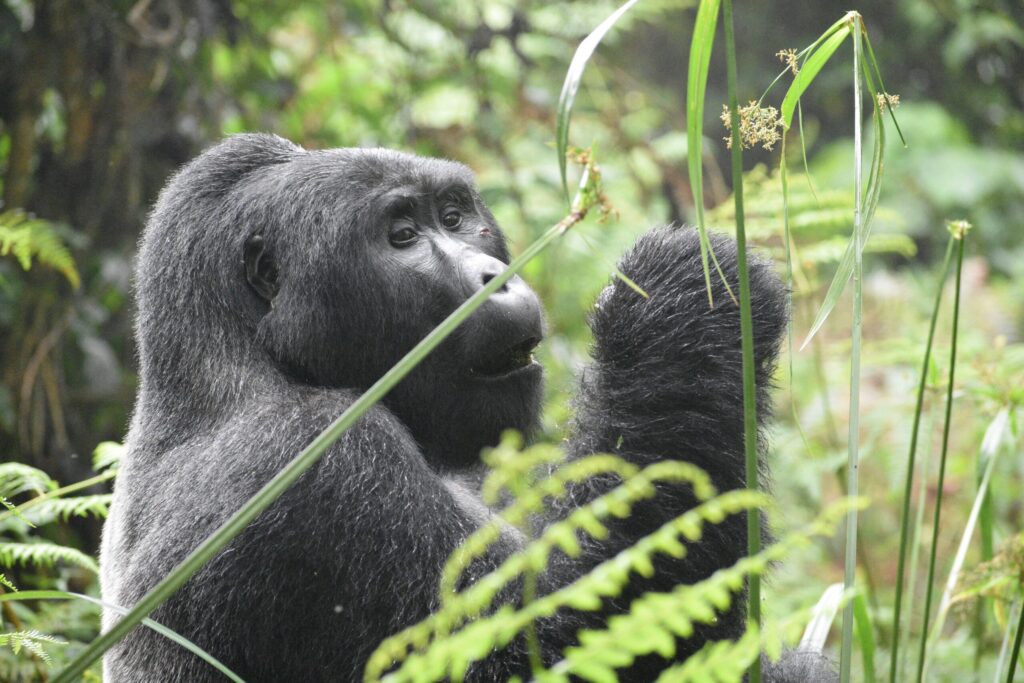
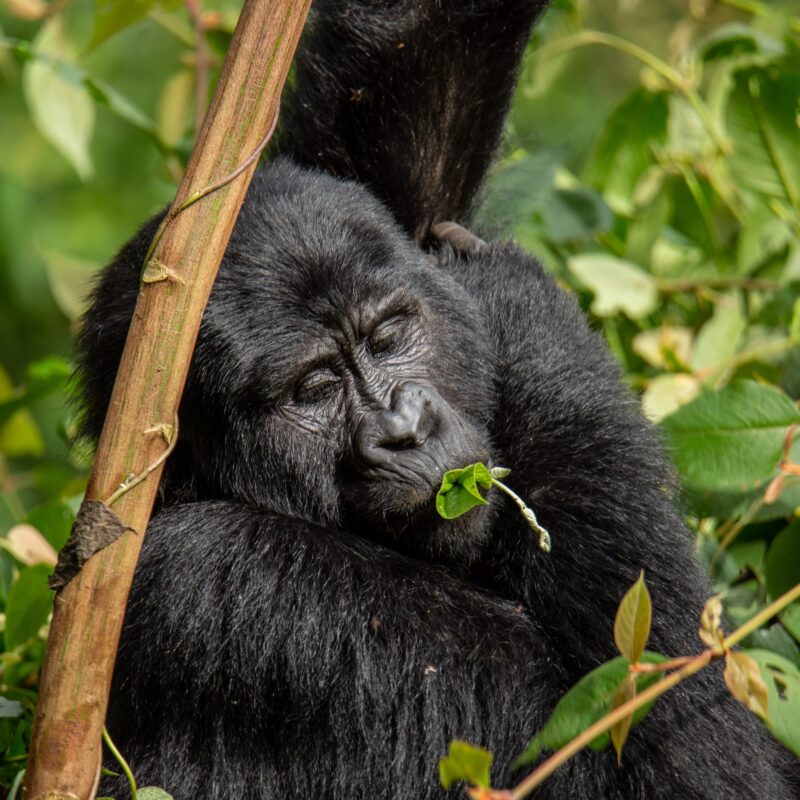
In Africa, Gorillas can be seen in only a few countries including Uganda, Rwanda and the Democratic Republic of Congo though Rwanda’s Volcanoes National Park and Uganda’s Bwindi Impenetrable forest and Mgahinga National Parks in Uganda are by far the main countries best suited for commercially-organized gorilla trekking in Africa. All these National Parks offer organised and transformative experiences for gorilla trekking as you watch a silverback and his family in their natural habitats.
Is Rwanda or Uganda better to see the Gorillas?
The general say is that Rwanda is easier and Uganda is tougher when it comes to gorilla trekking but we have also heard some of our past guests have opposite experiences. We had a guest who specifically chose Rwanda because they wanted an easier and quicker trek only to end up hiking for nearly five hours through dense jungle to find their gorilla family. Meanwhile, our other guest doing a standard trek in Uganda’s Mgahinga Gorilla National Park (a smaller park than Bwindi) found their gorilla family within 45 minutes of starting and we have also had guests trekking to their gorilla family within 3 hours in Bwindi Impenetrable National Park. We therefore think that it all comes down to the location of the gorillas on the trekking day and the specific sector you are assigned.
When is the best time to see the mountain Gorillas?
Uganda and Rwanda are year-round destinations but understanding seasonal patterns helps travelers align their safari with school breaks, summer vacations or holiday travel windows.
January – February
These are dry-season months with warm daytime temperatures and easier forest trails. This period is excellent for travelers escaping winter. Permit availability is moderate, and photography conditions are generally clear. Many visitors combine this period with a full Uganda or Rwanda safari itinerary including wildlife game drives and chimpanzee trekking.
March – May
These are rainy-season months. Trails can be muddy and more physically demanding. However, landscapes are extremely lush and green. Fewer tourists travel during this period, meaning more lodge availability and occasionally better package pricing. For flexible travellers looking to avoid crowds, this can be an underrated time to visit. You may find attractive rates on budget gorilla trekking packages during this season.
June – September
This is the peak season for gorilla trekking in Uganda and Rwanda. It coincides with summer holidays across Europe and America, making it one of the most popular periods to travel to Africa. Trails are drier and hiking is easier. Because of demand, permits should be secured at least 4–6 months in advance. Many travellers extend their trip with great migration safaris in Serengeti/Masai Mara and with a Big Five safari in Queen Elizabeth National Park/Murchison Fallas National Park during this period or .
October – November
Short rains return, but trekking remains possible and wildlife is still active. These months are often quieter, offering a more intimate experience. Availability for last-minute gorilla permits may improve compared to peak season.
December
A high-demand travel month due to Christmas and New Year holidays. Weather conditions are favourable, and many travellers combine gorilla trekking with extended East Africa safari itineraries or even beach add-ons such as a Zanzibar extension safari.
Overall, the best months for travellers balancing weather and availability are June, July, August, September, December January, and February.
How much are gorilla permits?
According to the Rwandan government through the Rwanda Development Board (RDB), a gorilla permit in Rwanda costs 1,500 USD per person per trek. A normal gorilla trekking permit in Uganda costs 800USD Per Person per trek while a gorilla habituation permit costs 1800USD according to Uganda Wildlife Authority (UWA). Uganda also offers low season Months (April, May and November) discounted price of Gorilla permits at USD$600 for Foreign Non-Residents and USD$ 500 for Foreign Residents.
What Should i Expect During the Gorilla Trekking experience
The trekking day in Uganda and Rwanda begins early in the morning at 7:30am. Visitors gather at the park headquarters for registration and a detailed briefing from rangers. During the briefing, you will learn about gorilla behaviour, conservation rules, and safety procedures. You are then assigned to a specific gorilla family and introduced to your ranger team. The hike itself can vary significantly in length and difficulty. Some groups encounter gorillas within an hour.
Others may trek for four to six hours through dense vegetation and steep terrain. Once the gorillas are located, visitors are allowed exactly one hour in their presence. This hour is carefully monitored to ensure minimal disturbance to the animals. Many travelers describe the moment of first eye contact with a silverback as overwhelming. The calm intelligence of these animals combined with the forest atmosphere creates a profound emotional experience.
What can i Pack for Gorilla Trekking In Africa?
Packing correctly can significantly improve your experience during gorilla trekking in Uganda or Rwanda and below is our suggested list of the recommended packing list.
Essential clothing:
- Waterproof hiking boots (broken in before travel)
- Long-sleeve lightweight shirts
- Hiking pants
- Lightweight rain jacket
- Gardening gloves (for gripping vegetation)
- High socks
Other essentials:
- Daypack
- Refillable water bottle
- Insect repellent
- Sunscreen
- Camera with zoom lens
Avoid bright colours. Neutral tones are best for wildlife photography. For more guidance, see our complete gorilla trekking packing list.
Am I guaranteed to see the gorillas?
Yes, you are guaranteed 99% chances of watching and getting up-close with mountain gorillas and we have not had any guests who were disappointed. To ensure visitors are given the very best chance of seeing the gorillas, trackers set off just before dawn to locate the different gorilla families and then radio their GPS location to the park headquarters. Each visitor is then allocated a gorilla family to track.
Do I need to be fit to trek and see the gorillas?
The gorillas live in dense mountainous forest so you will need to be prepared to walk through thick undergrowth and up muddy slopes. Altitude must also be taken into consideration, as treks generally occur at an altitude of between 2,400-3,000 metres above sea-level. You may be walking from anywhere between 30 minutes and 6 hours through a variety of vegetation and undulating terrain before you see the gorillas.
Activities to do During an African Safari



Uganda Travel Advice
Uganda Gorilla Permit Cost
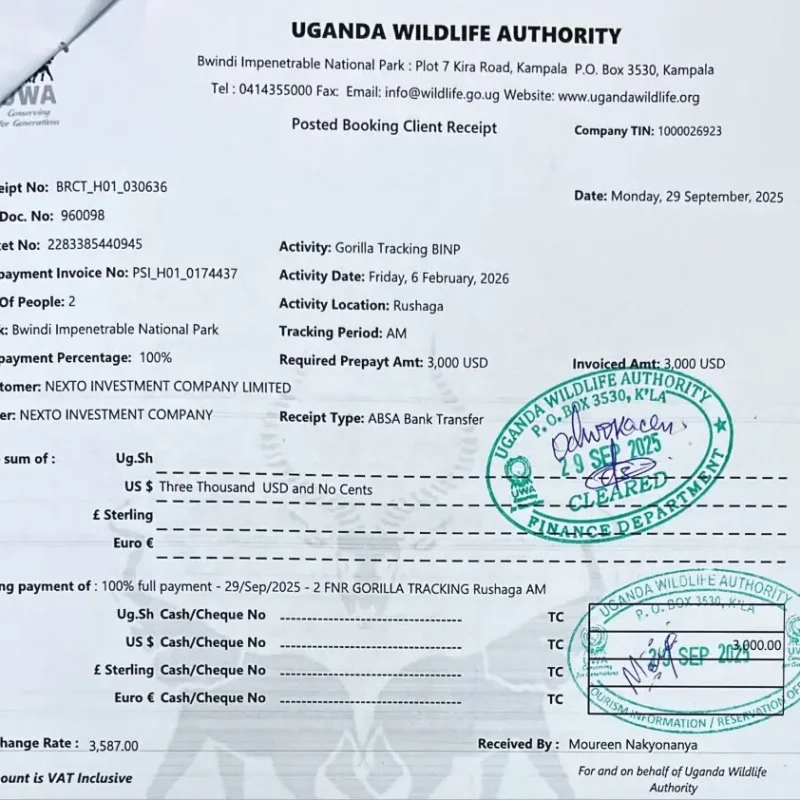
How Far in Advance Should You Book a Uganda Gorilla Permit?
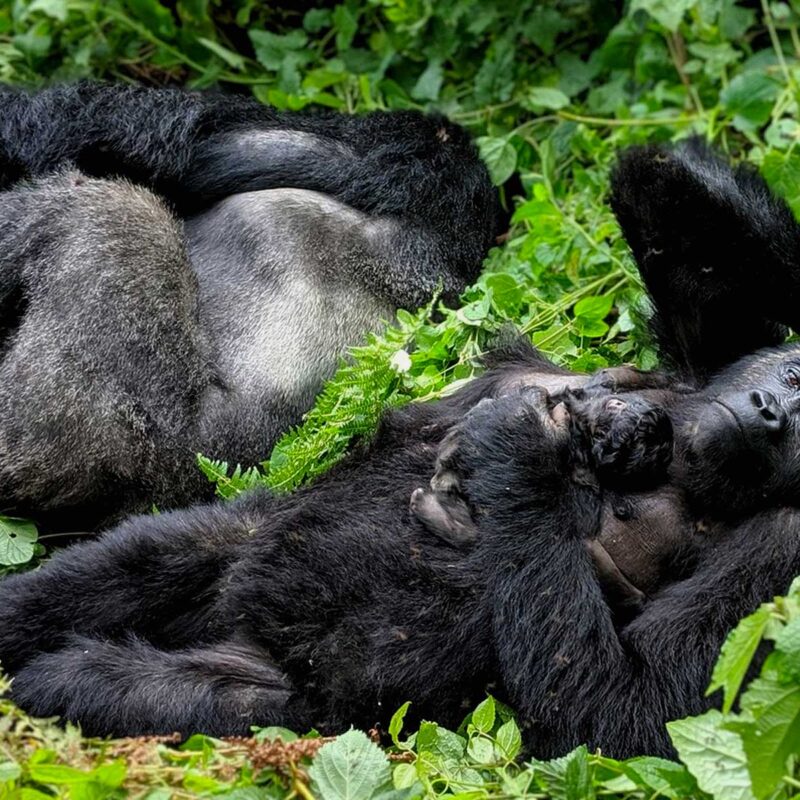
Gorilla Habituation vs Gorilla Trekking

Night Game Drives in Uganda

Uganda’s Dry Season Explained