Malaria in Rwanda: Risk Areas, Prevention, Symptoms and What Travellers Need to Know
Understanding malaria in Rwanda
Malaria remains one of the most important public health concerns in Rwanda. It is a mosquito-borne infectious disease caused mainly by Plasmodium falciparum, the most dangerous malaria parasite species. Transmission happens through the bite of infected female Anopheles mosquitoes, which are most active from dusk to dawn.
Unlike countries where malaria is confined to specific rural zones, Rwanda is considered malaria-endemic. This means the disease is present throughout the country, although the intensity of transmission varies depending on altitude, climate, rainfall patterns, and population density. For travellers, this is a crucial distinction because even popular tourist destinations are not completely risk-free.
Malaria transmission patterns in Rwanda
Malaria transmission in Rwanda is not uniform across the country. The risk is shaped largely by geography and seasonal rainfall.
Low-altitude and warmer regions experience higher transmission because these environments allow mosquitoes to breed more efficiently. Areas near lakes, wetlands, and agricultural valleys often see higher infection rates. In contrast, higher-altitude regions experience lower transmission, but not zero risk.
Rwanda’s climate plays a major role. The country has two rainy seasons, and malaria cases typically increase after periods of heavy rainfall. This is because stagnant water creates ideal breeding conditions for mosquitoes. However, due to environmental changes and urban expansion, malaria transmission patterns have become more unpredictable in recent years, meaning cases can appear outside traditional peak seasons.
Regional malaria risk in Rwanda
Although malaria exists nationwide, it is helpful to understand the relative risk differences across regions.
Eastern Rwanda tends to have higher transmission levels. This is due to its lower elevation and warmer climate, which favour mosquito survival and reproduction. Agricultural activity and irrigation systems also contribute to mosquito breeding environments.
Areas around major lakes, including Lake Kivu, can also experience moderate to high transmission depending on seasonal conditions. Fishing communities and lakeside settlements are particularly exposed.
Central regions, including Kigali, generally have lower transmission compared to rural lowlands. However, Kigali is not malaria-free. Cases still occur, especially among people moving in and out of higher-risk districts.
Western and northern highland areas, including regions near Volcanoes National Park and parts of Nyungwe, tend to have lower transmission due to cooler temperatures and higher elevation. Even so, occasional cases are reported, which is why these areas are still classified as low-risk rather than no-risk.
Why malaria still exists despite control efforts
Rwanda has made significant progress in malaria control over the past years through mosquito net distribution, indoor spraying campaigns, rapid testing, and public awareness programmes. These interventions have reduced cases at different points in time.
However, malaria has not been eliminated due to several persistent challenges. Mosquito resistance to insecticides in some areas reduces the effectiveness of control measures. Climate variability also influences mosquito breeding patterns, making outbreaks difficult to predict. Human movement between regions further spreads transmission, especially in a country where people frequently travel between rural and urban zones.
As a result, malaria control in Rwanda is an ongoing effort rather than a completed success story.
Symptoms of malaria
Malaria symptoms can vary depending on the severity of infection and the individual’s immune response. In many cases, symptoms appear between a few days and several weeks after being bitten by an infected mosquito.
The most common early symptoms include fever, chills, headache, and general fatigue. Muscle aches and joint pain are also common, often making the illness feel similar to influenza in the early stages. Some individuals experience nausea, vomiting, or loss of appetite.
If not treated promptly, malaria can progress to severe illness. Severe malaria may involve confusion, difficulty breathing, persistent vomiting, or extreme weakness. In such cases, urgent medical attention is required because Plasmodium falciparum can become life-threatening very quickly.
Prevention of malaria in Rwanda
Preventing malaria is far more effective than treating it, especially for travellers and visitors who have no prior immunity.
The most important preventive measure is avoiding mosquito bites. Since the mosquitoes that transmit malaria are most active at night, protection during evening and nighttime hours is critical. Sleeping under insecticide-treated mosquito nets significantly reduces exposure risk. Wearing long-sleeved clothing and trousers after sunset also provides an additional physical barrier.
Using mosquito repellent on exposed skin is highly recommended, especially in outdoor or rural settings. Accommodations with screened windows or air conditioning further reduce mosquito exposure.
For many travellers, antimalarial medication may also be recommended depending on the duration of stay, itinerary, and individual health profile. These medications do not guarantee complete protection but significantly reduce the risk of developing severe disease if infection occurs.
Malaria and safari travel in Rwanda
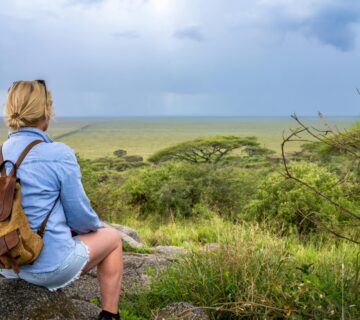
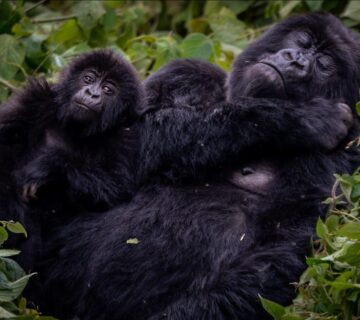
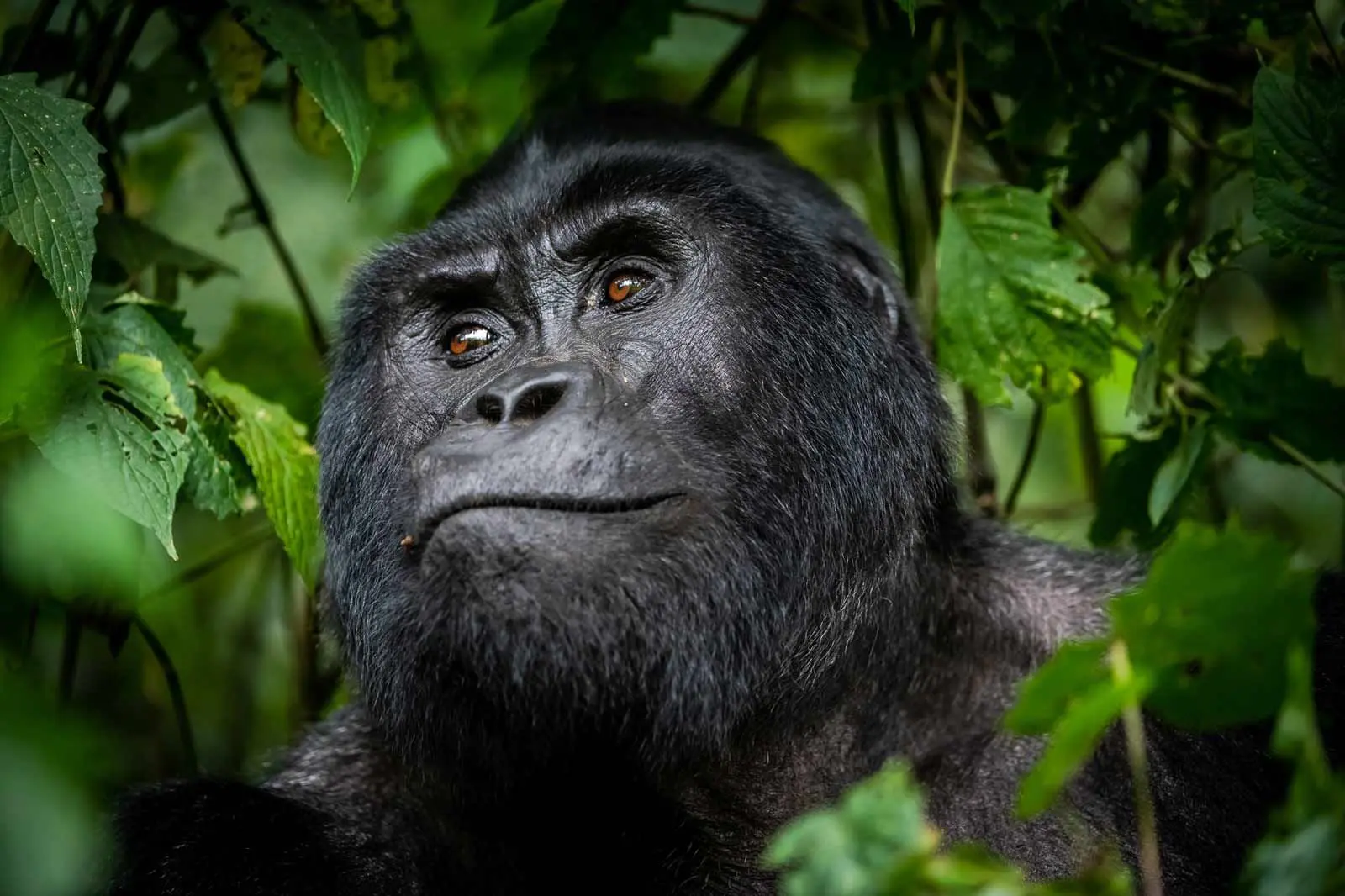
For travellers visiting Rwanda for safari experiences, including gorilla trekking, chimpanzee tracking, or wildlife tours, malaria awareness is an essential part of preparation.
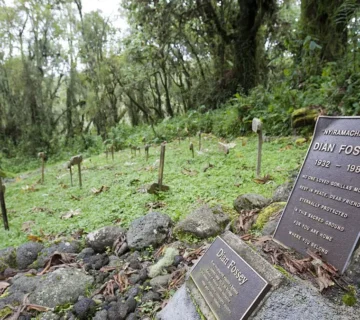
Even in highland destinations such as Volcanoes National Park or Nyungwe Forest, where temperatures are cooler, malaria risk is reduced but not eliminated. Trekkers often move between different altitudes during their journey, which means exposure can still occur in transit areas or lower elevation stopovers.
Safari lodges and camps usually implement mosquito control measures, but travellers should not rely solely on accommodation standards for protection. Personal preventive behaviour remains the most important factor.
Malaria treatment and healthcare in Rwanda
Rwanda has a relatively strong healthcare system for malaria diagnosis and treatment compared to many malaria-endemic countries. Rapid diagnostic testing is widely available in both urban and rural health centres, allowing for quick confirmation of infection.
Treatment is typically effective when administered early. Artemisinin-based combination therapies are the standard treatment for uncomplicated malaria caused by Plasmodium falciparum. With timely care, recovery rates are high.
However, delayed treatment can lead to complications, especially in severe cases. This is why early recognition of symptoms and immediate medical attention are critical.
Risk awareness for travellers
For visitors, the key issue is not panic but preparedness. Malaria in Rwanda is a manageable risk when proper precautions are taken. Most travellers who follow standard prevention measures complete their trips without infection.
The most important mindset is understanding that malaria risk is continuous rather than seasonal or location-specific. Even urban stays and short visits carry some level of exposure.
Malaria in Rwanda is an ongoing health reality rather than a limited or seasonal concern. It is present across the country, with higher transmission in low-altitude and warmer regions and reduced but not absent risk in highland and urban areas. While Rwanda has made strong progress in control and treatment, malaria remains endemic due to environmental, climatic, and biological factors.
For travellers, especially those exploring Rwanda’s national parks and safari circuits, prevention is straightforward but essential. Protection against mosquito bites, awareness of symptoms, and, where appropriate, medical prophylaxis form the foundation of safe travel in the country.
Understanding malaria in Rwanda is ultimately about balance. The risk exists, but it is well understood, manageable, and significantly reduced through consistent preventive behaviour.
Start Planning Your Next Trip To Africa
If you can picture yourself in one—or several—of these exceptional retreats, the next move is simple. We design fully tailored African safaris that bring these experiences together seamlessly, from private gorilla encounters to luxury lodges in the heart of the wild.
Every detail is carefully planned, so your journey feels effortless from start to finish. Reach out in whichever way suits you best, and let’s begin crafting your safari.
Start Planning