Internal Flights in Tanzania: Which Bush Strips Connect the Parks and When to Use Them
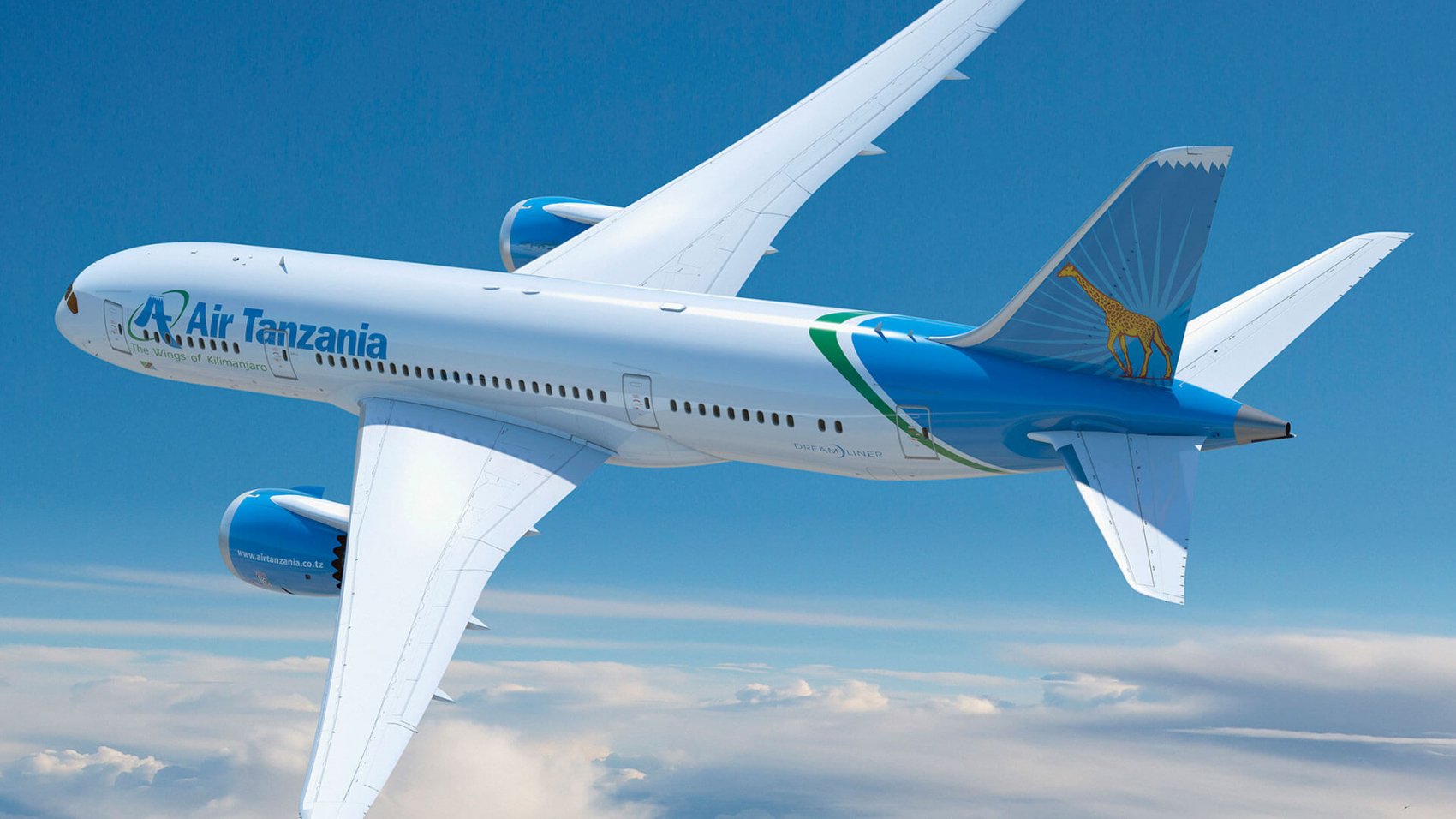
Internal flights are one of the most important parts of a Tanzania safari, but also one of the most misunderstood. Many travellers assume safaris are purely road-based experiences, when in reality, the aviation network inside the country is what makes multi-park itineraries efficient, especially across the northern circuit and the Serengeti National Park ecosystem.
These flights operate between small bush airstrips rather than large airports, and they are designed specifically to connect remote wildlife areas with minimal travel time.
Understanding how they work determines whether your safari feels smooth and well-paced or unnecessarily long and fragmented.
Why Bush Flights Matter in Tanzania Safaris
Tanzania is geographically large, and its key safari parks are separated by long distances and rough terrain. Driving between major destinations like Arusha, Ngorongoro, and the Serengeti can take several hours per segment.
Bush flights solve this by replacing long road transfers with short aerial hops.
Instead of spending most of a day in a vehicle, you can move between ecosystems in under an hour, arriving directly inside wildlife zones rather than on their edges.
This changes the structure of the safari completely. More time is spent in game viewing areas and less time in transit.
The Serengeti Airstrip Network
The most important aviation network in Tanzania is within the Serengeti system itself. The Serengeti National Park is served by multiple bush airstrips positioned strategically across its vast landscape.
Each airstrip connects to different ecological zones depending on seasonal wildlife movement.
Seronera Airstrip (Central Serengeti)
Seronera Airstrip is the main hub of the central Serengeti.
This is the most frequently used airstrip and often the default entry point for first-time visitors flying into the park.
It provides access to:
year-round resident wildlife
lion territories in central plains
riverine habitats with leopards and elephants
Because it is centrally located, Seronera is operational throughout the year and serves as the backbone of Serengeti flight logistics.
Kogatende Airstrip (Northern Serengeti)
Kogatende Airstrip serves the northern Serengeti region near the Mara River system.
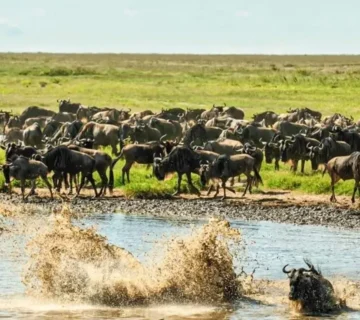
This airstrip becomes especially important between July and October when migration herds move through northern corridors.
It is the primary access point for travellers targeting:
river-crossing opportunities
large herd concentrations in northern zones
predator activity linked to migration bottlenecks
Kogatende is seasonal in importance, peaking during migration months.
Grumeti Airstrip (Western Serengeti)
Grumeti Airstrip connects the western corridor of the Serengeti.
This region is known for its river systems, forested areas, and early-stage migration movement depending on rainfall timing.
It is less crowded than central or northern zones and is often used for more exclusive safari circuits.
Western Serengeti flights are typically used by travellers seeking quieter, high-end safari experiences.
Ndutu Airstrip (Southern Serengeti / Ngorongoro Border Zone)
Ndutu Airstrip sits in the southern Serengeti ecosystem near the Ngorongoro Conservation Area.
This airstrip is especially important between December and March, during calving season.
It provides access to:
open short-grass plains
large wildebeest herds during calving
high predator concentration zones
Ndutu is one of the most strategically important seasonal airstrips in the entire system.
Arusha Airport as the Main Connection Hub
Arusha Airport functions as the primary domestic hub for bush flights into Serengeti airstrips.
Travellers typically arrive internationally at Kilimanjaro Airport, transfer to Arusha, and then board small aircraft into Serengeti zones depending on itinerary design.
Arusha is not a safari destination itself. It is a logistics gateway that connects road-based arrivals to air-based safari movement.
When You Should Use Internal Flights
Internal flights are not always necessary, but they are highly valuable in specific scenarios.
They are best used when:
your itinerary includes multiple Serengeti regions
you want to avoid long road transfers
you are combining northern parks in a short timeframe
you are doing luxury or high-comfort safaris
you are linking Tanzania with Zanzibar after safari
They are especially useful when time is limited and efficiency is important.
When Road Transfers Still Make Sense
Despite the advantages of flying, road transfers still play an important role.
Driving between parks allows:
gradual landscape transition
cultural and village exposure
flexibility for short detours or sightings
For example, driving from Arusha to Tarangire or Ngorongoro is still common and practical because distances are relatively manageable and scenic value is high.
The Trade-Off: Time vs Ground Experience
The key decision between flying and driving is not just convenience. It is experience design.
Flying prioritises speed and maximising time in wildlife areas. Road travel prioritises gradual immersion and landscape continuity.
Most well-designed safaris use a combination of both:
road transfers for nearby parks
internal flights for long-distance Serengeti movement
This hybrid structure is what creates efficient, balanced itineraries.
Insight
Internal flights are the backbone of modern Tanzania safari logistics. Without them, multi-region itineraries across the Serengeti National Park would require significantly more time on the road and reduce actual wildlife viewing hours.
Bush airstrips like Seronera, Kogatende, Grumeti, and Ndutu are not just transport points—they are strategic access gates into different ecological zones of the Serengeti system.
The real value of internal flights is not just convenience. It is precision. They allow you to enter the exact part of the ecosystem you want, at the exact time it matters, without wasting days in transit.
Start Planning Your Next Trip To Africa
If you can picture yourself in one—or several—of these exceptional retreats, the next move is simple. We design fully tailored African safaris that bring these experiences together seamlessly, from private gorilla encounters to luxury lodges in the heart of the wild.
Every detail is carefully planned, so your journey feels effortless from start to finish. Reach out in whichever way suits you best, and let’s begin crafting your safari.
Start Planning