Tanzania Safari and Zanzibar Beach: The Classic East Africa Combination Explained
The combination of a wildlife safari in Tanzania and a beach stay in Zanzibar is one of the most established long-haul travel itineraries in Africa. It works because it is not just two destinations—it is two completely different environments placed in sequence to create contrast: high-intensity wildlife viewing followed by low-intensity coastal relaxation.
In practical terms, this pairing links the safari ecosystems of the Serengeti National Park and the crater landscapes of the Ngorongoro Crater with the Indian Ocean coastline of Zanzibar. The result is a structured journey that moves from movement and tracking to stillness and recovery.
Why This Combination Works So Well
The strength of this itinerary lies in psychological pacing.
A safari is visually and emotionally intense. You are tracking wildlife, interpreting movement patterns, and spending long hours in changing terrain. Even in luxury settings, the experience is active and alert.
Zanzibar does the opposite. It removes urgency. There are no game drives, no tracking decisions, and no movement-based planning. The focus shifts to rest, water, and time.
This contrast is what makes the combination effective rather than repetitive. It prevents fatigue and creates a clear ending phase to the journey.
The Safari Component: What Usually Happens First
Most itineraries begin with northern Tanzania because it offers the strongest wildlife density and variety.
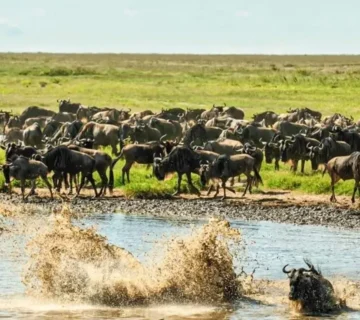
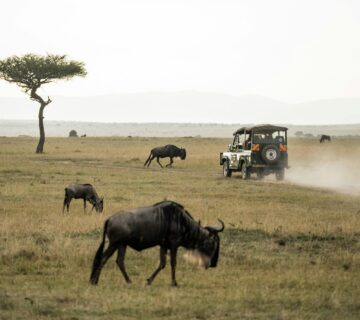
The Serengeti provides large-scale wildlife movement, especially during migration periods. Depending on timing, travellers may see calving in the south, river crossings in the north, or predator action in central regions.
The Ngorongoro Crater adds a different dimension. It is a contained ecosystem where wildlife sightings are highly concentrated, often within a shorter driving distance. This makes it a strong contrast to the open plains of the Serengeti.
Together, these two areas create a complete safari arc: open movement followed by compressed density.
The Transition Phase: From Bush to Coast
The transition from safari to Zanzibar is not just a change of location—it is a change of rhythm.
Most travellers fly from northern Tanzania directly to Zanzibar, usually via Arusha or Kilimanjaro. This transition is short, but the psychological shift is significant.
You move from early mornings, dust, and game drive schedules to a fixed environment shaped by tides, beaches, and resort routines.
This transition phase is intentional. It allows the body and mind to decompress after several days of active wildlife viewing.
Zanzibar: The Recovery and Completion Phase
Once in Zanzibar, the entire structure of travel changes.
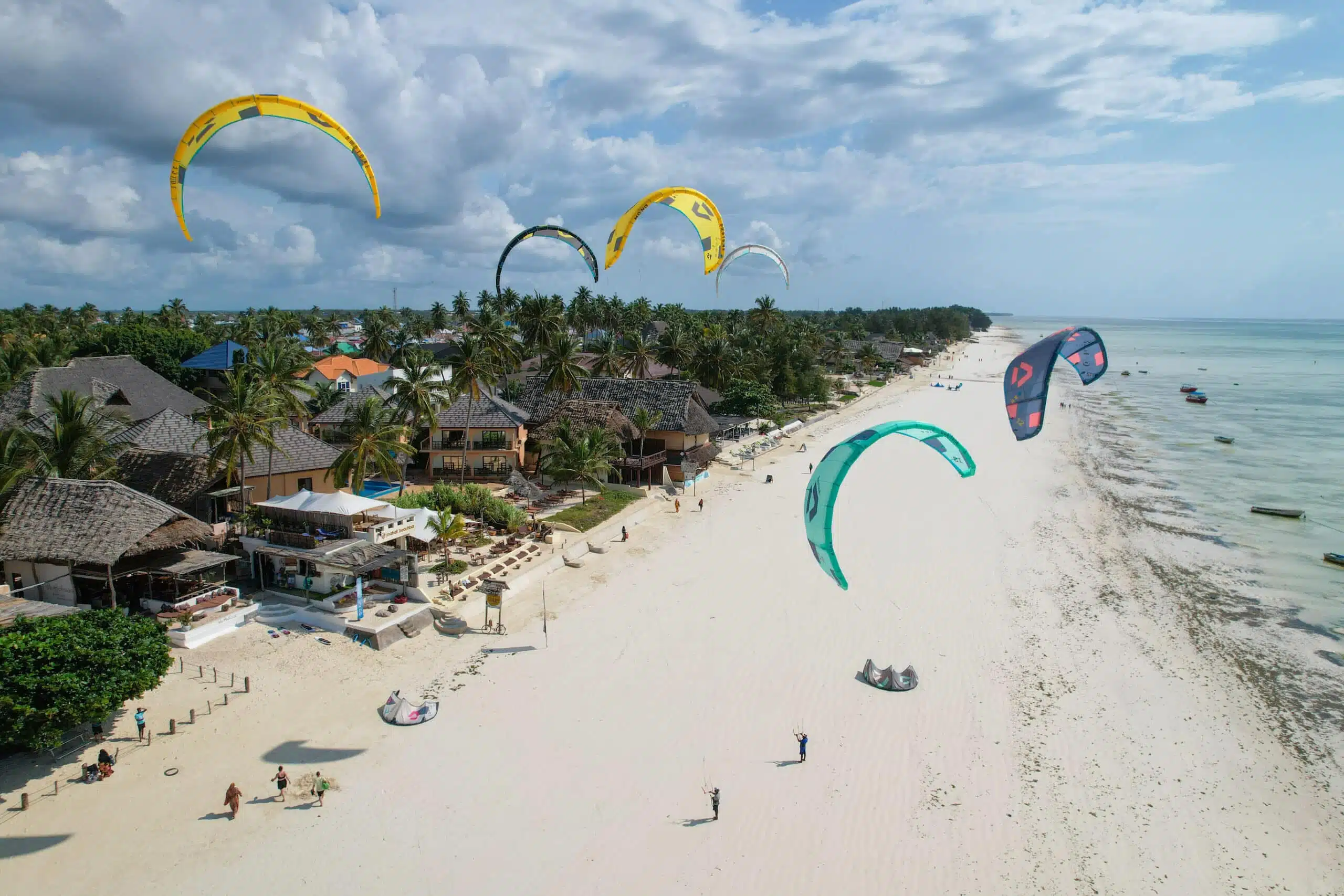
Days are no longer driven by wildlife movement but by personal preference. Activities shift toward ocean-based experiences such as dhow sailing, snorkelling, or simply staying at the beach.
The coastline offers a different kind of luxury—less about exploration and more about recovery.
This is where the safari experience settles. The intensity of the bush is replaced by stillness, and the focus shifts from observation to relaxation.
Choosing the Right Safari Before Zanzibar
The quality of the Zanzibar experience is directly influenced by the safari that comes before it.
A strong safari phase typically includes at least one major wildlife region such as the Serengeti, combined with a secondary contrast area like Ngorongoro or Tarangire.
The key is not just seeing wildlife, but experiencing variation in landscape and density. Without that contrast, Zanzibar becomes just another beach stop rather than a completion phase.
Timing also matters. During migration months, the Serengeti adds high-intensity wildlife moments that make the transition to Zanzibar feel more meaningful.
Where to Stay in Zanzibar (Experience Logic, Not Just Luxury)
Zanzibar accommodation choices are generally divided into two styles.
The first is resort-based stays, where the focus is on facilities, pools, dining, and structured beach access. These are suitable for travellers who want predictable comfort and full-service environments.
The second is villa-style or boutique stays, where privacy is prioritized over scale. These are often preferred by couples or travellers who want a quieter, more isolated coastal experience.
The key difference is not quality—it is social density versus privacy.
Why This Combination Is Considered the “Classic” Route
The Tanzania–Zanzibar itinerary has become a standard for several reasons.
First, it is logistically efficient. Internal flight connections between safari regions and Zanzibar are well established.
Second, it balances two extremes of travel experience: active wildlife immersion and passive coastal relaxation.
Third, it appeals to a wide range of travellers—from honeymooners to families to first-time safari visitors—because it does not require choosing between adventure and rest.
Finally, it creates a natural narrative structure: arrival, exploration, climax, and resolution.
Common Mistakes in Planning This Combination
One of the most common planning mistakes is treating Zanzibar as an optional add-on rather than an integrated phase of the trip.
When too little time is allocated to the safari, the experience feels incomplete. When too little time is allocated to Zanzibar, the journey feels rushed.
Another mistake is mismatching lodge quality with expectations. High-end safari lodges paired with low-quality beach accommodation (or vice versa) can create imbalance in perceived value.
Timing is also often underestimated. Seasonal wildlife movement in the Serengeti can dramatically affect safari quality, which in turn affects the overall trip experience.
Ideal Duration Structure
While itineraries vary, a balanced structure typically follows this logic:
Several nights in northern Tanzania for wildlife immersion, followed by a transition through a crater or secondary park, and then a final beach phase in Zanzibar.
The key principle is not equal time distribution, but progressive slowing down of the travel experience.
Insight
The Tanzania safari and Zanzibar beach combination works because it is built on contrast, not repetition.
The safari phase in the Serengeti and Ngorongoro Crater delivers intensity, movement, and unpredictability. Zanzibar delivers stillness, stability, and recovery.
Together, they form a complete travel cycle rather than two separate holidays.
When planned correctly, this is not just a popular itinerary—it is one of the most balanced long-distance travel structures available anywhere in the world.
Start Planning Your Next Trip To Africa
If you can picture yourself in one—or several—of these exceptional retreats, the next move is simple. We design fully tailored African safaris that bring these experiences together seamlessly, from private gorilla encounters to luxury lodges in the heart of the wild.
Every detail is carefully planned, so your journey feels effortless from start to finish. Reach out in whichever way suits you best, and let’s begin crafting your safari.
Start Planning