Bwindi Impenetrable National Park
Uganda’s Gorilla Trekking Capital
Location: Southwestern Uganda, in the Kigezi Highlands near the border with the Democratic Republic of Congo and Rwanda.
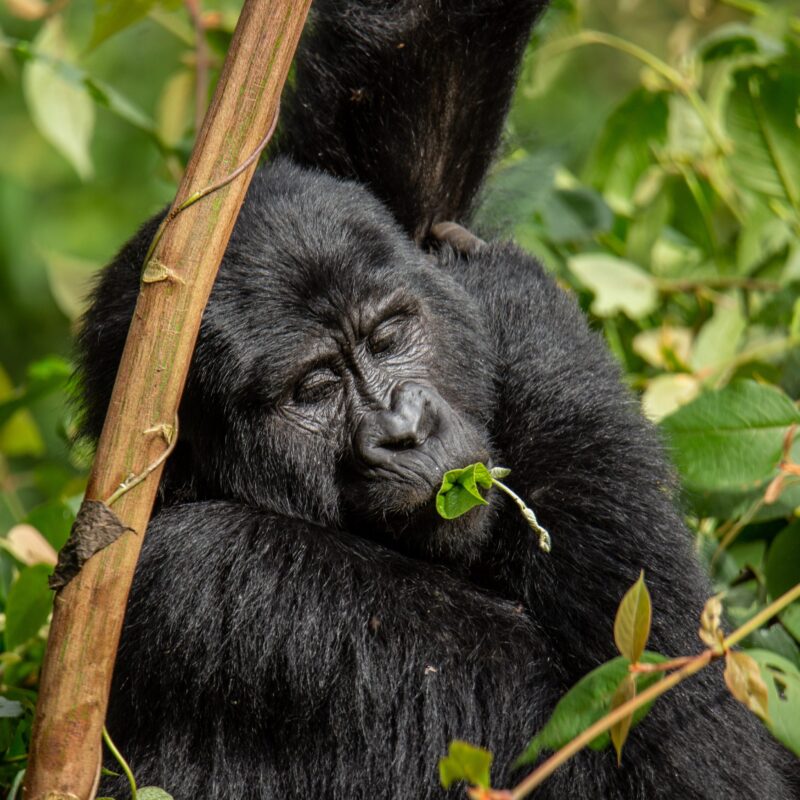
If Uganda has a crown jewel, it is Bwindi. This ancient, mist-draped rainforest is one of the most biologically rich ecosystems in Africa and its most famous residents are the mountain gorillas. Approximately 459 of the world’s remaining mountain gorillas live here roughly half of the entire global population across more than 20 habituated family groups spread between the park’s four sectors (Buhoma, Ruhija, Rushaga and Nkuringo).
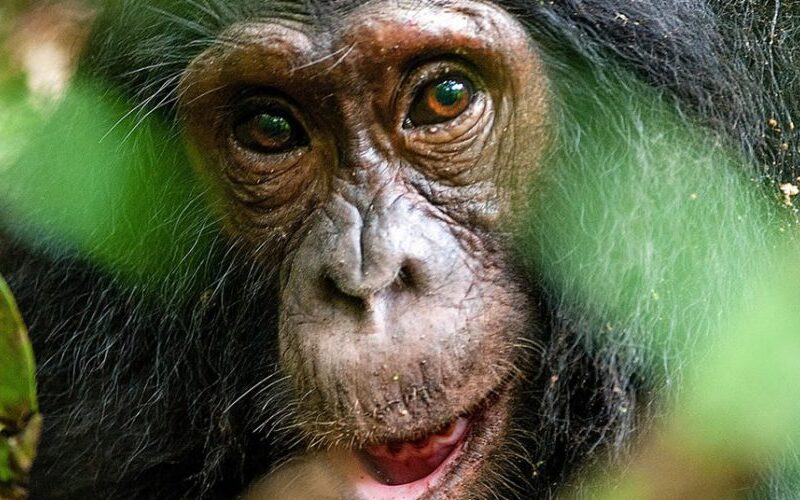
Beyond gorillas, Bwindi is also a haven for birdwatchers with 23 Albertine Rift endemic bird species recorded here and home to chimpanzees and a breathtaking range of plant life.
Bwindi Impenetrable National Park
Gorilla Trekking in Bwindi | Trekking Sectors of Bwindi | Gorilla Habituation Experience | Birdwatching & Batwa Cultural Experience
Located in the Kigezi Highlands of southwestern Uganda, straddling the rim of the Western Rift Valley, this extraordinary forest is one of the oldest and most biologically diverse rainforests on earth and home to almost half of the world’s remaining mountain gorillas. Declared a UNESCO World Heritage Site in 1994, Bwindi covers approximately 331 square kilometres of dense, mist-covered terrain that has survived as continuous forest for over 25,000 years. Ancient trees draped in moss and lichen rise above a tangle of vines, ferns, and undergrowth so thick that light barely reaches the forest floor.
The 4 Trekking Sectors of Bwindi Impenetrable National Park
Bwindi is divided into four distinct trekking sectors, each serving different habituated gorilla families across different areas of the park. Choosing the right sector based on your gorilla permit, lodge preferences, and travel route is one of the most important decisions in planning your Bwindi visit.
Buhoma – The Original Sector
Buhoma is where gorilla trekking began at Bwindi, with the first permits issued here in 1993. Located on the park’s northern edge, it remains the most established and most visited sector and for good reason. It’s the most accessible from Kampala, connected by a daily scheduled flight to Kihihi airstrip (roughly one hour from Entebbe), and it sits at the heart of the richest concentration of luxury lodges. Buhoma is also the starting point for some of Bwindi’s finest forest walks including the Munyaga River Trail. For first-time gorilla trekking visitors flying into Uganda, Buhoma is the classic choice.
Rushaga – The Gorilla Capital
Rushaga, in Bwindi’s southern sector, hosts the highest number of habituated gorilla families of any sector in the park making it the most prolific destination for gorilla encounters. It’s also the only sector in the world where the Gorilla Habituation Experience is available, an extended four-hour encounter with a gorilla family still in the process of habituation, limited to just four visitors per day. For guests travelling overland from Rwanda via Kisoro a drive of around four to six hours from Kigali, Rushaga is the natural entry point. Several excellent luxury lodges and camps have established themselves in and around Rushaga in recent years.
Nkuringo – The Dramatic Sector
Nkuringo sits at over 2,000 metres on Bwindi’s southern edge, offering the most physically demanding trekking experience in the park and some of the most spectacular forest scenery. The terrain here is steep and breathtaking, with sweeping views across the Virunga volcanoes into the Democratic Republic of Congo. Treks in Nkuringo are reliably challenging, which means they’re generally quieter and attract adventurous travellers who want a more remote, strenuous encounter. Nkuringo is also home to exceptional multi-day guided forest walks. It’s served by Kisoro airstrip, approximately 90 minutes away.
Ruhija – The Birder’s Sector
Ruhija sits in Bwindi’s northeast, at the highest altitude of any sector, and is the quietest and most remote corner of the park. Gorilla trekking is available here, with several habituated families, but Ruhija’s primary reputation is among birdwatchers, it is widely considered the finest birding location in Uganda, offering the best chance of encountering Bwindi’s most sought-after Albertine Rift endemics.
Activities in Bwindi Impenetrable National Park
Gorilla Trekking
The reason most visitors make the journey to southwestern Uganda, and one of the most extraordinary wildlife encounters on the planet. With more than 20 habituated gorilla families spread across the park’s four sectors, Bwindi offers more gorilla trekking opportunities than anywhere else on earth.
Your trek begins at the designated sector headquarters, typically at 08:00 after a briefing from Uganda Wildlife Authority rangers. Accompanied by experienced trackers and rangers, you set off into the forest a walk that can last anywhere from 30 minutes to 5 or 6 hours depending on where the gorilla family has moved overnight. The forest is steep, wet in places, and genuinely dense, which is all part of it.
When you find them, you are allowed one hour in their company. Groups are limited to eight visitors per gorilla family per day, and the experience is as intimate as wildlife encounters get silverbacks moving through the undergrowth at arm’s reach, mothers nursing infants, juveniles tumbling and playing in the trees above. Guests consistently describe it as the most extraordinary thing they have ever done.
The Uganda gorilla trekking permit costs USD $800 for foreign nonresisdents and USD $700 for foreign resisdents and must be booked well in advance especially for peak season travel between June and September and December to February. During the low-season months of April, May, and November, discounted permits are available at USD $600 for foreign non-residents and USD $500 for foreign residents.
Gorilla Habituation Experience
The Gorilla Habituation Experience is available exclusively in Bwindi’s Rushaga sector and represents an even deeper, rarer kind of encounter. Rather than spending an hour with a fully habituated gorilla family, you spend up to four hours with a family that is still in the process of becoming accustomed to human presence accompanied by researchers, trackers and rangers who are actively working through the multi-year habituation process.
Limited to just four visitors per day, with permits priced at USD $1,800 per person, this is one of the most exclusive and intimate wildlife experiences available anywhere in the world. The extended time allows you to observe natural behaviours foraging, socialising, resting, play in a way that the standard one-hour encounter simply cannot replicate. For guests who want to go beyond gorilla trekking, this is extraordinary.
Birdwatching
With over 350 recorded bird species including 23 Albertine Rift endemics found nowhere else in Uganda, Bwindi is one of Africa’s great birdwatching destinations, and it is deeply underappreciated as such. The rarest and most sought-after species include the African green broadbill, Shelley’s crimsonwing, the short-tailed warbler, and the elusive African tit. Guided birding walks can be arranged from all four sectors, but Ruhija in the northeast is the acknowledged specialist location, consistently producing the highest numbers of endemic and rare sightings. Combine a gorilla trek in Buhoma or Rushaga with one or two nights in Ruhija for a genuinely comprehensive Bwindi experience.
Batwa Cultural Experience
The Batwa pygmies are the original forest people of Bwindi, a community who lived within this forest for thousands of years before the park’s establishment displaced them from their ancestral home. Today, Batwa cultural experiences offer guests a deeply moving and respectful encounter with this remarkable community: sharing traditional forest knowledge, storytelling, music and the ancient skills of survival in the forest that sustained them for generations.
The Buniga Batwa Forest Trail near Nkuringo is particularly well-regarded, offering a guided walk with Batwa community members through the forest they once called home, with proceeds providing direct income support to the community. It is one of the most emotionally resonant experiences you can add to a Bwindi itinerary, humbling, illuminating and genuinely important.
Forest Nature Walks
Bwindi’s ancient forest rewards those who spend time inside it beyond the gorilla trek. A range of guided nature walks are available across the park’s sectors. In Buhoma, the Munyaga River Trail leads through beautiful riverside forest to a pristine waterfall excellent for birding and forest immersion alike. The Ivy River Trail is a longer, more demanding walk deeper into the park’s interior. In Nkuringo, Nkuringo Walking Safaris operate multi-day guided walks along ancient trails through parts of the forest very few tourists ever reach an outstanding option for serious adventurers.
Community Village Walks
Several communities surrounding the park offer guided village walks that provide genuine, warm and enriching insights into daily life in this remarkable part of Uganda visiting local homes, schools, craft cooperatives and the award-winning Bwindi Community Hospital. These walks are consistently among the most enjoyed additions to a Bwindi itinerary and make a meaningful, direct contribution to local livelihoods.
Best Time to Visit Bwindi
Gorilla trekking is available year-round at Bwindi, and no month guarantees a failed encounter, success rates remain high throughout the year. That said, conditions and logistics vary significantly across seasons and the right timing depends on what matters most to you.
Peak Season: June to September & December to February
These are the driest months in Bwindi and the most popular times to visit. Forest trails are firmer underfoot, and the reduced rainfall makes for more comfortable trekking conditions. Gorilla activity is also slightly more predictable during dry periods. These months are in high demand, permits sell out weeks or months in advance and lodge availability is tightest.
Green Season: March to May & October to November
The rainy seasons bring lush, atmospheric forest scenery therefore Bwindi at its most dramatically alive. Trails are muddier and treks can be more physically demanding, but the forest is beautiful, the birdlife is exceptional and the pace is quieter. Discounted permits and lodges are easier to secure, rates at some properties are lower, and the experience feels more intimate. Many experienced travellers consider this the most rewarding time to visit.
Gorilla Permits & Booking
All gorilla trekking in Uganda is regulated by the Uganda Wildlife Authority (UWA), which issues a fixed number of permits per gorilla family per day. Permits must be booked in advance and are non-transferable.
Uganda Gorilla Trekking Permit: USD $800 for foreign non-resisdents, USD $700 for foreign residents, USD $500 for residents of Africa, UGX 300,000 for East African residents.
Gorilla Habituation Experience (Rushaga only): USD $1,800 for foreign non-resisdents, USD $1,600 for foreign residents, USD $1,000 for residents of Africa, UGX 750,000 for East African residents.
Permits can be booked directly through UWA or more reliably for international visitors through a licensed Ugandan tour operator like Engabi Tours and Travel, who will handle the booking, confirm your sector and integrate your permit into a full safari itinerary. Waiting until you arrive in-country to secure a permit, particularly for peak season travel, is not advisable.
Key booking considerations:
- Peak season permits (June to September, December to February) should be booked 6 months in advance
- Gorilla Habituation permits are among the rarest in Uganda, book as early as possible
- Your permit will specify a sector (Buhoma, Rushaga, Ruhija, or Nkuringo) make sure your lodge is in or near the correct sector.
- Trekkers must be 15 years or older and in reasonable health. Those with colds, flu, or active infections may be asked to stand down to protect the gorillas’ health.
Getting to Bwindi from Kampala & Kigali
From Kampala
By Scheduled Domestic Flight (Recommended)
The fastest and most comfortable option is a scheduled flight from Entebbe International Airport to one of two airstrips serving Bwindi:
- Kihihi Airstrip – serves the Buhoma sector. Flight time approximately 1 hour from Entebbe, followed by around 1 to 1.5 hours by road to Buhoma lodges.
- Kisoro Airstrip – serves the Nkuringo and Rushaga sectors. Flight time approximately 1 hour from Entebbe, followed by 45 minutes to 1.5 hours by road depending on your lodge.
Flights are typically operated by Aerolink Uganda and depart Entebbe in the morning.
By Road
Bwindi is approximately 8 to 9 hours from Kampala by road, depending on your chosen sector and road conditions. The drive passes through Fort Portal or Kabale and traverses some of Uganda’s most scenic landscapes, the tea plantations of the Kigezi Highlands, the crater lakes near Kabale and the dramatic descent into the Rift Valley. It’s a long drive but a beautiful one and many guests combine it with stops at Queen Elizabeth National Park or Lake Bunyonyi.
From Kigali, Rwanda
Bwindi is highly accessible from Rwanda, making it a natural addition to a combined gorilla itinerary in the region. From Kigali:
To Rushaga/Nkuringo sectors: approximately 4 to 5 hours by road via the Katuna/Gatuna border crossing and onward through Kabale
To Buhoma sector: approximately 5 to 6 hours by road
The Rwanda–Uganda gorilla combination is one of the most compelling itineraries in East Africa, allowing guests to trek with mountain gorillas in both countries on the same trip.
Where To Find It
LOCATION
Uganda Travel Advice
Malaria in Uganda
How Far in Advance Should You Book a Uganda Gorilla Permit?
Community Lodges Near Bwindi
Uganda Gorilla Permit Cost
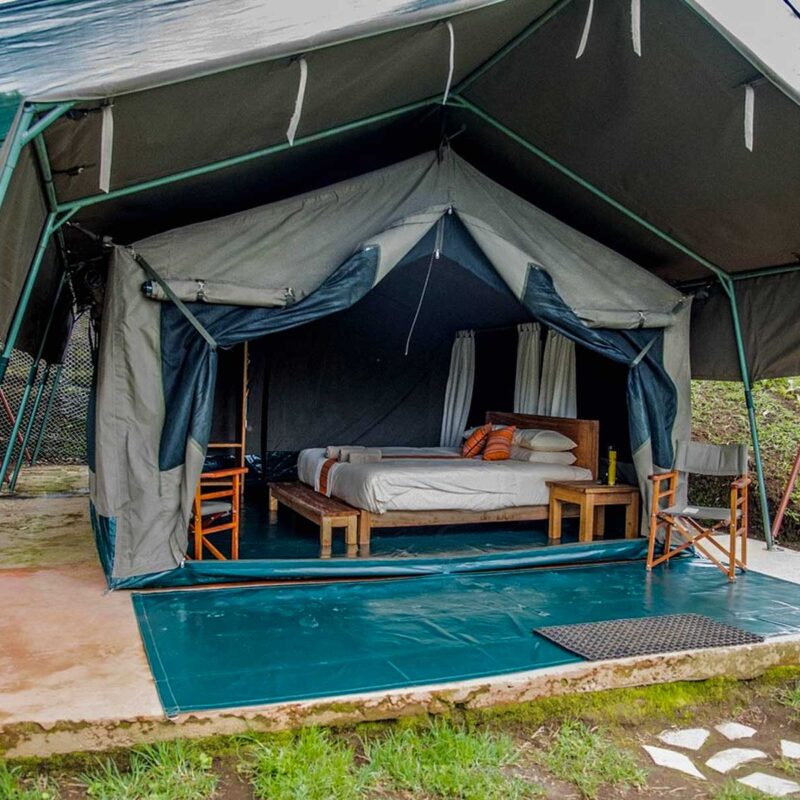
Tented Camp vs Fixed Lodge in Uganda