How Rwanda Became Africa’s Conservation Model: The Story Behind the Numbers
A different kind of conservation success story
Rwanda is often described as Africa’s conservation success story, but that label can sound abstract until you understand what actually changed on the ground. This is not a country that simply “protected wildlife better.” It rebuilt an entire conservation system from the ground up and tied it directly to national development.
Today, Rwanda is known for mountain gorilla trekking, well-managed national parks, and clean, structured tourism. What sits behind that image is a carefully designed framework where conservation is treated as a national priority, not a side project.
To understand how Rwanda became a model, you have to look at what it started with, what it changed, and how those changes still shape safari experiences today.
Rebuilding after collapse and redefining conservation
Modern conservation in Rwanda was rebuilt after 1994, when the country faced a major national crisis. During that period, protected areas were damaged, wildlife protection weakened, and institutional systems disrupted.
In the years that followed, Rwanda focused on rebuilding governance and stability. Conservation was not treated separately from this process. Instead, it became part of national recovery planning.
This is a key difference. Many countries treat conservation as an environmental issue. Rwanda treated it as part of rebuilding the state itself.
Protected areas were reorganized, park management was strengthened, and enforcement systems were restored under a more centralized and coordinated structure.
Volcanoes National Park and the mountain gorilla turnaround
The clearest example of Rwanda’s conservation progress is Volcanoes National Park.
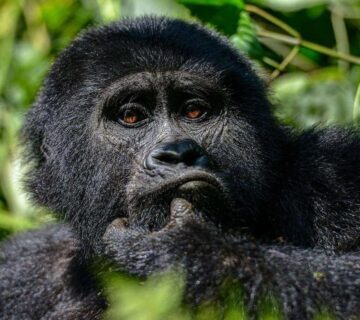
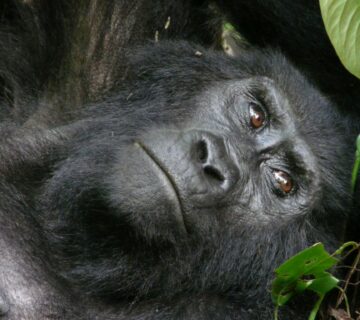
This park protects mountain gorillas in the Virunga Mountains. At one point, gorilla populations were under serious pressure from poaching, habitat loss, and instability in the region.
Over time, protection efforts became more structured. Ranger presence increased. Monitoring improved. Research played a stronger role in guiding decisions.
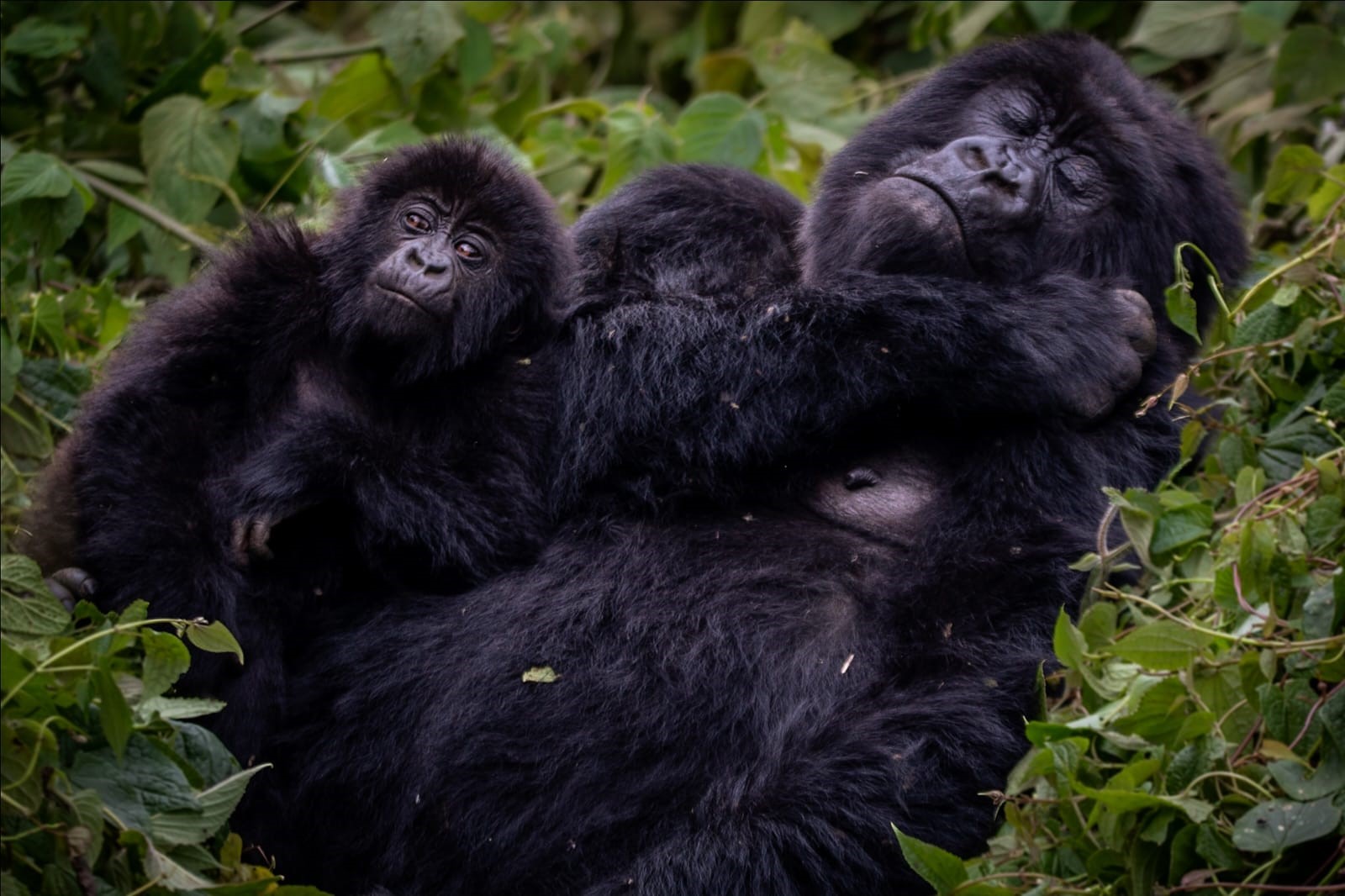
Gradually, gorilla populations stabilized and began to grow. Today, mountain gorillas are one of the few great ape species showing a positive population trend.
This shift did not happen quickly. It required consistent protection over decades.
From protection to tourism-based conservation
A major turning point came when Rwanda introduced regulated gorilla tourism.
Instead of keeping gorillas completely closed off, the country created a controlled system where small groups of visitors can track habituated gorilla families.
This system is highly structured. Visitor numbers are limited. Time with gorillas is restricted. Access is carefully managed.
The important change is what this system finances. Gorilla trekking permits generate direct revenue that supports conservation work, ranger salaries, and community programs.
This means wildlife protection is no longer dependent only on external funding. It is partially self-financed through tourism.
Communities became part of the conservation system
Rwanda did not build conservation only around parks. It also integrated surrounding communities into the system.
A portion of tourism revenue is shared with local communities near protected areas. This money supports schools, health centres, and infrastructure projects.
This approach changed how people relate to national parks. Instead of seeing conservation areas as restricted land, many communities now see them as sources of benefit.
Local residents also participate directly in tourism. They work as guides, porters, trackers, and artisans.
This creates a direct economic link between conservation success and community wellbeing.
Akagera National Park and ecosystem restoration
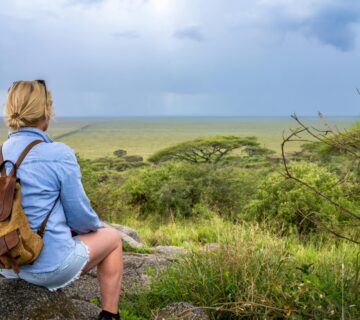
Akagera National Park shows how Rwanda applied the same conservation logic outside gorilla habitats.
This park is a savannah ecosystem in eastern Rwanda. Years ago, it suffered from severe poaching and habitat decline. Large predators disappeared from the area.
Through long-term management and partnerships, the park was restored. Lions were reintroduced, followed by rhinos under strict protection systems.
Today, Akagera supports a full Big Five ecosystem with elephants, buffalo, giraffes, predators, and other wildlife species.
This is important because it shows that Rwanda’s model works beyond forests. It also works in savannah environments.
Nyungwe Forest and long-term biodiversity protection
Nyungwe Forest National Park adds another layer to Rwanda’s conservation system.
It protects one of Africa’s oldest montane rainforests. The park is home to chimpanzees and many other primates, along with hundreds of plant and bird species.
Conservation here focuses on habitat protection and controlled eco-tourism. Activities such as chimpanzee trekking and canopy walks are carefully regulated.
Nyungwe shows that Rwanda does not rely on a single flagship species. It manages multiple ecosystems at the same time.
Enforcement and control as a core strength
One of the strongest reasons Rwanda’s conservation system works is enforcement.
Ranger teams operate continuously inside protected areas. Monitoring systems track wildlife and human activity. Anti-poaching units are active and well coordinated.
Visitor access is also tightly controlled. Gorilla trekking permits are limited each day, and group sizes are small.
These rules are not optional. They are strictly enforced to reduce pressure on wildlife.
This level of control helps maintain long-term ecosystem stability.
High-value tourism instead of mass tourism
Rwanda follows a clear tourism strategy that prioritizes value over volume.
Instead of increasing visitor numbers, the country focuses on attracting fewer visitors who spend more per experience.
This reduces environmental pressure on national parks. It also generates enough revenue to support conservation and national development.
Luxury safari tourism fits naturally into this model. High-end lodges, guided experiences, and curated itineraries all contribute to the system.
This is why Rwanda feels more structured and exclusive compared to many other safari destinations.
Why international partnerships matter
Rwanda’s conservation system also benefits from strong international partnerships.
Conservation organizations, research groups, and tourism operators work alongside government agencies.
These partnerships provide funding, technical support, and training for conservation staff.
They also support scientific research and long-term wildlife monitoring.
This cooperation strengthens the overall system and ensures global standards are met.
Why Rwanda is considered a model in Africa
Rwanda is seen as a conservation model because it connects several systems that often operate separately in other countries.
Most importantly, it links conservation directly to national development planning.
This integration is what makes Rwanda different.
Ongoing challenges in the system
Even with its success, Rwanda still faces challenges.
Population growth increases pressure on land near protected areas. Climate variability affects ecosystems and water resources. Tourism must be carefully managed to avoid overuse of sensitive areas.
These challenges require constant adaptation and planning.
However, Rwanda’s structured system provides strong tools to manage them.
What this means for travellers today
For safari travellers, Rwanda’s conservation model directly shapes the experience.
Gorilla trekking, park visits, and wildlife encounters are not random tourism activities. They operate within a structured system designed to protect ecosystems and support communities.
Every permit purchased and every guided experience contributes to conservation funding.
This means travellers are not only observing wildlife. They are also participating in a conservation system.
Rwanda became Africa’s conservation model through structure, integration, and long-term planning.
The country rebuilt its parks after national crisis, introduced controlled gorilla tourism, restored ecosystems like Akagera, and strengthened forest protection in Nyungwe.
It also connected conservation with community development and national economic strategy.
For travellers in 2026, this means a Rwanda safari is more than a wildlife trip. It is an experience inside one of Africa’s most organized conservation systems, where every park visit supports both nature protection and local livelihoods.
Start Planning Your Next Trip To Africa
If you can picture yourself in one—or several—of these exceptional retreats, the next move is simple. We design fully tailored African safaris that bring these experiences together seamlessly, from private gorilla encounters to luxury lodges in the heart of the wild.
Every detail is carefully planned, so your journey feels effortless from start to finish. Reach out in whichever way suits you best, and let’s begin crafting your safari.
Start Planning