The Kigali Genocide Memorial: Should It Be Part of Your Rwanda Safari?
Why this question matters in Rwanda safari planning
When travellers plan a Rwanda safari, most focus immediately on gorilla trekking in Volcanoes National Park. Kigali is often treated as a transit city, and cultural or historical stops are sometimes left out entirely.
One site that consistently raises questions is the Kigali Genocide Memorial. Some travellers actively include it in their itinerary, while others avoid it due to its emotional weight.
The real question is not whether it is “pleasant” or “easy” to visit. The real question is whether it adds value to your understanding of Rwanda as a safari destination.
For most serious safari itineraries, especially luxury and high-end trips, the answer depends on what kind of experience you want from Rwanda beyond wildlife.
What the Kigali Genocide Memorial actually is
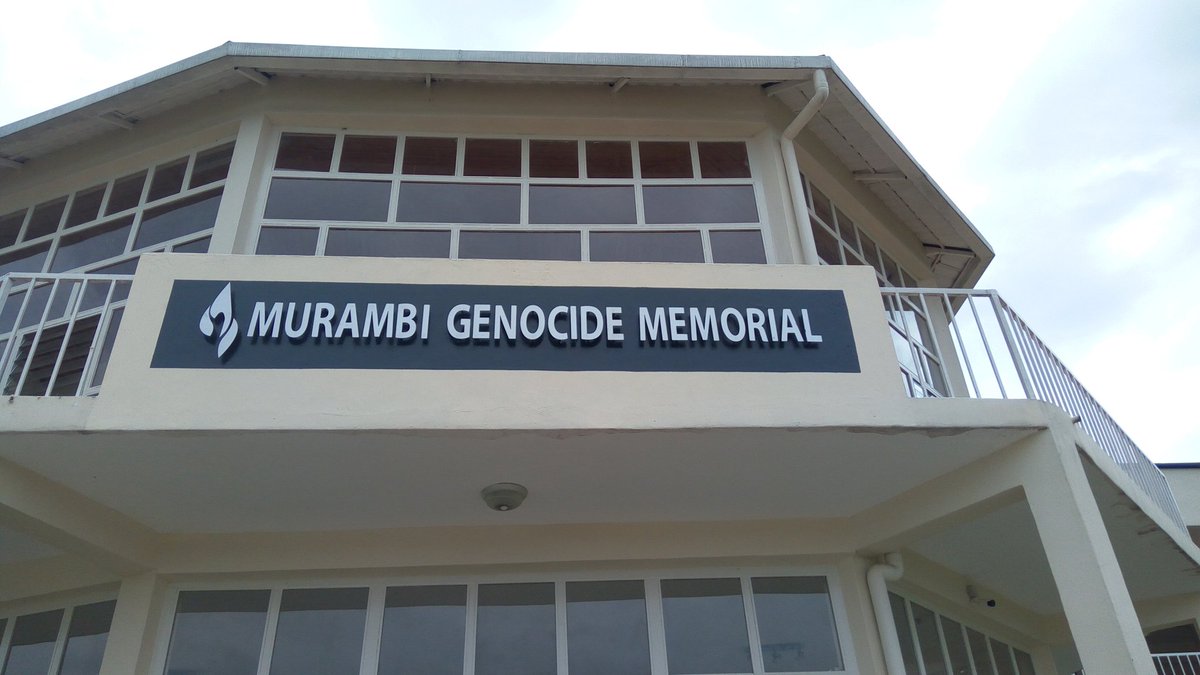
The Kigali Genocide Memorial is Rwanda’s main remembrance site for the 1994 genocide against the Tutsi. It is located in the capital city, Kigali, and serves as both a burial site and an educational centre.
The memorial documents the events that led to the genocide, how it unfolded, and how Rwanda rebuilt afterward. It includes exhibitions, survivor testimonies, historical records, and memorial gardens.
It is not a traditional tourist attraction. It is a structured place of remembrance, reflection, and education.
Why it is often included in Rwanda safari itineraries
Many Rwanda safari itineraries include Kigali at the beginning or end of the trip. This makes the memorial physically easy to access.
However, the deeper reason it is often recommended is because it explains modern Rwanda. The country’s conservation success, political stability, and tourism development are closely linked to its post-genocide recovery.
Understanding this history helps travellers interpret what they see during the safari. It adds context to why gorilla conservation is so well organized and why community-based tourism is central to Rwanda’s model.
Without this context, Rwanda can feel like just another high-end safari destination. With it, the experience becomes more meaningful and layered.
How the visit is structured
A visit to the Kigali Genocide Memorial is self-guided but structured through exhibitions and curated sections.
Visitors move through galleries that explain the historical background, the events of 1994, and the aftermath of the genocide. The site also includes burial grounds where thousands of victims are laid to rest.
The experience is designed to be reflective and educational. It encourages silence, respect, and careful engagement with the content.
Time spent at the memorial usually ranges from one to two hours depending on depth of engagement.
Emotional impact and traveller expectations
The memorial is emotionally intense. It presents real stories, images, and accounts of violence and survival.
Travellers often experience strong emotional responses, including sadness, reflection, and discomfort. This is expected and acknowledged as part of the visit.
Because of this, the memorial is not designed as light tourism. It requires emotional readiness.
Luxury travellers sometimes underestimate this aspect. They assume Kigali’s polished urban environment reflects the tone of all experiences in the city. The memorial contrasts sharply with that impression.
How it connects to gorilla trekking and conservation
Rwanda’s conservation success, especially in Volcanoes National Park, is closely linked to national rebuilding efforts after 1994.
Gorilla tourism today supports community development, park protection, and national revenue systems. This structure emerged as part of a broader strategy to rebuild the country economically and socially.
Visiting the memorial first helps travellers understand this connection.
When you later trek mountain gorillas, the experience carries additional meaning. It becomes part of a larger story about recovery, conservation, and national identity rather than just wildlife viewing.
Should luxury travellers include it in their itinerary?
For luxury travellers, the decision is not about comfort. It is about relevance.
Including the Kigali Genocide Memorial adds depth to the safari experience. It turns Rwanda from a wildlife destination into a country with a visible historical narrative.
However, it is not mandatory for every traveller. Some visitors prefer to focus exclusively on nature and wildlife experiences.
The key consideration is whether you want context alongside your safari or prefer to keep your trip purely nature-focused.
When the memorial fits best in your safari schedule
The best time to visit the memorial is usually at the beginning or end of your safari.
At the beginning, it provides context before gorilla trekking and national park visits. At the end, it allows reflection after completing wildlife experiences.
Many itineraries place it on the day of arrival in Kigali or on the final day before departure.
This avoids disrupting trekking schedules and ensures enough time for reflection without rushing.
Common mistake: skipping Kigali entirely
One of the most common mistakes in Rwanda safari planning is skipping Kigali completely.
Some travellers land, transfer immediately to Volcanoes National Park, and leave the country without spending meaningful time in the capital.
This removes all cultural and historical context from the trip.
While gorilla trekking remains the highlight, the overall understanding of Rwanda becomes incomplete.
Including at least a short Kigali stop improves the structure of the entire safari.
Balancing emotion and travel experience
It is important to acknowledge that the Kigali Genocide Memorial is not a light or recreational experience.
It sits outside the typical safari structure of wildlife viewing and scenic travel.
However, it plays an important role in understanding the country you are visiting.
Rwanda’s tourism model combines conservation, culture, and history. The memorial represents the historical foundation of that system.
Who should prioritize visiting the memorial
Travellers who value cultural depth, historical context, and meaningful storytelling will benefit most from visiting.
First-time visitors to Rwanda often gain the most insight because it frames everything they experience later in the safari.
Photographers, luxury travellers, and multi-country safari visitors also benefit because it adds narrative depth to an otherwise wildlife-focused journey.
Who may choose to skip it
Travellers who prefer purely nature-based safaris may choose to skip it.
Some visitors also find emotional experiences difficult to engage with during short trips.
In such cases, it is still possible to have a complete Rwanda safari experience focused entirely on wildlife without including the memorial.
The decision remains personal.
should it be part of your Rwanda safari?
The Kigali Genocide Memorial is not a standard tourist stop. It is a deeply significant historical site that adds important context to Rwanda as a modern safari destination.
Including it does not change the wildlife experience directly, but it changes how you understand the country around it.
For most travellers, especially those on well-planned or luxury safaris, it adds value, depth, and perspective.
Skipping it keeps the safari purely nature-focused. Including it creates a more complete understanding of Rwanda’s journey, its conservation success, and its present-day identity.
In 2026 safari planning, the strongest recommendation is not to treat it as optional entertainment, but to decide based on whether you want your Rwanda safari to be only about wildlife, or about both wildlife and the story behind the country you are exploring.
Start Planning Your Next Trip To Africa
If you can picture yourself in one—or several—of these exceptional retreats, the next move is simple. We design fully tailored African safaris that bring these experiences together seamlessly, from private gorilla encounters to luxury lodges in the heart of the wild.
Every detail is carefully planned, so your journey feels effortless from start to finish. Reach out in whichever way suits you best, and let’s begin crafting your safari.
Start Planning