3 Days vs 5 Days in Rwanda: Is a Short Gorilla Safari Worth It?
Understanding the real difference between 3 and 5 day Rwanda safaris
When travellers plan a Rwanda safari, the most common decision is whether to choose a short 3-day gorilla trekking trip or extend it to a 5-day itinerary. On the surface, both options deliver access to mountain gorillas in Volcanoes National Park. In reality, they create very different travel experiences in terms of pacing, comfort, fatigue, and overall safari value.
Rwanda is a compact country, but its safari experiences are intense. Gorilla trekking in Volcanoes National Park demands physical effort, early starts, and careful logistics. This means the number of days you choose directly affects how enjoyable and balanced your trip feels.
A 3-day safari focuses on speed and efficiency. A 5-day safari focuses on balance and immersion. The right choice depends on your travel style, expectations, and tolerance for fast-paced itineraries.
What a 3-day Rwanda gorilla safari actually looks like
A 3-day Rwanda safari is the shortest practical itinerary for gorilla trekking. It follows a very tight structure.
You arrive in Kigali and transfer quickly to Volcanoes National Park. On the next day, you complete gorilla trekking. On the final day, you return to Kigali for departure.
This structure gives you direct access to mountain gorillas in Volcanoes National Park without additional activities. It prioritises one core experience above everything else.
The main advantage of this format is efficiency. You spend less time in transit and more time focusing on the highlight experience. This makes it popular for travellers with limited vacation days or tight international schedules.
However, the short duration also creates pressure. You move quickly from arrival to trekking without much recovery time. You also miss opportunities to explore Rwanda beyond gorillas.
What a 5-day Rwanda safari adds to the experience
A 5-day Rwanda safari builds on the same gorilla trekking foundation but expands the journey into a more complete travel experience.
You still visit Volcanoes National Park for gorilla trekking, but you gain additional time before and after the trek. This extra time allows you to include activities such as golden monkey trekking, cultural village visits, or relaxed lodge stays near the park.
Some itineraries also include Kigali city exploration or Lake Kivu relaxation, depending on routing and preference.
The key difference is pacing. A 5-day safari removes pressure. It gives you time to rest, adjust to altitude, and enjoy the environment without rushing between activities.
This creates a more immersive and comfortable safari experience.
Gorilla trekking experience remains the same in both options
One important point often misunderstood is that the gorilla trekking experience itself does not change between 3-day and 5-day itineraries.
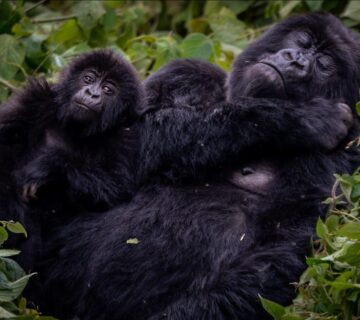
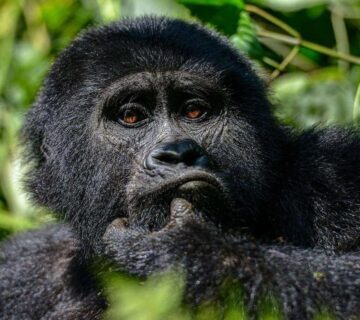
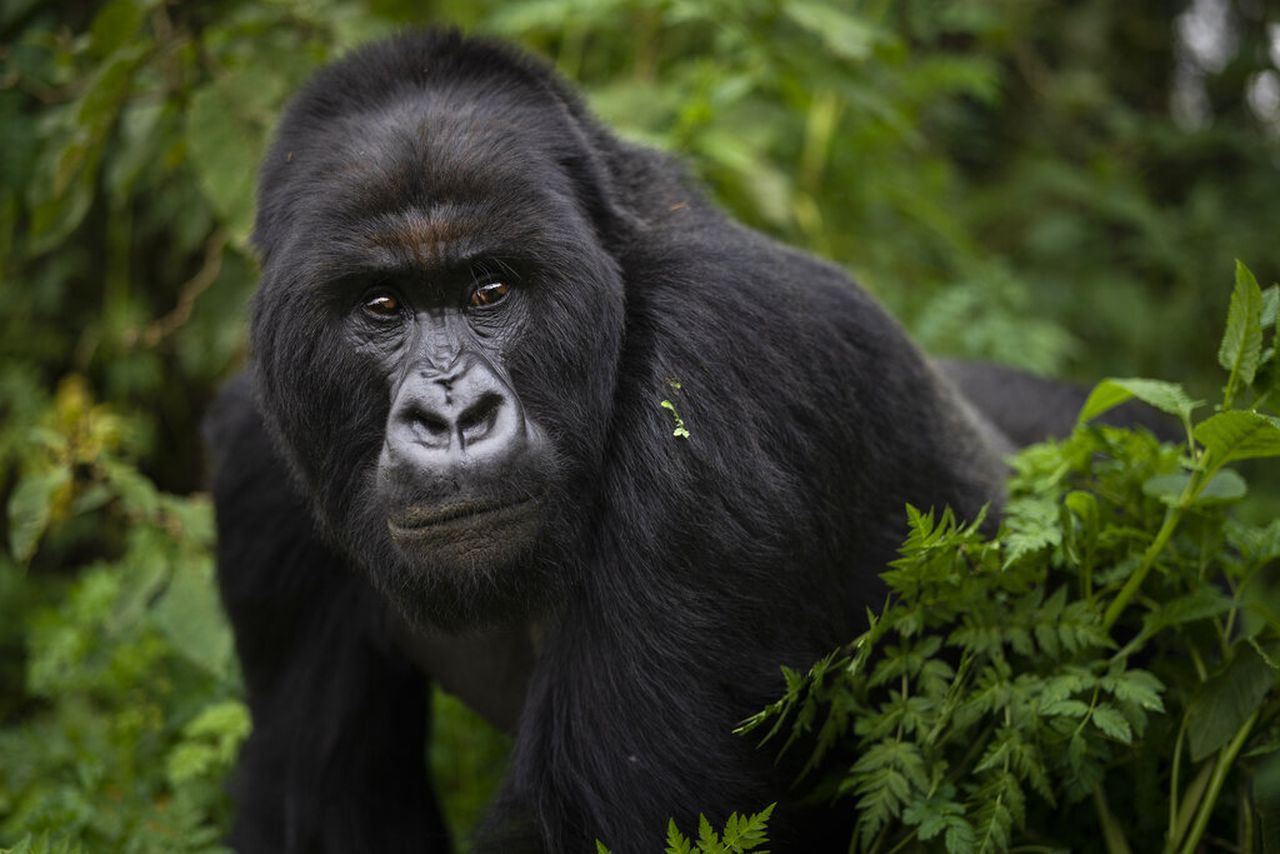
Both options include the same permit system. You still join a small group. You still hike through Volcanoes National Park with rangers and trackers. You still spend one hour with a gorilla family.
The difference lies in how prepared and relaxed you feel before and after the trek.
In a 3-day safari, you often move directly into trekking soon after arrival. In a 5-day safari, you have more time to adjust physically and mentally before the hike.
This difference strongly affects overall comfort.
Travel fatigue and pacing differences
Travel fatigue plays a major role in Rwanda safari quality.
A 3-day itinerary compresses arrival, trekking, and departure into a very short window. This creates a fast-paced rhythm. Many travellers feel rushed even if everything runs smoothly.
A 5-day itinerary spreads the same experience across more time. You rest more before trekking. You recover after trekking. You also reduce stress around flight timing and transfers.
Rwanda’s terrain adds another factor. Volcanoes National Park sits at high altitude. Gorilla trekking involves uphill hiking in humid forest conditions. Recovery time becomes important for comfort.
A 5-day safari handles this better because it introduces natural breaks in the schedule.
Cost comparison between 3-day and 5-day safaris
A 3-day Rwanda safari costs less overall because it includes fewer hotel nights and shorter logistics. It remains the most budget-efficient option for gorilla trekking.
However, the gorilla permit cost stays the same in both itineraries. This means a large portion of your total cost remains fixed regardless of duration.
A 5-day safari costs more because you add extra accommodation nights and potentially additional activities. However, the cost increase often delivers better value per experience.
Instead of paying mainly for speed, you pay for comfort, flexibility, and additional exploration.
For luxury travellers, the difference in value often matters more than the difference in price.
Experience depth: rushed visit vs immersive journey
A 3-day safari delivers a focused experience. You see gorillas and leave. The structure works well for travellers who want a single highlight.
However, it limits your exposure to Rwanda’s broader environment. You do not have time to explore cultural sites, relax at lodges, or experience different landscapes.
A 5-day safari creates a deeper connection. You experience Rwanda beyond gorillas. You slow down and absorb the environment. You also reduce the sense of urgency that comes with short travel windows.
This difference matters most for first-time visitors who want more than a checklist experience.
Logistics and stress levels
Short itineraries often increase stress levels because timing becomes critical.
In a 3-day safari, any delay in flights, transfers, or weather can affect your entire experience. You have very little buffer time.
A 5-day safari reduces this pressure. You have flexibility built into the itinerary. If one part of the schedule changes, it does not disrupt the entire trip.
Rwanda’s safari system is highly structured, so flexibility is limited once permits are confirmed. This makes buffer days very valuable.
Who should choose a 3-day Rwanda safari
A 3-day safari works best for travellers with limited time. It suits people who want to combine Rwanda with other countries like Kenya or Tanzania.
It also works well for travellers who prioritise gorilla trekking above all other experiences. If your main goal is to see mountain gorillas and return quickly, this option delivers that efficiently.
It suits business travellers, stopover visitors, or travellers adding Rwanda as a short extension to a larger East African trip.
However, it requires acceptance of a fast pace and limited flexibility.
Who should choose a 5-day Rwanda safari
A 5-day safari suits travellers who want a more relaxed and complete experience. It works well for honeymooners, luxury travellers, photographers, and first-time safari visitors.
It also suits people who want to reduce stress and avoid rushed schedules.
This option allows you to enjoy Volcanoes National Park without pressure. It also gives space for additional activities beyond gorilla trekking.
If you value comfort, pacing, and variety, the 5-day option delivers a stronger overall experience.
Common mistake travellers make when choosing duration
Many travellers underestimate how physically and emotionally intense gorilla trekking can be. They assume a short trip is enough because Rwanda is geographically small.
This often leads to choosing a 3-day safari without considering recovery time or travel fatigue.
The result is a rushed experience that feels efficient but not fully enjoyable.
A better approach is to match itinerary length with comfort expectations, not just availability.
Value comparison: time efficiency vs experience quality
A 3-day safari offers maximum time efficiency. You complete gorilla trekking in the shortest possible timeframe.
A 5-day safari offers higher experience quality. You gain better pacing, additional activities, and reduced fatigue.
Neither option is wrong. They simply serve different travel priorities.
The key decision is whether you value speed or depth more.
Is a short gorilla safari worth it?
A 3-day Rwanda safari is absolutely worth it if your goal is focused gorilla trekking within a tight schedule. It delivers the core experience efficiently and directly.
However, it comes with trade-offs in pacing, comfort, and depth.
A 5-day safari delivers a more complete and relaxed experience. It allows you to enjoy gorilla trekking without pressure and adds time for additional exploration.
In 2026, most experienced safari planners recommend 4 to 5 days as the ideal balance for Rwanda. This duration protects the quality of the gorilla trekking experience while still keeping the itinerary compact.
Ultimately, Rwanda rewards both short and long itineraries. The difference lies in how you want to experience it. A short safari gives you speed and focus. A longer safari gives you balance and immersion.
Start Planning Your Next Trip To Africa
If you can picture yourself in one—or several—of these exceptional retreats, the next move is simple. We design fully tailored African safaris that bring these experiences together seamlessly, from private gorilla encounters to luxury lodges in the heart of the wild.
Every detail is carefully planned, so your journey feels effortless from start to finish. Reach out in whichever way suits you best, and let’s begin crafting your safari.
Start Planning