Rwanda in December and January: The Short Dry Season Booking Opportunity
What Makes December and January a “Sweet Spot” in Rwanda
December and January sit in what is commonly called Rwanda’s short dry season. This is one of the most reliable travel windows in Rwanda, offering a balance between manageable weather conditions, strong wildlife experiences, and surprisingly good travel value compared to the peak mid-year season.
This period is not “bone dry” in the desert sense. Instead, it is a relative dry phase in a tropical highland climate where rain still appears intermittently but is less persistent and less disruptive than in the rainy months. That distinction is important when planning safaris or gorilla trekking.
For many experienced travelers, this is the moment where Rwanda becomes both accessible and rewarding without the heavy crowds of peak season.
Weather Reality: Dry Enough for Trekking, Green Enough for Atmosphere
During December and January, conditions across Rwanda are generally favorable for travel. You will typically get a mix of sunny spells, mild temperatures, and occasional short showers.
In the high-altitude forest zones of Volcanoes National Park, mornings are often cool and crisp, with mist settling over the volcano slopes. Trails are usually more manageable than in the rainy seasons, although some mud is still expected due to the rainforest environment.
This creates a useful middle ground:
- Less rainfall than March–May or October–November
- More manageable hiking conditions
- Still lush, green landscapes from earlier rains
It is not the “perfect dry safari postcard” of July or August, but it is often more visually dynamic.
Gorilla Trekking in the Short Dry Season
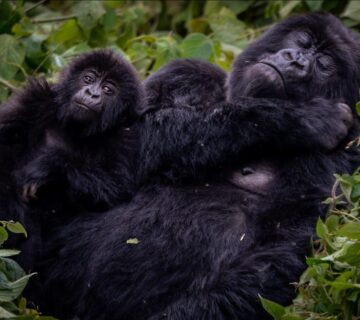
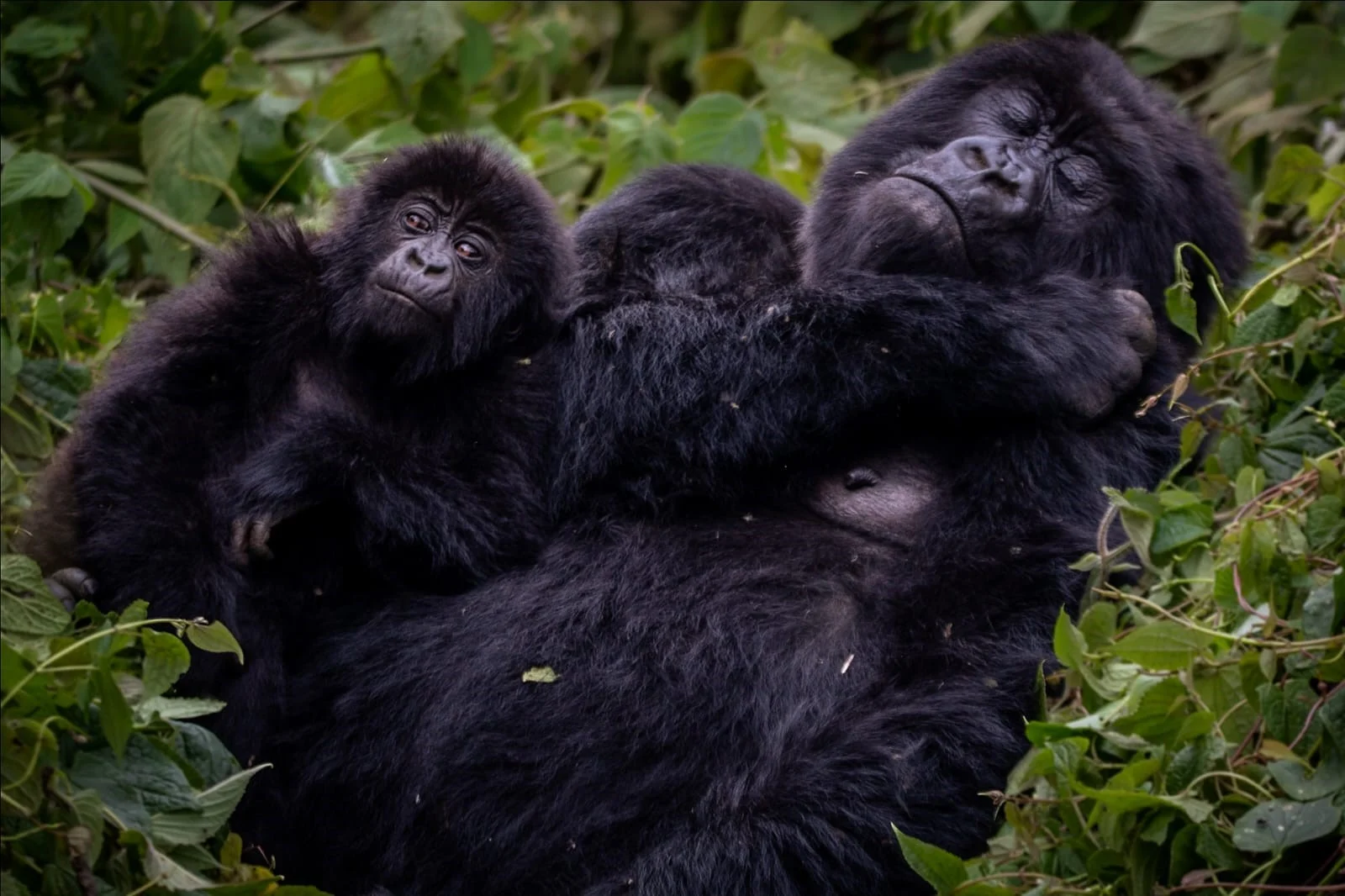
The biggest reason travelers target this window is gorilla trekking in Volcanoes National Park.
Trekking conditions during December and January are generally favorable. Trails are firmer than in peak rainy months, vegetation is still fresh, and gorilla tracking remains consistent year-round since the animals do not migrate.
The key operational advantage is predictability. Guides can usually plan routes with fewer weather disruptions, and hikes tend to be more stable in duration.
However, expectations should remain realistic:
- Mud is still common in forest sections
- Weather can shift quickly due to altitude
- Waterproof gear is still essential
The payoff is a more comfortable climb combined with strong wildlife visibility and fewer logistical interruptions.
The Booking Advantage: Demand Spikes Around Festive Travel
This period carries a significant but often underestimated booking dynamic: holiday demand.
December, especially late December through early January, is one of Rwanda’s busiest travel windows due to Christmas and New Year tourism. Even though it is technically a “short dry season,” it behaves like a mini peak season in terms of demand.
Accommodation and gorilla permits can become competitive, particularly for premium lodges around Volcanoes National Park.
Travel specialists consistently advise early booking because:
- Lodges near trekking starting points fill quickly
- Gorilla permits are limited daily and high in demand
- International holiday travelers increase pressure on availability
In practice, this is less a “last-minute opportunity” season and more a “plan early to benefit” season.
Value for Money: A Better Balance Than Peak Season
Compared to the long dry season (June–September), December and January often present a slightly better value proposition for certain categories of travel.
While Rwanda is not a low-cost safari destination in general, this window can offer:
- Slightly reduced lodge rates outside peak festive dates
- Occasional promotional packages tied to multi-park itineraries
- Less intense competition for mid-tier accommodation
In Akagera National Park and Nyungwe National Park, this can translate into a more relaxed safari experience with better availability and more flexible itineraries.
The overall equation becomes simple: you are not necessarily paying less everywhere, but you are often getting more flexibility for the price.
Safari Conditions Beyond Gorillas
While gorilla trekking dominates most itineraries, December and January also perform well for broader safari circuits.
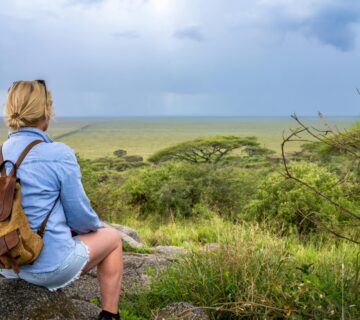
In Akagera National Park, the landscape is green and full of life after the rains. Game viewing can require a bit more searching than in dry-season concentration periods, but photographic conditions are strong, with dramatic skies and vibrant vegetation.
In Nyungwe National Park, chimpanzee trekking and canopy walks benefit from cooler conditions and active forest life. Rainforest ecosystems are at their most visually rich during this time, even if trails can be slightly slippery.
This makes the short dry season particularly attractive for travelers combining multiple ecosystems in one itinerary.
The Trade-Off: Crowds, Weather Variability, and Planning Pressure
Despite its advantages, this season is not without trade-offs.
The main challenge is timing overlap with global holiday travel. Late December and early January can feel busy, especially around Kigali and major tourism corridors.
Weather also remains variable. While generally drier than wet seasons, sudden rain showers can still occur, especially in mountainous regions.
Finally, because demand spikes, the “opportunity” only works if you plan ahead. Last-minute travel during this period is often limited in choice and flexibility.
Who This Season Is Best For
December and January work best for travelers who want a balance of:
- Reasonable trekking conditions without peak-season congestion
- Green, cinematic landscapes rather than dusty dry-season terrain
- A festive-season African safari experience
- Multi-park itineraries combining gorillas, rainforest, and savannah
It is particularly strong for photographers, honeymooners, and first-time East Africa visitors who want a softer introduction than the intense peak dry season.
Takeaway
The short dry season in Rwanda is less about perfection and more about balance. You get improved trekking conditions in Volcanoes National Park, strong multi-park safari potential, and a greener, more atmospheric landscape—paired with higher festive-season demand that requires early booking.
If you secure logistics in advance, December and January become one of the most strategically rewarding windows to visit Rwanda, offering a blend of accessibility, scenery, and experience quality that is hard to replicate in other months.
Start Planning Your Next Trip To Africa
If you can picture yourself in one—or several—of these exceptional retreats, the next move is simple. We design fully tailored African safaris that bring these experiences together seamlessly, from private gorilla encounters to luxury lodges in the heart of the wild.
Every detail is carefully planned, so your journey feels effortless from start to finish. Reach out in whichever way suits you best, and let’s begin crafting your safari.
Start Planning