Best Time to Visit Rwanda for Gorilla Trekking: Month-by-Month Conditions
Gorilla trekking in Volcanoes National Park is possible year-round, but the experience changes significantly depending on rainfall, trail conditions, visibility, and trekking difficulty. Rwanda sits close to the equator, so temperatures are fairly stable throughout the year, but rainfall patterns strongly shape trekking conditions.
The key factor is not temperature—it is how dry or wet the forest trails are on the day you trek.
January: Dry Season Stability and Good Visibility
January is one of the better months for gorilla trekking. Rainfall is relatively low, and forest trails are more stable compared to wetter months.
Trekking conditions are:
moderate to easy underfoot
good visibility in bamboo zones
comfortable hiking temperatures
Gorilla groups can still move deep into the forest, but overall conditions are reliable and predictable.
This is a strong month for photography and general trekking comfort.
February: Peak Dry Season Quality
February is often considered one of the best months for gorilla trekking.
Conditions include:
dry trails and reduced mud
clearer forest access routes
stable trekking durations on average
This is a high-demand month because it combines good weather with strong wildlife accessibility.
Expect higher visitor numbers and earlier permit bookings.
March: Transition Into Wet Season
March marks the beginning of increased rainfall.
Trekking becomes:
more unpredictable in duration
slightly more physically demanding
muddy in deeper forest zones
However, gorilla encounters remain excellent.
The advantage of March is fewer tourists and quieter trekking groups.
April: Peak Rainfall and Challenging Trails
April is the wettest period of the year.
Inside Volcanoes National Park, this means:
heavy rainfall
slippery, muddy trails
reduced ease of movement
Gorilla trekking is still possible, but physically more demanding.
This is the lowest visitor season, making it suitable for travellers prioritising solitude over comfort.
May: Wet but Improving Conditions
May remains wet but begins to improve toward the end of the month.
Conditions:
muddy but gradually stabilising trails
lush forest scenery
lower tourist numbers
Trekking can still be challenging, but visibility and access slowly improve as the month progresses.
June: Start of Dry Season
June marks the beginning of the long dry season.
This is one of the best periods for gorilla trekking:
firmer trails
easier hiking conditions
consistent trekking durations
excellent forest visibility
It is also the start of peak tourism season.
July: Peak Season Conditions
July is one of the most popular months.
Conditions are:
dry and stable trails
predictable trekking routes
excellent visibility in bamboo and forest zones
This is high-demand season, meaning permits and lodges must be booked well in advance.
It is one of the most reliable months for a smooth trekking experience.
August: Peak Season Continuation
August continues the peak dry season.
Expect:
very stable trekking conditions
high visitor numbers
clear forest access paths
This is one of the easiest months physically for trekking, but also one of the busiest.
Advance planning is essential.
September: Still Dry, Slightly Quieter
September remains part of the dry season but begins to see a slight reduction in crowds compared to July and August.
Conditions:
good trail stability
slightly fewer tourists
excellent wildlife visibility
This is often considered a “sweet spot” month: good weather with slightly less pressure.
October: Transition Into Rain
October marks the transition from dry to wet season.
Conditions become more mixed:
occasional rainfall
increasing mud in deeper forest sections
variable trekking difficulty
However, gorilla encounters remain consistent year-round.
This is a good value month with fewer crowds.
November: Short Rainy Season
November brings short but frequent rains.
Inside Volcanoes National Park, this means:
slippery trails
lush, green forest environments
lower visitor numbers
Trekking is more physically demanding, but the forest is at its most vibrant.
December: Improving Conditions and Holiday Demand
December is a mixed month.
Early December can still have some rain, but conditions improve as it moves toward the dry season.
Expect:
gradually improving trails
increasing tourist demand in late December
good trekking conditions toward month-end
This is a popular holiday travel period, so availability can be tight.
Overall Summary: Best Months for Gorilla Trekking
The most reliable trekking conditions occur during:
June
July
August
September
These months offer:
dry trails
easier hiking conditions
stable trekking durations
The green and wet seasons (March–May, October–November) offer:
fewer tourists
lower demand
more challenging but more immersive forest conditions
Insight
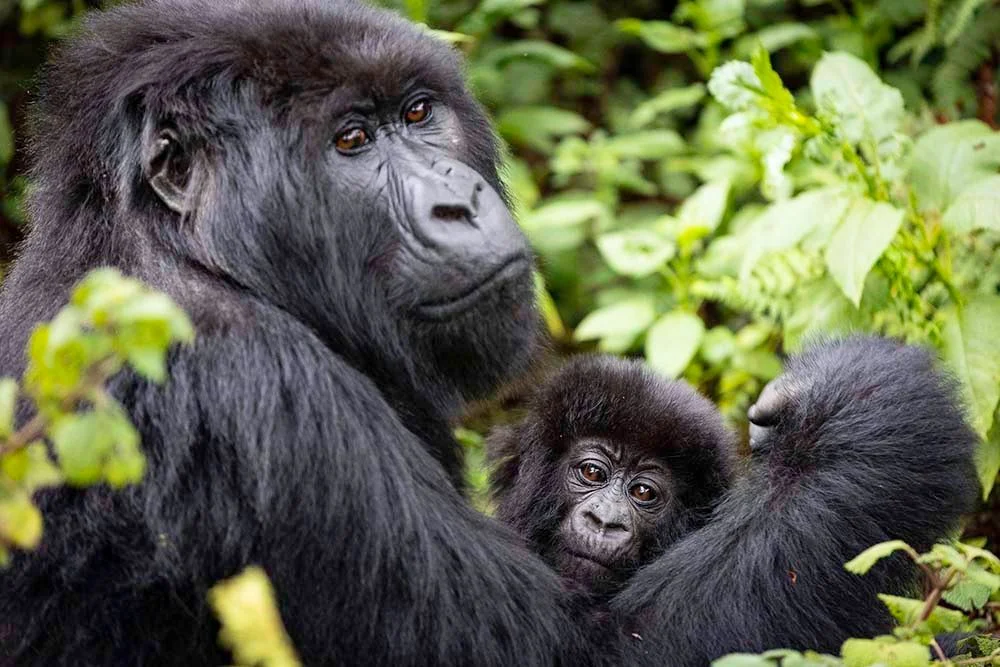
There is no “bad” time to visit Volcanoes National Park for gorilla trekking. The gorillas remain present year-round, and sightings are highly consistent regardless of season.
The real difference lies in trekking effort, trail conditions, and visitor density.
Dry months favour comfort and predictability. Wet months favour solitude and lush forest atmosphere.
The best time depends on whether you prioritise ease of trekking or the raw, untouched feel of the rainforest.
Start Planning Your Next Trip To Africa
If you can picture yourself in one—or several—of these exceptional retreats, the next move is simple. We design fully tailored African safaris that bring these experiences together seamlessly, from private gorilla encounters to luxury lodges in the heart of the wild.
Every detail is carefully planned, so your journey feels effortless from start to finish. Reach out in whichever way suits you best, and let’s begin crafting your safari.
Start Planning