Northern Circuit vs Southern Circuit in Tanzania: Which Safari Route Is Right for You?
Tanzania offers two fundamentally different safari experiences, and choosing between them is one of the most important decisions in planning your trip. The northern circuit is famous, structured, and wildlife-dense. The southern circuit is remote, expansive, and far less visited. Both deliver exceptional safaris, but they cater to very different travel styles.
Understanding the contrast between the two will determine not just what animals you see, but how your safari actually feels.
The Northern Circuit: Classic, Iconic, and High-Density Wildlife
The northern circuit is the most established safari route in Tanzania. It typically includes the Serengeti National Park, the Ngorongoro Crater, and often additional parks such as Tarangire and Lake Manyara.
This region is designed for classic safari experiences. It is where most first-time visitors go because it offers reliable wildlife viewing, well-developed infrastructure, and a high concentration of iconic species.
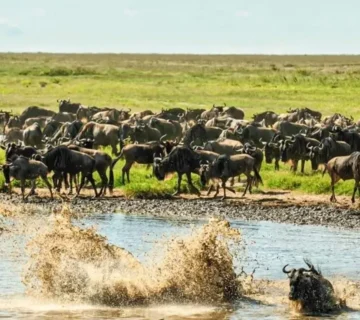
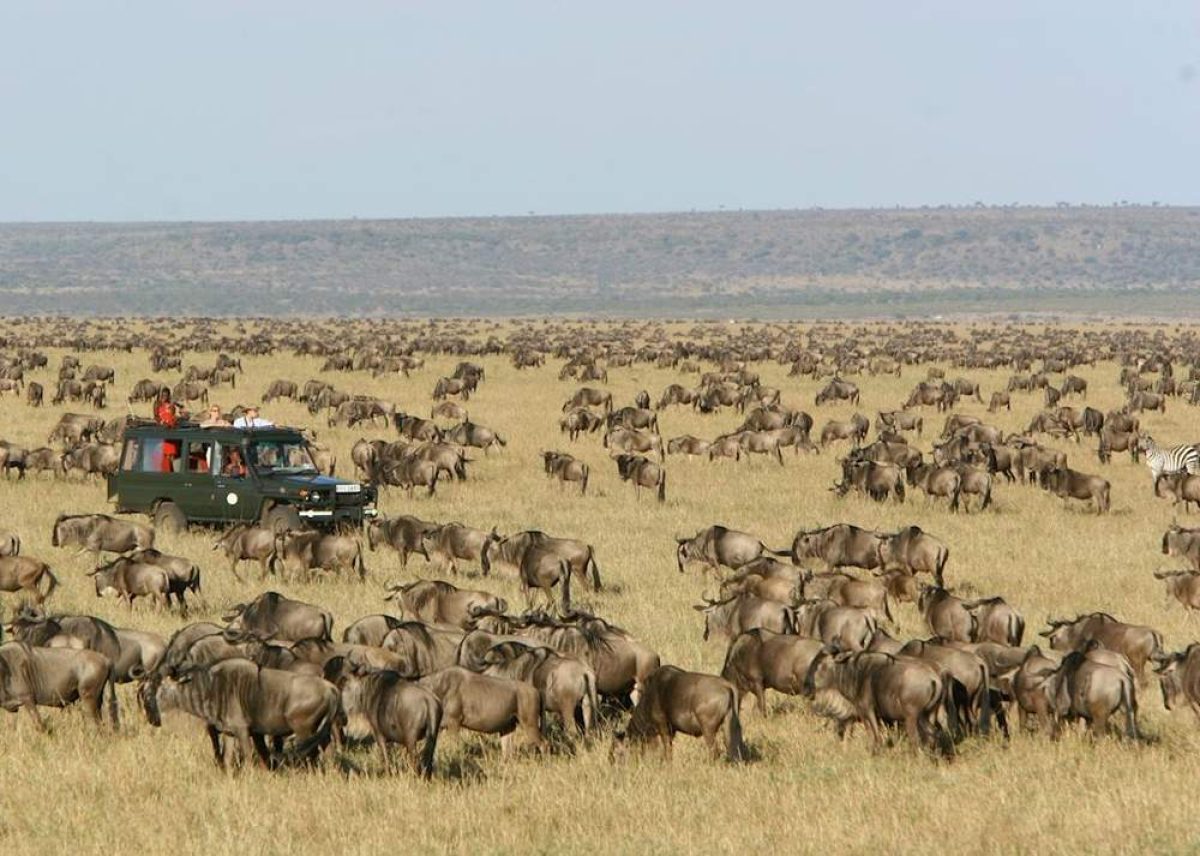
The Serengeti is the centrepiece of this circuit. It supports large populations of lions, cheetahs, elephants, and other plains game, along with the world-famous Great Migration. Wildlife density is high, and sightings are frequent, especially in central and southern plains.
Ngorongoro adds another layer by offering one of the highest wildlife densities in Africa within a confined volcanic crater. This makes it one of the most reliable places to see the Big Five in a short period of time.
The northern circuit is also highly structured logistically. Distances between parks are relatively manageable, accommodation options are extensive, and safari routes are well established.
However, this popularity comes with trade-offs. Certain areas can become busy, especially during peak migration periods or around high-demand viewpoints. Vehicle density at sightings is generally higher than in southern Tanzania.
The Southern Circuit: Remote, Wild, and Low-Traffic
The southern circuit is defined by scale and isolation. It includes major parks such as Nyerere National Park and Ruaha National Park.
Unlike the northern circuit, this region is not built around high visitor volume. Instead, it offers vast wilderness areas with very low tourist density. You are more likely to spend long stretches of game drive without seeing another vehicle.
Ruaha is one of Africa’s largest national parks, characterised by rugged terrain, baobab-studded landscapes, and a strong predator presence. Lion populations are particularly notable, and wild dogs are among the most significant in East Africa.
Nyerere, formerly part of the Selous ecosystem, is equally expansive but defined by river systems and floodplains. Boat safaris on the Rufiji River add an entirely different dimension to wildlife viewing, alongside traditional game drives.
The southern circuit feels more exploratory and less structured. Distances are larger, infrastructure is more limited, and safari rhythms are slower.
The reward is space. You are not sharing sightings with multiple vehicles, and wildlife encounters often feel more private and uninterrupted.
Wildlife Density vs Wilderness Experience
One of the key differences between the two circuits is how wildlife is distributed.
The northern circuit offers higher visible wildlife density. In places like the Serengeti and Ngorongoro, animals are easier to locate due to ecosystem concentration and established safari routes. This makes it ideal for travellers who want frequent sightings and predictable game viewing.
The southern circuit, by contrast, spreads wildlife across larger territories. You may not see animals as frequently, but when you do, the experience often feels more immersive because of the absence of crowds.
In simple terms, the north delivers quantity and consistency, while the south delivers space and exclusivity.
Predator Viewing: Serengeti vs Ruaha and Nyerere
Predator dynamics differ significantly between the two regions.
In the Serengeti, predator viewing is highly reliable. Lions are frequently encountered, cheetahs are relatively common in open plains, and leopards are present in wooded areas. The ecosystem supports high predator visibility due to prey abundance.
In the southern circuit, predator encounters are less concentrated but often more exclusive. Ruaha, in particular, is known for strong lion populations and one of the most significant wild dog populations in Africa. Nyerere also supports diverse predator species, but sightings are more spread out due to the size of the ecosystem.
The difference is not presence, but accessibility. In the north, predators are easier to find. In the south, they feel more remote.
Landscape and Atmosphere Differences
The northern circuit is visually iconic. The Serengeti’s open plains, acacia woodlands, and seasonal migrations create classic safari imagery. Ngorongoro adds dramatic volcanic scenery and enclosed crater landscapes.
The southern circuit feels more rugged and less curated. Ruaha is characterised by baobab forests, rocky escarpments, and dry riverbeds. Nyerere combines river systems, floodplains, and woodland mosaics.
This difference affects the overall atmosphere of the safari. The north feels cinematic and familiar. The south feels raw and less predictable.
Accessibility and Logistics
The northern circuit is significantly easier to access. Flights connect efficiently to Kilimanjaro International Airport and Arusha, and road transfers between parks are well established.
The southern circuit requires more planning. Access is primarily by domestic flights into airstrips near Ruaha and Nyerere. Distances between camps are larger, and itineraries are less flexible.
This does not make the south difficult, but it does make it less convenient for short itineraries.
Crowds and Safari Privacy
Crowd levels are one of the most noticeable differences.
The northern circuit, particularly the Serengeti during peak season, can have multiple vehicles at popular sightings. Ngorongoro Crater also concentrates visitors due to its limited size.
In contrast, the southern circuit offers significantly more privacy. In both Ruaha and Nyerere, it is common to experience game drives without encountering other safari vehicles for long periods.
For travellers prioritising exclusivity, this difference is often decisive.
Cost Differences Between North and South
Costs vary depending on accommodation style and season, but the southern circuit is often perceived as more premium due to remoteness.
The northern circuit offers a wider range of pricing, from mid-range to ultra-luxury, due to its developed infrastructure and high volume of lodges.
The southern circuit has fewer properties overall, and many are positioned in remote, low-density areas, which can increase operational costs.
However, value depends on perspective. The north offers efficiency and accessibility. The south offers exclusivity and space.
Who Should Choose the Northern Circuit
The northern circuit is best suited for travellers who want:
Reliable and frequent wildlife sightings
The Great Migration experience
Efficient travel routes between parks
A classic first-time safari experience
It is particularly strong for first-time visitors to Africa who want a structured and high-density safari.
Who Should Choose the Southern Circuit
The southern circuit is ideal for travellers who want:
Fewer tourists and greater privacy
Remote and immersive wilderness experiences
More time in less crowded ecosystems
A slower and more exploratory safari style
It is especially appealing to repeat safari travellers or those seeking a more exclusive atmosphere.
Insight
The choice between northern and southern Tanzania is not about which is better—it is about which experience you want.
The northern circuit delivers iconic wildlife moments, high-density sightings, and structured safari routes. The southern circuit delivers space, solitude, and a more immersive wilderness feel.
In many cases, the most balanced safaris combine both. The north provides the highlights, while the south provides the depth.
Understanding this distinction ensures your safari is not just about where you go, but about how you experience Tanzania as a whole.
Start Planning Your Next Trip To Africa
If you can picture yourself in one—or several—of these exceptional retreats, the next move is simple. We design fully tailored African safaris that bring these experiences together seamlessly, from private gorilla encounters to luxury lodges in the heart of the wild.
Every detail is carefully planned, so your journey feels effortless from start to finish. Reach out in whichever way suits you best, and let’s begin crafting your safari.
Start Planning