Tanzania Safari Costs Explained: Park Fees, Conservation Levies and What You’re Actually Paying For in 2026
Introduction: Why Tanzania Safari Prices Are Higher Than Expected
A Tanzania safari often looks expensive at first glance, especially when compared to other holiday destinations. But the real reason behind the cost is not luxury branding or inflated pricing. It is the structure of how safaris operate in one of the most protected and wildlife-rich countries in the world.
Tanzania is home to globally important ecosystems such as the Serengeti National Park, Ngorongoro Conservation Area, and Tarangire National Park. These areas are not developed like typical tourist destinations. They are carefully managed conservation landscapes where tourism is intentionally limited to protect wildlife, reduce environmental pressure, and maintain natural behavior patterns of animals.
This means that every safari price is built from multiple layers including government park fees, conservation levies, accommodation logistics, guiding services, transport costs, and aviation operations. Once you understand these layers, the cost of a safari becomes far more logical and transparent.
Park Fees: The Core of Every Tanzania Safari Cost
Park fees are one of the most important components of any Tanzania safari budget. These are mandatory charges required for entry into national parks and conservation areas, and they apply to every visitor regardless of the level of accommodation or safari style.
In 2026, most major parks such as Serengeti National Park, Tarangire National Park, and Lake Manyara National Park charge approximately 70 to 100 USD per person per day for international visitors. The Ngorongoro Conservation Area often costs more due to additional crater access fees and strict conservation regulations.
These fees are not profit-driven. They are directly reinvested into wildlife conservation and park management. This includes funding for anti-poaching units, ranger patrols, road maintenance within parks, wildlife research programs, and ecosystem protection initiatives.
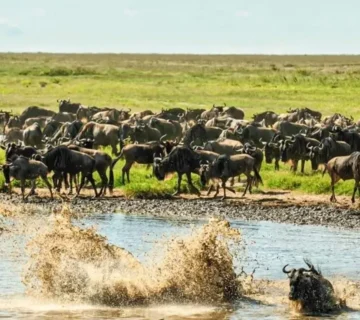
When you pay park fees, you are directly contributing to the survival of iconic wildlife species including elephants, lions, leopards, rhinos, and the annual Great Wildebeest Migration. Without this funding model, these ecosystems would not be able to function at their current level of protection.
Conservation Levies: Supporting Wildlife and Local Communities
In addition to park entry fees, many safari itineraries include conservation levies or concession fees. These are applied in specific areas where tourism is managed under controlled access agreements, especially in private conservancies and community-managed lands near major parks.
Conservation levies serve two key purposes. First, they support wildlife protection by limiting the number of vehicles and visitors in sensitive areas. This helps reduce environmental pressure and ensures a higher-quality safari experience with fewer crowds.
Second, they directly benefit local communities living near wildlife areas. Revenue from these levies is often used to fund schools, healthcare facilities, employment programs, and community conservation projects. This creates a direct link between tourism and local development.
In many parts of the Serengeti ecosystem, conservation levies are essential for maintaining harmony between wildlife protection and human settlement areas. They ensure that tourism benefits are shared beyond national parks and reach the communities who coexist with wildlife.
Accommodation Costs: Why Safari Lodges Are So Expensive
Accommodation is usually the largest visible cost in a Tanzania safari package, but safari lodges and tented camps operate under very different conditions compared to standard hotels.
Most luxury safari properties are located in remote wilderness areas where there is no public electricity, water supply, or infrastructure. Everything must be self-generated and self-maintained. Electricity is typically produced through solar systems or generators, water is transported or carefully sourced and filtered, and all supplies must be delivered from major towns such as Arusha or Dar es Salaam.
In 2026, luxury safari accommodation in Tanzania generally ranges from 500 USD to over 2,000 USD per person per night depending on location, exclusivity, and season. Camps inside high-demand areas like the central Serengeti or Ngorongoro Crater rim are more expensive due to strict construction regulations and limited availability.
What you are paying for is not just a bed or a room. You are paying for an entire operational system that includes remote logistics, environmental compliance, wildlife protection measures, trained staff housing, and continuous maintenance in extremely challenging environments.
Safari Guides and Vehicles: The Heart of the Experience
A safari experience is only as good as its guide. Professional safari guides in Tanzania are highly trained experts in wildlife behavior, ecology, tracking, and safety. Many spend years learning animal movements, understanding migration patterns, and interpreting ecosystem behavior in real time.
A skilled guide can transform a safari from simple game viewing into a deeply educational and immersive experience. They know where animals are likely to be, how they behave, and how to position vehicles for optimal viewing and photography without disturbing wildlife.
Safari vehicles also represent a significant part of the cost structure. These are specially modified 4×4 Land Cruisers designed for rough terrain, long distances, and open viewing. They are constantly exposed to dust, heat, and off-road conditions, requiring frequent maintenance and replacement.
When a safari includes a private vehicle, the cost covers fuel, maintenance, insurance, and full-time availability of a dedicated driver-guide throughout the trip.
Internal Flights: Connecting Tanzania’s Remote Safari Regions
Tanzania is a large country, and its major safari destinations are spread across vast distances. To make travel efficient and comfortable, most luxury safaris use internal bush flights between parks.
These small aircraft flights connect key safari hubs such as Arusha, Serengeti, and Ngorongoro airstrips. They significantly reduce travel time and allow guests to spend more time in wildlife areas instead of long road journeys.
However, these flights are expensive to operate. Costs include aircraft maintenance, fuel, pilot operations, landing fees, and logistics in remote airstrips. In many luxury safari packages, these flights are included, but they still represent a major portion of the total safari price.
Private charter flights, often used in ultra-luxury safaris, increase costs further but provide complete flexibility and exclusivity.
Food, Staffing, and Remote Operations
Another major factor in safari pricing is the operational structure behind the scenes. Luxury safari camps require a large team of staff relative to the number of guests they serve.
This includes chefs, guides, housekeepers, waitstaff, mechanics, security personnel, and camp managers. Each guest experience is supported by a full hospitality team operating in remote wilderness environments.
Food costs are also higher than in urban settings because ingredients must be transported long distances and stored under controlled conditions. Despite this, luxury camps often provide high-end dining experiences with fresh ingredients, multi-course meals, and personalized menus.
All of these operational costs are integrated into the safari price, even though they are not always visible to travelers.
Seasonal Pricing: Why Safari Costs Change During the Year
Safari prices in Tanzania are not fixed and change depending on seasonality. The most expensive periods are during peak wildlife viewing seasons, especially when the Great Migration is active in the Serengeti.
During these peak months, demand for accommodation increases significantly, particularly in areas where river crossings occur. Limited availability in these prime locations leads to higher pricing across all luxury camps.
Shoulder seasons provide better value while still offering excellent wildlife viewing conditions. Low seasons, often during rainy periods, offer the lowest prices but may involve weather-related travel limitations in some regions.
Understanding seasonal pricing is one of the most effective ways to manage safari budgets without reducing the quality of the experience.
What You Are Really Paying for in a Tanzania Safari
A Tanzania safari price is not a single service cost. It is a combination of conservation funding, community support, accommodation operations, guiding expertise, transport logistics, and aviation infrastructure.
Park fees support wildlife protection and national park management. Conservation levies support local communities and ecosystem balance. Accommodation costs reflect remote operations in wilderness environments. Guiding and vehicle costs ensure expert interpretation and mobility in the field. Internal flights connect distant ecosystems efficiently.
Together, these elements create a fully integrated safari system that supports both tourism and conservation.
The Real Value Behind Tanzania Safari Costs
Tanzania safari costs may seem high initially, but once broken down, they reflect a carefully structured system designed to protect wildlife while delivering world-class travel experiences.
Every component of the price contributes to something meaningful. From protecting endangered species and supporting local communities to maintaining remote infrastructure and funding expert guides, the cost of a safari is directly tied to the sustainability of one of the world’s most important natural ecosystems.
A Tanzania safari is not just a luxury experience. It is an investment in conservation, local livelihoods, and the long-term survival of Africa’s most iconic wildlife landscapes.
Start Planning Your Next Trip To Africa
If you can picture yourself in one—or several—of these exceptional retreats, the next move is simple. We design fully tailored African safaris that bring these experiences together seamlessly, from private gorilla encounters to luxury lodges in the heart of the wild.
Every detail is carefully planned, so your journey feels effortless from start to finish. Reach out in whichever way suits you best, and let’s begin crafting your safari.
Start Planning