How Much Does a Luxury Tanzania Safari Cost? A Realistic 2026 Breakdown
Why Luxury Safaris in Tanzania Are Among the Most Expensive in Africa
A luxury Tanzania safari in 2026 is not simply a holiday product; it is a highly engineered wilderness experience built on scarcity, exclusivity, and complex logistics. The pricing reflects far more than accommodation. It incorporates access to some of the most protected and wildlife-rich ecosystems in the world, including the Serengeti National Park, the Ngorongoro Conservation Area, Tarangire National Park, and several privately managed conservancies that border these iconic landscapes.
Unlike conventional travel where accommodation and transport dominate costs in predictable ways, safari pricing is shaped by multiple overlapping systems. These include strict conservation regulations, limited bed capacity in prime wildlife zones, seasonal migration patterns, aviation dependency, and the operational cost of running full-service camps in remote environments where infrastructure is minimal or entirely self-supported.
In 2026, Tanzania remains one of Africa’s most premium safari destinations because it offers both extraordinary wildlife density and highly controlled tourism development. This combination ensures that experiences remain intimate and immersive, but it also means costs scale significantly with exclusivity. Understanding what a luxury safari truly costs requires breaking it down not as a single figure but as a layered experience that varies by comfort level, season, geography, and logistical design.
Understanding the Structure of Luxury Safari Pricing in Tanzania
Luxury safari pricing in Tanzania is fundamentally based on a per-person per-day model. This structure exists because nearly every component of the safari experience is delivered as a bundled service. Accommodation is only one element. Meals, guiding, park fees, internal flights, vehicle use, and even logistics for fuel and supplies in remote regions are integrated into the overall daily rate.
This means that rather than paying separately for hotels, tours, and transport, travelers pay a single daily rate that reflects the full ecosystem of services. The higher the level of exclusivity, the more individualized each of these components becomes, which directly increases cost.
At the lower end of luxury safaris, services are shared among small groups, which distributes operational costs. At the ultra-luxury level, nearly every element becomes private, including guide, vehicle, schedule, dining arrangements, and in some cases even aircraft. This shift from shared systems to fully private systems is one of the primary drivers of price escalation.
Entry-Level Luxury Safaris and Their Real Cost Range
The entry point for a genuine luxury safari in Tanzania in 2026 typically begins at approximately seven hundred to nine hundred US dollars per person per day. This category represents what the industry often describes as high-end comfort rather than full exclusivity.
At this level, accommodation is usually in well-designed tented camps or boutique lodges located within or near major national parks. These camps still offer en-suite bathrooms, quality bedding, full-board dining, and professionally guided game drives. However, operational efficiency is prioritized over exclusivity, meaning guests may share safari vehicles or guides with other travelers depending on the lodge structure.
These safaris are ideal for travelers seeking comfort, safety, and high-quality wildlife experiences without entering the upper tiers of private luxury travel. They still provide excellent access to key wildlife regions, particularly the Serengeti ecosystem and Ngorongoro Crater, but they do so within a more standardized operational framework.
Even at this level, costs are influenced heavily by park fees, fuel logistics for game drives, and the challenge of maintaining high-quality service in remote environments where supplies must be transported regularly from major towns such as Arusha.
Mid-Tier Luxury Safaris and the Most Common High-End Experience
The most common category for luxury safaris in Tanzania falls between one thousand and one thousand eight hundred US dollars per person per day. This range represents a significant step up in exclusivity, comfort, and personalization.
In this category, camps and lodges are typically located in premium wildlife zones such as central Serengeti, northern Serengeti near migration corridors, and private conservancies that offer limited vehicle density. These locations are strategically chosen to maximize wildlife encounters while minimizing tourist congestion.
Guests at this level usually benefit from private or semi-private safari vehicles, meaning game drives are more flexible and tailored to individual interests. Guides in this category are often highly experienced professionals with deep knowledge of animal behavior, migration tracking, and ecosystem dynamics.
Fly-in transfers are also common in this tier, particularly between major safari regions. Instead of long overland journeys, guests travel via small aircraft connecting airstrips inside national parks. This not only saves time but also enhances the overall safari experience by providing aerial views of Tanzania’s landscapes.
Accommodation in this category is significantly more refined. Tented suites often include expansive interiors, private decks overlooking plains or rivers, outdoor showers, and carefully curated design elements that blend comfort with wilderness immersion. Camps are intentionally small, often hosting fewer than twenty guests, which enhances exclusivity and service quality.
Ultra-Luxury Safaris and Fully Private Wilderness Experiences
At the highest level of safari travel in Tanzania, pricing typically begins around two thousand US dollars per person per day and can exceed three thousand US dollars depending on customization and exclusivity.
Ultra-luxury safaris are designed for complete personalization. Every aspect of the itinerary is tailored, including flight schedules, lodge selection, guiding teams, and even dining preferences. Guests often travel via private charter aircraft, allowing direct access to remote airstrips deep within wildlife regions.
Accommodation in this category represents some of the most exclusive properties in Africa. These camps are often architecturally sophisticated, designed with minimal environmental impact while maximizing comfort and privacy. Guest numbers are extremely limited, sometimes fewer than ten suites in total, ensuring that each visitor experiences a near-private wilderness environment.
Service levels are highly individualized. Private chefs, dedicated safari vehicles, and expert guides accompany guests throughout their journey. Game drives are not fixed but instead adapt entirely to wildlife movement patterns and guest interests, creating a highly fluid and responsive safari experience.
This level of travel is less about standardized packages and more about bespoke wilderness immersion, where cost reflects exclusivity, privacy, and logistical precision.
The Role of Seasonality in Safari Pricing
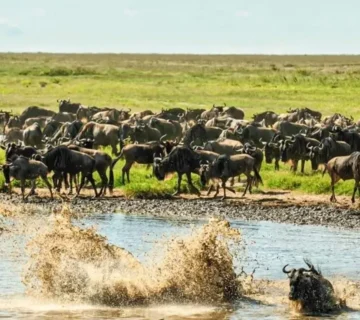
Seasonality is one of the most important factors influencing safari cost in Tanzania. The country’s wildlife movements, particularly the Great Migration, create natural demand cycles that significantly affect pricing.
During peak migration periods in the Serengeti, especially when river crossings occur in northern regions, accommodation demand rises sharply. Limited lodge capacity combined with high international interest leads to premium pricing across nearly all luxury categories. Even entry-level luxury camps may increase rates due to occupancy pressure.
Shoulder seasons provide a more balanced pricing structure. Wildlife viewing remains strong, but visitor density is lower, and availability is higher. These periods often offer the best value for travelers seeking luxury experiences without peak-season pricing pressures.
Low seasons, typically associated with rainfall, offer the lowest rates. However, they require careful planning since weather conditions can affect accessibility, road conditions, and wildlife distribution patterns.
Geographic Factors That Influence Safari Costs
Tanzania’s safari pricing is also heavily influenced by geography. Different regions within the country carry different operational costs based on accessibility, infrastructure, and wildlife density.
The Serengeti is generally the most expensive region due to its global reputation, migration importance, and limited accommodation density in prime areas. Ngorongoro Crater is also high-cost due to strict conservation controls and limited lodging on the crater rim.
Tarangire and Lake Manyara regions can offer relatively lower pricing, although luxury lodges in these areas still maintain premium rates due to their design standards and exclusivity. Private conservancies surrounding major parks often command higher prices due to controlled access and lower vehicle density.
Remote southern and western safari circuits can also vary significantly in cost depending on accessibility and flight requirements, as many of these areas rely entirely on aviation logistics.
Transportation, Flights, and Logistical Costs
Transportation is one of the most significant hidden cost drivers in luxury safaris. Unlike conventional travel, where transport is often secondary, safari logistics are central to the entire experience.
Most luxury safaris rely on a combination of ground transfers and bush flights. These flights are operated by small aircraft that connect key safari regions and reduce travel times that would otherwise take many hours by road.
While these flights greatly enhance comfort and efficiency, they also add substantial cost due to fuel requirements, maintenance, landing fees, and the complexity of operating in remote airstrips. Private charter flights increase this cost further but provide unmatched flexibility.
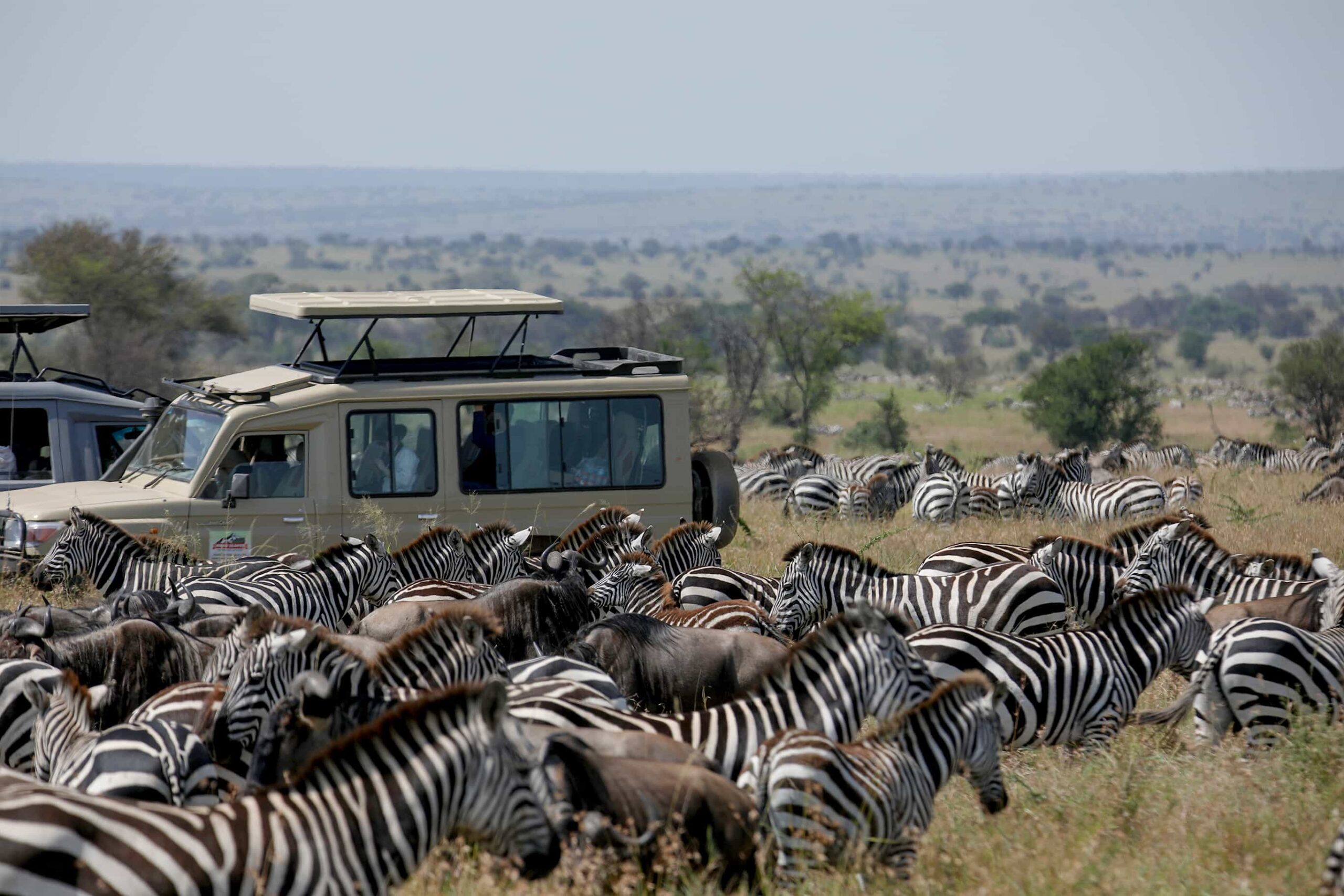
Ground transport, typically in specialized 4×4 safari vehicles, is also a significant cost factor. These vehicles are designed for rugged terrain and require continuous maintenance, especially when operating daily in harsh off-road conditions.
Realistic Total Cost for a Full Luxury Safari Itinerary
When all components are combined, a realistic luxury safari in Tanzania in 2026 for a seven-day itinerary typically ranges between seven thousand and fifteen thousand US dollars per person for mid-to-upper luxury experiences.
For ultra-luxury or fully private itineraries, the same duration can range from fifteen thousand to thirty thousand US dollars per person depending on exclusivity, lodge selection, and aviation requirements.
Longer safaris that combine multiple ecosystems, such as Serengeti, Ngorongoro, and remote southern parks, can extend beyond these ranges due to cumulative logistics and accommodation costs.
Why Luxury Safaris in Tanzania Have Such Wide Price Variations
The cost of a luxury Tanzania safari is not fixed because the experience itself is not standardized. Every safari is a combination of location, season, accommodation level, guiding quality, and transport logistics. This creates a wide pricing spectrum that reflects degrees of exclusivity rather than simple product tiers.
At its core, Tanzania offers one of the most flexible luxury safari systems in the world. Travelers can move from high-end comfort experiences to fully private wilderness journeys simply by adjusting logistical choices and accommodation selection. This flexibility is what makes Tanzania both accessible at the luxury level and exceptional at the ultra-luxury level, with pricing that accurately reflects the depth and exclusivity of each experience.
Start Planning Your Next Trip To Africa
If you can picture yourself in one—or several—of these exceptional retreats, the next move is simple. We design fully tailored African safaris that bring these experiences together seamlessly, from private gorilla encounters to luxury lodges in the heart of the wild.
Every detail is carefully planned, so your journey feels effortless from start to finish. Reach out in whichever way suits you best, and let’s begin crafting your safari.
Start Planning