Is Uganda Safe for International Tourists in 2026?
Uganda is generally safe for international tourists in 2026, especially for travelers following structured safari itineraries that stay within national parks, major tourism circuits, and guided travel routes. However, like many destinations in East Africa, safety in Uganda is not uniform across the country. It varies depending on location, travel behavior, and whether you are moving independently or with an organized safari operator.
For most visitors, the experience is positive and incident-free, particularly in core tourism zones such as Bwindi Impenetrable National Park, Queen Elizabeth National Park, Murchison Falls National Park, and Lake Victoria gateway areas like Entebbe. These areas are heavily monitored and supported by tourism security systems because wildlife tourism is a major national economic driver.
At the same time, general urban safety considerations, border-region risks, and common-sense travel precautions still matter. Understanding both the strengths and the limitations of Uganda’s safety environment is essential for realistic planning.
Overall Safety Situation in Uganda
Uganda is widely regarded as a stable tourism destination in East Africa, with strong government investment in wildlife protection, tourism policing, and park security. In safari environments, travelers are usually accompanied by armed Uganda Wildlife Authority rangers, and trekking activities such as gorilla tracking are tightly regulated.
Reports from travel operators consistently show that most safari visitors complete their trips without safety incidents when using reputable guides and staying within designated tourism circuits. The safari industry is structured in a way that prioritizes visitor protection and controlled movement.
However, outside tourism zones, the safety environment becomes more mixed, particularly in large urban centers and some border regions where general crime and security risks can be higher.
Safety in Safari and Wildlife Areas
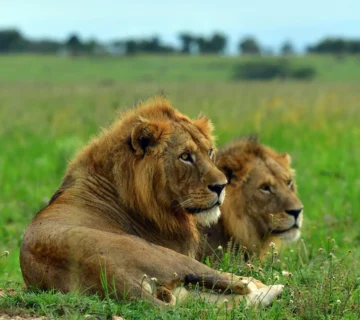
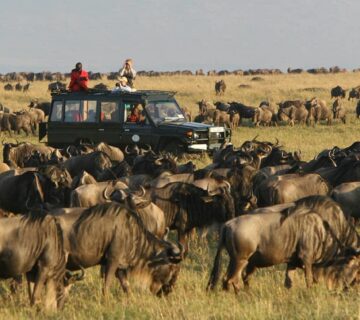
The safest parts of Uganda for international tourists are its national parks and protected wildlife areas. These include Bwindi Impenetrable Forest for gorilla trekking, Queen Elizabeth National Park for savannah game drives, and Murchison Falls for river-based wildlife viewing.
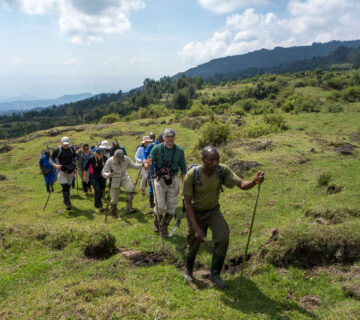
In these areas, tourism is highly organized. Visitors are always accompanied by licensed guides and often supported by armed ranger escorts during trekking activities. This system significantly reduces risk and ensures controlled movement within protected ecosystems.
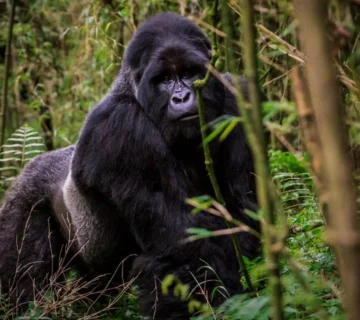
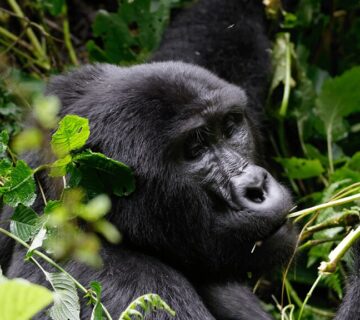
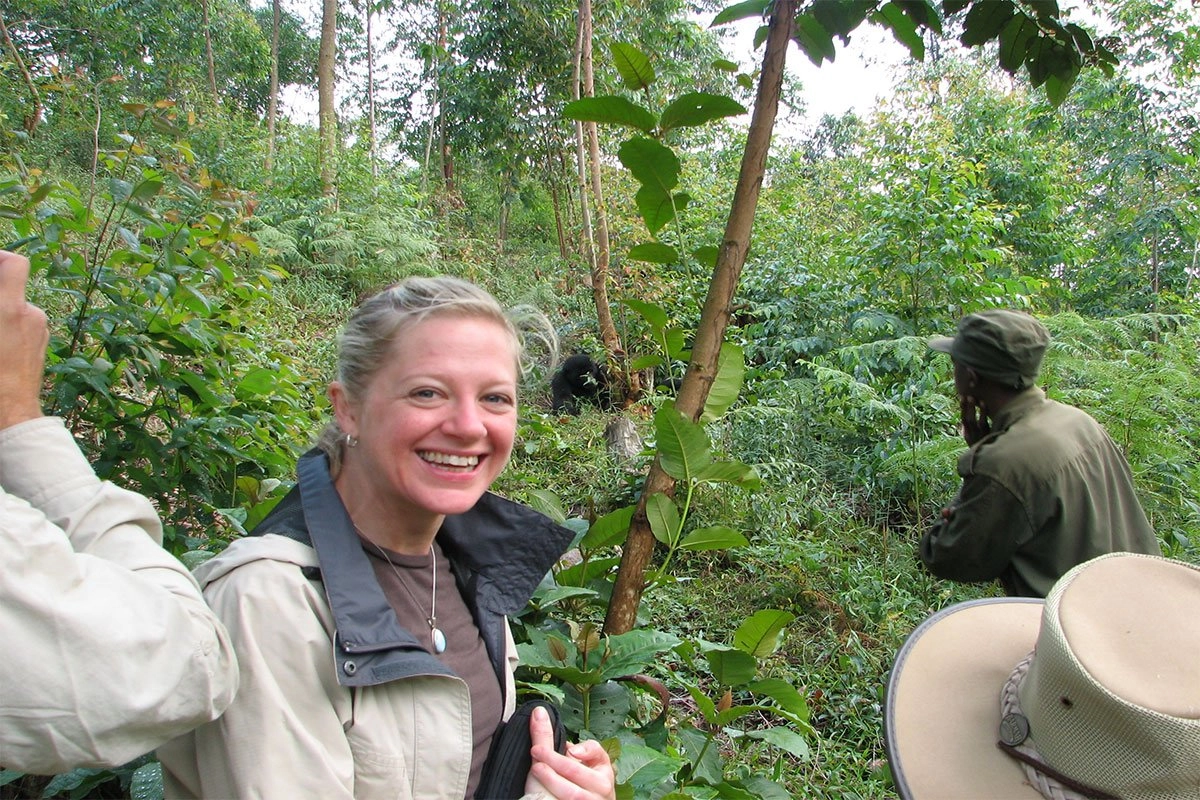
Gorilla trekking in Bwindi, in particular, is considered very safe because group sizes are small, routes are monitored, and access is controlled through permit systems. The focus of risk in these environments is not crime, but terrain difficulty, altitude, and physical exertion rather than human security threats.
Urban Safety in Kampala and Entebbe
Urban areas like Kampala require a more cautious approach compared to safari parks. Kampala is a busy capital city with normal urban challenges such as traffic congestion and petty crime in crowded areas. Most issues affecting tourists are non-violent, such as pickpocketing or opportunistic theft in busy markets.
Entebbe, where the international airport is located, is generally calmer and more relaxed, with a stronger tourist presence and lower intensity of urban risk.
Travel behavior plays a major role in safety in cities. Staying in reputable accommodation, using arranged transport, and avoiding isolated movement at night significantly reduces exposure to risk.
Border Regions and Remote Areas
Some border areas of Uganda, particularly those close to neighboring countries experiencing instability, are considered higher risk zones. These areas are generally far from standard safari circuits and are not part of typical tourism routes.
Most organized safari itineraries do not pass through high-risk border zones. Tour operators design routes to stay within stable, well-monitored national park systems and established road corridors.
For tourists following standard itineraries, these regions rarely affect travel planning.
Crime Risk for Tourists
The most common safety issues affecting tourists in Uganda are petty crimes such as pickpocketing, bag snatching, and occasional scams in urban environments. These are similar to risks found in many global travel destinations and are not unique to Uganda.
Violent crime involving tourists is uncommon, especially in regulated safari areas. When incidents occur, they are typically outside tourism zones rather than within parks or organized travel routes.
Tourists who follow standard precautions such as avoiding display of valuables, using trusted transport, and staying in known accommodation generally experience smooth travel without security problems.
Health and Environmental Safety Considerations
Safety in Uganda is not only about security but also about health and environment. Malaria risk exists in many lowland and forest areas, so preventive measures are recommended. Vaccination requirements such as yellow fever certification are strictly enforced at entry points.
Safari travel also involves physical factors such as long road transfers, variable road conditions, and altitude changes in regions like Bwindi. These are not safety threats in the criminal sense but are important logistical considerations for comfort and preparation.
Gorilla Trekking Safety Context
Gorilla trekking is one of Uganda’s most tightly managed tourism activities. It takes place under strict conservation rules, with trained guides and armed rangers leading all groups into the forest.
Safety protocols are designed around both wildlife protection and visitor control. Group sizes are limited, routes are managed daily, and direct interaction with gorillas is regulated to minimize risk.
From a field perspective, gorilla trekking is considered one of the most controlled wildlife experiences in Africa.
What Recent Travel Assessments Indicate
Recent travel analyses and advisory summaries consistently describe Uganda as safe for most tourists when traveling within structured safari systems and reputable tour operations. The general pattern shows that visitors who follow organized itineraries experience low incident rates, particularly in national parks and conservation areas.
At the same time, official advisories continue to recommend caution in urban environments and border regions, reflecting a balanced risk profile rather than a uniform safety concern across the entire country.
Real-World Safety Experience on the Ground
In practice, most tourists experience Uganda as a welcoming and structured safari destination. The tourism system is built around guided travel, park regulation, and community-based tourism support.
Visitors typically move between airport arrival points, national parks, and lodges with professional drivers and guides who are familiar with road conditions and security dynamics. This structured travel model significantly reduces exposure to avoidable risks.
The overall experience for most travelers is not one of uncertainty, but of guided mobility through well-established tourism corridors.
Final Assessment of Safety in 2026
Uganda remains a safe destination for international tourists in 2026 when travel is conducted within established safari frameworks and supported by reputable operators. The strongest safety performance is found in national parks and organized tourism circuits, where security systems are well developed and visitor movement is controlled.
Urban areas require standard travel caution, and border regions should generally be avoided unless part of a structured itinerary. However, for the vast majority of safari travelers, Uganda delivers a stable and secure environment for wildlife tourism, gorilla trekking, and cultural exploration when proper planning and awareness are applied.
Start Planning Your Next Trip To Africa
If you can picture yourself in one—or several—of these exceptional retreats, the next move is simple. We design fully tailored African safaris that bring these experiences together seamlessly, from private gorilla encounters to luxury lodges in the heart of the wild.
Every detail is carefully planned, so your journey feels effortless from start to finish. Reach out in whichever way suits you best, and let’s begin crafting your safari.
Start Planning