Uganda in December: Why the Short Dry Window Is Africa’s Best-Kept Secret
Uganda safari December is one of the most underestimated safari periods in East Africa, largely because it sits between two more widely promoted travel windows and is often simplified as a “shoulder month.” That label misses the real ecological and experiential value of this short dry window. December in Uganda is not just a transitional phase; it is a strategically important moment in the country’s wildlife calendar where landscapes, animal behaviour, and travel conditions align in a way that is both accessible and visually rewarding.
Across key safari ecosystems such as Queen Elizabeth National Park, Murchison Falls National Park, and the forested gorilla habitats of Bwindi Impenetrable National Park, December creates a rare ecological balance. It is a period shaped by post-rain recovery, stabilizing weather systems, and gradual wildlife redistribution. Understanding Uganda safari December requires looking beyond simple weather summaries and into how ecosystems respond after rainfall cycles.
Climatic Transition Shaping Uganda Safari December Conditions
Post-Rain Stabilization Phase
December follows Uganda’s short rainy season, which means most landscapes have recently received significant rainfall. As the rains begin to recede, ecosystems enter a stabilization phase where vegetation remains lush but starts to settle into more predictable growth patterns.
This creates a unique safari environment where visibility improves gradually without the harsh dryness of peak dry seasons. Grasslands remain green but begin to thin in open areas, especially in savannah regions like Queen Elizabeth National Park. This balance is one of the defining features of Uganda safari December conditions.
Reduced Rainfall Without Full Dryness
Unlike fully dry months, December does not eliminate rainfall completely. Instead, it reduces intensity and frequency. This means safari days often include clear mornings, occasional light showers, and stable afternoon conditions.
This variability supports diverse wildlife behaviour, as animals are not yet forced into extreme water-source dependency but also are not fully dispersed across wet-season ranges.
Temperature Moderation and Field Comfort
Daytime temperatures in December remain warm but manageable, while early mornings and evenings are cooler. This moderation creates comfortable game drive conditions and improves overall safari endurance for travellers engaging in full-day wildlife tracking experiences.
Wildlife Distribution During Uganda Safari December
Early Re-Concentration of Herbivores
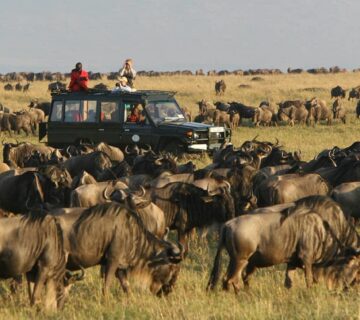
One of the most important ecological shifts during Uganda safari December is the early-stage re-concentration of herbivores. As post-rain water distribution begins to stabilize, animals slowly start adjusting their movement patterns toward more reliable grazing zones.
In ecosystems such as Queen Elizabeth National Park, Uganda kob, buffalo, and elephant populations begin subtle shifts toward open plains and permanent water sources. However, unlike peak dry season, this concentration is still developing, which creates a more natural distribution pattern.
Predator Behaviour in Transitional Landscapes
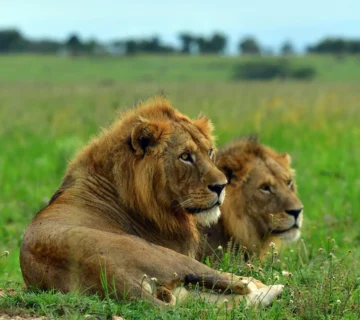
Predators such as lions and leopards adjust their hunting strategies during this period. Instead of relying on tightly clustered prey populations, they operate across wider territories, tracking emerging movement corridors.
In Murchison Falls National Park, this results in dynamic predator visibility patterns where sightings are influenced by both opportunity and landscape openness rather than fixed concentration zones.
Elephant Mobility Across Mixed Habitats
Elephants are particularly responsive to December conditions. They move between forested zones, riverbanks, and savannah areas depending on food availability and moisture levels.
This creates varied viewing opportunities across multiple habitats within a single safari route, especially along the Nile corridor in Murchison Falls National Park.
Savannah Experience During Uganda Safari December
Balanced Vegetation Structure
December offers a balanced vegetation structure that is neither too dense nor fully exposed. This intermediate stage is critical for safari quality because it allows for both wildlife concealment and visibility.
Animals are easier to spot than in peak wet season, but still behave naturally without the extreme clustering seen in dry months.
Game Drive Accessibility and Route Expansion
Road conditions in December are generally stable due to reduced rainfall intensity. This improves access to remote safari sectors, especially in Queen Elizabeth National Park where crater lake regions and southern plains become more reachable.
Game drives become more flexible, allowing for extended exploration without major weather disruptions.
Multi-Zone Wildlife Observation
One of the key advantages of Uganda safari December is the ability to observe wildlife across multiple ecological zones within a single game drive. Savannah plains, wetlands, and bush transitions are all active simultaneously, offering diverse sightings within short distances.
Gorilla Trekking Dynamics in December
Forest Stability and Trekking Efficiency
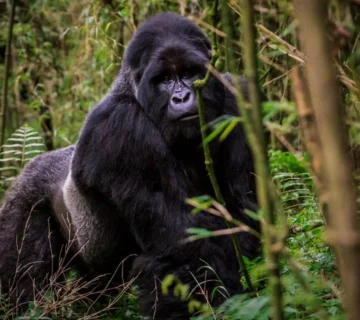
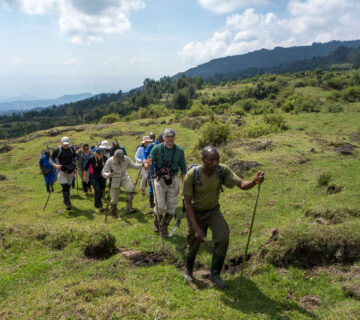
In forest systems such as Bwindi Impenetrable Forest, December provides relatively stable trekking conditions. Trails are less saturated compared to peak rainy months, improving mobility while maintaining natural forest humidity.
This creates a physically balanced trekking experience where accessibility is improved without losing ecological authenticity.
Feeding Behaviour in Gorilla Groups
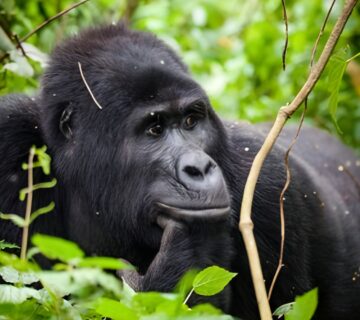
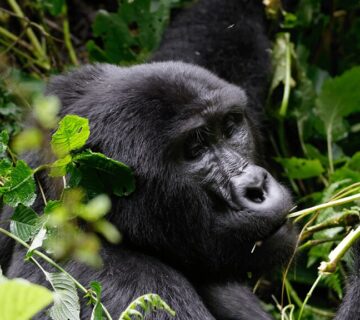
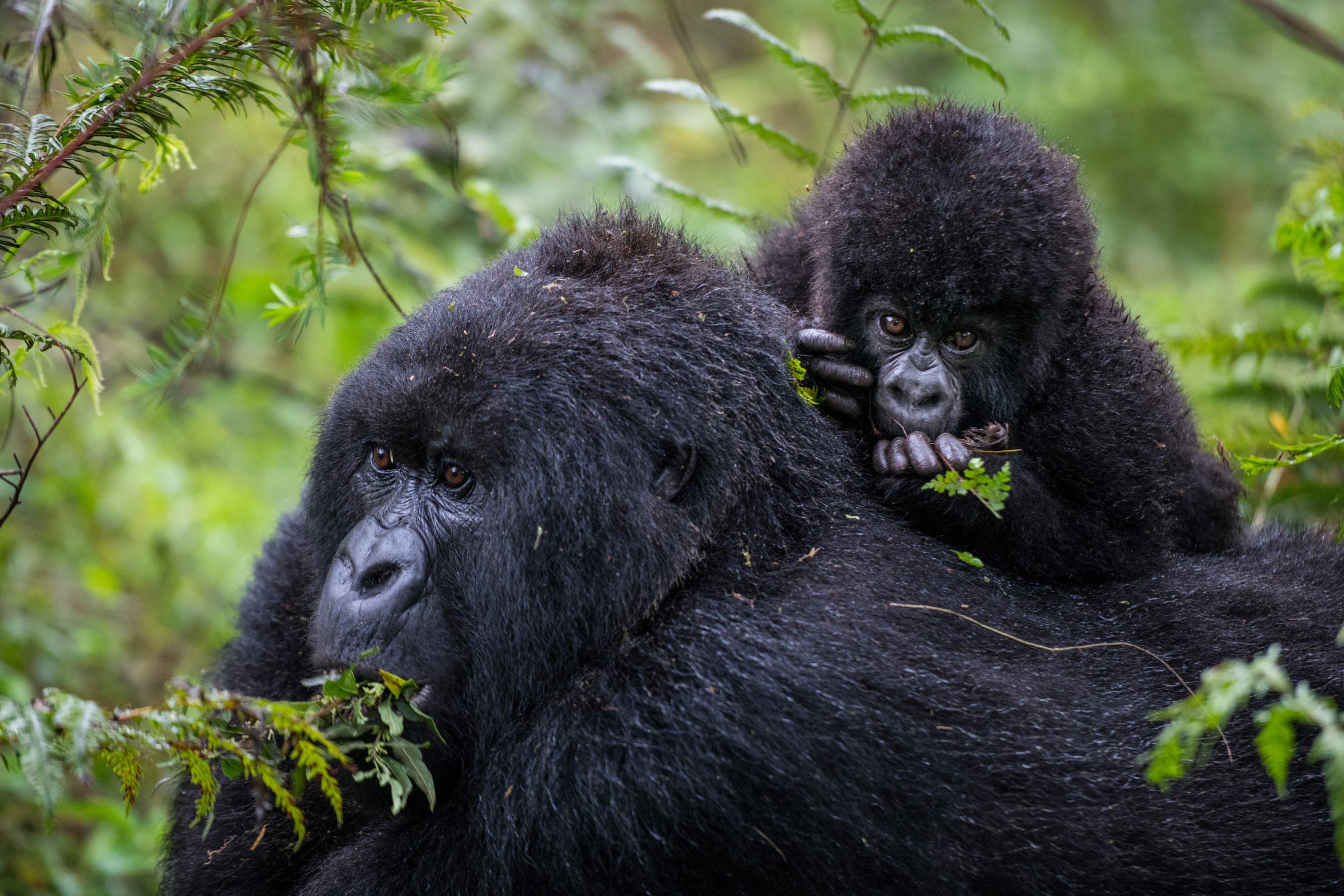
Mountain gorillas remain non-migratory, but their feeding patterns are influenced by vegetation cycles. In December, plant regeneration following rains supports active feeding behaviour, keeping groups relatively stable in known tracking zones.
This improves trekking predictability while still allowing for natural variation in group movement.
Atmospheric Forest Conditions
December forest environments often feature a combination of light mist, filtered sunlight, and residual moisture. This creates layered visibility conditions that enhance depth perception during trekking and improve photographic composition opportunities.
Birdlife and Biodiversity Activity in December
Mixed Seasonal Bird Populations
Uganda safari December overlaps with periods where both resident and migratory bird species are present. This creates a high diversity of birdlife across wetlands, savannahs, and forest edges.
In Queen Elizabeth National Park, wetland areas become particularly active with aquatic bird species, while open plains support raptor visibility.
Breeding and Feeding Intensification
Following the rains, insect populations remain elevated, supporting increased feeding activity among insectivorous bird species. Many birds also enter breeding cycles during this period, increasing territorial displays and vocal activity.
Wetland Ecosystem Productivity
Wetlands retain high water levels from recent rains, supporting complex ecological interactions between fish, birds, and amphibian species. This enhances biodiversity visibility for travellers focusing on ecological observation.
Landscape and Photographic Value of Uganda Safari December
Green Transition Landscapes
December landscapes are defined by a transition from wet-season lushness to early dry-season structure. This creates visually rich environments where green vegetation dominates but begins to open up for wildlife visibility.
In Queen Elizabeth National Park, this results in contrasting visual layers between grasslands, water bodies, and distant hills.
Atmospheric Light Quality
Lighting conditions in December are particularly favourable for photography due to a combination of cloud diffusion and intermittent sunlight. This reduces harsh shadows while maintaining colour depth.
Early morning conditions often include soft mist, especially in forested regions like Bwindi, creating strong atmospheric composition opportunities.
Reduced Dust Compared to Peak Dry Season
Unlike peak dry months, December still retains moderate ground moisture. This reduces dust interference during photography, resulting in clearer long-range wildlife shots.
Tourism Flow and Safari Experience Dynamics
Lower Crowd Density Advantage
December is often overlooked in safari planning, which results in lower tourist density across major parks. This enhances exclusivity during game drives and reduces vehicle congestion at wildlife sightings.
Lodge Availability and Service Quality
Accommodation availability is generally higher than peak dry season periods, allowing access to premium lodges without high booking pressure. This often results in more personalized service experiences.
Flexible Safari Planning
Tour operators have greater flexibility in December due to lower peak demand. This allows for more adaptive itinerary design, including spontaneous route changes based on wildlife movement.
Ecological Significance of December in Uganda
Post-Rain Recovery Ecosystem Phase
December represents a recovery phase in Uganda’s ecological cycle. Vegetation regrowth stabilizes, water systems refill, and wildlife distribution begins transitioning toward dry-season patterns.
This creates a biologically active but balanced ecosystem state.
Early Dry Season Formation
December acts as the beginning of dry-season formation without reaching full ecological pressure. This intermediate state is what makes Uganda safari December structurally unique compared to both wet and peak dry seasons.
Energy Distribution Across Species
Wildlife energy expenditure becomes more balanced during this period. Animals are not forced into extreme migration or water dependency, allowing for more natural behavioural expression.
Field Reality of Uganda Safari December
Predictability Without Rigidity
December offers a mix of predictability and natural variation. Weather conditions are relatively stable, but wildlife behaviour remains dynamic due to post-rain ecological adjustments.
Tracking Complexity and Guide Expertise
Wildlife tracking during December requires interpretive skill rather than simple location following. Guides must read environmental cues such as fresh tracks, feeding signs, and vegetation movement.
Multi-Habitat Safari Integration
One of the strongest aspects of Uganda safari December is the ability to combine forest, savannah, and wetland ecosystems within a single trip, offering a multi-layered safari experience across the country’s diverse landscapes.
Start Planning Your Next Trip To Africa
If you can picture yourself in one—or several—of these exceptional retreats, the next move is simple. We design fully tailored African safaris that bring these experiences together seamlessly, from private gorilla encounters to luxury lodges in the heart of the wild.
Every detail is carefully planned, so your journey feels effortless from start to finish. Reach out in whichever way suits you best, and let’s begin crafting your safari.
Start Planning