How Far in Advance Should You Book a Uganda Gorilla Permit?
Why Timing Matters More Than You Think
Planning a gorilla trekking safari in Bwindi Impenetrable National Park is not like planning a typical wildlife trip. You are not simply choosing dates and showing up at a park gate. Instead, the entire experience revolves around one critical element: the gorilla permit. This single document determines when you trek, where you trek, and often how the rest of your itinerary is structured.
Because mountain gorilla tourism is tightly regulated for conservation reasons, permits are limited and highly controlled. That scarcity creates demand, and demand creates competition. As a result, understanding how far in advance to book is not just helpful—it is essential if you want a smooth, well-organized safari without compromises.
The difference between booking early and booking late can determine whether you get your preferred sector, your ideal travel dates, or even a permit at all.
Understanding Gorilla Permits in Uganda
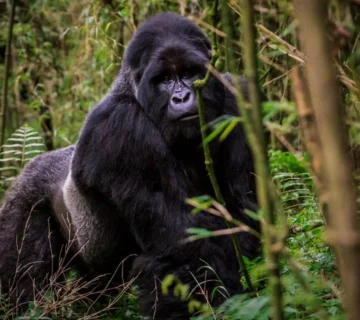
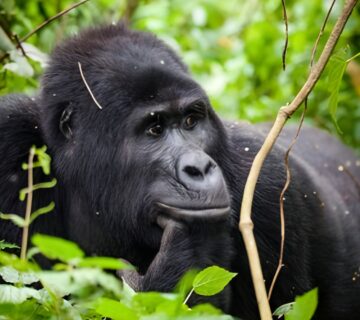
A gorilla permit in Uganda grants you access to spend one hour with a habituated gorilla family in Bwindi. This hour is strictly enforced and is part of a broader conservation strategy designed to minimize human impact on these endangered primates.
Only a limited number of permits are issued per day, distributed across the four trekking sectors: Buhoma, Ruhija, Rushaga, and Nkuringo. Each sector has a fixed number of habituated gorilla families, and each family can only be visited by a small group of trekkers per day.
This means availability is finite and cannot be expanded to meet demand. Once permits are sold out for a specific date and sector, there is no alternative except choosing another date or location.
The Ideal Booking Window Explained
The most reliable strategy is to book as early as possible. However, the exact timing depends on the season in which you plan to travel.
For peak travel seasons, which typically include June to September and December to February, you should aim to secure your permit at least six to twelve months in advance. These periods coincide with dry weather conditions, making trekking easier and attracting a higher number of international visitors.
For shoulder seasons such as March to May and October to November, booking three to six months in advance is generally sufficient. While demand is lower, permits can still sell out, especially for popular sectors.
In the low season, particularly during the heaviest rains, it is sometimes possible to secure permits with shorter notice. However, relying on last-minute availability introduces risk and limits your choices significantly.
Why Peak Season Requires Early Planning
Peak season in Uganda aligns with global travel patterns and favorable trekking conditions. Trails are drier, vegetation is slightly less dense, and overall accessibility improves. These factors make it the most desirable time for gorilla trekking.
Because of this, permits for peak months are often among the first to sell out. Travelers from Europe, North America, and other long-haul markets tend to book well in advance, sometimes securing permits nearly a year ahead.
If you delay booking during peak season, you may face several challenges. You might not find availability in your preferred sector, forcing you to adjust your itinerary. You may also need to shift your travel dates or accept less convenient accommodation options.
In some cases, you may not find permits at all for your intended travel window.
Shoulder Season: A Balance Between Flexibility and Risk
The shoulder seasons offer a more balanced approach. Rainfall increases slightly, but trekking remains very manageable, and the forest becomes lush and vibrant.
During these periods, demand is lower than peak season but still significant. Booking three to six months in advance typically provides enough flexibility to choose your preferred dates and sector without major compromise.
However, it is important not to assume unlimited availability. Popular lodges and specific gorilla families can still be in demand, and last-minute planning may limit your options.
Low Season: Opportunity with Trade-Offs
The low season, particularly during the heaviest rains, presents the greatest opportunity for last-minute bookings. Permits are less likely to sell out, and some lodges offer discounted rates.
However, this flexibility comes with trade-offs. Trekking conditions can be more challenging due to muddy trails and thicker vegetation. Travel logistics may also be affected by weather conditions.
Additionally, while permits may be available, your choice of sector and accommodation may still be limited if you wait too long.
The Critical Mistake Most Travelers Make
One of the most common mistakes is booking flights and accommodation before securing a gorilla permit. This approach can create significant complications.
Because permits are date-specific and sector-specific, they should always be the first element you confirm. Once your permit is secured, you can then align your flights, transfers, and lodging accordingly.
If you reverse this process, you risk building an itinerary around dates that may not have permit availability. This can lead to costly changes or, in some cases, cancellation of the gorilla trekking component altogether.
Sector Availability and Its Impact on Booking
Each sector of Bwindi has a different number of habituated gorilla families, which directly affects permit availability.
Rushaga, in the southern part of the park, has the highest number of families and therefore the greatest availability. Buhoma, while popular and accessible, has fewer permits and tends to sell out faster.
Nkuringo and Ruhija offer more limited availability but provide unique trekking experiences. If you have a strong preference for a specific sector, early booking becomes even more important.
Waiting too long may mean you are assigned to a sector that does not match your expectations in terms of terrain, accessibility, or accommodation style.
Group Size and Permit Limits
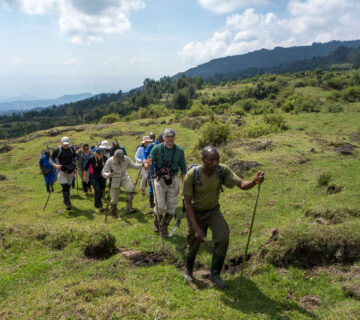
Each gorilla family can only be visited by a maximum of eight trekkers per day. This restriction ensures minimal disturbance and maintains the natural behavior of the gorillas.
Because of this, even a small increase in demand can quickly lead to sold-out dates. Unlike other tourism experiences, there is no option to add extra slots or increase capacity.
This strict limit reinforces the need for early booking, especially if you are traveling as part of a group that requires multiple permits on the same day.
Booking Through Tour Operators vs Direct Purchase
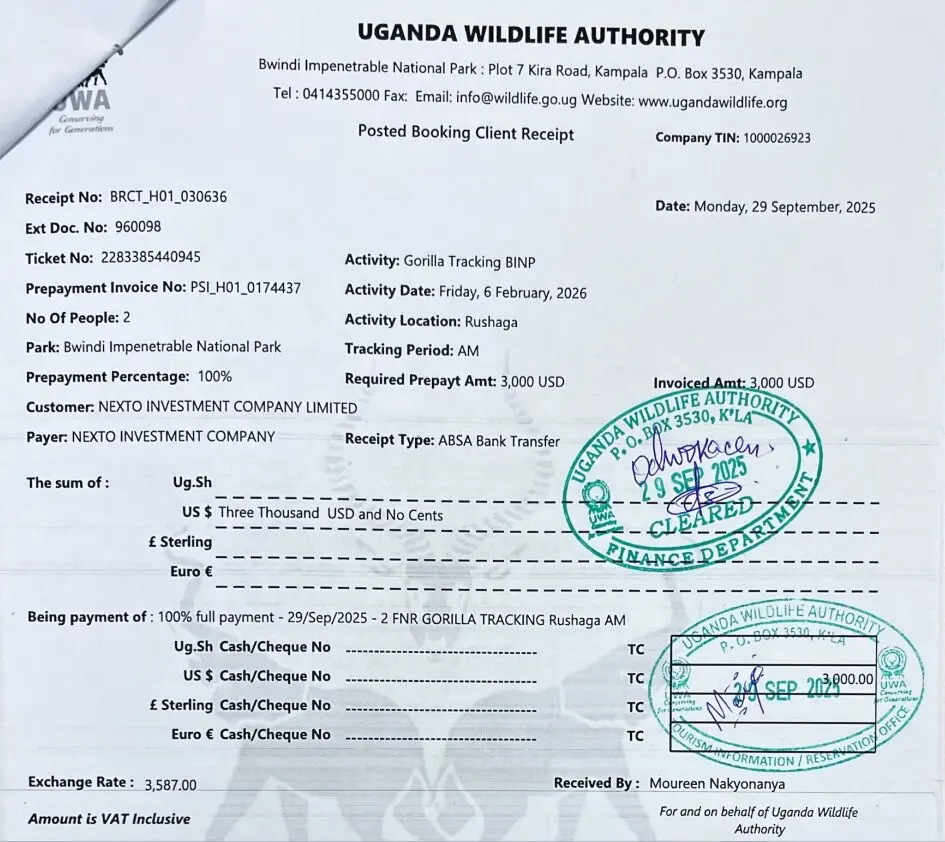
Permits can be secured through the Uganda Wildlife Authority or through licensed tour operators. For most international travelers, using a tour operator is the more practical option.
Operators can check real-time availability, hold permits temporarily, and coordinate logistics such as transport and accommodation. They also provide guidance on selecting the best sector based on your preferences and fitness level.
However, even when working with an operator, the timing of your request still matters. Delaying your decision reduces the chances of securing ideal dates.
Flexibility as a Strategic Advantage
If your travel dates are flexible, you have a significant advantage. Flexibility allows you to choose from available permits rather than competing for specific dates.
Travelers with fixed schedules, such as those tied to work leave or school holidays, should prioritize early booking even more strongly.
Flexibility can also help you take advantage of availability in different sectors, potentially enhancing your overall experience.
Combining Gorilla Trekking with Other Safaris
Many travelers combine gorilla trekking with other destinations such as Queen Elizabeth National Park or Murchison Falls National Park. In these cases, the gorilla permit becomes the anchor of the itinerary.
You plan the rest of your safari around the date and location of your trek. This makes early booking even more important, as it affects the entire structure of your trip.If you want a stress-free and well-organized gorilla safari in Bwindi Impenetrable National Park, the safest approach is simple. Book your permit as early as possible, ideally six to twelve months in advance for peak season and at least three to six months for other periods.
This approach ensures that you have full control over your travel dates, sector choice, and overall itinerary. It also allows you to secure the best accommodation and plan your journey with confidence.
Gorilla trekking is not just another activity. It is a once-in-a-lifetime wildlife encounter that depends entirely on limited access and careful conservation management.
Because of this, timing is everything. Booking early is not just a recommendation. It is the foundation of a successful gorilla safari.
When you secure your permit in advance, you are not just reserving a spot. You are guaranteeing access to one of the most extraordinary wildlife experiences on Earth, deep within the forests of Bwindi.
Start Planning Your Next Trip To Africa
If you can picture yourself in one—or several—of these exceptional retreats, the next move is simple. We design fully tailored African safaris that bring these experiences together seamlessly, from private gorilla encounters to luxury lodges in the heart of the wild.
Every detail is carefully planned, so your journey feels effortless from start to finish. Reach out in whichever way suits you best, and let’s begin crafting your safari.
Start Planning