Rwanda Gorilla Permit: What the $1,500 Fee Covers and Why Rwanda Charges More Than Uganda
Rwanda’s gorilla trekking permit—priced at around $1,500 per person—is one of the most debated fees in African tourism. On the surface, it looks expensive compared to neighbouring countries, particularly Uganda. But the price is not arbitrary. It reflects a deliberate conservation and tourism strategy built around limited access, high protection standards, and premium positioning.
To understand the difference, you need to look at what the fee actually funds and how Rwanda has structured its entire gorilla tourism model.
What the Gorilla Permit Actually Covers
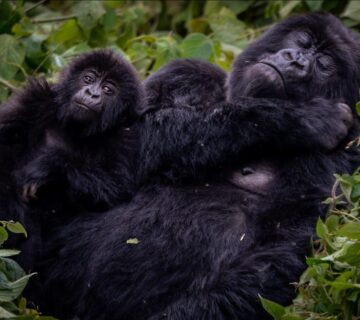
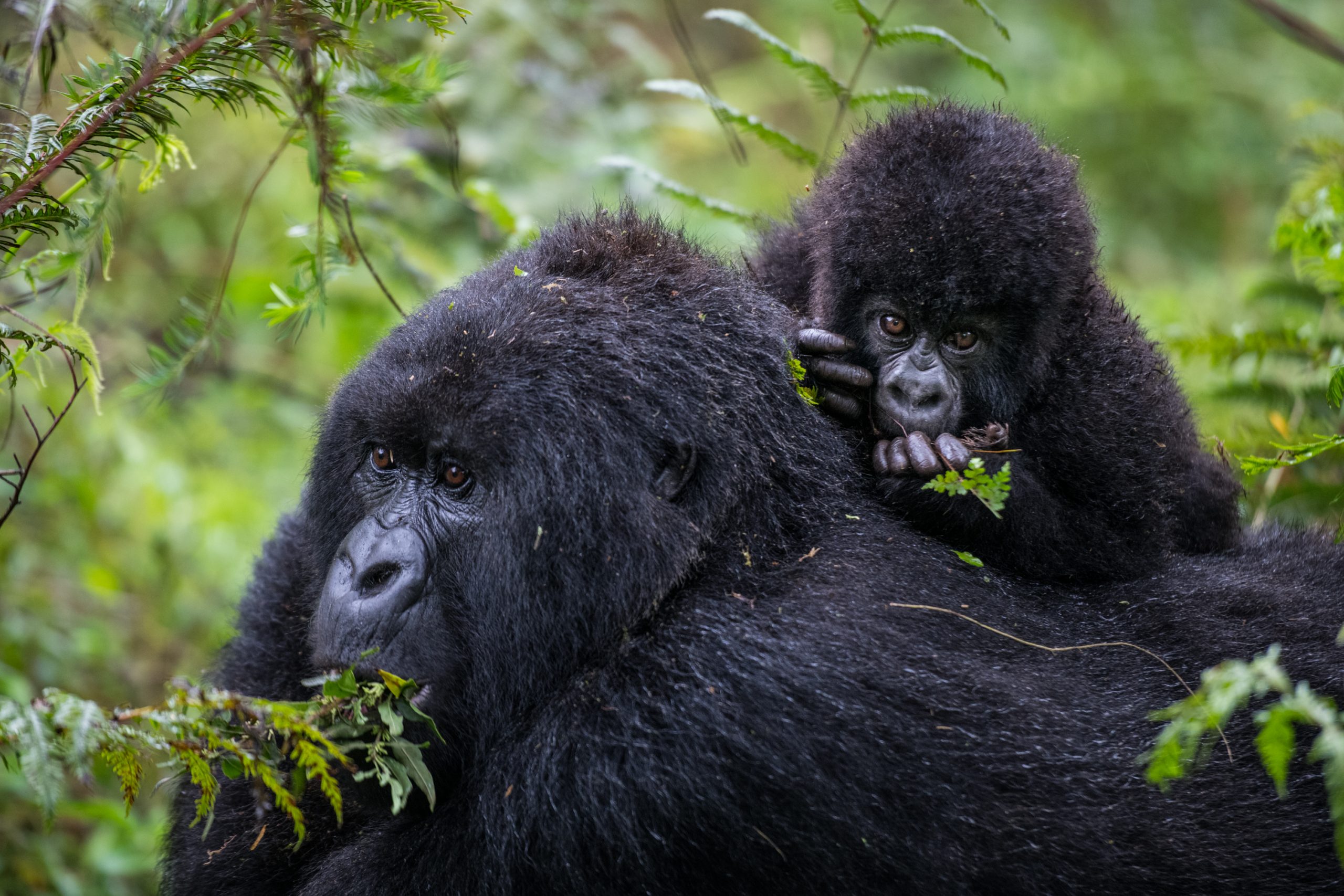
The permit is not just an entry ticket. It is a bundled conservation and management fee that supports multiple systems operating inside Volcanoes National Park, where mountain gorilla trekking takes place.
The cost contributes to:
park management and infrastructure
ranger salaries and daily tracking operations
anti-poaching patrols and surveillance
veterinary care for gorilla groups
habituation and monitoring of gorilla families
controlled visitor management systems
Gorilla trekking is tightly regulated. Only a limited number of visitors are allowed per day, and each gorilla group is visited under strict time and distance rules.
This level of control is expensive to maintain, and the permit fee is what funds it.
The Conservation Model: Low Volume, High Value
Rwanda has chosen a low-volume, high-value tourism model.
Instead of allowing large numbers of visitors at lower prices, Rwanda limits daily permits and charges more per person. The goal is to:
reduce pressure on gorilla habitats
maintain a premium, controlled visitor experience
generate sufficient revenue without mass tourism
This approach directly influences pricing. Fewer permits mean each one must carry more financial weight to sustain conservation operations.
Why Rwanda Charges More Than Uganda
Uganda offers gorilla permits at a lower price point, which raises the obvious question: why the difference?
The answer comes down to positioning, infrastructure, and strategy.
Rwanda has deliberately positioned itself as a premium destination. This includes:
high-end lodge development near the park
shorter travel times from Kigali to trekking areas
more streamlined tourism logistics
a stronger emphasis on luxury and exclusivity
Uganda, by comparison, offers a more access-focused model with:
lower permit costs
longer travel distances to trekking zones
a broader range of mid-range and budget options
Neither model is inherently better. They serve different types of travellers.
Accessibility: A Major Pricing Factor
One of Rwanda’s strongest advantages is accessibility.
From Kigali, it takes only a few hours to reach Volcanoes National Park by road. This makes it possible to do gorilla trekking in a shorter itinerary, even as a 2–3 day extension.
In Uganda, reaching parks like Bwindi Impenetrable Forest typically requires longer drives or additional domestic flights.
This convenience factor contributes to Rwanda’s premium pricing structure.
Experience Structure: What You Are Paying For
The trekking experience itself is similar in both countries in terms of gorilla interaction rules.
However, Rwanda focuses heavily on:
tight visitor control
high ranger-to-visitor coordination
well-managed trekking logistics
consistent guiding standards
The overall experience is designed to feel more curated and predictable, which aligns with its premium positioning.
Conservation Funding and Revenue Distribution
A significant portion of Rwanda’s permit revenue is reinvested into conservation and community programs.
This includes:
anti-poaching operations
habitat protection
community revenue-sharing initiatives
development projects in surrounding villages
By linking tourism revenue to community benefit, Rwanda strengthens local support for gorilla conservation.
This is a critical factor because long-term wildlife protection depends on local engagement, not just enforcement.
The Psychology of Pricing
There is also a strategic element to the pricing itself.
Higher pricing:
filters visitor volume
attracts travellers willing to invest in the experience
reduces overcrowding
positions the destination as exclusive
This is not just about revenue. It is about controlling demand and maintaining long-term sustainability.
Is the Higher Cost Justified?
Whether Rwanda’s pricing is “worth it” depends on what you value.
It makes sense if you prioritise:
short travel time
high-end lodge experiences
controlled, premium tourism environments
efficiency in itinerary design
It may not be necessary if you prioritise:
lower overall trip cost
longer, more rugged travel experiences
budget flexibility across a broader safari itinerary
Both Rwanda and Uganda offer exceptional gorilla encounters. The difference lies in how the experience is packaged and delivered.
Insight
Rwanda’s $1,500 gorilla permit is not just a tourism fee. It is the financial core of a conservation model built on exclusivity, control, and long-term sustainability.
Inside Volcanoes National Park, that fee supports ranger operations, wildlife protection, habitat management, and community engagement systems that keep gorilla populations stable.
The higher cost compared to Uganda reflects a different strategic choice: fewer visitors, higher revenue per traveller, and a tightly managed experience.
In simple terms, Rwanda is not charging more for the same product. It is offering the same wildlife encounter within a more controlled, premium tourism framework.
Start Planning Your Next Trip To Africa
If you can picture yourself in one—or several—of these exceptional retreats, the next move is simple. We design fully tailored African safaris that bring these experiences together seamlessly, from private gorilla encounters to luxury lodges in the heart of the wild.
Every detail is carefully planned, so your journey feels effortless from start to finish. Reach out in whichever way suits you best, and let’s begin crafting your safari.
Start Planning