Is Rwanda Safe for International Tourists?

Is Rwanda Safe for International Tourists?

Is Rwanda Safe for International Tourists? The Honest 2026 Assessment

Introduction: Safety in Rwanda Needs Context, Not Hype

When travelers research Rwanda, especially for safaris and gorilla trekking in Volcanoes National Park, the safety question usually comes first. That is sensible. You are planning long-haul travel, often into remote mountain or forest environments, and you want clarity, not marketing language.

The honest 2026 assessment is straightforward: Rwanda is widely considered one of the safest countries in Africa for international tourists. But “safe” does not mean identical conditions everywhere, and it does not remove the need for basic travel awareness.

To understand Rwanda properly, you need to look at three layers: urban safety in Kigali, safari safety in national parks, and regional border context.

Kigali: A Stable and Highly Managed Capital City

Most international visitors begin in Kigali, and this is where Rwanda’s reputation for order and safety is most visible.

The city is clean, structured, and heavily regulated compared to many regional capitals. Public spaces are organized, traffic is controlled, and there is a visible security presence in key areas such as hotels, commercial districts, and government zones.

For tourists staying in established hotels or boutique properties, movement around the city is generally uncomplicated. Restaurants, cultural sites, and attractions are accessible without the constant vigilance that is sometimes required in larger global cities.

Crime affecting tourists is generally low-level and opportunistic rather than violent. Like any capital city, basic precautions still apply, but Kigali is not known for high-risk tourist targeting.

In practical terms, most travelers experience Kigali as calm, structured, and predictable.

Safari Regions: Controlled Environments With Guided Access

The core safari experience in Rwanda takes place in protected national parks, and these areas operate under strict conservation and tourism control systems.

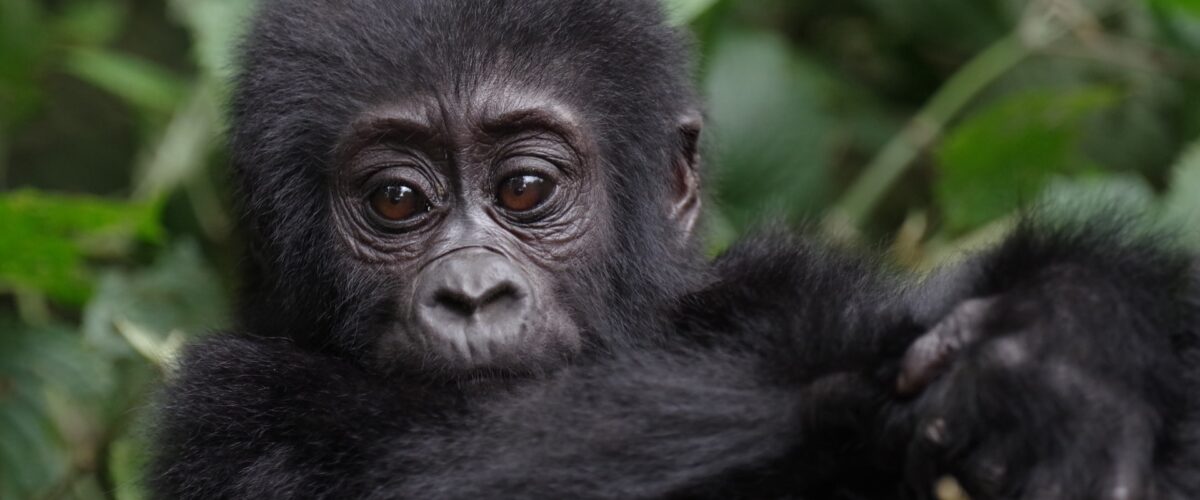
In Volcanoes National Park, gorilla trekking is one of the most regulated wildlife experiences in the world. Visitors do not move independently. Every trek is led by trained guides and armed rangers, with strict rules on group size, distance from animals, and movement in the forest.

This structure significantly reduces risk because there is no free roaming or unsupervised access. Everything is coordinated from park headquarters to trekking groups to return logistics.

Other major parks, including Akagera and Nyungwe, follow similar controlled access systems. Game drives and forest activities are always guided, and entry is regulated.

From a safety standpoint, this makes Rwanda’s safari model one of the most controlled and professionally managed in Africa.

Wildlife Safety: Managed Encounters, Not Random Exposure

Wildlife encounters in Rwanda are carefully managed rather than unpredictable.

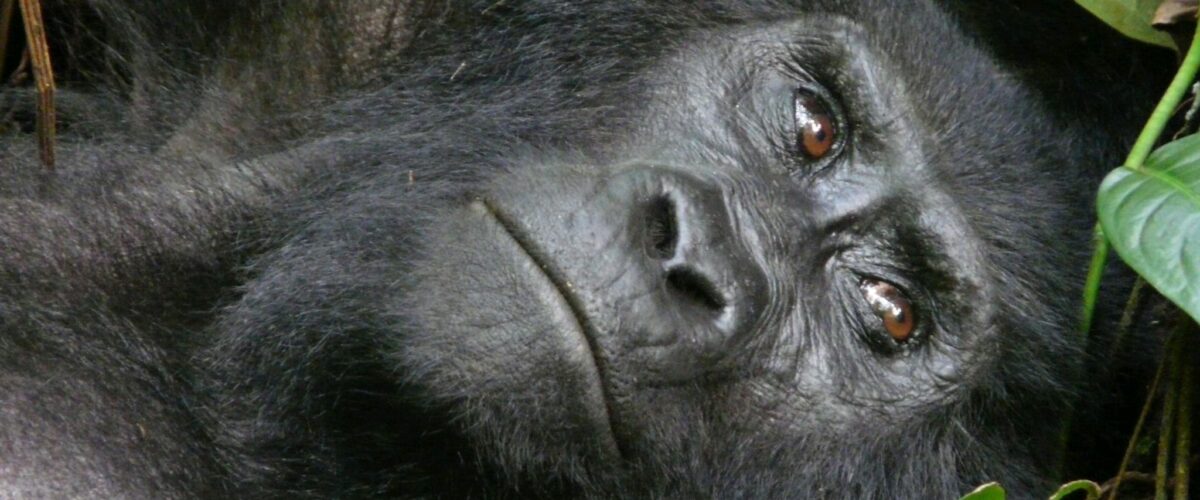
Gorilla trekking groups are assigned specific families and accompanied at all times by trained trackers and rangers who understand animal behavior and terrain conditions. The purpose is controlled observation, not risky interaction.

Even in Big Five areas like Akagera National Park, game drives are conducted with experienced guides who maintain safe viewing distances and understand animal movement patterns.

This reduces the kind of uncertainty that can exist in less structured wildlife systems elsewhere in Africa.

Border Regions: The Only Area Requiring Awareness

The main area where travelers are advised to exercise caution is near Rwanda’s western border with the Democratic Republic of Congo.

Some border-adjacent districts can experience occasional instability linked to regional dynamics. However, these areas are not part of standard safari itineraries.

Key tourism zones, including Volcanoes National Park and major lodge circuits, remain operational and heavily monitored.

For most visitors, this is background geopolitical context rather than a direct travel risk.

Road Travel: The Most Practical Consideration

The most realistic safety factor for travelers in Rwanda is road travel rather than crime or wildlife.

The country’s terrain is hilly, and journeys between destinations involve winding roads through rural and highland landscapes. While roads are generally in good condition, travel times can feel longer due to geography.

This is why safari itineraries rely on professional driver-guides who understand timing, road conditions, and safe driving practices.

Most travel-related incidents reported by visitors are related to fatigue or road logistics rather than security issues.

Final Verdict: Rwanda Is Safe, Structured, and Tourism-Ready

In 2026, Rwanda stands out as a stable and well-managed destination for international tourism.

Urban areas like Kigali are orderly and low-risk by regional standards. Safari regions such as Volcanoes National Park operate under strict, guided systems that prioritize visitor safety. Wildlife encounters are controlled, and tourism infrastructure is highly organized.

The only area requiring contextual awareness is border-adjacent regions, which are generally outside standard travel routes.

For most safari travelers, the real experience is not about managing risk—it is about navigating a highly structured destination where logistics, guiding, and conservation systems are tightly integrated.

In simple terms, Rwanda is not just safe enough for tourism. It is one of the most organized safari destinations in Africa.

Rwanda Visa Requirements for International Tourists

Rwanda Visa Requirements for International Tourists

Rwanda Visa Requirements for International Tourists: E-Visa and East Africa Visa Explained

Introduction: Entry Rules Are Simple, But Strategy Matters

Traveling to Rwanda for a safari is relatively straightforward compared to many African destinations, but the visa system still requires careful understanding—especially if your itinerary includes gorilla trekking in Volcanoes National Park or a multi-country circuit across East Africa.

The key decision is not just “do I need a visa?” but rather “which visa type gives me the most flexibility?” Rwanda offers a standard e-visa system and is also part of the East Africa Tourist Visa arrangement, which can significantly simplify travel if you are combining countries.

Rwanda E-Visa: The Standard Entry Option

The most commonly used entry method for international tourists is the Rwanda e-visa.

This system allows travelers to apply online before arrival, receive approval electronically, and then enter Rwanda without needing a visa stamp in advance from an embassy.

The process is generally straightforward: you complete an online application, upload passport details, and receive confirmation once approved. The e-visa is then presented on arrival at Kigali International Airport.

For most safari travelers heading directly to Rwanda for gorilla trekking or short stays, this is the simplest and most direct option.

The e-visa is ideal if your entire itinerary is within Rwanda only, especially if you are visiting key safari destinations such as Volcanoes National Park, Akagera National Park, or Nyungwe Forest.

Who Should Use the Rwanda E-Visa

The e-visa works best for travelers whose safari is entirely Rwanda-focused.

If your plan is to land in Kigali, go straight to gorilla trekking, and then return home or exit from Rwanda, the e-visa is usually all you need.

It is also suitable for short cultural or city-based trips in Kigali, or combined itineraries that remain within Rwanda’s borders without crossing into neighboring countries.

East Africa Tourist Visa: The Multi-Country Solution

For travelers planning a broader safari circuit, the East Africa Tourist Visa is often the more strategic option.

This visa allows entry into multiple countries under a single document, typically including Rwanda, Uganda, and Kenya. It is designed specifically for tourists combining gorilla trekking, savannah safaris, and regional travel within East Africa.

Instead of applying for separate visas for each country, travelers can use one visa to move between participating nations, provided they follow the correct entry and exit rules.

This is particularly useful for itineraries that combine gorilla trekking in Rwanda with additional trekking in Uganda or safari circuits in Kenya.

Key Advantage: Seamless Regional Safari Travel

The biggest benefit of the East Africa Tourist Visa is flexibility.

For example, a traveler might start in Kigali, trek gorillas in Volcanoes National Park, cross into Uganda for Bwindi Impenetrable Forest, and then continue onward to Kenya for a classic savannah safari—all under one visa framework.

This removes the administrative complexity of applying for multiple visas and makes cross-border safari planning significantly easier.

For experienced safari travelers, this is often the preferred option when building multi-country itineraries.

Important Limitation: First Entry Rule

One critical detail often overlooked is the first entry rule.

The East Africa Tourist Visa must be used in the country where it is first issued or approved, and then travel continues from there across the participating countries.

This means your itinerary must be logically structured from the beginning. If you plan to start in Rwanda, then Rwanda should be your first entry point.

If you begin in another country, the visa must align with that entry order.

Rwanda Visa on Arrival: Limited but Available

In some cases, Rwanda also allows visa on arrival for certain nationalities. However, this option is less predictable than the e-visa system and is generally not recommended for safari planning.

Given the importance of timing for gorilla trekking permits in Volcanoes National Park, most travelers prefer to secure their visa in advance to avoid any delays at entry.

Processing Time and Practical Advice

Rwanda’s e-visa system is generally efficient, with processing often taking a few working days depending on application volume.

However, safari travelers should always apply well in advance of their departure date, especially if travel includes multiple countries or complex itineraries.

For East Africa Tourist Visas, processing can sometimes take slightly longer due to multi-country coordination, so early planning is essential.

Passport Validity and Entry Requirements

Regardless of visa type, travelers entering Rwanda must have a valid passport with sufficient validity beyond the travel dates, typically at least six months.

Immigration officials may also require proof of return or onward travel, as well as documentation related to safari bookings or accommodation in some cases.

For gorilla trekking itineraries, having confirmed lodge bookings near Volcanoes National Park can help smooth entry procedures.

Health and Supporting Documentation

While not strictly part of the visa system, health requirements are closely tied to entry into Rwanda and surrounding countries.

A yellow fever vaccination certificate is commonly required if traveling from or through certain regions. This is especially relevant for multi-country East African safaris.

Travel insurance is also strongly recommended, particularly for gorilla trekking, where physical activity and remote locations are involved.

Choosing Between E-Visa and East Africa Visa

The decision ultimately depends on your itinerary design.

If your trip is focused solely on Rwanda and experiences such as Volcanoes National Park, Akagera, or Nyungwe, the e-visa is sufficient and simple.

If your safari includes multiple countries such as Uganda or Kenya, the East Africa Tourist Visa offers better flexibility and reduces administrative complexity.

The key is aligning your visa choice with your safari route before booking flights and permits.

Keep It Simple, But Plan Strategically

Visa rules for Rwanda are relatively straightforward, but they become more strategic when combined with regional safari planning.

The e-visa works best for single-country itineraries, especially gorilla trekking in Volcanoes National Park. The East Africa Tourist Visa is the smarter choice for multi-country safari circuits across East Africa.

In both cases, early application and clear itinerary planning are more important than complexity. Once your visa is sorted, Rwanda becomes one of the most accessible and rewarding safari destinations in Africa.
Rwanda Safari Packing List

Rwanda Safari Packing List

Rwanda Safari Packing List: What to Bring for Gorilla Trekking in the Virungas

Introduction: Packing for One of Africa’s Most Demanding Wildlife Experiences

Gorilla trekking in Rwanda, especially in Volcanoes National Park, is not a typical safari activity. It is a physically active rainforest hike at high altitude, often involving mud, steep slopes, thick vegetation, and unpredictable weather conditions.

What you pack directly affects your comfort, mobility, and overall experience. Unlike a game drive safari where you sit in a vehicle, gorilla trekking requires you to walk, climb, balance, and sometimes push through dense forest terrain for several hours.

A well-prepared packing list is not about luxury—it is about practicality, protection, and endurance.

The Core Idea: Light, Functional, and Layered

Packing for gorilla trekking is built around three principles: lightweight gear, functional clothing, and flexible layering.

The Virunga highlands can shift quickly between mist, rain, sun, and cold temperatures. You need clothing and equipment that adapts without becoming bulky or restrictive.

Most luxury lodges near Volcanoes National Park will store excess luggage and provide guidance, so you only take what is necessary for the trek itself.

Clothing: Protection Against Mud, Vegetation, and Weather

Clothing is the most important part of your packing list because it directly determines how comfortable you are in the forest.

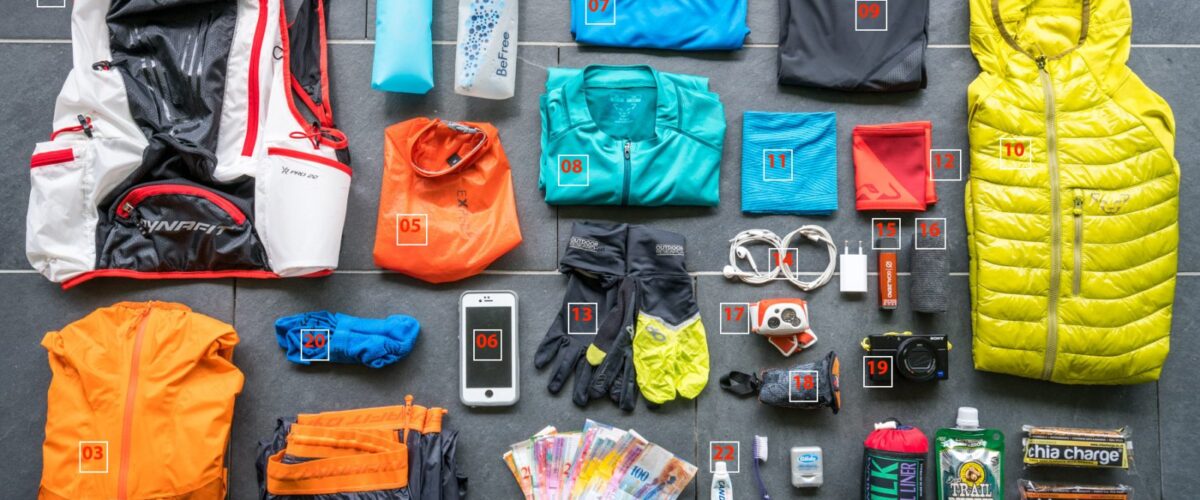
Long-sleeved shirts and long trousers are essential. They protect your skin from nettles, insects, and thorny vegetation. Lightweight but durable fabrics work best, ideally moisture-wicking rather than heavy cotton.

Neutral colors such as green, brown, and beige are preferred because they blend with the environment and are less likely to attract insects.

A waterproof jacket is essential, even during dry seasons. Weather in the Virungas changes quickly, and sudden rain showers are common.

Layering is critical. Mornings can be cold at altitude, while trekking itself generates heat. Being able to adjust clothing throughout the day is important.

Footwear: Stability on Uneven Terrain

Good hiking boots are non-negotiable for gorilla trekking in Volcanoes National Park.

The terrain is often muddy, uneven, and steep, so ankle support and strong grip are essential. Waterproof boots are strongly recommended, especially during rainy seasons.

Thick hiking socks help prevent blisters and provide additional comfort during long treks.

Some travelers also bring gaiters to prevent mud and vegetation from entering their boots, especially in wetter conditions.

Gloves: Small Detail, Big Difference

Gardening-style gloves or lightweight trekking gloves are extremely useful.

They protect your hands when grabbing vegetation for support while climbing or descending slopes. The forest can be dense, and you will often need to steady yourself using branches or vines.

Without gloves, hands can easily get scratched or irritated during the trek.

Backpack: Carry Only What You Need

A small, comfortable daypack is ideal for gorilla trekking.

It should be light, waterproof or water-resistant, and large enough to carry essentials without being bulky.

Inside your backpack, you should only carry what you need for the trek itself. Porters are available in Volcanoes National Park if you want assistance carrying your bag, which also supports local community employment.

Water and Snacks: Energy Management in the Forest

Hydration is critical during gorilla trekking.

You should carry enough water to last the entire hike, as trekking can take several hours depending on gorilla movement. A reusable water bottle or hydration pack is ideal.

Light snacks such as energy bars or dried fruit can also be helpful, especially during longer treks where energy levels drop due to altitude and physical exertion.

Camera Gear: Capturing the Gorilla Encounter Responsibly

Photography is allowed during gorilla trekking, but it must be done carefully and respectfully.

A good camera with a zoom lens is recommended because you must maintain a safe distance from the gorillas at all times.

Flash photography is not permitted, so low-light capability is important due to dense forest cover.

Many travelers also carry lightweight rain covers for cameras because sudden showers are common in the rainforest environment.

Rain Protection: Always Be Prepared

Rain is a constant possibility in the Virunga region, even during drier months.

A compact rain jacket or poncho is essential, not optional. Waterproof covers for backpacks are also highly recommended.

The forest can become muddy very quickly after rainfall, so being prepared for wet conditions is part of the trekking reality in Rwanda.

Sun Protection: High Altitude Exposure

Even though the environment is forested, ultraviolet exposure at altitude can still be strong.

Sunscreen, sunglasses, and a hat for pre- and post-trek use are useful additions. While the forest canopy provides shade during trekking, exposed areas around park headquarters and lodges can still have strong sun.

Personal Essentials: Small Items That Matter

A few small items can significantly improve comfort during the trek.

Insect repellent is useful, even though insect activity is generally moderate in higher altitude forest zones.

Hand sanitizer is practical for hygiene before and after trekking.

A small first aid kit with basics such as blister plasters or pain relief medication can be helpful for longer hikes.

Tissues or wet wipes are also useful, especially in humid or muddy conditions.

Fitness and Physical Preparation: The Often Ignored “Packing” Element

While not a physical item, fitness preparation is one of the most important aspects of gorilla trekking readiness.

Trekking in Volcanoes National Park can range from moderate walks to challenging climbs depending on gorilla movement. Being reasonably fit improves your ability to enjoy the experience rather than struggle through it.

Even basic cardio conditioning before your trip can make a significant difference in how comfortable you feel during the trek.

What You Do NOT Need to Pack

Many travelers overpack for gorilla trekking, assuming it is similar to traditional safaris.

Heavy formal clothing, multiple outfit changes for the trek itself, and unnecessary electronics are not required. Most lodges in Rwanda provide high levels of comfort, laundry services, and storage options for excess luggage.

The goal is minimalism for the trekking day, not excess preparation.

Smart Packing Enhances the Entire Experience

Gorilla trekking in Rwanda is physically demanding, environmentally immersive, and highly regulated. Your packing list should reflect that reality.

If you are properly equipped with waterproof layers, strong footwear, hydration, and lightweight essentials, the experience becomes significantly more comfortable and enjoyable.

In the end, successful packing is not about carrying more—it is about carrying exactly what allows you to move confidently through the Virungas and fully focus on the moment when you meet the mountain gorillas in Volcanoes National Park.

Crossing the Border

Crossing the Border

Crossing the Border: Combining Rwanda and Uganda in One Gorilla Safari

Introduction: Two Countries, One Mountain Gorilla Ecosystem

A gorilla safari in East Africa does not belong to a single country. The mountain gorilla population lives in a shared transboundary ecosystem across Rwanda, Uganda, and the Democratic Republic of Congo. This is part of the greater Virunga Conservation Area, where forests and volcanic landscapes extend seamlessly across political borders.

For travelers planning a serious primate-focused itinerary, combining Rwanda and Uganda in one trip is not only possible, it is often the most rewarding way to experience gorilla trekking at scale.

You can track gorillas in Volcanoes National Park in Rwanda and then continue into Uganda’s Bwindi Impenetrable Forest or Mgahinga Gorilla National Park without repeating the same landscape or trekking experience. But while the concept sounds simple, the logistics, permit rules, and travel planning require careful understanding.

The Core Idea: One Species, Different Experiences

The most important thing to understand is that Rwanda and Uganda are tracking the same species of mountain gorilla, but in different ecological and logistical contexts.

In Rwanda, gorilla trekking is centered in Volcanoes National Park, a high-altitude volcanic forest with relatively open terrain and shorter trek durations on average.

In Uganda, gorilla trekking takes place primarily in Bwindi Impenetrable Forest, which is denser, more complex, and often involves longer hikes through thick jungle terrain.

This means that combining both countries is not about seeing different animals. It is about experiencing different environments, trekking styles, and safari atmospheres around the same species.

Border Crossing Routes: How Rwanda and Uganda Connect

The most commonly used land border between the two countries for safari travel is the Cyanika or Katuna border posts in southwestern Uganda and northern Rwanda.

Travelers typically move overland between Kigali and southwestern Uganda. The drive from Kigali to the border is relatively short, and from there, it continues into Bwindi or Mgahinga depending on the trekking sector.

Another common route involves starting in Uganda and ending in Rwanda, or vice versa, depending on flight logistics and itinerary design.

Air travel is also possible but less common for this specific combination, as most gorilla trekking circuits are designed around road-based logistics for flexibility and accessibility.

Permit Systems: The Most Important Planning Difference

One of the biggest differences between the two countries is the gorilla trekking permit system.

In Rwanda, permits are issued for trekking in Volcanoes National Park and are known for being highly regulated with a fixed pricing structure and limited daily availability.

In Uganda, permits are issued for Bwindi Impenetrable Forest and Mgahinga Gorilla National Park, and are generally priced lower, with slightly different booking dynamics depending on season and sector.

When combining both countries, travelers must secure separate permits for each destination. These cannot be transferred or shared, and they must be booked in advance due to high demand in both regions.

Why Combine Rwanda and Uganda in One Safari

The main reason travelers combine both countries is to diversify the gorilla trekking experience.

Rwanda offers a more structured, high-end safari environment. Lodges near Volcanoes National Park tend to be luxury-focused, logistics are highly streamlined, and trekking experiences are often shorter and more predictable.

Uganda offers a more rugged, immersive rainforest experience. Trekking in Bwindi can be more physically demanding, but also more varied in terrain and atmosphere.

By combining both, travelers get a complete spectrum of gorilla trekking experiences, from refined luxury to deep rainforest immersion.

Sample Safari Flow: Rwanda to Uganda Route

A common itinerary begins in Kigali, where travelers spend a night before transferring to Volcanoes National Park for gorilla trekking in Rwanda.

After completing trekking, the journey continues by road across the southwestern border into Uganda. This transition takes you through changing landscapes, from volcanic terrain into dense equatorial rainforest.

In Uganda, travelers typically stay in lodges near Bwindi Impenetrable Forest or Mgahinga Gorilla National Park, completing a second gorilla trekking experience in a different environment.

The itinerary then usually ends with departure either from Entebbe in Uganda or a return to Kigali, depending on flight routing.

Travel Time and Logistics Reality

While the distances may look short on a map, road travel between Rwanda and Uganda involves mountainous terrain and border procedures, which add time to the journey.

Transfers between Volcanoes National Park and Bwindi can take several hours depending on border processing and lodge location. However, the journey itself is part of the experience, offering scenic views of the Virunga range and rural highland communities.

Well-planned itineraries usually include buffer time to avoid rushing between trekking days.

Accommodation Differences Between the Two Countries

Accommodation style is one of the most noticeable contrasts when combining Rwanda and Uganda.

In Rwanda, properties such as Bisate Lodge or Singita Kwitonda Lodge focus on ultra-luxury design, strong architectural identity, and highly curated service experiences.

In Uganda, lodges near Bwindi range from mid-range eco-lodges to high-end forest retreats, often with a stronger emphasis on immersion in dense rainforest rather than architectural statement.

This contrast enhances the combined itinerary, giving travelers two distinct interpretations of gorilla trekking hospitality.

Physical Demands: Rwanda vs Uganda Trekking Intensity

Another key difference is trekking difficulty.

Rwanda’s Volcanoes National Park is generally known for shorter and more accessible treks, although conditions still vary depending on gorilla movement and weather.

Uganda’s Bwindi Impenetrable Forest can involve longer and more physically demanding hikes due to steeper terrain and denser vegetation.

For many travelers, combining both experiences provides a realistic understanding of the full range of gorilla trekking conditions in East Africa.

Border Formalities and Travel Requirements

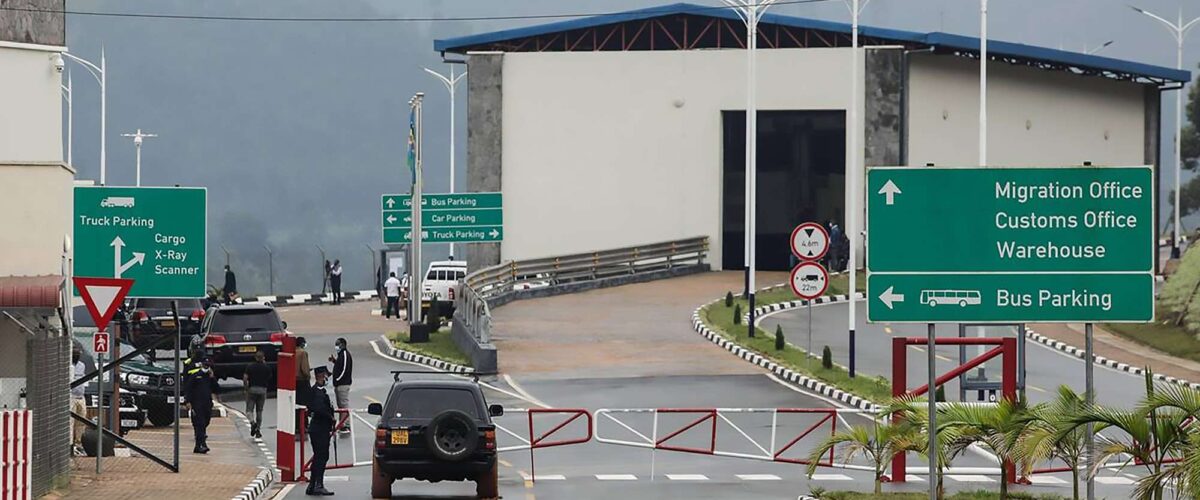
Crossing between Rwanda and Uganda requires standard immigration procedures at official border posts.

Travelers must ensure they have valid visas for both countries if required, along with yellow fever vaccination documentation depending on entry regulations.

Most safari operators handle border coordination as part of the itinerary, ensuring smooth transitions between parks and countries.

Who Should Combine Rwanda and Uganda

This type of itinerary is best suited for travelers who are highly interested in primates and want a deeper comparative safari experience.

It works particularly well for repeat safari visitors, wildlife photographers, and travelers who want to understand the ecological and logistical diversity of gorilla trekking across East Africa.

It is less suited for short trips, as combining both countries requires more time, planning, and travel coordination.

Is It Worth Crossing the Border?

Combining Rwanda and Uganda in one gorilla safari creates one of the most complete primate experiences available anywhere in the world.

Rwanda offers structure, luxury, and efficiency around Volcanoes National Park. Uganda offers depth, challenge, and rainforest immersion in Bwindi. Together, they form a full spectrum view of mountain gorilla trekking.

For travelers with enough time and interest in comparative safari experiences, crossing the border is not just worth it. It is one of the most rewarding ways to understand the true range of East Africa’s gorilla landscapes.

Rwanda Internal Transport

Rwanda Internal Transport

Rwanda Internal Transport: Helicopter vs Road Transfer for a Multi-Park Safari

Why Internal Transport Matters in a Rwanda Safari

A multi-park safari in Rwanda is compact compared to other African destinations, but transport still plays a major role in shaping your experience. Whether you are moving between Volcanoes National Park for gorilla trekking, Akagera National Park for Big Five game drives, or Nyungwe National Park for chimpanzees and rainforest walks, the way you move between these ecosystems directly affects comfort, timing, and overall safari flow.

In Rwanda, you essentially have two realistic internal travel options for luxury or mid-to-high-end safaris: road transfers or helicopter flights. Both are well established, both are reliable, but they create completely different safari experiences.

Choosing between them is not just about budget. It is about how you want to experience Rwanda itself between destinations.

Road Transfers: The Classic Way to Experience Rwanda’s Landscapes

Road transfers are the backbone of almost every safari in Rwanda. The country is small, well-maintained, and known for its paved road network connecting major national parks and cities.

Most journeys are completed in 4×4 safari vehicles with experienced driver-guides. This is the standard option used by most lodges and tour operators because it is practical, flexible, and deeply scenic.

From Kigali, the drive to Volcanoes National Park is around three hours, Akagera National Park is about two to three hours depending on the gate, and Nyungwe National Park takes significantly longer, often five to six hours due to the mountainous terrain.

What makes road transfers special is not just transportation efficiency, but the experience itself. Rwanda is called the “Land of a Thousand Hills” for a reason, and road journeys constantly pass through terraced farmland, volcanic backdrops, rural villages, and changing ecosystems.

You are not isolated from the country during these transfers. You are moving through it.

Helicopter Transfers: Speed, Exclusivity, and Aerial Perspective

Helicopter transfers offer a completely different level of internal travel within Rwanda. Operated by luxury aviation providers, these flights connect Kigali with key safari destinations in a matter of minutes rather than hours.

A flight from Kigali to Volcanoes National Park, for example, takes only a short time and provides dramatic aerial views of volcanic peaks, crater lakes, and the rolling green hills of northern Rwanda. Similarly, flights to Akagera reveal lakes, savannah, and wetland systems from above, while routes toward Nyungwe showcase dense rainforest and mountainous terrain.

The primary advantage is time efficiency. Helicopters eliminate long road journeys entirely, which is especially valuable for travelers on tight schedules or multi-country itineraries.

The second major advantage is perspective. Rwanda from the air is visually striking, offering a completely different understanding of the country’s geography and ecological diversity.

Time vs Experience: The Core Trade-Off

The fundamental difference between road and helicopter transfers is the balance between time and immersion.

Road transfers take longer, but they immerse you in Rwanda’s landscapes, communities, and everyday rhythm. You see towns, agriculture, wildlife corridors, and shifting terrain up close. The journey becomes part of the safari experience rather than just logistics.

Helicopter transfers remove that ground-level immersion in exchange for speed and exclusivity. You bypass the landscape entirely in favor of efficiency and aerial views. It is seamless, fast, and visually spectacular, but less connected to local life.

Neither option is inherently better. They simply serve different travel philosophies.

Cost Considerations: Budget Impact on Safari Planning

Road transfers are significantly more cost-effective and are generally included in most safari packages. Whether you are staying in mid-range lodges or ultra-luxury properties, overland transport is the default and does not usually require additional high-cost logistics.

Helicopter transfers, on the other hand, are a premium add-on. They can significantly increase the total cost of a safari itinerary, especially if used multiple times between parks.

For many travelers, helicopters are reserved for specific legs of the journey rather than full itineraries. For example, a helicopter might be used from Kigali to Volcanoes National Park, while road transfers are used between other destinations.

This hybrid approach is common in high-end itineraries where both time efficiency and budget balance are considered.

Comfort and Practicality: What the Journey Feels Like

Road transfers in Rwanda are generally smooth, but they are still long-distance drives. Vehicles are comfortable, air-conditioned, and driven by professionals who understand safari logistics and terrain conditions.

The experience can be relaxed, especially when combined with scenic stops or guided commentary. However, long drives such as Kigali to Nyungwe can feel tiring for some travelers, particularly after international flights.

Helicopter transfers eliminate fatigue entirely. There is no road time, no terrain variability, and no travel interruptions. You simply take off and arrive directly near your destination.

However, helicopter flights are weather-dependent and may have more rigid scheduling compared to road flexibility.

Accessibility to Lodges and Parks

Most luxury lodges in Rwanda are designed with road access in mind. Properties in Volcanoes National Park, Akagera National Park, and Nyungwe Forest are all connected via maintained road networks.

Road transfers therefore provide direct access to lodge entrances without additional coordination.

Helicopter transfers often require a short secondary road transfer after landing, since helicopters land at designated helipads rather than directly at lodges. This means the journey is not entirely door-to-door, although it is still significantly faster overall.

Scenic Value: Ground-Level vs Aerial Rwanda

One of the most underrated differences between the two options is how you experience Rwanda visually.

Road transfers offer a slow reveal of the country. You see changing landscapes in detail, from farmland patterns to volcanic ridges and forest edges. This gradual transition helps you understand Rwanda’s geography at ground level.

Helicopter transfers compress that experience into a panoramic overview. You see the full scale of the country’s terrain in minutes, which is visually powerful but less detailed.

In essence, road travel shows you Rwanda step by step, while helicopter travel shows you Rwanda all at once.

When Helicopters Make the Most Sense

Helicopter transfers are most useful in specific scenarios.

They work best for luxury safaris with limited time, multi-country itineraries where Rwanda is only one stop, or travelers prioritizing comfort and speed above all else.

They are also ideal for honeymoon-style itineraries or high-end gorilla trekking trips where the goal is to maximize exclusivity and minimize transit fatigue.

For example, flying directly from Kigali to Volcanoes National Park allows guests to arrive at lodges like Bisate Lodge or Singita Kwitonda Lodge in a fraction of the usual travel time.

When Road Transfers Are the Better Choice

Road transfers are the better option for travelers who want a more grounded, immersive safari experience.

They are ideal for multi-park itineraries, especially when visiting Akagera, Volcanoes, and Nyungwe in a single trip. They also allow for more flexible scheduling, spontaneous stops, and deeper engagement with Rwanda’s rural landscapes.

For most travelers combining gorilla trekking, chimpanzee tracking, and savannah safaris, road transfers remain the most practical and balanced choice.

The Best Option Is Often a Combination

In reality, the best safari itineraries in Rwanda rarely rely on only one transport method.

Road transfers provide depth, context, and immersion. Helicopter transfers provide speed, efficiency, and exclusivity. The most refined itineraries often combine both depending on distance, timing, and budget.

For example, travelers may use helicopters for Kigali to Volcanoes National Park, then road transfers between other parks, creating a balance between luxury and landscape experience.

Ultimately, the choice is not about which option is better. It is about how you want Rwanda to unfold—slowly through its hills and communities, or rapidly from above in a seamless aerial journey.

Getting from Kigali to Volcanoes National Park

Getting from Kigali to Volcanoes National Park

Getting from Kigali to Volcanoes National Park: All Your Transfer Options

Introduction: The Most Important Road Trip in Your Rwanda Safari

Once you land in Kigali, the real safari begins with one essential journey: the transfer north to Volcanoes National Park. This is the route that connects Rwanda’s modern capital with its most iconic wildlife experience—mountain gorilla trekking in the Virunga highlands.

Unlike many African safari destinations that require internal flights, Rwanda is compact and road-based. That makes the Kigali-to-Volcanoes transfer one of the most straightforward but also most strategically important parts of your itinerary.

How you choose to travel this route affects comfort, timing, flexibility, and even how rested you feel before trekking. There are several options, each with different trade-offs depending on your travel style.

Private Safari Vehicle Transfer: The Standard Luxury Option

The most common and most recommended way to travel from Kigali to Volcanoes National Park is a private 4×4 safari vehicle with a driver-guide.

This option is widely used by luxury safari operators and offers the smoothest experience. You are picked up directly from your hotel or airport in Kigali and driven north through Rwanda’s famously clean and scenic countryside.

The journey typically takes around two and a half to three and a half hours depending on traffic, weather, and stops along the way. The route passes through rolling hills, terraced farmland, and small rural towns that gradually transition into the volcanic landscape near Musanze.

The biggest advantage of a private transfer is control. You can leave at your preferred time, stop for photography, stretch breaks, or even brief cultural visits along the route. It also ensures direct coordination with your lodge in Volcanoes National Park.

For most safari travelers, especially those staying in high-end properties like Bisate Lodge or Singita Kwitonda Lodge, this is the default option.

Shared Safari Transfers: A Budget-Friendly Alternative

Shared transfers are less common in luxury safari planning but are sometimes used by mid-range travelers or small group tours.

In this setup, multiple guests traveling to the same region share a safari vehicle. The cost per person is lower, but flexibility is reduced since departure times and stops are coordinated across multiple travelers.

The experience is still comfortable, but it lacks the privacy and personalization of a private transfer. It also means you may have slightly longer travel times depending on group logistics.

Shared transfers are best suited for travelers on fixed itineraries or those combining Rwanda with broader East African group safaris.

Helicopter Transfers: The Fastest and Most Exclusive Option

For high-end safari travelers, helicopter transfers from Kigali to Volcanoes National Park represent the fastest and most exclusive way to reach the gorilla trekking region.

These flights significantly reduce travel time, turning a multi-hour road journey into a short scenic flight over Rwanda’s “land of a thousand hills.” The aerial views of lakes, volcanoes, and terraced landscapes are a highlight in themselves.

Helicopter transfers typically land near Musanze or designated helipads close to luxury lodges, where ground teams then complete the final short transfer to your accommodation.

This option is primarily used by ultra-luxury lodges such as Singita Kwitonda Lodge or premium travelers staying in highly exclusive properties.

While expensive, it offers unmatched convenience and is particularly useful for travelers with tight schedules or those combining multiple destinations in a short timeframe.

Self-Drive: Technically Possible but Rarely Recommended

Self-driving from Kigali to Volcanoes National Park is technically possible, as Rwanda has well-maintained roads and clear signage.

However, it is rarely recommended for safari travelers, especially those heading for gorilla trekking. The reason is not road quality, but rather logistics, timing, and coordination with park regulations.

Gorilla trekking requires early morning reporting times, permit coordination, and precise logistics with guides and trackers. Having a professional driver ensures you arrive on time and without stress.

Self-driving also removes the advantage of having a knowledgeable guide who can provide context, handle road conditions, and assist with local coordination.

For most international visitors, this option is not practical for a gorilla safari itinerary.

Kigali to Musanze Route: What the Journey Actually Looks Like

The drive from Kigali to the gateway town of Musanze, which serves as the base for Volcanoes National Park, is one of the most scenic road journeys in East Africa.

Leaving Kigali, the landscape quickly shifts from urban development to rolling green hills, small villages, and agricultural terraces. Rwanda’s terrain is famously hilly, and the road winds through a continuous pattern of elevation changes and panoramic viewpoints.

As you approach Musanze, the terrain becomes more dramatic, with volcanic silhouettes appearing on the horizon. This is the transition zone into gorilla country, where the air becomes cooler and the landscape more rugged.

Most luxury lodges are located just outside Musanze or within a short drive of park headquarters, meaning the final leg of the journey is usually smooth and short.

Timing Your Transfer: Why Morning Arrivals Matter

Timing is critical when planning your transfer from Kigali to Volcanoes National Park.

Many gorilla trekking itineraries require guests to be in the region the night before their trek. This means arriving in Kigali earlier in the day, transferring north, and settling into your lodge before evening.

Late arrivals into Kigali can compress your schedule and increase travel fatigue before trekking, which is physically demanding and starts early in the morning.

For this reason, most safari planners recommend arriving in Kigali at least one day before your scheduled gorilla permit date.

Scenic Stops and Optional Experiences Along the Way

One of the advantages of a private transfer is flexibility to include stops along the route.

Depending on your schedule, you can pause for photography, visit small roadside markets, or even include cultural experiences such as community visits or coffee stops.

While the main focus is reaching Volcanoes National Park efficiently, these optional stops can add depth to the journey and help you connect more meaningfully with Rwanda’s rural landscape.

Which Transfer Option Is Best?

The best way to travel from Kigali to Volcanoes National Park depends on your travel style, budget, and safari expectations.

For most travelers, a private safari vehicle transfer is the ideal balance of comfort, flexibility, and reliability. It is the standard option used by luxury lodges and provides the smoothest introduction to gorilla trekking.

Helicopter transfers are the premium alternative for ultra-luxury travelers seeking speed and exclusivity. Shared transfers work for budget-conscious or group itineraries, while self-drive remains the least practical option for most safari visitors.

Ultimately, this journey is more than just transportation. It is your first real immersion into Rwanda’s highland landscape, gradually transitioning you from city life in Kigali to the volcanic wilderness of gorilla country.

Flying into Kigali

Flying into Kigali

Flying into Kigali: Which Airlines Serve Rwanda and How to Connect for Your Safari

Kigali as the Main Air Gateway to Rwanda Safaris

Almost every safari in Rwanda begins with a landing at Kigali. The capital’s airport, Kigali International Airport (KGL), is the country’s primary entry point for travelers heading to gorilla trekking in Volcanoes National Park, chimpanzee tracking in Nyungwe, or Big Five safaris in Akagera.

Unlike some African destinations where reaching safari regions requires multiple domestic flights, Rwanda is relatively compact. Most safari journeys are completed by road transfers from Kigali, making the international flight the most important part of your travel planning.

Understanding which airlines fly into Kigali and how connections work can make your safari smoother, more efficient, and sometimes even more affordable.

Kigali International Airport: Small but Well Connected

Kigali International Airport (KGL) is modern, efficient, and relatively easy to navigate. It is located just a short drive from the city center and functions as the main aviation hub for the country.

Despite its size, Kigali is surprisingly well connected internationally. The airport links East Africa, Europe, the Middle East, and parts of Asia through both direct flights and one-stop connections.

Air travel into Kigali is dominated by regional and intercontinental carriers that connect through major hubs such as Addis Ababa, Nairobi, Brussels, Doha, Istanbul, and Amsterdam.

RwandAir: The National Carrier and Safari Backbone

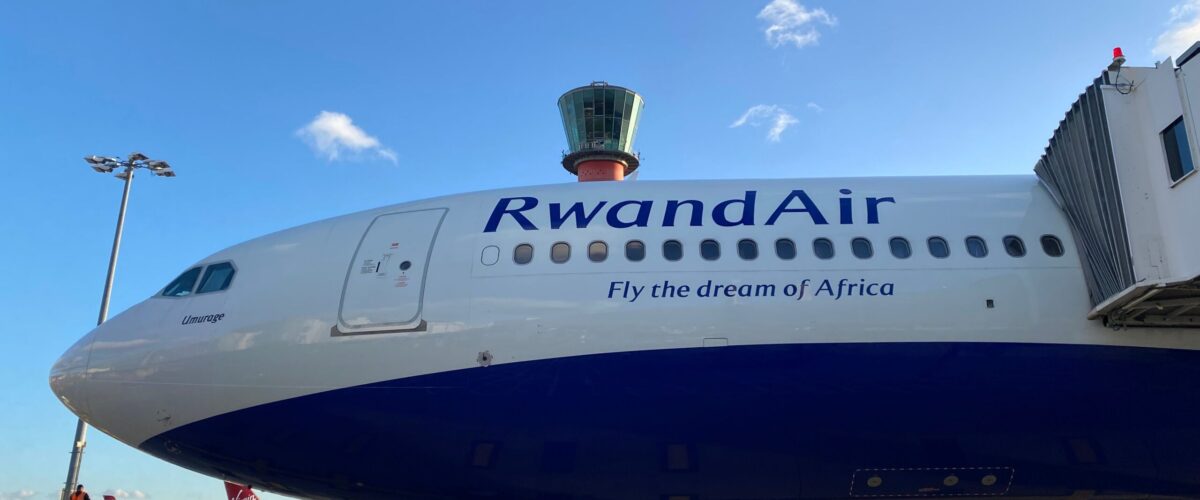
The most important airline for flying into Kigali is RwandAir. As the national carrier, it operates the largest network of direct and regional flights into Rwanda.

RwandAir connects Kigali to key African cities such as Nairobi, Entebbe, Dar es Salaam, Johannesburg, and Lagos, as well as international routes to Dubai, Doha, Brussels, Paris, and London depending on season and scheduling.

For safari travelers, RwandAir is particularly useful because it often provides the most direct routing options into Kigali without multiple long layovers. It also operates many regional connections that link seamlessly with safari schedules.

In practical terms, if you are planning a gorilla trekking itinerary, RwandAir is often the most straightforward way to arrive.

Major International Airlines Flying into Kigali

Kigali is served by a mix of European, Middle Eastern, and African carriers. These airlines typically connect through their major hub airports, offering flexible routing options depending on where you are flying from.

Ethiopian Airlines is one of the strongest connections into Rwanda, operating through Addis Ababa with frequent flights into Kigali. This is a common route for travelers coming from Asia, Europe, or North America due to Ethiopia’s strong global network.

Kenya Airways also plays a major role, connecting Kigali through Nairobi. This route is particularly popular for travelers combining Kenya and Rwanda safari circuits.

Brussels Airlines is another key operator, linking Kigali directly with Brussels and serving as a major gateway for European travelers.

KLM connects Kigali via Amsterdam, providing a reliable long-haul option for travelers from Europe and North America.

Turkish Airlines operates through Istanbul, offering one of the widest global connection networks into Kigali.

Qatar Airways connects via Doha, making it a strong option for Asia, Australia, and Middle East routes.

These airlines form the backbone of Rwanda’s international aviation access and are commonly used for safari itineraries.

Regional African Connections: The Safari Travel Network

One of Kigali’s biggest advantages is its strong regional connectivity within East and Central Africa.

Direct flights link Kigali with Nairobi, Entebbe, Bujumbura, Dar es Salaam, and other key cities in the region. This makes it easy to combine Rwanda with Kenya, Uganda, or Tanzania safaris.

For example, many travelers fly into Nairobi, connect to Kigali, complete gorilla trekking, and then continue onward to the Serengeti or Maasai Mara. Others do the reverse, using Kigali as a quieter and more efficient entry point into the region.

This regional network is one reason Rwanda is often used as a “safari hub” rather than just a standalone destination.

How Safari Connections Work from Kigali

Unlike destinations that require internal flights to reach parks, Rwanda relies heavily on road transfers. After landing in Kigali, most safari routes are completed by vehicle.

The drive from Kigali to Volcanoes National Park typically takes a few hours, depending on traffic and weather conditions. Transfers to Nyungwe Forest or Akagera National Park are longer but still manageable within the same day.

This structure simplifies logistics. Instead of coordinating bush flights, travelers can focus on one international arrival followed by overland safari travel.

However, it also means your arrival timing into Kigali is important. Many travelers prefer morning or early afternoon arrivals to avoid late-night transfers.

Best Connection Routes for Gorilla Safaris

The most efficient international routes into Kigali depend on your region of departure.

From Europe, Brussels Airlines, KLM, and Turkish Airlines offer some of the most reliable one-stop options.

From North America, travelers typically connect through European hubs such as Amsterdam, Brussels, or Istanbul before continuing to Kigali.

From the Middle East and Asia, Qatar Airways and Ethiopian Airlines are among the strongest options due to their extensive regional coverage.

From within Africa, Nairobi, Addis Ababa, and Entebbe serve as primary connection points into Kigali.

Each route ultimately converges into the same destination: Kigali, the gateway to Rwanda’s safari circuit.

Layovers, Timing, and Safari Planning Tips

One of the most important aspects of flying into Kigali is managing layover times effectively.

Short connections can work well if you are on a single-ticket itinerary with the same airline alliance. However, separate bookings require more caution, especially when transferring through busy hubs like Nairobi or Addis Ababa.

For safari planning, it is generally recommended to arrive in Kigali at least one day before your gorilla trekking permit date in Volcanoes National Park. This allows time to rest, adjust, and prepare for early morning departures into the mountains.

Many luxury safari itineraries also include a night in Kigali at the beginning or end of the journey to smooth out international travel fatigue.

Why Kigali Works So Well as a Safari Gateway

Kigali’s biggest advantage is efficiency. The city is compact, well-organized, and close to all major safari routes within Rwanda.

Unlike larger African hubs where long transfers or domestic flights are required, Kigali allows travelers to transition quickly from international arrival to safari environment within hours.

This makes it especially attractive for gorilla trekking itineraries, where timing, permits, and logistics are tightly structured.

Flying into Kigali is Simple, Strategic, and Safari-Friendly

Flying into Kigali is one of the most straightforward ways to begin a safari in East Africa. With strong airline connections through Europe, the Middle East, and Africa, travelers have multiple reliable routes into Rwanda.

Once you land, the transition into safari travel is smooth. Whether you are heading to gorillas in Volcanoes National Park, chimpanzees in Nyungwe, or Big Five wildlife in Akagera, Kigali serves as an efficient and well-connected gateway.

In the end, the key advantage is simplicity. One international arrival, one capital city, and one of the most rewarding safari journeys in Africa waiting just beyond it.

Tented Camp vs Forest Lodge in Rwanda

Tented Camp vs Forest Lodge in Rwanda

Tented Camp vs Forest Lodge in Rwanda: Which Is Right for Your Gorilla Safari?

Introduction: Two Very Different Ways to Experience the Same Gorilla Trek

Choosing where to stay for a gorilla safari in Rwanda is not just a logistical decision. It directly shapes the emotional tone, comfort level, and overall atmosphere of your entire trip.

Most travelers heading to Volcanoes National Park will end up choosing between two broad accommodation styles: luxury tented camps and permanent forest lodges. On paper, both offer access to mountain gorillas. In reality, they deliver very different safari experiences.

One is immersive, canvas-based, and closely tied to the rhythms of nature. The other is structured, solid, and designed for year-round comfort with a stronger architectural presence in the landscape.

Understanding the difference is essential if you want your gorilla trekking experience to match your expectations.

What Defines a Tented Camp in Rwanda

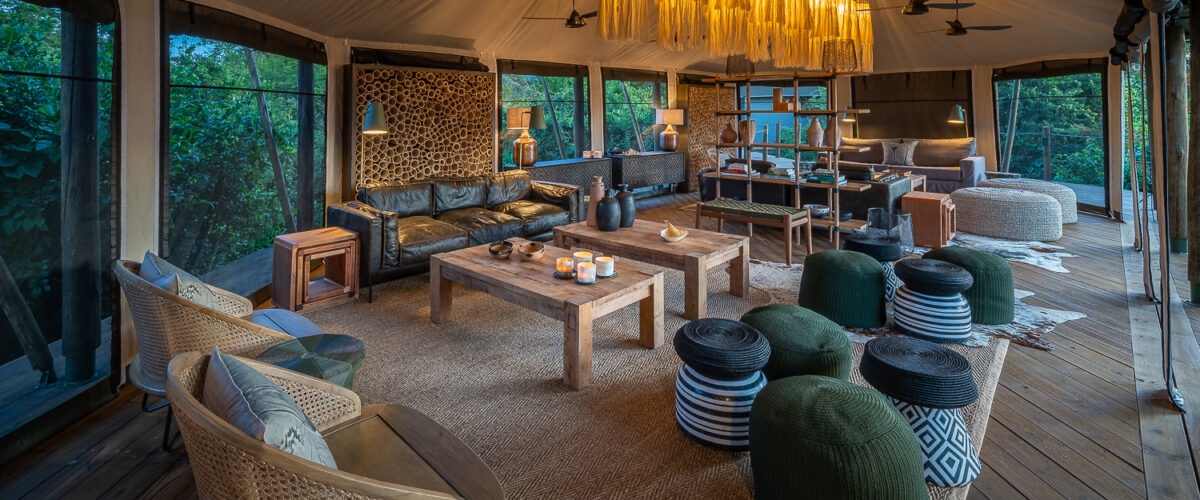
A tented camp in the Rwandan safari context is not a basic camping setup. These are high-end, fully serviced luxury accommodations built using canvas structures on elevated platforms, often positioned close to forest edges or within conservation areas.

In the case of gorilla trekking regions near Volcanoes National Park, tented camps are designed to maximize immersion. Walls are often canvas or lightweight materials, allowing natural sounds, temperature shifts, and forest atmosphere to remain part of the experience.

At night, you hear wind moving through trees, distant animal calls, and the natural rhythm of the highland environment. The sense of separation between guest and nature is intentionally minimal.

This style appeals strongly to travelers who want a safari that feels raw, atmospheric, and deeply connected to the environment.

What Defines a Forest Lodge in Rwanda

A forest lodge, on the other hand, is a permanent structure built with solid materials such as stone, wood, and brick, often designed with strong architectural identity and modern luxury standards.

Properties like Bisate Lodge or Singita Kwitonda Lodge fall into this category. These lodges prioritize insulation, privacy, and year-round comfort, with architecture that frames the surrounding landscape through large windows and structured design.

Forest lodges are less about direct exposure to nature and more about curated viewing of it. You are still in the wilderness, but with a stronger sense of enclosure, warmth, and architectural separation.

This makes them particularly attractive during colder, wetter months when comfort becomes a higher priority.

Atmosphere: Immersion vs Refinement

The most important difference between tented camps and forest lodges is atmosphere.

Tented camps feel fluid and alive. You are constantly aware of the environment. Temperature shifts are noticeable, sounds travel easily, and the boundary between inside and outside is softer. This creates a sense of vulnerability and closeness to nature that many travelers associate with “real safari feeling.”

Forest lodges feel more controlled and refined. They offer insulation from weather, stronger architectural presence, and more predictable comfort levels. The experience is calmer and more structured, with a stronger focus on interior design, fireplaces, and panoramic framing of the landscape.

Neither is better in absolute terms. They simply prioritize different emotional experiences.

Comfort and Weather Considerations

Weather plays a major role in deciding between the two.

Rwanda’s highland climate around Volcanoes National Park can be cool, misty, and occasionally wet throughout the year. In tented camps, this is part of the experience. Rain on canvas, cooler nights, and natural airflow are expected features.

Forest lodges handle these conditions differently. Solid walls, better insulation, and controlled interiors mean guests are less affected by weather changes. Fireplaces, heated spaces, and structured architecture make them more comfortable during colder or wetter periods.

If you are sensitive to temperature changes or prefer consistent indoor comfort, forest lodges are generally the safer choice.

Proximity to Nature and Sensory Experience

Tented camps offer a more immediate sensory connection to the environment. You are more likely to hear wildlife at night, feel humidity changes, and experience the forest in a less filtered way. This can make the entire safari feel more dynamic and emotionally intense.

Forest lodges provide a more curated sensory experience. You still see the landscape, often in dramatic framed views, but you are less exposed to its unpredictability. This reduces sensory intensity but increases comfort and relaxation.

For many travelers, this becomes a choice between intensity and stability.

Design Philosophy: Minimalism vs Architectural Statement

Tented camps typically follow a minimal-impact philosophy. Structures are designed to be temporary in appearance, lightweight, and environmentally integrated. The emphasis is on reducing visual disruption while maximizing immersion.

Forest lodges tend to be architectural statements. Properties like Bisate Lodge are designed to be visually iconic, with strong structural identity and carefully engineered views. The architecture becomes part of the experience rather than simply a shelter.

In other words, tented camps disappear into nature, while forest lodges reinterpret it.

Gorilla Trekking Experience: Equal Access, Different Preparation

From a practical perspective, both accommodation types provide equal access to gorilla trekking in Volcanoes National Park. The trekking experience itself does not change based on where you stay.

However, preparation and recovery feel different.

Tented camp guests often experience a more “outdoors continuous” journey. The transition from tent to forest feels seamless, and the experience maintains a consistent wilderness tone.

Forest lodge guests experience a stronger contrast. After trekking, they return to a more structured, comfortable environment with heated interiors, lounges, and refined dining spaces. This contrast can make the return from trekking feel more restorative.

Privacy and Guest Density

Both accommodation styles in Rwanda’s gorilla region are generally low-density due to conservation regulations and high-end positioning. However, forest lodges often have slightly fewer units and more spatial separation between villas.

Tented camps may feel more communal in shared areas like dining spaces or lounges, depending on design. This can create a stronger sense of social safari atmosphere.

Forest lodges lean more toward private villa-style layouts, which appeal to travelers seeking solitude and exclusivity.

Which One Is Better for First-Time Gorilla Trekkers?

For first-time gorilla trekkers in Rwanda, forest lodges are often the more comfortable entry point. The combination of controlled environment, strong service infrastructure, and post-trek comfort makes the experience more accessible.

Tented camps are better suited to travelers who already understand safari conditions and actively want a more immersive, less filtered connection to the environment.

It Comes Down to Experience Intensity

The choice between a tented camp and a forest lodge in Rwanda is ultimately a choice about how you want to experience the gorilla trekking journey.

If you want immersion, atmosphere, and a closer sensory connection to the forest, a tented camp delivers that rawness. If you want architectural luxury, comfort, and a more structured interpretation of the landscape, a forest lodge is the stronger option.

Both approaches lead to the same core experience in Volcanoes National Park: time with mountain gorillas. The difference is everything that surrounds that moment.

Staying in Kigali

Staying in Kigali

Staying in Kigali: Which Luxury Hotel Should You Choose for Your Safari Gateway?

Introduction: Kigali as the Perfect Start and End to a Rwanda Safari

Before you head into gorilla trekking in Volcanoes National Park or explore the savannahs of Akagera, your journey through Rwanda almost always begins or ends in Kigali. The capital is not just a transit point—it is a polished, safe, and increasingly sophisticated city that sets the tone for your entire safari experience.

Choosing the right hotel in Kigali matters more than most travelers realize. Your Kigali stay is where you recover from flights, prepare for gorilla trekking logistics, and transition between wilderness and urban comfort. The best luxury hotels here are not just places to sleep—they are part of the safari ecosystem itself.

The question is not whether Kigali has good hotels. It clearly does. The real question is which one fits your travel style: ultra-luxury privacy, classic five-star reliability, or boutique wellness-focused retreat.

The Retreat by Heaven: Kigali’s Most Exclusive Boutique Safari Gateway

At the top of Kigali’s boutique luxury segment is The Retreat by Heaven. This property is widely regarded as one of the most refined stays in the city and often chosen by high-end safari travelers who want privacy, design quality, and calm before heading into the mountains.

The Retreat is not a large city hotel. It is a small, carefully curated property with villas, suites, and a strong emphasis on wellness and personalized service. The design blends modern architecture with Rwandan craftsmanship, using natural materials and open layouts that feel both intimate and upscale.

What sets it apart is atmosphere. It feels like a quiet oasis inside Kigali rather than a city hotel. Guests often describe it as a reset point before gorilla trekking, especially because it emphasizes wellness, slow living, and privacy.

This is the strongest option if your safari itinerary includes high-end lodges in Volcanoes National Park and you want a seamless luxury transition experience.

Kigali Serena Hotel: The Classic Five-Star Safari Stopover

For travelers who prefer a more traditional luxury hotel experience, Kigali Serena Hotel remains one of the most reliable options in the city.

Located in a central and secure area of Kigali, it offers full five-star amenities including landscaped gardens, a large swimming pool, spa facilities, and multiple dining options. The hotel is designed for comfort and efficiency rather than boutique exclusivity.

Its rooms are spacious and consistent in quality, making it a strong choice for business travelers, diplomats, and safari guests who prefer predictability. The service style is professional and structured, and the hotel is well-equipped for both short stopovers and longer stays.

Kigali Serena works particularly well for travelers who want a balanced, no-surprises base before or after safari travel, without the premium boutique pricing of smaller properties.

Kigali Marriott Hotel: Modern Comfort and Central Convenience

Another strong contender in the five-star category is Kigali Marriott Hotel. This is one of the most modern large-scale hotels in the city and is often chosen for its location, room size, and contemporary design.

The Marriott is particularly popular among travelers who want easy access to Kigali’s business district, restaurants, and shopping areas. Rooms are large, well-equipped, and designed with a modern international standard in mind.

Unlike boutique properties, the Marriott focuses on scale and consistency. It is ideal for families, groups, or safari travelers who want reliable luxury with strong facilities, including a pool, fitness center, and multiple dining venues.

It may not have the intimate character of The Retreat, but it delivers efficiency and comfort at a high level.

Hôtel des Mille Collines: Historic Kigali With Classic Charm

For travelers who value history and cultural context, Hôtel des Mille Collines offers a very different kind of luxury experience.

Famous internationally due to its role in Rwanda’s modern history, this hotel has a strong heritage identity. It is centrally located and offers views over Kigali’s hills, along with a classic hotel atmosphere that feels slightly more traditional than newer properties.

While it may not match the design sophistication of boutique lodges or newer five-star hotels, it remains a meaningful stay for travelers interested in Rwanda’s historical narrative as part of their safari journey.

Boutique Alternatives: Smaller Luxury and Character Stays

Beyond the major names, Kigali also has a growing collection of boutique luxury properties and eco-conscious hotels. These often combine sustainability, local design, and intimate service.

These smaller properties tend to focus on wellness, artistic design, and personalized guest experiences rather than large-scale infrastructure. Many safari travelers choose them specifically for a quieter, more authentic connection to Kigali before heading into the wilderness.

How to Choose the Right Kigali Hotel for Your Safari

The best choice depends on how you want Kigali to function in your overall itinerary.

If your safari includes ultra-luxury lodges in Volcanoes National Park, then The Retreat by Heaven is the most seamless match. It extends the same level of exclusivity and calm into the city environment.

If you want classic five-star reliability with strong facilities and central access, Kigali Serena Hotel is the most balanced option.

If modern comfort, space, and convenience matter most, Kigali Marriott Hotel is the most practical choice.

If history and character are important, Hôtel des Mille Collines offers a more narrative-driven stay.

Each of these hotels serves a slightly different version of the Kigali experience, but all function as strong gateways into Rwanda’s safari circuit.

Final Verdict: Kigali Is No Longer Just a Stopover

Kigali has evolved far beyond a simple transit city. It is now an integral part of the Rwanda safari journey, offering high-quality accommodation that complements experiences in Volcanoes National Park, Akagera National Park, and Nyungwe Forest.

Your hotel choice in Kigali shapes how you transition between urban comfort and wilderness adventure. Whether you prioritize boutique luxury, classic five-star service, or modern convenience, the city now offers options that match every level of safari travel.

In many ways, Kigali is no longer just where your safari begins or ends. It is part of the experience itself.

Wilderness Magashi Camp

Wilderness Magashi Camp

Wilderness Magashi Camp: Rwanda’s Best Akagera Safari Lodge?

Rwanda’s Only True Big Five Wilderness Experience

When people think of Rwanda safaris, the first image is usually gorillas in Volcanoes National Park. But far less known is the country’s only Big Five safari destination: Akagera National Park in eastern Rwanda.

Inside this restored savannah ecosystem sits one of the most exclusive camps in the country, Wilderness Magashi Camp. Positioned on the shores of Lake Rwanyakazinga, it offers a completely different safari experience from Rwanda’s mountain forests—open plains, big cats, hippos, and classic game drives.

The question is simple but important: is Magashi actually Rwanda’s best safari lodge outside gorillas, or just a high-end camp in a less visited park?

Location: A Private Corner of Akagera’s Wilderness

Magashi Camp sits in the remote northern sector of Akagera National Park, overlooking the wide waters of Lake Rwanyakazinga. This is one of the most wildlife-rich areas in the park, combining wetlands, savannah, and papyrus-lined shores into a single ecosystem.

The location is exclusive in a very literal sense. Guests are already inside the park boundary, meaning game drives begin directly from camp without long transfers. This creates an immediate immersion into the wilderness, where animals are part of the daily scenery rather than something you drive long distances to find.

The lake itself is a major feature of the experience. Hippos, crocodiles, and birdlife are constantly visible from the camp, and the water adds a calm, reflective contrast to the surrounding savannah.

Design and Atmosphere: Elegant Tented Luxury in the Wild

Wilderness Magashi Camp follows the Wilderness Safaris philosophy of low-impact luxury. The camp is built using tented suites elevated on wooden decks, designed to blend into the landscape rather than dominate it.

The aesthetic is refined but understated. Canvas structures, natural wood, and open-plan communal spaces create a sense of being in nature without sacrificing comfort.

The main area includes a lounge, dining space, viewing deck, and firepit overlooking the lake. These communal spaces are central to the experience, especially during sunsets when the light reflects across the water and wildlife begins to move into evening activity.

The atmosphere is quiet, intimate, and deeply connected to the surrounding environment.

The Suites: Privacy, Views, and Constant Wildlife Presence

Magashi has a small number of tented suites, which is a deliberate choice that reinforces exclusivity. Each suite is positioned to maximize views over the lake and surrounding wilderness.

Inside, the rooms are spacious and comfortable, with large beds, seating areas, and en-suite bathrooms. The design emphasizes openness, allowing natural light and airflow to dominate the space.

One of the defining features is how close wildlife feels. Hippos can often be heard at night, birds are constantly active in the mornings, and the landscape outside the tent feels alive at all times.

This is not a lodge where you disconnect from nature. It is one where nature becomes part of your daily rhythm.

Wildlife Experience: Akagera’s Big Five in a Restored Ecosystem

The biggest reason Magashi stands out is its access to Big Five wildlife in Akagera National Park. This park is one of Africa’s great conservation success stories, having recovered from near collapse into a thriving ecosystem once again home to lions, rhinos, elephants, buffalo, and leopards.

Game drives from Magashi are diverse and often highly rewarding. The northern region is particularly strong for predator sightings, including lions and leopards, alongside large herds of antelope, giraffe, zebra, and buffalo.

The lake adds another dimension. Boat safaris allow close encounters with hippos, crocodiles, and a wide variety of bird species, including rare wetland specialists.

This combination of land and water-based safaris is one of Magashi’s strongest advantages over other lodges in Rwanda.

Conservation Story: A Lodge Built on Recovery

One of the most important aspects of Magashi is its role in conservation. It is part of a broader partnership between Wilderness, African Parks, and the Rwanda Development Board, focused on restoring Akagera as a viable savannah ecosystem.

Over the past decade, lions and rhinos have been reintroduced, transforming the park into Rwanda’s only Big Five destination. Magashi operates within this conservation framework, contributing directly to protection efforts and ecological monitoring.

Guests are not just observers here. In some cases, they are invited to participate in tracking and monitoring wildlife, making the experience more immersive and educational.

This conservation model is central to why Magashi is often considered more than just a safari lodge.

Service and Experience: Intimate, Personal, and Highly Guided

Service at Magashi is highly personalized due to the small scale of the camp. Staff and guides are deeply knowledgeable about the ecosystem and often provide detailed tracking insights during game drives.

The guiding experience is particularly strong. Because the camp is located inside the park, guides can respond quickly to wildlife movements and adapt itineraries in real time. This increases the chances of meaningful sightings and reduces time spent traveling between locations.

Hospitality is warm but relaxed, matching the overall tone of the camp. The focus is less on formality and more on creating a comfortable, immersive safari rhythm.

Dining: Simple, Fresh, and Landscape-Focused

Dining at Wilderness Magashi Camp is built around fresh ingredients and simple, well-prepared meals. The emphasis is not fine-dining complexity but quality, freshness, and setting.

Meals are often served in communal areas overlooking the lake, which turns dining into part of the safari experience itself. Morning coffee with hippos in the background or dinner by firelight under the stars are common experiences here.

The culinary style reflects the broader Wilderness philosophy: sustainable, locally influenced, and closely tied to place.

Activities: More Than Just Game Drives

While game drives are central, Magashi offers a broader range of safari activities than many expect.

Boat safaris on Lake Rwanyakazinga provide a unique perspective on the ecosystem, especially for hippos, crocodiles, and birdlife. Night drives add another layer, revealing nocturnal species rarely seen during daytime safaris.

Guided walks and fishing experiences are also available in certain conditions, allowing guests to engage with the landscape at a slower pace.

This diversity of activities makes Magashi more dynamic than a traditional drive-focused safari lodge.

Who Magashi Is Best For

Magashi is best suited for travelers who want a classic African safari experience in Rwanda without leaving the country for Kenya or Tanzania. It is ideal for those combining gorilla trekking in Volcanoes National Park with a Big Five savannah experience.

It is less suitable for travelers expecting dense wildlife populations similar to Serengeti or Kruger. Akagera is still a recovering ecosystem, which means sightings are good but not as concentrated as in Africa’s most famous parks.

The strength of Magashi lies in exclusivity, scenery, and conservation-driven safari experiences rather than raw wildlife density.

Is Magashi Rwanda’s Best Safari Lodge?

Wilderness Magashi Camp is arguably the most refined safari experience in Akagera National Park and one of the most important luxury camps in Rwanda outside gorilla trekking regions.

It combines high-quality guiding, strong wildlife recovery success, exclusive location, and low-density tourism into a single experience that feels both intimate and meaningful.

It may not replace East Africa’s most famous safari destinations in terms of sheer wildlife abundance, but it offers something different: a quiet, conservation-driven Big Five experience in a restored wilderness landscape.

For many travelers, especially those combining it with gorilla trekking, Magashi is not just worth it. It is essential to understanding the full diversity of Rwanda’s safari ecosystem.