Rwanda and Kenya Combined Safari: Volcanoes and the Masai Mara Back to Back
Why this combined safari route is so powerful
A Rwanda and Kenya combined safari connects two of East Africa’s most iconic wildlife destinations in a single journey. Rwanda delivers mountain gorilla trekking in Volcanoes National Park. Kenya delivers classic big game viewing in the Masai Mara.
This combination works because it gives you two completely different safari worlds in one trip. Rwanda focuses on rainforest trekking in volcanic mountains. Kenya focuses on open savannah plains filled with large wildlife herds and predators.
Instead of repeating similar safari scenery, you move between two ecosystems that feel entirely different. That contrast is what makes this itinerary so appealing for luxury travellers, photographers, and first-time safari visitors who want maximum variety.
The core idea: forest intimacy vs savannah scale
The Rwanda and Kenya combination works because it balances two extremes of African wildlife experience.
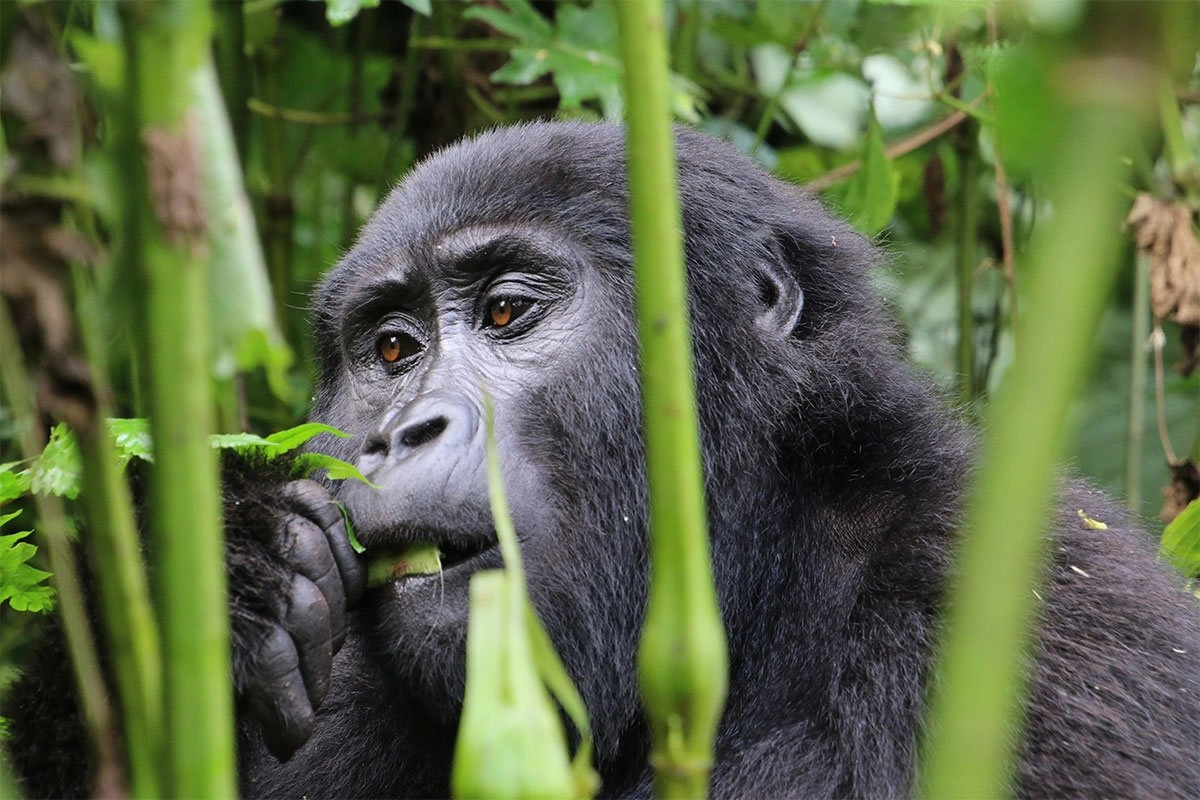
Rwanda offers close-range encounters. You hike through dense forest, often in misty and humid conditions. You follow trackers who locate a specific gorilla family. You then observe them quietly for one hour at close distance.
Kenya offers wide-angle wildlife viewing. You drive across open plains in search of animals spread across large landscapes. You see movement, migration, and predator-prey interaction on a large scale.
One experience feels intimate and silent. The other feels expansive and dynamic. Together, they create a complete safari story.
How the itinerary usually flows
Most Rwanda and Kenya safaris follow a clear structure. The journey begins in Kigali, Rwanda. You then travel to Volcanoes National Park for gorilla trekking.
After Rwanda, you fly to Nairobi, Kenya. From Nairobi, you continue to the Masai Mara either by small aircraft or road transfer depending on budget and style.
Some itineraries reverse this order, but starting in Rwanda is more common because gorilla trekking dates are fixed and easier to structure first.
This flow ensures a logical progression from rainforest trekking to savannah game drives.
Gorilla trekking in Volcanoes National Park
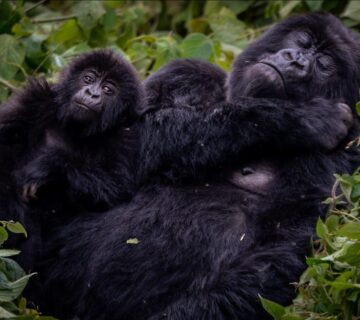
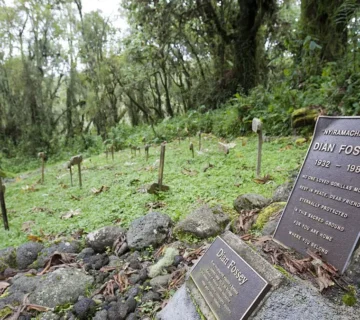
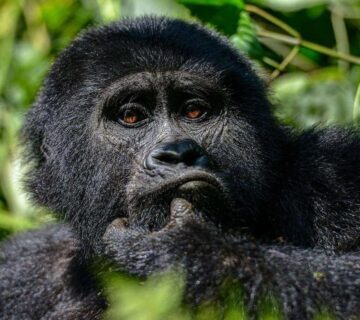
The Rwanda portion of the safari focuses on Volcanoes National Park in the Virunga Mountains. This is one of the few places in the world where mountain gorillas can be observed in the wild.
The experience begins early in the morning at park headquarters. Rangers brief all visitors and assign them to different gorilla families. Groups are small and strictly controlled.
You then begin your hike into the forest. The terrain includes steep volcanic slopes, bamboo zones, and thick vegetation. The trek duration depends on the location of the gorillas on that specific day.
Once you find the gorilla family, you spend one hour with them. This is a strictly timed experience designed to protect the animals and reduce stress.
During this hour, you observe feeding behaviour, social interaction, grooming, and movement within the group. The experience is quiet, focused, and highly emotional for many travellers.
Rwanda tightly regulates this process. It limits visitor numbers and ensures that each gorilla family is only visited once per day.
Transition from Rwanda to Kenya
After completing gorilla trekking, you transfer to Kigali for your flight to Kenya. Most travellers fly into Nairobi, which acts as the main hub for Kenyan safaris.
From Nairobi, you continue to the Masai Mara either by light aircraft or road transfer. Air transfers are more common in luxury itineraries because they reduce travel time and improve comfort.
This transition is one of the most important parts of the itinerary. It connects two very different safari systems. Rwanda focuses on trekking logistics. Kenya focuses on game drive logistics.
Proper scheduling ensures that gorilla trekking dates and safari flights align smoothly.
The Masai Mara safari experience
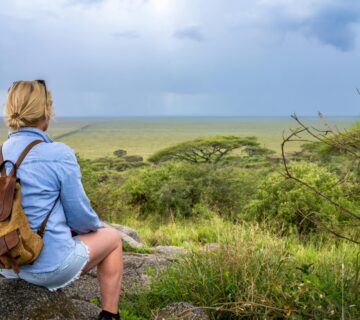
The Masai Mara is one of Africa’s most famous wildlife reserves. It forms part of the larger Serengeti ecosystem and is known for its high concentration of wildlife.
Game drives take place in open savannah. You move across large areas in search of animals. Unlike gorilla trekking, there is no fixed path or time limit. Wildlife sightings happen naturally throughout the day.
You commonly see lions, elephants, buffalo, giraffes, zebras, and antelope species. If you travel during the migration season, you also see massive herds of wildebeest moving across the plains.
Predator activity is a major highlight in the Masai Mara. Lions, cheetahs, and hyenas actively hunt within the ecosystem, creating dynamic wildlife encounters.
Game drives often last several hours and can take place early in the morning and late in the afternoon.
The Great Migration factor
One of the biggest attractions in the Masai Mara is the Great Migration.
Every year, millions of wildebeest and zebras move between Tanzania and Kenya in search of grazing. This movement creates one of the most dramatic wildlife events in the world.
River crossings, predator chases, and large herd movements define this period. If your safari aligns with the migration, the Kenya portion becomes even more intense and visually powerful.
However, even outside migration season, the Masai Mara remains one of the richest wildlife areas in Africa.
How many days you need for this safari
A Rwanda and Kenya combined safari requires careful time planning because it spans two countries and two different safari systems.
A shorter itinerary usually takes 7 to 9 days. This includes one gorilla trek in Rwanda and about three to four days in the Masai Mara.
This version is fast-paced but still allows you to experience both ecosystems.
A more balanced itinerary takes 10 to 12 days. This allows better pacing, optional second activities in Kenya, and more relaxed travel between destinations.
Longer itineraries improve overall experience quality because they reduce fatigue and allow deeper engagement with each location.
Cost structure of the combined safari
This safari sits in the premium and luxury category due to multiple high-value components.
The largest cost in Rwanda is the gorilla trekking permit. This is a fixed conservation fee and forms a major part of the itinerary cost.
Kenya adds safari lodge expenses, park fees, and vehicle costs in the Masai Mara. High-end lodges in private conservancies increase comfort but also increase price.
Flights between Kigali and Nairobi add another cost layer. Internal flights within Kenya also contribute depending on itinerary design.
Luxury versions of this safari include private guiding, fly-in safaris, high-end lodges, and personalised itineraries.
Who this safari is best suited for
This combination suits travellers who want variety in a single trip. It works especially well for first-time visitors to East Africa who want both primate and big game experiences.
It also suits luxury travellers who value comfort and curated experiences. Photographers benefit significantly because they get two completely different environments to work with.
This safari is not ideal for budget travellers due to permit costs and flight requirements.
It is also not ideal for very short trips because both destinations require separate travel time.
Key advantages of combining Rwanda and Kenya
The main advantage is diversity. You experience two completely different wildlife systems in one itinerary.
Rwanda offers close-up, controlled wildlife interaction. Kenya offers wide, unpredictable wildlife movement.
Another advantage is efficiency. Short regional flights connect both countries easily, making multi-country travel practical.
You also avoid repetition. Each destination feels unique and distinct.
Common planning mistakes
One common mistake is underestimating travel time between countries. Although flights are available, coordination still matters.
Another mistake is overpacking the itinerary with too many activities. Both gorilla trekking and Masai Mara game drives require time and energy. Rushing reduces the quality of experience.
Some travellers also fail to consider seasonality. The Masai Mara changes dramatically depending on migration timing, while Rwanda remains stable year-round.
A Rwanda and Kenya combined safari delivers one of the most complete wildlife journeys in East Africa.
Rwanda gives you gorilla trekking in the misty volcanic forests of Volcanoes National Park. Kenya gives you classic savannah safaris in the Masai Mara with large wildlife populations and dramatic predator activity.
The combination works because it balances two extremes of safari experience. One is quiet and close. The other is open and expansive.
For 2026 travel planning, this remains one of the strongest multi-country safari options available. It offers contrast, variety, and a full spectrum of African wildlife experiences in one carefully designed itinerary.
Start Planning Your Next Trip To Africa
If you can picture yourself in one—or several—of these exceptional retreats, the next move is simple. We design fully tailored African safaris that bring these experiences together seamlessly, from private gorilla encounters to luxury lodges in the heart of the wild.
Every detail is carefully planned, so your journey feels effortless from start to finish. Reach out in whichever way suits you best, and let’s begin crafting your safari.
Start Planning