Rwanda Safari Packing List: What to Bring for Gorilla Trekking in the Virungas
Introduction: Packing for One of Africa’s Most Demanding Wildlife Experiences
Gorilla trekking in Rwanda, especially in Volcanoes National Park, is not a typical safari activity. It is a physically active rainforest hike at high altitude, often involving mud, steep slopes, thick vegetation, and unpredictable weather conditions.
What you pack directly affects your comfort, mobility, and overall experience. Unlike a game drive safari where you sit in a vehicle, gorilla trekking requires you to walk, climb, balance, and sometimes push through dense forest terrain for several hours.
A well-prepared packing list is not about luxury—it is about practicality, protection, and endurance.
The Core Idea: Light, Functional, and Layered
Packing for gorilla trekking is built around three principles: lightweight gear, functional clothing, and flexible layering.
The Virunga highlands can shift quickly between mist, rain, sun, and cold temperatures. You need clothing and equipment that adapts without becoming bulky or restrictive.
Most luxury lodges near Volcanoes National Park will store excess luggage and provide guidance, so you only take what is necessary for the trek itself.
Clothing: Protection Against Mud, Vegetation, and Weather
Clothing is the most important part of your packing list because it directly determines how comfortable you are in the forest.
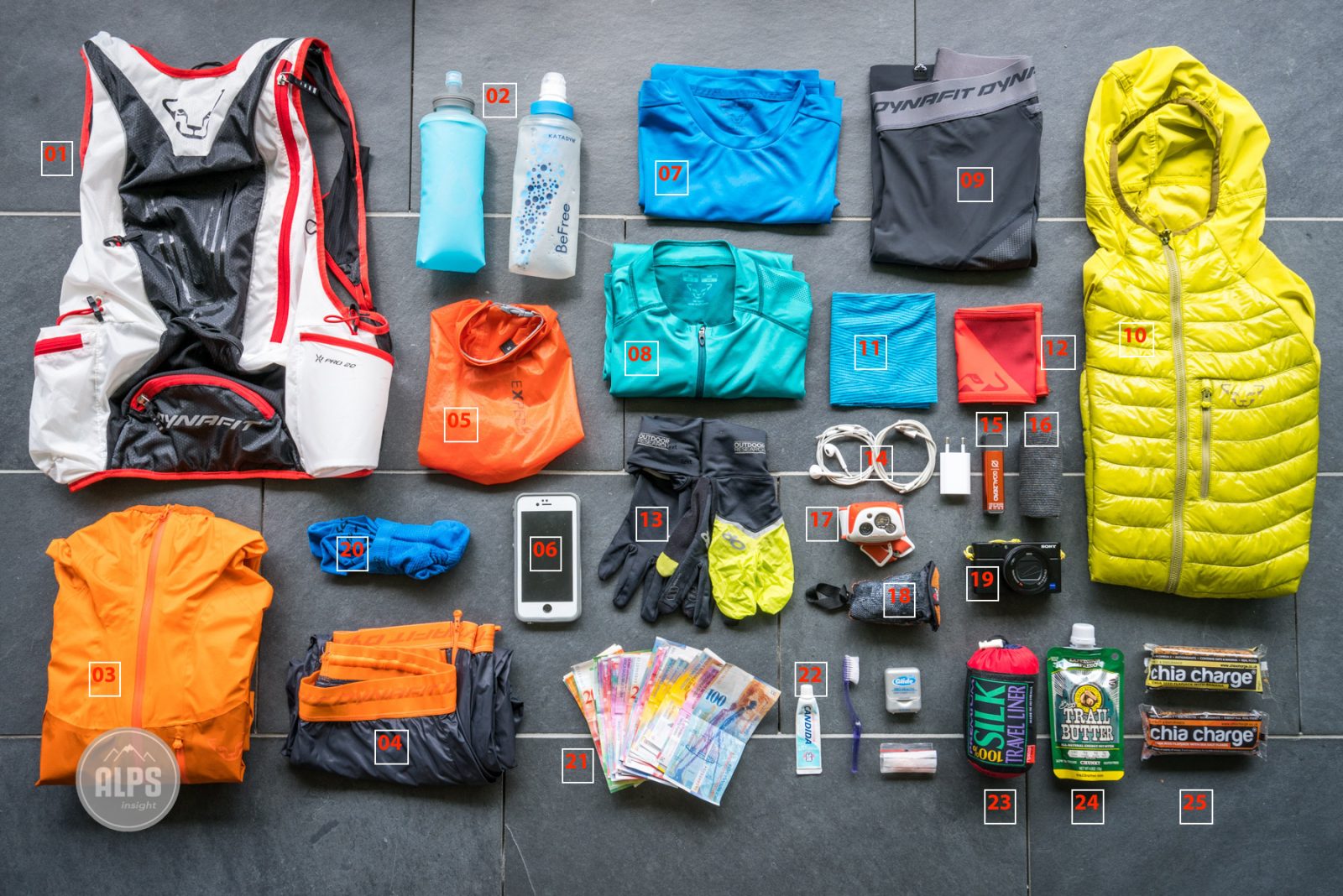
Long-sleeved shirts and long trousers are essential. They protect your skin from nettles, insects, and thorny vegetation. Lightweight but durable fabrics work best, ideally moisture-wicking rather than heavy cotton.
Neutral colors such as green, brown, and beige are preferred because they blend with the environment and are less likely to attract insects.
A waterproof jacket is essential, even during dry seasons. Weather in the Virungas changes quickly, and sudden rain showers are common.
Layering is critical. Mornings can be cold at altitude, while trekking itself generates heat. Being able to adjust clothing throughout the day is important.
Footwear: Stability on Uneven Terrain
Good hiking boots are non-negotiable for gorilla trekking in Volcanoes National Park.
The terrain is often muddy, uneven, and steep, so ankle support and strong grip are essential. Waterproof boots are strongly recommended, especially during rainy seasons.
Thick hiking socks help prevent blisters and provide additional comfort during long treks.
Some travelers also bring gaiters to prevent mud and vegetation from entering their boots, especially in wetter conditions.
Gloves: Small Detail, Big Difference
Gardening-style gloves or lightweight trekking gloves are extremely useful.
They protect your hands when grabbing vegetation for support while climbing or descending slopes. The forest can be dense, and you will often need to steady yourself using branches or vines.
Without gloves, hands can easily get scratched or irritated during the trek.
Backpack: Carry Only What You Need
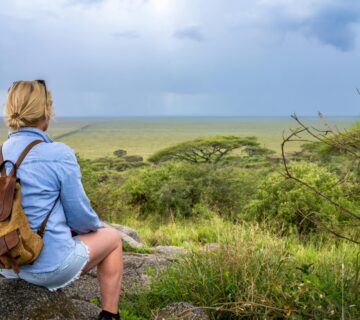
A small, comfortable daypack is ideal for gorilla trekking.
It should be light, waterproof or water-resistant, and large enough to carry essentials without being bulky.
Inside your backpack, you should only carry what you need for the trek itself. Porters are available in Volcanoes National Park if you want assistance carrying your bag, which also supports local community employment.
Water and Snacks: Energy Management in the Forest
Hydration is critical during gorilla trekking.
You should carry enough water to last the entire hike, as trekking can take several hours depending on gorilla movement. A reusable water bottle or hydration pack is ideal.
Light snacks such as energy bars or dried fruit can also be helpful, especially during longer treks where energy levels drop due to altitude and physical exertion.
Camera Gear: Capturing the Gorilla Encounter Responsibly
Photography is allowed during gorilla trekking, but it must be done carefully and respectfully.
A good camera with a zoom lens is recommended because you must maintain a safe distance from the gorillas at all times.
Flash photography is not permitted, so low-light capability is important due to dense forest cover.
Many travelers also carry lightweight rain covers for cameras because sudden showers are common in the rainforest environment.
Rain Protection: Always Be Prepared
Rain is a constant possibility in the Virunga region, even during drier months.
A compact rain jacket or poncho is essential, not optional. Waterproof covers for backpacks are also highly recommended.
The forest can become muddy very quickly after rainfall, so being prepared for wet conditions is part of the trekking reality in Rwanda.
Sun Protection: High Altitude Exposure
Even though the environment is forested, ultraviolet exposure at altitude can still be strong.
Sunscreen, sunglasses, and a hat for pre- and post-trek use are useful additions. While the forest canopy provides shade during trekking, exposed areas around park headquarters and lodges can still have strong sun.
Personal Essentials: Small Items That Matter
A few small items can significantly improve comfort during the trek.
Insect repellent is useful, even though insect activity is generally moderate in higher altitude forest zones.
Hand sanitizer is practical for hygiene before and after trekking.
A small first aid kit with basics such as blister plasters or pain relief medication can be helpful for longer hikes.
Tissues or wet wipes are also useful, especially in humid or muddy conditions.
Fitness and Physical Preparation: The Often Ignored “Packing” Element
While not a physical item, fitness preparation is one of the most important aspects of gorilla trekking readiness.
Trekking in Volcanoes National Park can range from moderate walks to challenging climbs depending on gorilla movement. Being reasonably fit improves your ability to enjoy the experience rather than struggle through it.
Even basic cardio conditioning before your trip can make a significant difference in how comfortable you feel during the trek.
What You Do NOT Need to Pack
Many travelers overpack for gorilla trekking, assuming it is similar to traditional safaris.
Heavy formal clothing, multiple outfit changes for the trek itself, and unnecessary electronics are not required. Most lodges in Rwanda provide high levels of comfort, laundry services, and storage options for excess luggage.
The goal is minimalism for the trekking day, not excess preparation.
Smart Packing Enhances the Entire Experience
Gorilla trekking in Rwanda is physically demanding, environmentally immersive, and highly regulated. Your packing list should reflect that reality.
If you are properly equipped with waterproof layers, strong footwear, hydration, and lightweight essentials, the experience becomes significantly more comfortable and enjoyable.
In the end, successful packing is not about carrying more—it is about carrying exactly what allows you to move confidently through the Virungas and fully focus on the moment when you meet the mountain gorillas in Volcanoes National Park.
Start Planning Your Next Trip To Africa
If you can picture yourself in one—or several—of these exceptional retreats, the next move is simple. We design fully tailored African safaris that bring these experiences together seamlessly, from private gorilla encounters to luxury lodges in the heart of the wild.
Every detail is carefully planned, so your journey feels effortless from start to finish. Reach out in whichever way suits you best, and let’s begin crafting your safari.
Start Planning