Rwanda’s Gorilla Conservation Story: From Near Extinction to 1,000+
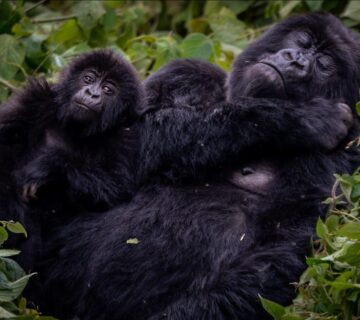
The recovery of mountain gorillas in Rwanda is one of the most important conservation success stories in modern wildlife management. What was once a species on the edge of extinction has, through sustained effort, grown to a population of over 1,000 individuals across the Virunga and Bwindi ecosystems.
This recovery did not happen by chance. It is the result of decades of protection, scientific research, strict tourism control, and community involvement centered around places like Volcanoes National Park.
Understanding this story requires going back to the period when mountain gorillas were in serious decline.
The Crisis: Poaching, Habitat Loss and Instability
In the late 20th century, mountain gorillas faced multiple threats at once.
Poaching was widespread, not always targeting gorillas directly but affecting them through snares set for other animals. Habitat loss from agriculture and human expansion reduced available forest space. Political instability in the region made conservation enforcement inconsistent and dangerous.
By the 1980s, the global mountain gorilla population had dropped to critically low numbers—fewer than 300 individuals in some estimates within the Virunga region.
At that point, extinction was considered a real possibility.
The Turning Point: Long-Term Research and Protection
One of the earliest and most influential conservation efforts came through long-term research and protection programs in Rwanda.
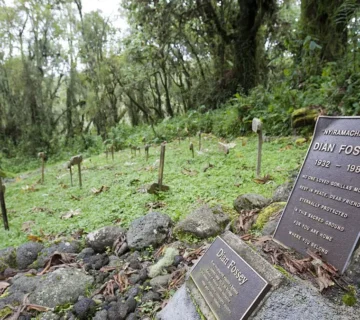
Led by primatologists such as Dian Fossey, early work focused on understanding gorilla behaviour, social structures, and threats. This research created the foundation for effective protection strategies.
More importantly, it established a constant human presence in gorilla habitats—not for tourism, but for monitoring and anti-poaching.
This marked the beginning of continuous, structured conservation.
Anti-Poaching Enforcement and Ranger Systems
As conservation efforts strengthened, Rwanda invested heavily in ranger-based protection.
Inside Volcanoes National Park, ranger teams began:
regular patrols to remove snares
monitoring gorilla groups daily
responding to illegal activity
protecting critical habitat zones
This constant ground presence became one of the most effective deterrents against poaching.
Unlike earlier periods, enforcement became systematic rather than reactive.
Habituation: A Controlled Conservation Tool
One of the most important developments was the controlled habituation of gorilla families.
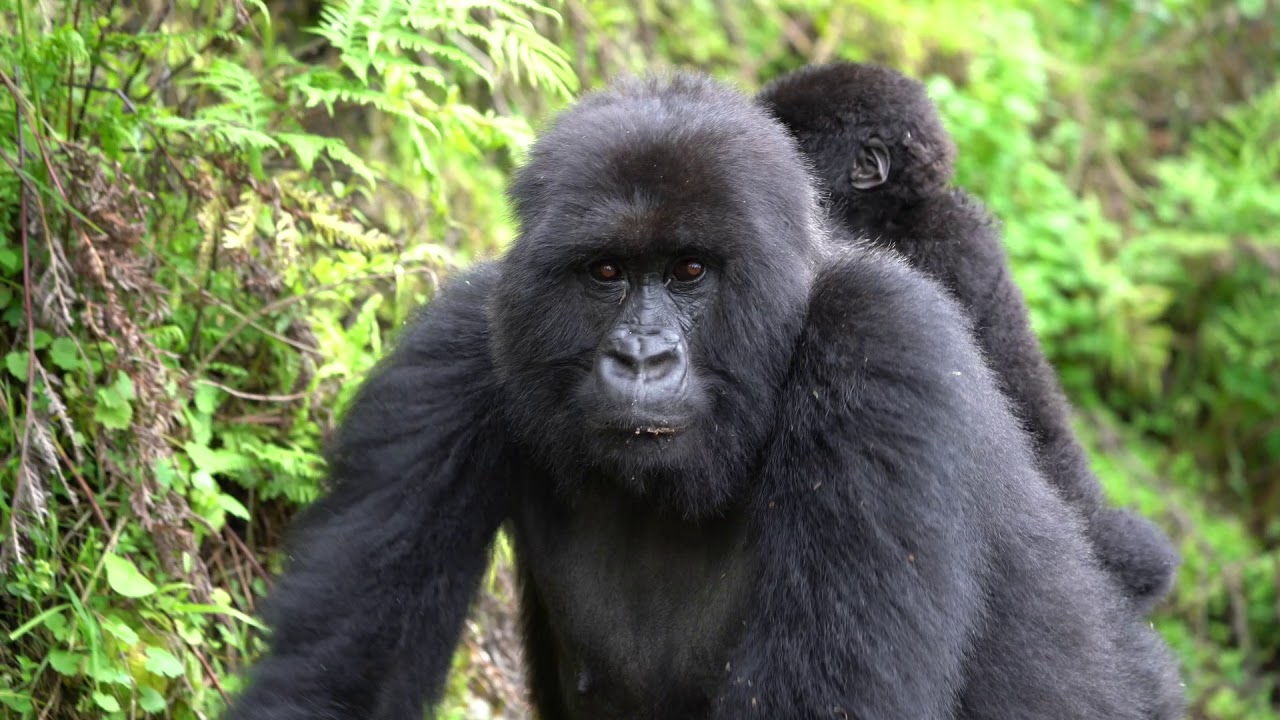
Habituation allows gorillas to tolerate human presence under strict conditions. This made it possible to introduce carefully managed tourism while still protecting the animals.
Habituation serves two key purposes:
it enables monitoring of gorilla health and behaviour
it creates economic value through tourism
Without habituation, modern gorilla conservation at this scale would not be possible.
Tourism as a Conservation Engine
Rwanda’s decision to link conservation with high-value tourism changed the financial model completely.
By limiting visitor numbers and charging premium permit fees, Rwanda created a system where each tourist contributes significantly to conservation funding.
Revenue supports:
ranger salaries and equipment
anti-poaching operations
veterinary care for gorillas
park infrastructure and management
This model transformed gorillas from a vulnerable species into a protected economic asset.
Veterinary Care and Gorilla Health Monitoring
Another critical factor in population recovery is direct medical intervention.
Specialised veterinary teams monitor gorilla health and intervene when necessary, particularly in cases of:
injuries from snares
disease risks
human-related health threats
This level of direct care is unusual in wildlife conservation but has been essential for stabilising and growing the population.
Community Involvement: The Long-Term Key
Conservation cannot succeed without local support.
Rwanda implemented revenue-sharing programs that allocate a portion of tourism income to communities living near the park.
This funding supports:
schools and education projects
healthcare facilities
local infrastructure development
As a result, communities have a direct incentive to support gorilla conservation rather than exploit forest resources.
This shift from conflict to cooperation is one of the most important elements of long-term success.
Strict Visitor Management
Tourism in Volcanoes National Park is tightly controlled.
Rules include:
limited permits per day
restricted group sizes
one-hour viewing limit
minimum distance requirements
health protocols for visitors
These measures ensure that tourism does not negatively impact gorilla behaviour or health.
The system prioritises sustainability over volume.
Population Growth: A Rare Conservation Outcome
Because of these combined efforts, mountain gorilla numbers have steadily increased over time.
Today, the population across Rwanda, Uganda, and the Democratic Republic of Congo exceeds 1,000 individuals.
This makes mountain gorillas one of the few critically endangered species to show consistent population recovery in the wild.
It is not a complete success—gorillas remain vulnerable—but it is a significant reversal from past decline.
Ongoing Challenges
Despite progress, conservation is not finished.
Key challenges remain:
limited habitat space
risk of disease transmission from humans
pressure from growing human populations
need for continuous funding and enforcement
The system works, but only as long as it is actively maintained.
Why Rwanda’s Model Matters Globally
Rwanda’s approach has become a reference point for conservation strategies worldwide.
It demonstrates that:
wildlife protection can be financially sustainable
low-volume, high-value tourism can reduce environmental pressure
community involvement is essential for long-term success
This model has influenced conservation thinking beyond gorillas.
Insight
Rwanda’s gorilla conservation story is not just about increasing numbers. It is about building a system where protection, tourism, and community benefit reinforce each other.
Inside Volcanoes National Park, this system operates daily through ranger patrols, controlled tourism, veterinary care, and local engagement.
The result is a rare outcome in conservation: a species once close to extinction now showing measurable recovery.
The success is real, but it is also fragile. It depends on continued discipline, funding, and cooperation to ensure that mountain gorillas remain protected for the future.
Start Planning Your Next Trip To Africa
If you can picture yourself in one—or several—of these exceptional retreats, the next move is simple. We design fully tailored African safaris that bring these experiences together seamlessly, from private gorilla encounters to luxury lodges in the heart of the wild.
Every detail is carefully planned, so your journey feels effortless from start to finish. Reach out in whichever way suits you best, and let’s begin crafting your safari.
Start Planning