Kenya Safari and Diani Beach: The Perfect Safari-to-Coast Combination
A Kenya safari combined with Diani Beach is one of the most balanced travel experiences in East Africa because it blends two completely different worlds into a single journey. On one side, you have the raw, wildlife-driven intensity of safari in places like the Masai Mara or Amboseli. On the other, you have the calm, warm coastline of the Indian Ocean at Diani Beach, where the pace slows down completely. In 2026, this safari-to-coast combination has become a defining luxury travel pattern because it solves a very simple problem: how to transition from adventure to recovery without leaving the country or breaking the flow of the trip.
This is not just a geographic pairing. It is a psychological transition built into one itinerary.
Why safari and beach work so well together
The strength of this combination lies in contrast. A safari in Kenya is active, structured, and early-rising. Days are shaped around game drives, wildlife tracking, and unpredictable animal behavior. You are constantly observing, scanning, and responding to the environment.
The beach segment at Diani removes all of that intensity. Time becomes unstructured, movement slows down, and the focus shifts from observation to relaxation.
At the center of this combination is the Masai Mara National Reserve, one of Africa’s most iconic safari ecosystems, where wildlife density and predator interactions define the experience. After days in this environment, the coast provides a natural reset.
The safari experience before the coast
Most itineraries begin with a classic Kenya safari in regions such as the Masai Mara, Amboseli, or Laikipia. The Masai Mara is the most common starting point because of its accessibility and high wildlife density.
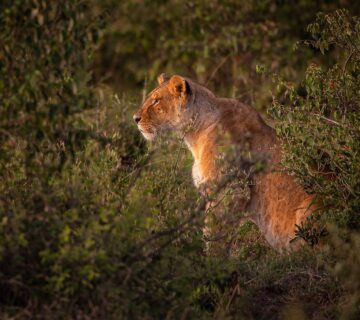
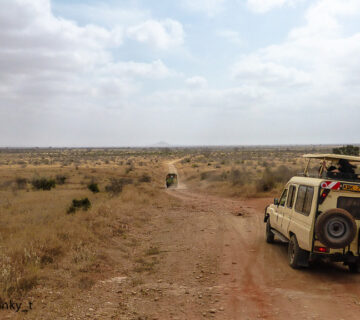
In the Mara ecosystem, game drives are structured around early mornings and late afternoons. This is when wildlife is most active. Lions hunt, elephants move across plains, and large herbivore herds dominate the landscape.
Luxury camps in conservancies such as Mara Plains Camp offer a more exclusive version of this experience, with lower vehicle density and flexible safari activities.
This stage of the journey is intense, immersive, and highly structured. It builds the foundation for the contrast that follows.
Transition from safari to coast
After the safari segment, travellers typically fly from Nairobi or directly from safari airstrips to the Kenyan coast.
This transition is not just logistical. It is emotional. The shift from dusty savannah landscapes to white sand beaches and turquoise water creates a clear break in experience.
Flights are relatively short, usually connecting Nairobi to Mombasa or Ukunda airstrip, which serves Diani Beach. Within a few hours, the entire environment changes from wildlife territory to oceanfront relaxation.
Arrival at Diani Beach
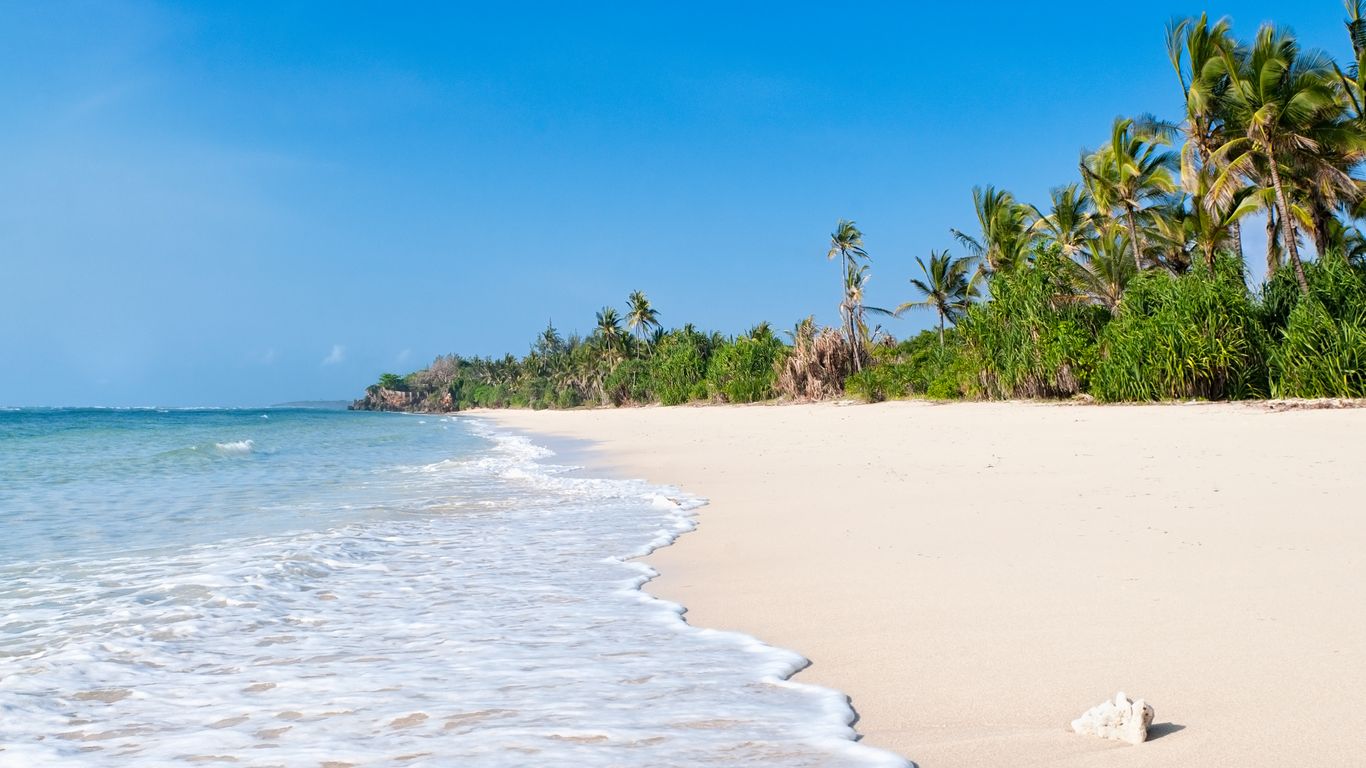
Diani Beach is located along Kenya’s southern coastline and is known for its soft white sand, warm waters, and palm-lined shores. It is one of the most established luxury beach destinations in East Africa.
Unlike safari regions, where movement and timing structure the day, Diani operates on a slow rhythm. Tides, sunlight, and personal preference determine daily activity.
Luxury resorts in the area range from boutique beachfront properties to larger international-style resorts, all focused on relaxation and ocean access.
Why Diani is the preferred safari extension
Diani Beach works particularly well as a safari extension because of its accessibility and contrast.
After early mornings, long drives, and wildlife tracking, the coast offers uninterrupted rest. The Indian Ocean provides warm swimming conditions, and beach activities can be as active or passive as desired.
The environment is stable, predictable, and quiet compared to safari regions, which makes it ideal for recovery.
The psychological reset after safari
One of the most overlooked aspects of this combination is the psychological transition it creates.
Safari travel is stimulating. You are constantly alert, observing animal behavior, and responding to movement in the environment. Even downtime in camp is often filled with anticipation of the next game drive.
The coast removes that stimulation. There is no tracking, no schedule pressure, and no wildlife unpredictability. This shift allows the mind to decompress fully.
This is why many travellers describe the beach portion not as an additional destination, but as part of the recovery process from safari intensity.
Wildlife to ocean contrast
The contrast between safari and coast is one of the defining features of this itinerary.
In the safari phase, particularly in ecosystems like the Masai Mara, wildlife is the central focus. Every moment is shaped by animal presence and movement.
At Diani Beach, wildlife becomes secondary or entirely absent from the daily experience. The focus shifts to marine life, coral reefs, and ocean scenery rather than land-based predators and herbivores.
This change in focus creates a natural narrative arc in the journey.
Accommodation differences between safari and coast
Accommodation plays a major role in reinforcing the contrast.
Safari camps are typically small, remote, and highly integrated into natural environments. They prioritize access to wildlife, guiding quality, and proximity to game viewing areas.
For example, camps in the Mara conservancies are designed for immersion rather than scale.
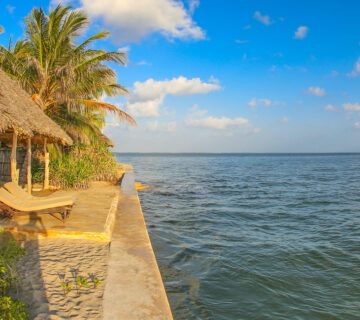
At the coast, resorts are larger, more open, and centered around comfort and leisure. Rooms often face the ocean, and facilities include pools, spas, and beach access.
This shift in design philosophy reinforces the transition from exploration to relaxation.
Ideal duration for a safari and beach combination
A balanced Kenya safari and Diani Beach itinerary typically ranges from 8 to 12 days.
Shorter itineraries of around 7 to 8 days are possible but often feel rushed, especially if multiple safari regions are included.
A more comfortable structure is 4 to 6 days on safari followed by 3 to 5 days at the coast. This allows enough time to experience wildlife without rushing and enough time to properly unwind at the beach.
Longer itineraries extend the relaxation phase rather than the safari phase, as wildlife experiences are usually concentrated in fewer days.
Best safari regions to combine with Diani
The Masai Mara is the most popular safari region to combine with Diani Beach due to its reliability for wildlife sightings and relatively short flight connections.
Other regions such as Amboseli, known for elephant herds and views of Mount Kilimanjaro, can also be included depending on itinerary design.
The key factor is flight efficiency. Direct or one-stop routes into coastal airports make the transition smoother and reduce travel fatigue.
Seasonality and timing considerations
Seasonality plays an important role in planning this combination.
Safari conditions are generally strong year-round, but the Great Migration in the Masai Mara between July and October adds a high-impact wildlife element.
Coastal conditions in Diani are warm throughout the year, with variations in rainfall depending on season. However, even during wetter periods, the coast remains functional for relaxation-focused travel.
The combination is therefore flexible across multiple seasons, although peak safari months often increase overall demand.
Who this combination is best suited for
This itinerary is ideal for travellers who want both adventure and relaxation within a single trip.
It suits first-time safari visitors who want a complete East Africa experience, as well as honeymooners and luxury travellers seeking balance between activity and rest.
It is also popular among repeat safari travellers who want to end a high-intensity wildlife journey with a soft landing at the coast.
Cost structure and value perspective
The overall cost of a safari and beach combination depends on the level of accommodation chosen in both phases.
Safari costs are typically higher due to conservancy fees, park levies, guiding, and internal flights. Beach costs vary depending on resort category but are generally more stable and less variable than safari pricing.
The value of the combination lies in experience contrast rather than cost efficiency. It provides two different travel environments in one itinerary, reducing the need for separate future trips.
How the journey feels in sequence
The experience typically unfolds in two clear phases.
The first phase is active and immersive, centered on wildlife viewing, early mornings, and constant environmental engagement.
The second phase is slow and restorative, centered on rest, ocean views, and unstructured time.
The transition between these phases is what defines the journey. It moves from intensity to stillness without requiring additional travel outside Kenya.
Why this combination remains a classic in 2026
In 2026, safari travel is increasingly about experience layering rather than single-focus trips. The Kenya safari and Diani Beach combination remains one of the most effective examples of this approach.
It delivers wildlife intensity, logistical simplicity, and coastal relaxation within one country. It avoids unnecessary complexity while still offering two completely different environments.
The result is a structured journey that feels complete without being fragmented.
Start Planning Your Next Trip To Africa
If you can picture yourself in one—or several—of these exceptional retreats, the next move is simple. We design fully tailored African safaris that bring these experiences together seamlessly, from private gorilla encounters to luxury lodges in the heart of the wild.
Every detail is carefully planned, so your journey feels effortless from start to finish. Reach out in whichever way suits you best, and let’s begin crafting your safari.
Start Planning