How Uganda’s Mountain Gorilla Population Grew from 620 to Over 1,000: The Conservation Story
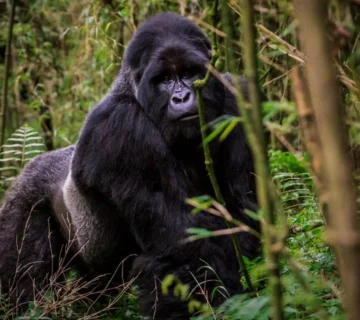
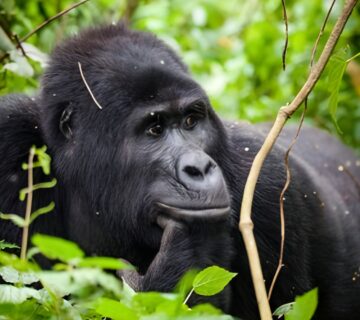
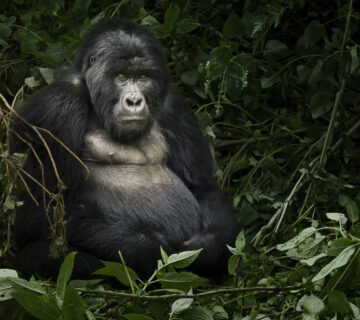
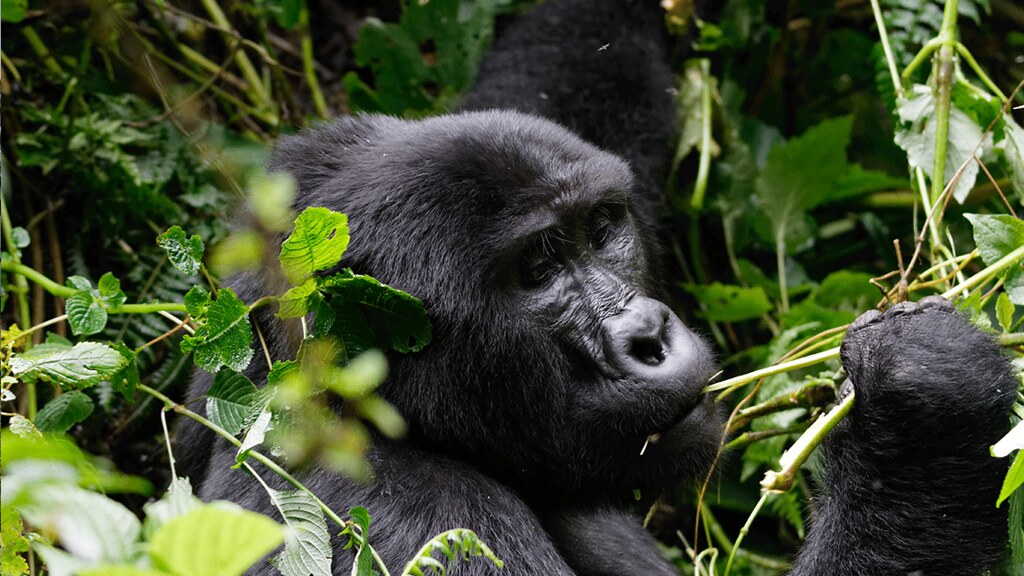
The growth of Uganda’s mountain gorilla population is one of the most significant conservation recoveries in modern wildlife history. From a critically endangered population estimated at around 620 individuals in the late 1980s and early 1990s, mountain gorillas now number over 1,000 across the transboundary forests of Uganda, Rwanda, and the Democratic Republic of Congo.
A large proportion of this recovery is linked to strong protection efforts in Uganda’s two key gorilla habitats: Bwindi Impenetrable National Park and Mgahinga Gorilla National Park. These ecosystems form part of the larger Virunga and Bwindi-Sarambwe forest blocks, which are the only remaining habitats for mountain gorillas in the wild.
This population increase is not accidental. It is the result of coordinated conservation policy, anti-poaching enforcement, community engagement, disease management, and carefully controlled tourism revenue systems.
The Starting Point: A Population Under Extreme Pressure
Fragmented Habitat and Human Encroachment
By the late 20th century, mountain gorillas were restricted to small, isolated forest blocks surrounded by dense human settlement. Agricultural expansion, logging, and population pressure had significantly reduced available habitat.
In Uganda, Bwindi Impenetrable Forest had already become a critical refuge, but even this protected area faced edge encroachment and resource extraction pressure.
The result was a fragmented population under continuous ecological stress.
Poaching and Illegal Wildlife Trade
Although mountain gorillas were not heavily targeted for meat consumption, they were affected by snares set for other animals. Infants were also occasionally captured for illegal trade, often with fatal consequences for group structure.
Adult gorillas were sometimes killed during human-wildlife conflict or accidental encounters with poachers.
This indirect pressure significantly affected population stability.
The Conservation Shift: Establishing Strong Protected Areas
Creation of Bwindi Impenetrable National Park
The formal designation of Bwindi as a national park marked a turning point. Previously a forest reserve with multiple use pressures, it was upgraded to strict protection status.
Bwindi Impenetrable National Park became one of the most important strongholds for mountain gorillas globally.
This shift limited human activity inside the forest and established controlled access zones for conservation and tourism.
Mgahinga Gorilla National Park Protection
Mgahinga Gorilla National Park, though smaller, plays a critical role in protecting part of the Virunga gorilla population.
Its integration into a transboundary conservation system with Rwanda and the DRC helped create ecological continuity across mountain ranges.
Anti-Poaching and Ranger-Based Protection
Expansion of Ranger Networks
One of the most effective conservation tools has been the expansion of trained ranger units operating within gorilla habitats.
These teams conduct regular patrols, remove snares, monitor gorilla groups, and track illegal activity.
Continuous presence in the forest significantly reduced poaching incidents over time.
Intelligence-Led Conservation
Modern anti-poaching systems also rely on intelligence gathering from local communities, informants, and ecological monitoring data.
This approach allows rangers to anticipate illegal activity rather than simply respond to it.
Over time, this reduced mortality from indirect threats such as snares.
Veterinary Intervention and Gorilla Health Management
The Gorilla Doctor Program
A key innovation in gorilla conservation has been the introduction of dedicated veterinary teams that monitor and treat gorilla groups when necessary.
These interventions are carefully controlled to minimize human contact while addressing injuries or illness.
This has improved survival rates, especially for younger and vulnerable individuals.
Disease Prevention Measures
Mountain gorillas share close genetic similarity with humans, making them vulnerable to human-transmitted diseases.
Strict tourism protocols were introduced, including distance regulations, visitor limits, and health screening for trekkers.
These measures significantly reduced disease transmission risk.
Controlled Tourism and Revenue Reinvestment
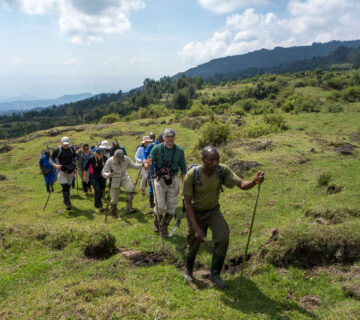
Gorilla Trekking Permit System
Uganda implemented a high-value, low-volume tourism model centered on gorilla trekking permits.
This system ensures that only a limited number of visitors access each gorilla group daily, reducing environmental pressure.
Revenue from permits is reinvested directly into conservation and community programs.
Sustainable Tourism Model
Tourism became a financial incentive for conservation. The presence of gorillas generates income for park management, local communities, and national conservation agencies.
This shifted gorillas from a vulnerable resource to a valuable long-term economic asset.
Community Involvement in Conservation
Buffer Zone Development
Communities surrounding gorilla habitats were engaged through buffer zone programs that reduce dependence on forest resources.
Alternative livelihood projects, education initiatives, and infrastructure development helped reduce pressure on protected areas.
Benefit-Sharing Programs
A portion of tourism revenue is shared with local communities living near gorilla parks.
This creates a direct financial link between gorilla survival and community well-being.
As a result, local support for conservation has increased significantly over time.
Ecological Stability and Habitat Protection
Forest Regeneration and Protection
Long-term protection has allowed forest ecosystems to regenerate in areas previously degraded by human activity.
This has improved habitat quality for gorillas and other species within Bwindi and Mgahinga.
Stable forest cover supports feeding behavior, nesting, and group movement patterns.
Reduced Fragmentation Pressure
Conservation efforts have also focused on maintaining ecological corridors between gorilla groups.
This reduces isolation and supports genetic diversity across populations.
The Role of International Collaboration
Mountain gorilla conservation is not limited to Uganda. It is part of a tri-national system involving Uganda, Rwanda, and the Democratic Republic of Congo.
This cross-border cooperation allows for coordinated monitoring, shared research, and unified protection strategies across the entire habitat range.
Without this collaboration, population recovery would have been significantly slower.
Why Population Growth Matters Beyond Numbers
Genetic Stability
A growing population reduces the risk of inbreeding and genetic bottlenecks, which are critical threats for small populations.
Increased numbers improve long-term resilience and adaptability.
Behavioral Continuity
Stable populations allow gorilla groups to maintain social structures over generations.
This is important for learning behavior, group leadership, and survival strategies.
Ecosystem Balance
Mountain gorillas play a key ecological role in forest regeneration through seed dispersal and vegetation management.
Their recovery supports broader biodiversity within the forest ecosystem.
Current Conservation Status
Mountain gorillas are no longer classified as “critically endangered” but remain “endangered” due to their limited habitat range.
This means that while population recovery is a major success, the species is still vulnerable to habitat loss, disease, and human pressure.
Continued protection remains essential to sustain gains made over the past decades.
Conservation Story
In practical terms, the increase from roughly 620 to over 1,000 individuals represents one of the few global examples of a large mammal moving away from extinction risk through structured conservation.
This success is not based on a single intervention but on layered systems: enforcement, tourism, veterinary care, and community engagement working together over time.
The presence of habituated gorilla groups in Bwindi Impenetrable National Park today is the direct result of this long-term system functioning consistently.
It is a conservation model that continues to evolve, but its foundation is already clear: sustained protection combined with economic value can reverse population decline even for highly vulnerable species.
Start Planning Your Next Trip To Africa
If you can picture yourself in one—or several—of these exceptional retreats, the next move is simple. We design fully tailored African safaris that bring these experiences together seamlessly, from private gorilla encounters to luxury lodges in the heart of the wild.
Every detail is carefully planned, so your journey feels effortless from start to finish. Reach out in whichever way suits you best, and let’s begin crafting your safari.
Start Planning