How to Extend Your Uganda Safari with a Gorge Walk, Waterfall Hike or Lake Visit
A Uganda safari is often planned around headline experiences such as gorilla trekking in Bwindi Impenetrable National Park, chimpanzee tracking in Kibale National Park, and game drives in Queen Elizabeth National Park. However, what many first-time travellers miss is that Uganda’s value does not end with these flagship activities. Between and around them lies a network of gorge walks, waterfall hikes, crater lakes, and forest-edge lakes that can transform a standard itinerary into a far more immersive ecological journey.
These add-on experiences are not filler activities. They are often the most informative parts of a safari, offering insight into geology, hydrology, forest ecology, and human-wildlife interaction in ways that game drives alone cannot provide.
Why Add Short Experiences to a Safari Itinerary
Uganda is geographically layered. Long driving routes between parks pass through escarpments, volcanic fields, river valleys, and rural agricultural landscapes. Without intentional stops, much of this environmental diversity is simply passed through.
Adding structured short excursions achieves three things: it breaks up long travel days, deepens ecological understanding, and introduces slower-paced moments between high-intensity wildlife activities like gorilla trekking.
It also reduces travel fatigue, which is a common issue on multi-park itineraries that involve several long transfers.
Gorge Walks: Walking Through Living Geological Corridors
The Kyambura Gorge Experience
One of the most accessible gorge walks is in Kyambura Gorge, a dramatic forested ravine within Queen Elizabeth National Park.
From the savannah above, the landscape appears flat and open. But descending into the gorge reveals a completely different ecosystem—dense tropical forest, steep walls, and a humid microclimate that feels geographically detached from the surrounding plains.
This is also where chimpanzee tracking takes place, but even without primate sightings, the walk itself is significant. It illustrates how forest “islands” can exist inside savannah systems, shaped by water erosion and long-term ecological isolation.
What Makes Gorge Walks Valuable
Gorge walks are less about wildlife density and more about environmental contrast. You move from grassland to closed canopy forest within minutes, observing shifts in vegetation, humidity, and sound.
Birdlife changes rapidly, and forest primates or smaller mammals may occasionally appear, but the primary experience is structural rather than purely wildlife-based.
It is one of the clearest demonstrations of ecological layering in Uganda’s safari system.
Waterfall Hikes: Energy, Terrain, and River Systems
Murchison Falls National Park
One of the most powerful waterfall experiences in Uganda is found in Murchison Falls National Park, where the Nile River is forced through a narrow 7-meter gorge before dropping into a turbulent plunge below.
The hike to viewpoints around the falls offers a combination of river soundscapes, mist-heavy air, and high-energy water movement.
Unlike passive viewing from a distance, walking sections around the falls introduces a physical dimension to the safari, with climbing paths, lookout points, and riverbank trails.
Why Waterfall Hikes Matter in a Safari Context
Waterfall hikes provide a different type of wildlife context. Instead of large mammals, the focus shifts to hydrological force, geological structure, and micro-ecosystems around riverbanks.
In many cases, animals such as baboons or antelope may be seen along the approach routes, but the central experience is environmental scale rather than species count.
Crater Lakes and Volcanic Landscapes
Fort Portal Region and Crater Lake Systems
Between Kibale and Queen Elizabeth National Parks lies one of Uganda’s most visually striking landscapes: the crater lake region around Fort Portal.
These lakes are formed from ancient volcanic activity, creating circular water bodies surrounded by steep green hills.
They are not single destinations but a network of small ecosystems that can be visited on short excursions between major safari stops.
What You Experience at Crater Lakes
Crater lake visits are slow, reflective experiences compared to game drives. They often involve short walks, viewpoint stops, and interaction with local communities.
The lakes themselves are typically calm and mirror-like, especially in the early morning or late afternoon.
This environment provides a visual reset between forest trekking and savannah driving.
Lake Visits: Wildlife Edges and Human Landscapes
Lake Edward and Lake George System
Within Queen Elizabeth National Park, the lake system connecting Lake Edward and Lake George plays an important ecological role.
These lakes feed into the Kazinga Channel, which supports high concentrations of hippos, birds, and grazing animals along the shoreline.
Even outside boat safaris, shoreline viewpoints provide opportunities to observe the transition between aquatic and terrestrial ecosystems.
Lake Victoria and Entebbe Region
Near Uganda’s entry point, Lake Victoria provides a different type of lake experience. Here, the focus shifts toward fishing communities, birdlife, and shoreline wetlands.
It is less about wildlife density and more about cultural and ecological interface zones where human and natural systems overlap.
How to Integrate These Experiences Into a Safari Itinerary
Between Gorilla Trekking and Game Drives
Gorge walks and crater lake visits work particularly well between major trekking and safari days.
For example, after gorilla trekking in Bwindi Impenetrable National Park, a crater lake stop can break up the journey toward Queen Elizabeth National Park.
This reduces fatigue and introduces visual variety into a long transfer day.
During Transit Days
Many Uganda safari routes involve long road transfers. Instead of treating these as purely logistical, they can be structured with planned stops at waterfalls, viewpoints, or lakes.
This transforms travel days into active exploration days rather than passive driving segments.
Physical Demand and Accessibility Considerations
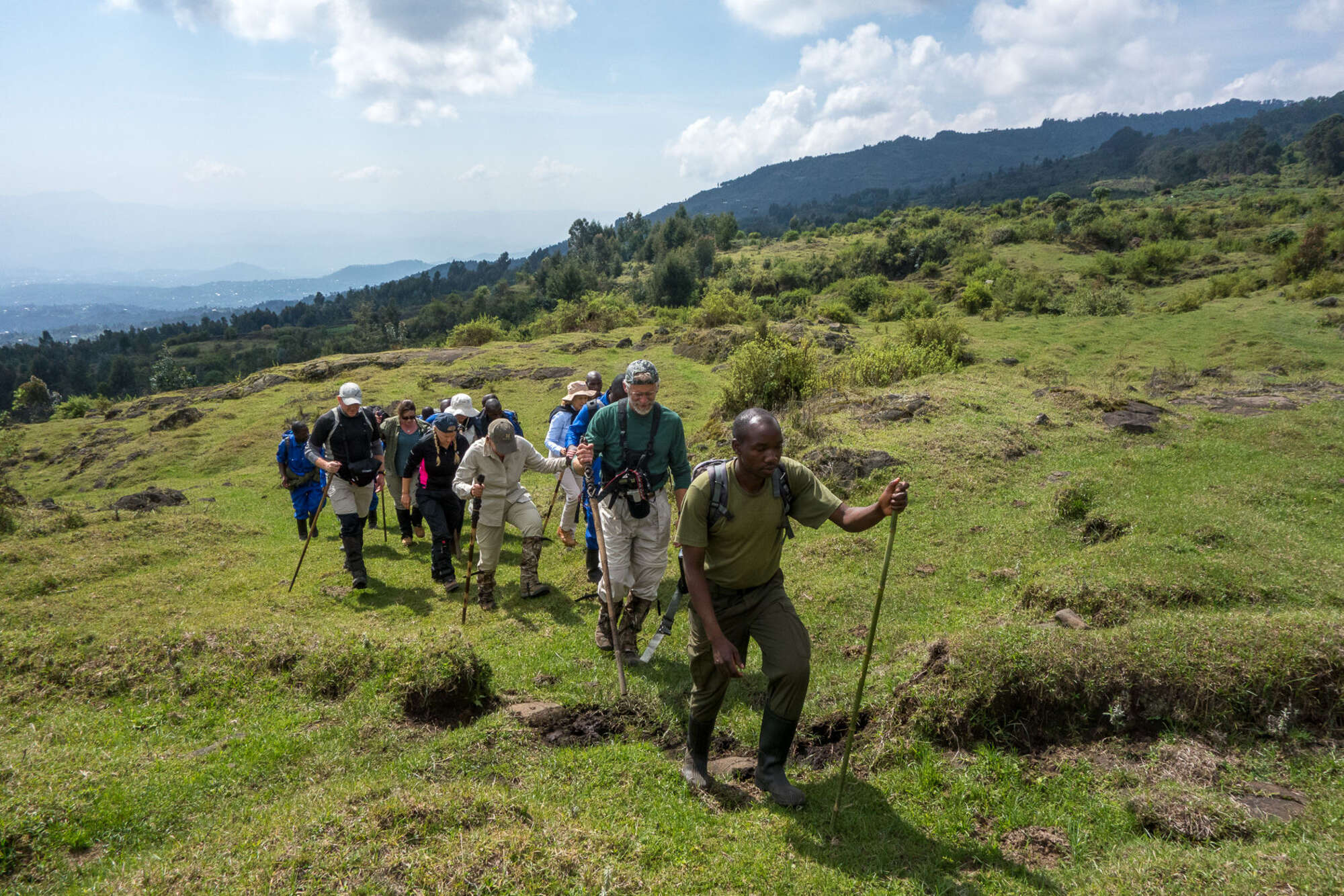
Most of these add-on experiences are moderately accessible but vary in intensity.
Gorge walks may involve steep descents and uneven terrain. Waterfall hikes can include slippery paths and elevation changes. Crater lake visits are generally easier and more relaxed.
Unlike gorilla trekking, none of these require specialized permits, but they still benefit from proper footwear and moderate fitness awareness.
Why These Experiences Improve Safari Quality
The value of adding these experiences is not measured in wildlife counts but in contextual understanding.
They show how ecosystems connect—how rivers shape valleys, how volcanic activity creates lakes, and how forests exist within savannah systems.
This layered understanding is what differentiates a standard safari from a more complete ecological journey.
Safari Extensions in Uganda
In practical terms, Uganda’s short excursions function as connective tissue between major highlights.
They are not designed to replace gorilla trekking or game drives but to enhance transitions between them.
When used correctly, they reduce travel fatigue, improve itinerary pacing, and provide environmental diversity that many itineraries otherwise miss.
A well-structured safari does not move only from park to park. It moves through landscapes, and these shorter experiences are what make those transitions meaningful rather than purely logistical.
Start Planning Your Next Trip To Africa
If you can picture yourself in one—or several—of these exceptional retreats, the next move is simple. We design fully tailored African safaris that bring these experiences together seamlessly, from private gorilla encounters to luxury lodges in the heart of the wild.
Every detail is carefully planned, so your journey feels effortless from start to finish. Reach out in whichever way suits you best, and let’s begin crafting your safari.
Start Planning