First-Time Uganda Safari: The Mistakes Most Travellers Make (and How to Avoid Them)
A first safari in Uganda is rarely just a holiday. It is a logistics-heavy, multi-ecosystem journey that can include rainforest trekking in Bwindi Impenetrable National Park, chimpanzee tracking in Kibale National Park, savannah game drives in Queen Elizabeth National Park, and long-distance road transfers across rugged terrain.
Because of this complexity, first-time travellers often make predictable mistakes that reduce comfort, waste time, or limit wildlife experiences. The good news is that most of these issues are avoidable with correct planning, realistic expectations, and an understanding of how Uganda actually functions as a safari destination.
Underestimating Travel Distances Between Parks
One of the most common mistakes is assuming Uganda operates like a compact safari circuit where parks are close together.
In reality, travel between major destinations is significant. A drive from Entebbe to Bwindi can take most of a day. Kibale to Queen Elizabeth involves several hours of road time. Even shorter distances can feel longer due to road conditions, weather, and terrain changes.
Many first-time travellers plan too many parks in too few days, resulting in rushed itineraries where more time is spent in transit than in wildlife areas.
The practical solution is to reduce the number of destinations and increase nights per park rather than trying to “see everything.”
Treating Gorilla Trekking as a Casual Activity
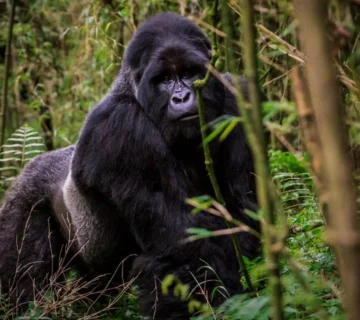
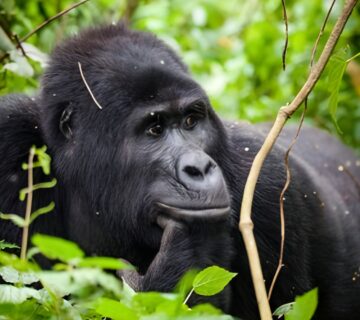
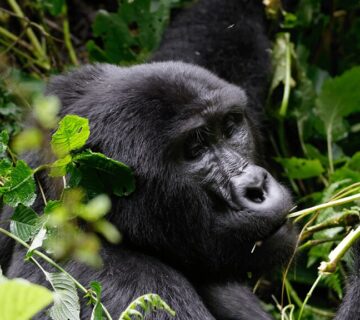
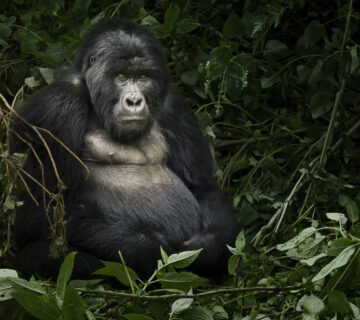
Gorilla trekking is often misunderstood as a standard wildlife walk. In reality, it is a physically demanding forest expedition requiring endurance, preparation, and flexibility.
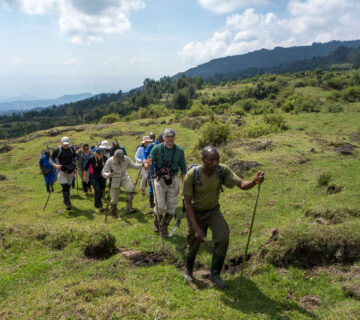
In Bwindi Impenetrable National Park, terrain can be steep, muddy, and densely vegetated. Trek duration is unpredictable and can range from short walks to several hours depending on gorilla movement.
First-time travellers often underestimate the physical effort required, leading to fatigue or discomfort during the experience.
Proper preparation includes good hiking footwear, layered clothing, and realistic fitness expectations. The trek is not designed for speed—it is designed for tracking.
Booking Too Late and Missing Gorilla Permits
Gorilla trekking permits are limited and tightly controlled. In Uganda, permits for Bwindi Impenetrable National Park are allocated daily and can sell out months in advance during peak seasons.
A frequent mistake is booking flights first and safari arrangements later, only to find that preferred trekking dates are unavailable.
This forces itinerary compromises, such as changing travel dates, adjusting park sequences, or switching lodges.
The correct approach is to secure permits first, then build the itinerary around confirmed trekking dates.
Overpacking for the Safari
Many first-time visitors pack as if they are travelling through multiple climate zones simultaneously, which is partially true but still leads to unnecessary weight.
Uganda’s climate is variable but predictable in structure: warm savannah regions, cool highland forests, and humid rainforest zones.
Overpacking creates logistical strain during transfers, especially when moving between parks via road or small aircraft.
The key issue is not clothing variety, but practicality. Layering is more effective than volume.
Expecting Constant “Big Five” Sightings
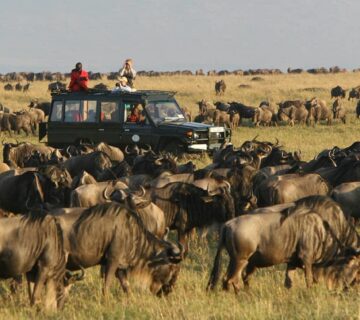
Another common misconception is that Uganda functions like a high-density savannah safari destination where large mammals are guaranteed in every game drive.
While Uganda does have the Big Five across different locations, sightings are not as concentrated as in some East African plains ecosystems.
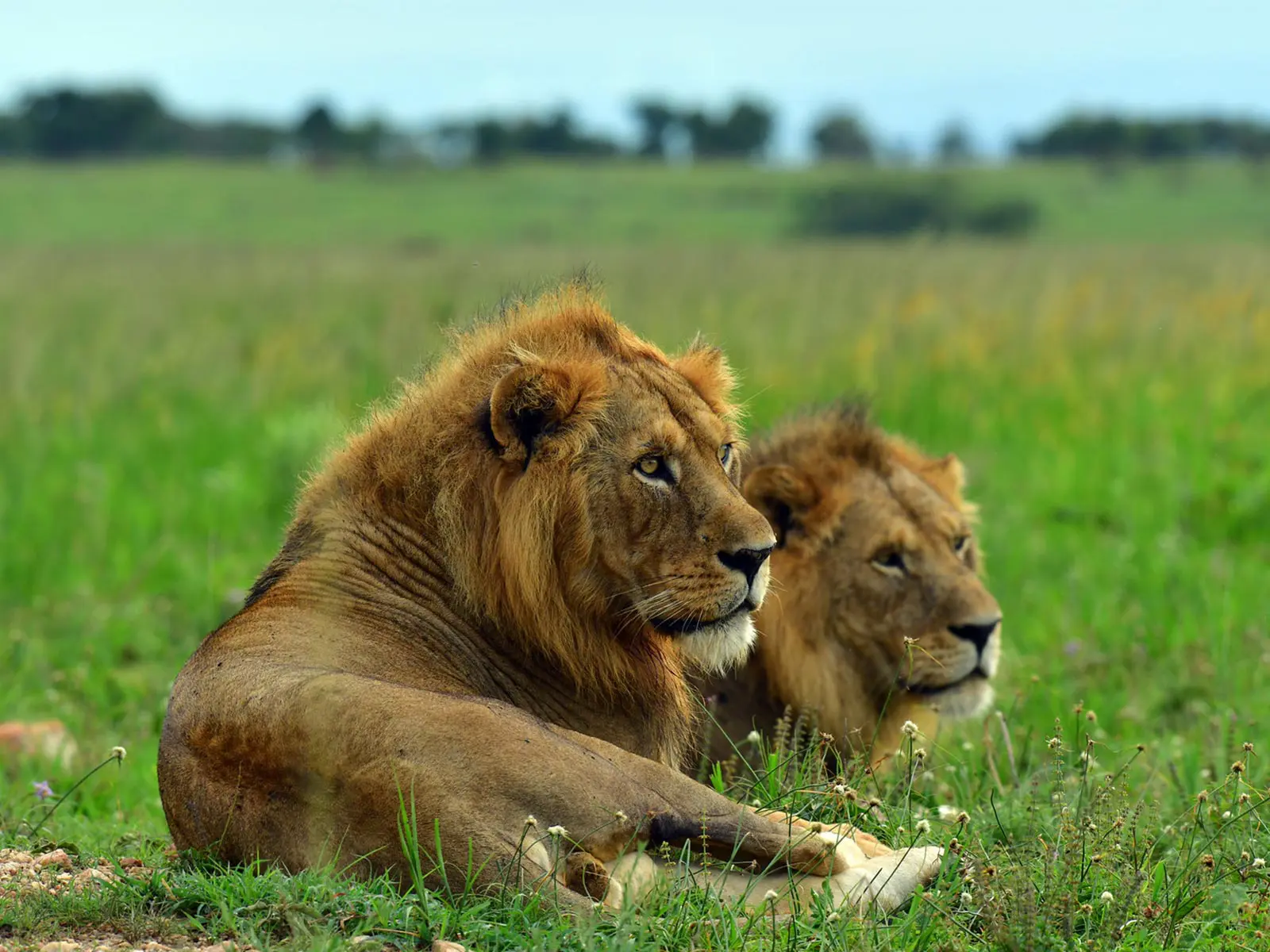
For example, lions and elephants are present in Queen Elizabeth and Murchison Falls, but they are not encountered at every turn. Leopards are particularly elusive.
Uganda’s strength lies in diversity rather than density, combining forest primates, savannah wildlife, and wetland species in one country.
Ignoring the Importance of Seasonal Conditions
Uganda’s safari experience changes significantly with rainfall patterns, yet many travellers do not account for seasonal variation when planning.
During wetter periods, roads can become slower, trekking conditions more challenging, and visibility in forest areas slightly reduced.
During drier periods, wildlife viewing in savannah parks improves due to concentrated animal movement near water sources.
However, forest experiences such as gorilla trekking remain possible year-round.
Failing to match travel expectations with seasonal realities can lead to disappointment or inefficient scheduling.
Trying to Combine Too Many Activities in One Day
First-time itineraries often attempt to stack multiple high-effort activities into a single day—such as morning chimpanzee tracking followed by long transfers and evening game drives.
This leads to fatigue and reduces overall experience quality.
Uganda safari experiences are time-intensive. Gorilla trekking, chimpanzee tracking, and long-distance game drives each require dedicated half or full days.
Over-scheduling reduces the ability to fully absorb each environment.
Choosing the Wrong Accommodation Locations
Accommodation placement is critical in Uganda because travel time is a major factor in daily scheduling.
A frequent mistake is staying too far from park entry points, which results in early morning rushes or delayed starts for activities like gorilla trekking.
For example, staying far from Bwindi Impenetrable National Park can add unnecessary driving time before an already physically demanding trek.
Proximity matters more than luxury upgrades when it comes to safari efficiency.
Underestimating Physical Fitness Requirements
Uganda safaris are not purely vehicle-based. Activities such as gorilla trekking and chimpanzee tracking involve hiking through uneven terrain, sometimes at altitude.
First-time travellers often assume a moderate level of fitness is sufficient without preparation.
While extreme fitness is not required, basic endurance, stability, and comfort with walking on uneven ground significantly improve the experience.
Preparation reduces fatigue and allows better focus on wildlife interaction rather than physical strain.
Overlooking the Value of Local Guides
Guides in Uganda are not optional support—they are essential to the entire safari experience.
They interpret animal behavior, navigate terrain, coordinate park logistics, and significantly improve wildlife detection rates.
A common mistake is underestimating their role or selecting experiences based solely on accommodation rather than guiding quality.
Experienced guides can transform a standard safari into a highly productive wildlife journey.
Expecting Urban-Level Convenience in Remote Areas
Many safari destinations in Uganda are located in remote regions where infrastructure is intentionally minimal to preserve ecosystems.
First-time travellers sometimes expect high-speed connectivity, constant electricity, or urban-level service consistency.
While luxury lodges provide strong comfort levels, power systems, water supply, and connectivity may still reflect their remote environments.
Understanding this context improves adaptation and reduces frustration.
Not Allowing Buffer Time Between Key Experiences
Uganda itineraries often fail when travellers schedule back-to-back high-intensity activities without rest periods.
For example, completing a gorilla trek and immediately embarking on a long road transfer can be exhausting.
Buffer days allow recovery, flexibility for weather changes, and better overall pacing.
This is particularly important in itineraries combining multiple parks such as Kibale National Park, Queen Elizabeth National Park, and Bwindi Impenetrable National Park.
Misunderstanding Uganda’s Safari Identity
Perhaps the most fundamental mistake is approaching Uganda with expectations shaped entirely by savannah safari destinations.
Uganda is not a single-type safari country. It is a hybrid destination combining rainforest primates, savannah predators, wetlands, and volcanic landscapes.
This diversity is its defining strength, but it requires a mindset shift.
Those who expect only traditional game drives may underestimate Uganda’s depth, while those who embrace its ecological variety experience a far richer safari.
Field Reality of a First Uganda Safari
In practical terms, a successful first Uganda safari is not defined by how many parks are visited, but by how well each experience is executed.
The country rewards structured pacing, realistic scheduling, and acceptance of variability in wildlife encounters.
When planned correctly, Uganda delivers one of the most diverse safari experiences in Africa, combining gorilla trekking, chimpanzee tracking, and savannah game viewing within a single itinerary.
When poorly planned, it becomes a rushed logistical journey with limited immersion.
The difference lies almost entirely in preparation and expectation management rather than the destination itself.
Start Planning Your Next Trip To Africa
If you can picture yourself in one—or several—of these exceptional retreats, the next move is simple. We design fully tailored African safaris that bring these experiences together seamlessly, from private gorilla encounters to luxury lodges in the heart of the wild.
Every detail is carefully planned, so your journey feels effortless from start to finish. Reach out in whichever way suits you best, and let’s begin crafting your safari.
Start Planning