Uganda and Kenya Combined Safari: Gorillas and the Masai Mara in One Trip A Uganda and Kenya combined safari is one of the most strategically rewarding East African itineraries because it connects two completely different safari ecosystems in a single journey: mountain gorilla rainforest trekking in Uganda and open savannah predator action in Kenya’s Masai Mara  On one side, you have the dense, humid forests of Bwindi Impenetrable National Park, home to mountain gorillas and steep jungle terrain  On the other, you have the vast plains of Masai Mara National Reserve, where lions, cheetahs, elephants, and wildebeest dominate the landscape in wide open visibility  This combination is not just geographically diverse—it is ecologically complementary  It allows travelers to experience two of Africa’s most iconic wildlife encounters in one continuous itinerary without repetition of experience type  Why Combine Uganda and Kenya in One Safari Two Completely Different Safari Worlds Uganda is defined by forest based primate tracking, especially mountain gorillas and chimpanzees, while Kenya is defined by classic savannah game viewing  In Uganda, wildlife encounters are intimate, slow, and physically immersive  In Kenya, they are expansive, visual, and often dramatic over long distances  Combining both creates a full spectrum safari experience: close range forest encounters followed by wide angle predator prey dynamics  Efficient Use of Regional Flight Networks Modern East African aviation makes this combination practical  Flights typically route through hubs such as Nairobi and Entebbe, allowing smooth transitions between countries  This reduces the need for long overland travel and keeps the focus on wildlife experiences rather than logistics  Suggested 10–12 Day Structure Overview A realistic combined itinerary typically runs between 10 and 12 days depending on pace, budget, and number of parks included  The structure is usually divided into two phases: Uganda for primates and Kenya for savannah wildlife  Uganda Segment: Gorilla and Forest Primates Arrival and Transfer Into Gorilla Region Most itineraries begin in Entebbe, Uganda’s main international gateway, followed by a transfer toward Bwindi  Depending on routing, travelers may either drive or use domestic flights to reduce travel time  Gorilla Trekking in Bwindi Impenetrable National Park Bwindi Impenetrable National Park is the centerpiece of Uganda’s safari experience  Gorilla trekking here involves hiking through dense, mountainous rainforest to locate a habituated gorilla family  Once found, visitors spend one hour observing social behavior, feeding patterns, and family interaction  The terrain is steep and forested, making this one of the most physically engaging wildlife experiences in Africa  Optional Chimpanzee Tracking Extension Many itineraries include a stop in Kibale National Park for chimpanzee tracking  This adds a second primate experience with faster paced forest movement, vocal tracking, and canopy level sightings  It creates a clear contrast between gorilla and chimpanzee behavior before moving into savannah ecosystems  Transition From Uganda to Kenya Flight Routing Strategy The most efficient way to transition between countries is via Entebbe to Nairobi flights  Nairobi serves as the main aviation hub for East Africa and connects directly to safari airstrips and domestic routes  This transition is typically structured to minimize downtime and align arrival with Kenya’s safari circuits  Shift in Ecosystems This is where the safari experience changes dramatically  Uganda is forest heavy, humid, and terrain focused  Kenya becomes open, dry, and visibility driven almost immediately upon arrival in safari regions  Kenya Segment: Masai Mara Safari Experience Arrival Into the Savannah System From Nairobi, travelers typically continue by road or light aircraft into the Masai Mara region  Masai Mara National Reserve is part of the greater Serengeti ecosystem and is one of the most wildlife dense savannah environments in Africa  Game Drives and Predator Action The Masai Mara is best known for high concentrations of predators, particularly lions, cheetahs, and hyenas  Game drives here are structured around open plains where wildlife is highly visible and interactions between species are frequent  Unlike Uganda’s forest tracking, the Masai Mara emphasizes distance viewing and large scale animal movement  Seasonal Migration Dynamics During migration periods, the Masai Mara becomes a focal point for massive herds of wildebeest and zebra moving across the ecosystem  This creates dynamic predator prey interactions that are rarely seen at the same scale elsewhere in Africa  Key Differences Between Uganda and Kenya Experiences Viewing Distance and Visibility In Uganda, wildlife is often close but hidden within dense vegetation  In Kenya, wildlife is visible across long distances in open landscapes  This creates two completely different visual experiences within a single itinerary  Physical Effort vs Vehicle Based Viewing Uganda requires physical trekking, especially for gorillas, where hiking is essential to reach wildlife  Kenya is primarily vehicle based, with minimal physical exertion during game drives  Emotional Experience Uganda delivers immersive, quiet, close range encounters with primates  Kenya delivers dramatic, wide angle wildlife scenes often involving predator interactions and large herds  Accommodation Structure Across Both Countries Uganda Lodges In Uganda, lodges near Bwindi Impenetrable National Park and Kibale National Park are typically forest integrated properties designed for proximity to trekking start points  These lodges focus on immersion, tranquility, and early access to park briefing centers  Kenya Safari Camps In Kenya, accommodation in the Masai Mara is often tented safari camps or luxury lodges positioned within or near wildlife corridors  These camps prioritize game drive access, open landscape views, and proximity to predator territories  Logistics and Permit Coordination Gorilla Permit Requirement Uganda requires a pre booked gorilla trekking permit for Bwindi Impenetrable National Park, which is a fixed conservation fee and must be secured in advance  This is one of the most important planning elements in the entire itinerary  Cross Border Coordination Combining Uganda and Kenya requires careful coordination of visas, flights, and park schedules  Timing is particularly important because gorilla trekking dates are fixed and determine the structure of the Uganda segment  Who This Combined Safari Is Best For This itinerary is best suited for travelers who want both primate immersion and classic safari viewing without choosing between them  It is particularly strong for: Wildlife photographers seeking varied environments Travelers on a once in a lifetime Africa trip Visitors wanting both forest and savannah ecosystems Safari enthusiasts looking for contrast in wildlife behavior Why This Combination Works So Well The strength of a Uganda–Kenya safari lies in contrast  Uganda provides depth, intimacy, and physical engagement with primates in dense forest environments  Kenya provides scale, visibility, and dramatic wildlife interactions in open plains  Together, they create a complete ecological narrative that covers both ends of the African safari spectrum  Field Reality of the Combined Itinerary In practical safari planning terms, this combination is highly efficient because it uses regional aviation hubs to avoid unnecessary overland travel  It also ensures that each country is used for its strongest safari offering rather than duplicating similar experiences  Uganda delivers primates and forest immersion  Kenya delivers savannah predators and large scale wildlife movement  The result is a balanced itinerary where every day offers a distinct type of wildlife experience rather than repetition

Uganda and Kenya Combined Safari: Gorillas and the Masai Mara in One Trip A Uganda and Kenya combined safari is one of the most strategically rewarding East African itineraries because it connects two completely different safari ecosystems in a single journey: mountain gorilla rainforest trekking in Uganda and open savannah predator action in Kenya’s Masai Mara. On one side, you have the dense, humid forests of Bwindi Impenetrable National Park, home to mountain gorillas and steep jungle terrain. On the other, you have the vast plains of Masai Mara National Reserve, where lions, cheetahs, elephants, and wildebeest dominate the landscape in wide-open visibility. This combination is not just geographically diverse—it is ecologically complementary. It allows travelers to experience two of Africa’s most iconic wildlife encounters in one continuous itinerary without repetition of experience type. Why Combine Uganda and Kenya in One Safari Two Completely Different Safari Worlds Uganda is defined by forest-based primate tracking, especially mountain gorillas and chimpanzees, while Kenya is defined by classic savannah game viewing. In Uganda, wildlife encounters are intimate, slow, and physically immersive. In Kenya, they are expansive, visual, and often dramatic over long distances. Combining both creates a full spectrum safari experience: close-range forest encounters followed by wide-angle predator-prey dynamics. Efficient Use of Regional Flight Networks Modern East African aviation makes this combination practical. Flights typically route through hubs such as Nairobi and Entebbe, allowing smooth transitions between countries. This reduces the need for long overland travel and keeps the focus on wildlife experiences rather than logistics. Suggested 10–12 Day Structure Overview A realistic combined itinerary typically runs between 10 and 12 days depending on pace, budget, and number of parks included. The structure is usually divided into two phases: Uganda for primates and Kenya for savannah wildlife. Uganda Segment: Gorilla and Forest Primates Arrival and Transfer Into Gorilla Region Most itineraries begin in Entebbe, Uganda’s main international gateway, followed by a transfer toward Bwindi. Depending on routing, travelers may either drive or use domestic flights to reduce travel time. Gorilla Trekking in Bwindi Impenetrable National Park Bwindi Impenetrable National Park is the centerpiece of Uganda’s safari experience. Gorilla trekking here involves hiking through dense, mountainous rainforest to locate a habituated gorilla family. Once found, visitors spend one hour observing social behavior, feeding patterns, and family interaction. The terrain is steep and forested, making this one of the most physically engaging wildlife experiences in Africa. Optional Chimpanzee Tracking Extension Many itineraries include a stop in Kibale National Park for chimpanzee tracking. This adds a second primate experience with faster-paced forest movement, vocal tracking, and canopy-level sightings. It creates a clear contrast between gorilla and chimpanzee behavior before moving into savannah ecosystems. Transition From Uganda to Kenya Flight Routing Strategy The most efficient way to transition between countries is via Entebbe to Nairobi flights. Nairobi serves as the main aviation hub for East Africa and connects directly to safari airstrips and domestic routes. This transition is typically structured to minimize downtime and align arrival with Kenya’s safari circuits. Shift in Ecosystems This is where the safari experience changes dramatically. Uganda is forest-heavy, humid, and terrain-focused. Kenya becomes open, dry, and visibility-driven almost immediately upon arrival in safari regions. Kenya Segment: Masai Mara Safari Experience Arrival Into the Savannah System From Nairobi, travelers typically continue by road or light aircraft into the Masai Mara region. Masai Mara National Reserve is part of the greater Serengeti ecosystem and is one of the most wildlife-dense savannah environments in Africa. Game Drives and Predator Action The Masai Mara is best known for high concentrations of predators, particularly lions, cheetahs, and hyenas. Game drives here are structured around open plains where wildlife is highly visible and interactions between species are frequent. Unlike Uganda’s forest tracking, the Masai Mara emphasizes distance viewing and large-scale animal movement. Seasonal Migration Dynamics During migration periods, the Masai Mara becomes a focal point for massive herds of wildebeest and zebra moving across the ecosystem. This creates dynamic predator-prey interactions that are rarely seen at the same scale elsewhere in Africa. Key Differences Between Uganda and Kenya Experiences Viewing Distance and Visibility In Uganda, wildlife is often close but hidden within dense vegetation. In Kenya, wildlife is visible across long distances in open landscapes. This creates two completely different visual experiences within a single itinerary. Physical Effort vs Vehicle-Based Viewing Uganda requires physical trekking, especially for gorillas, where hiking is essential to reach wildlife. Kenya is primarily vehicle-based, with minimal physical exertion during game drives. Emotional Experience Uganda delivers immersive, quiet, close-range encounters with primates. Kenya delivers dramatic, wide-angle wildlife scenes often involving predator interactions and large herds. Accommodation Structure Across Both Countries Uganda Lodges In Uganda, lodges near Bwindi Impenetrable National Park and Kibale National Park are typically forest-integrated properties designed for proximity to trekking start points. These lodges focus on immersion, tranquility, and early access to park briefing centers. Kenya Safari Camps In Kenya, accommodation in the Masai Mara is often tented safari camps or luxury lodges positioned within or near wildlife corridors. These camps prioritize game drive access, open landscape views, and proximity to predator territories. Logistics and Permit Coordination Gorilla Permit Requirement Uganda requires a pre-booked gorilla trekking permit for Bwindi Impenetrable National Park, which is a fixed conservation fee and must be secured in advance. This is one of the most important planning elements in the entire itinerary. Cross-Border Coordination Combining Uganda and Kenya requires careful coordination of visas, flights, and park schedules. Timing is particularly important because gorilla trekking dates are fixed and determine the structure of the Uganda segment. Who This Combined Safari Is Best For This itinerary is best suited for travelers who want both primate immersion and classic safari viewing without choosing between them. It is particularly strong for: Wildlife photographers seeking varied environments Travelers on a once-in-a-lifetime Africa trip Visitors wanting both forest and savannah ecosystems Safari enthusiasts looking for contrast in wildlife behavior Why This Combination Works So Well The strength of a Uganda–Kenya safari lies in contrast. Uganda provides depth, intimacy, and physical engagement with primates in dense forest environments. Kenya provides scale, visibility, and dramatic wildlife interactions in open plains. Together, they create a complete ecological narrative that covers both ends of the African safari spectrum. Field Reality of the Combined Itinerary In practical safari planning terms, this combination is highly efficient because it uses regional aviation hubs to avoid unnecessary overland travel. It also ensures that each country is used for its strongest safari offering rather than duplicating similar experiences. Uganda delivers primates and forest immersion. Kenya delivers savannah predators and large-scale wildlife movement. The result is a balanced itinerary where every day offers a distinct type of wildlife experience rather than repetition.


Uganda and Kenya Combined Safari: Gorillas and the Masai Mara in One Trip

A Uganda and Kenya combined safari is one of the most strategically rewarding East African itineraries because it connects two completely different safari ecosystems in a single journey: mountain gorilla rainforest trekking in Uganda and open savannah predator action in Kenya’s Masai Mara.

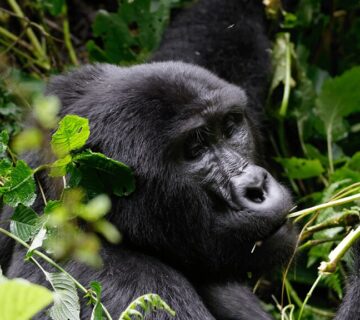
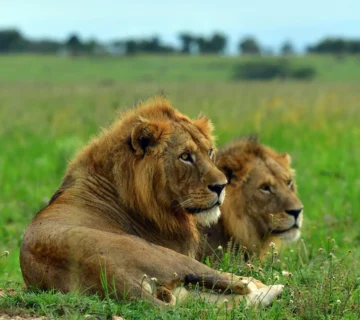
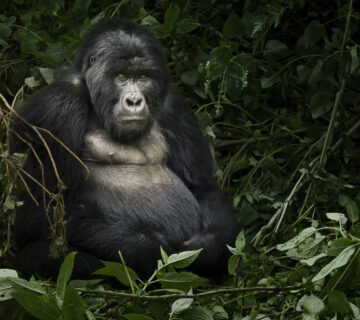
On one side, you have the dense, humid forests of Bwindi Impenetrable National Park, home to mountain gorillas and steep jungle terrain. On the other, you have the vast plains of Masai Mara National Reserve, where lions, cheetahs, elephants, and wildebeest dominate the landscape in wide-open visibility.

This combination is not just geographically diverse—it is ecologically complementary. It allows travelers to experience two of Africa’s most iconic wildlife encounters in one continuous itinerary without repetition of experience type.

Why Combine Uganda and Kenya in One Safari

Two Completely Different Safari Worlds

Uganda is defined by forest-based primate tracking, especially mountain gorillas and chimpanzees, while Kenya is defined by classic savannah game viewing.

In Uganda, wildlife encounters are intimate, slow, and physically immersive. In Kenya, they are expansive, visual, and often dramatic over long distances.

Combining both creates a full spectrum safari experience: close-range forest encounters followed by wide-angle predator-prey dynamics.

Efficient Use of Regional Flight Networks

Modern East African aviation makes this combination practical. Flights typically route through hubs such as Nairobi and Entebbe, allowing smooth transitions between countries.

This reduces the need for long overland travel and keeps the focus on wildlife experiences rather than logistics.

Suggested 10–12 Day Structure Overview

A realistic combined itinerary typically runs between 10 and 12 days depending on pace, budget, and number of parks included.

The structure is usually divided into two phases: Uganda for primates and Kenya for savannah wildlife.

Uganda Segment: Gorilla and Forest Primates

Arrival and Transfer Into Gorilla Region

Most itineraries begin in Entebbe, Uganda’s main international gateway, followed by a transfer toward Bwindi.

Depending on routing, travelers may either drive or use domestic flights to reduce travel time.

Gorilla Trekking in Bwindi Impenetrable National Park

Bwindi Impenetrable National Park is the centerpiece of Uganda’s safari experience.

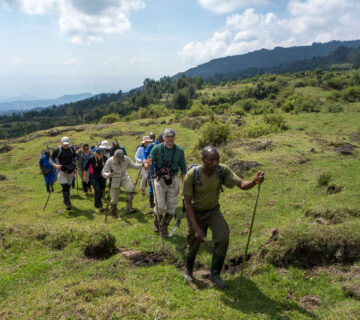
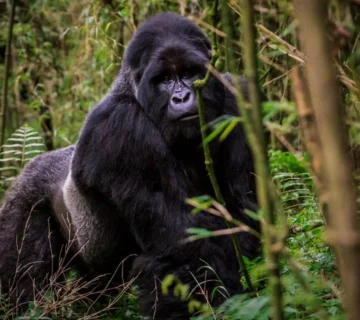
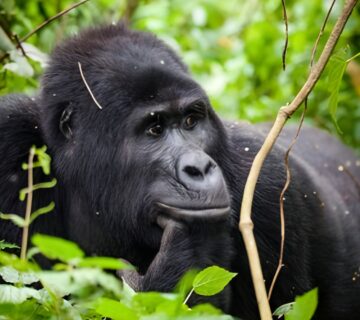
Gorilla trekking here involves hiking through dense, mountainous rainforest to locate a habituated gorilla family. Once found, visitors spend one hour observing social behavior, feeding patterns, and family interaction.

The terrain is steep and forested, making this one of the most physically engaging wildlife experiences in Africa.

Optional Chimpanzee Tracking Extension

Many itineraries include a stop in Kibale National Park for chimpanzee tracking.

This adds a second primate experience with faster-paced forest movement, vocal tracking, and canopy-level sightings.

It creates a clear contrast between gorilla and chimpanzee behavior before moving into savannah ecosystems.

Transition From Uganda to Kenya

Flight Routing Strategy

The most efficient way to transition between countries is via Entebbe to Nairobi flights. Nairobi serves as the main aviation hub for East Africa and connects directly to safari airstrips and domestic routes.

This transition is typically structured to minimize downtime and align arrival with Kenya’s safari circuits.

Shift in Ecosystems

This is where the safari experience changes dramatically.

Uganda is forest-heavy, humid, and terrain-focused. Kenya becomes open, dry, and visibility-driven almost immediately upon arrival in safari regions.

Kenya Segment: Masai Mara Safari Experience

Arrival Into the Savannah System

From Nairobi, travelers typically continue by road or light aircraft into the Masai Mara region.

Masai Mara National Reserve is part of the greater Serengeti ecosystem and is one of the most wildlife-dense savannah environments in Africa.

Game Drives and Predator Action

The Masai Mara is best known for high concentrations of predators, particularly lions, cheetahs, and hyenas.

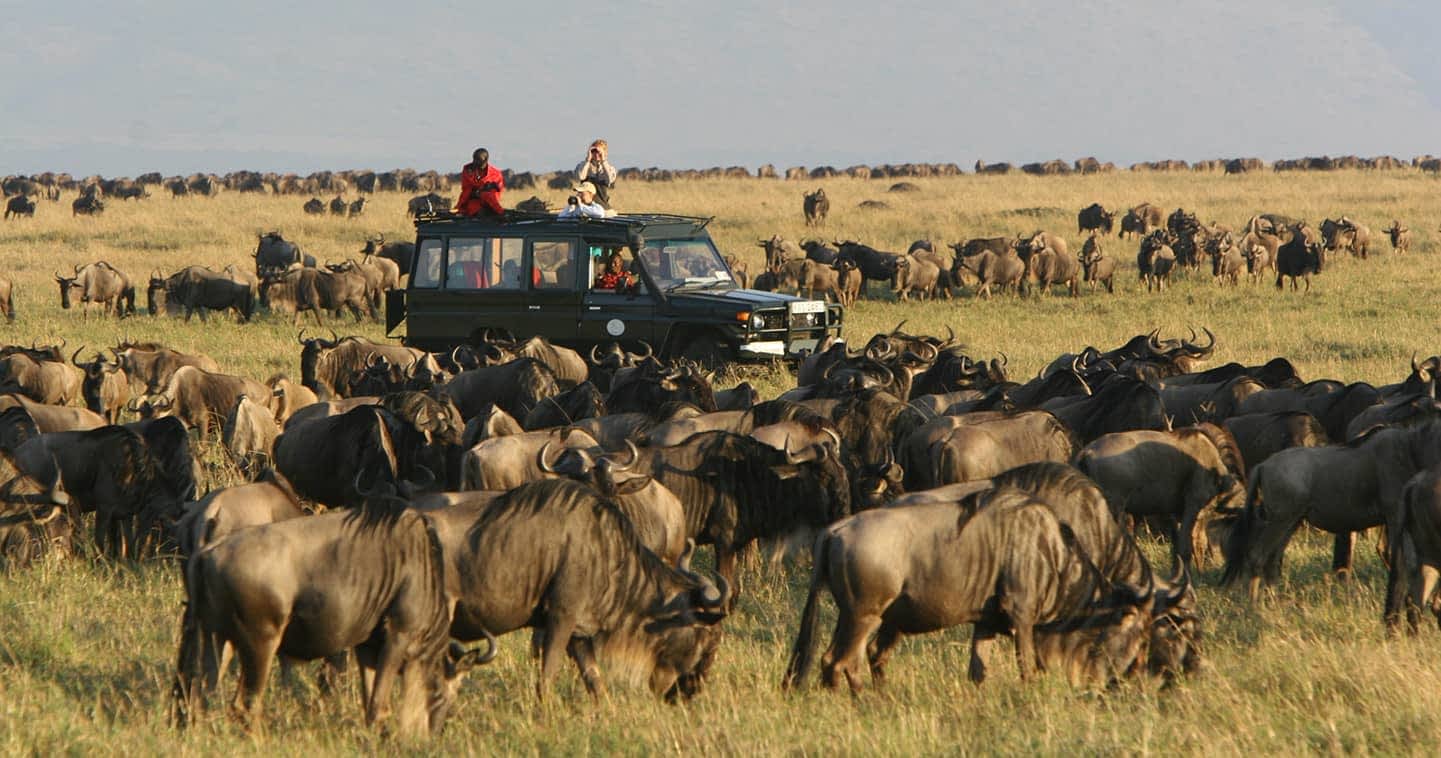
Game drives here are structured around open plains where wildlife is highly visible and interactions between species are frequent.

Unlike Uganda’s forest tracking, the Masai Mara emphasizes distance viewing and large-scale animal movement.

Seasonal Migration Dynamics

During migration periods, the Masai Mara becomes a focal point for massive herds of wildebeest and zebra moving across the ecosystem.

This creates dynamic predator-prey interactions that are rarely seen at the same scale elsewhere in Africa.

Key Differences Between Uganda and Kenya Experiences

Viewing Distance and Visibility

In Uganda, wildlife is often close but hidden within dense vegetation. In Kenya, wildlife is visible across long distances in open landscapes.

This creates two completely different visual experiences within a single itinerary.

Physical Effort vs Vehicle-Based Viewing

Uganda requires physical trekking, especially for gorillas, where hiking is essential to reach wildlife.

Kenya is primarily vehicle-based, with minimal physical exertion during game drives.

Emotional Experience

Uganda delivers immersive, quiet, close-range encounters with primates.

Kenya delivers dramatic, wide-angle wildlife scenes often involving predator interactions and large herds.

Accommodation Structure Across Both Countries

Uganda Lodges

In Uganda, lodges near Bwindi Impenetrable National Park and Kibale National Park are typically forest-integrated properties designed for proximity to trekking start points.

These lodges focus on immersion, tranquility, and early access to park briefing centers.

Kenya Safari Camps

In Kenya, accommodation in the Masai Mara is often tented safari camps or luxury lodges positioned within or near wildlife corridors.

These camps prioritize game drive access, open landscape views, and proximity to predator territories.

Logistics and Permit Coordination

Gorilla Permit Requirement

Uganda requires a pre-booked gorilla trekking permit for Bwindi Impenetrable National Park, which is a fixed conservation fee and must be secured in advance.

This is one of the most important planning elements in the entire itinerary.

Cross-Border Coordination

Combining Uganda and Kenya requires careful coordination of visas, flights, and park schedules.

Timing is particularly important because gorilla trekking dates are fixed and determine the structure of the Uganda segment.

Who This Combined Safari Is Best For

This itinerary is best suited for travelers who want both primate immersion and classic safari viewing without choosing between them.

It is particularly strong for:

Wildlife photographers seeking varied environments
Travelers on a once-in-a-lifetime Africa trip
Visitors wanting both forest and savannah ecosystems
Safari enthusiasts looking for contrast in wildlife behavior

Why This Combination Works So Well

The strength of a Uganda–Kenya safari lies in contrast.

Uganda provides depth, intimacy, and physical engagement with primates in dense forest environments.

Kenya provides scale, visibility, and dramatic wildlife interactions in open plains.

Together, they create a complete ecological narrative that covers both ends of the African safari spectrum.

Combined Itinerary

In practical safari planning terms, this combination is highly efficient because it uses regional aviation hubs to avoid unnecessary overland travel.

It also ensures that each country is used for its strongest safari offering rather than duplicating similar experiences.

Uganda delivers primates and forest immersion. Kenya delivers savannah predators and large-scale wildlife movement.

The result is a balanced itinerary where every day offers a distinct type of wildlife experience rather than repetition.

Start Planning Your Next Trip To Africa

If you can picture yourself in one—or several—of these exceptional retreats, the next move is simple. We design fully tailored African safaris that bring these experiences together seamlessly, from private gorilla encounters to luxury lodges in the heart of the wild.

Every detail is carefully planned, so your journey feels effortless from start to finish. Reach out in whichever way suits you best, and let’s begin crafting your safari.

Start Planning
Comments are disabled