How Many Days Do You Really Need for a Uganda Safari? A Park-by-Park Guide
Uganda is not a single-park safari destination. It is a multi-ecosystem country where rainforest, savannah, wetlands, and mountain terrain are spread across significant distances. The question of how many days you need is not just about ticking off parks—it is about how efficiently you move between them, how much time you spend in each ecosystem, and how deeply you engage with the experiences that define Uganda.
A rushed itinerary often results in long hours on the road and limited wildlife immersion, while a well-paced safari allows each park to deliver its full value. The realistic answer depends on which parks you include and whether your priority is primates, classic game viewing, or a combination of both.
Understanding Uganda’s Travel Reality Before You Plan Days
Uganda’s safari structure is shaped by geography. Key destinations such as Bwindi Impenetrable National Park, Queen Elizabeth National Park, Kibale National Park, and Murchison Falls National Park are not located close to each other in the way some East African circuits are.
Road transfers can take between 5 to 10 hours depending on the route, and even shorter distances can feel longer due to terrain and road conditions. This means that every park you add increases not only activity time but also transit time.
Any realistic safari duration must therefore balance time in the vehicle with time in the field.
Minimum Viable Safari: 3 to 4 Days
Focus: Gorilla Trekking Only
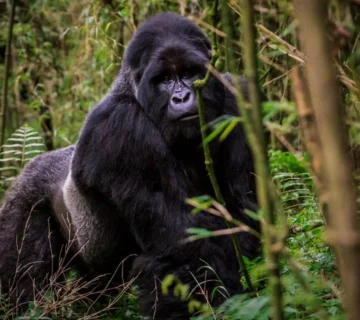
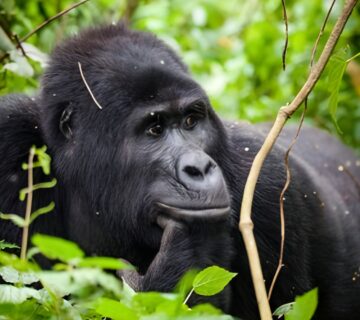
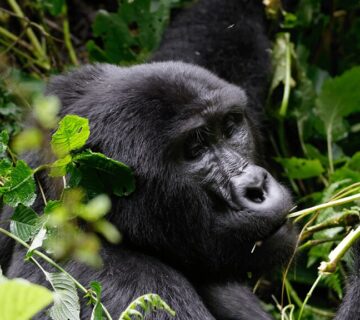
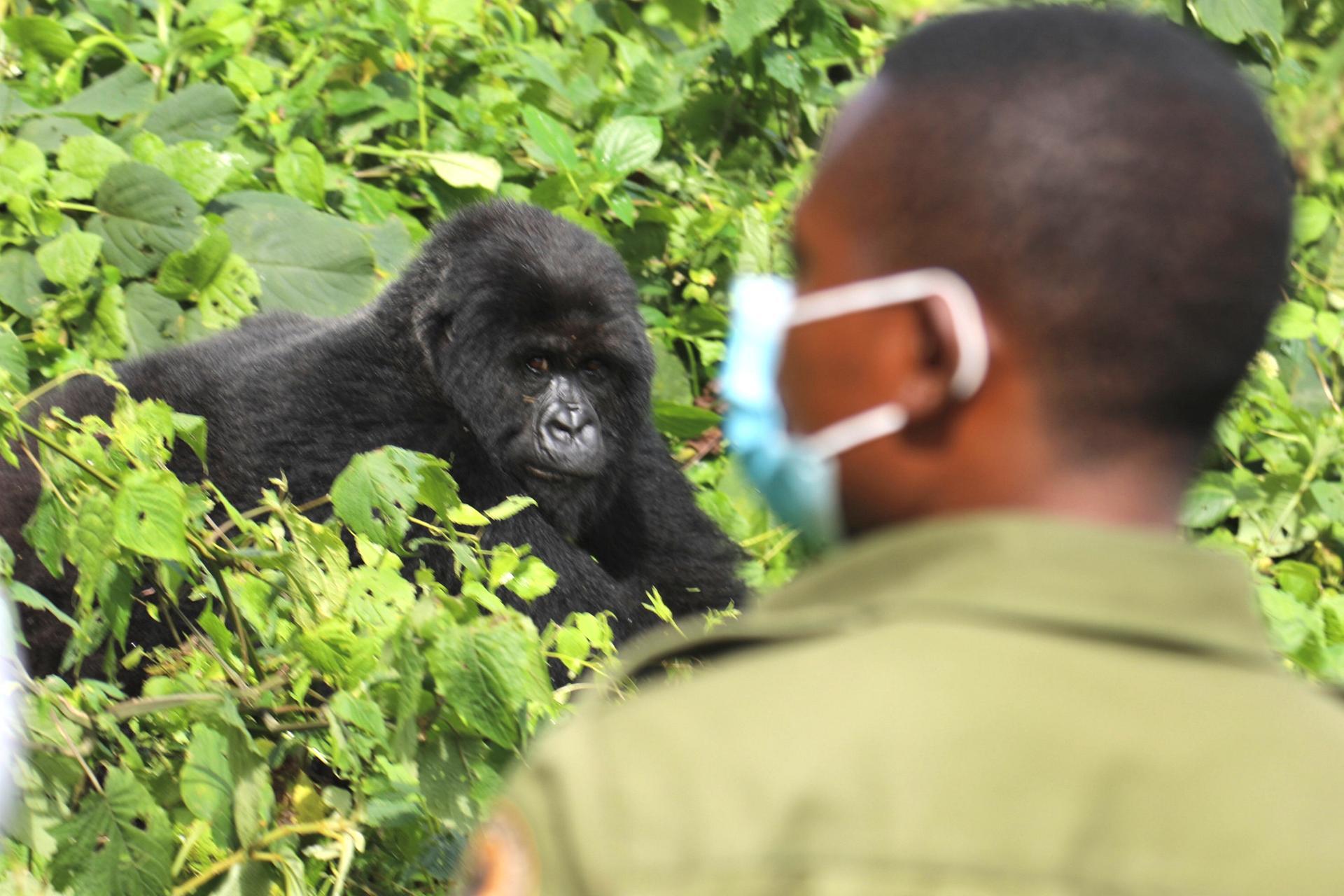
A 3 to 4 day safari is the absolute minimum and is typically centered on gorilla trekking in Bwindi Impenetrable National Park.
Day one involves travel from Entebbe to Bwindi, which is often a full-day journey unless you opt for a domestic flight. Day two is dedicated to the gorilla trek itself. Day three or four is used for the return journey.
This itinerary works if your sole objective is to see mountain gorillas, but it is limited in scope. You will experience one ecosystem and one major activity.
Short Multi-Experience Safari: 5 to 6 Days
Focus: Gorillas + Savannah Wildlife
A 5 to 6 day itinerary allows you to combine gorilla trekking with savannah wildlife viewing, usually in Queen Elizabeth National Park.
This structure typically includes:
Travel from Entebbe to Queen Elizabeth National Park
Game drives and possibly a Kazinga Channel boat safari
Transfer to Bwindi for gorilla trekking
Return journey or domestic flight
This is the shortest itinerary that begins to feel like a complete Uganda safari, combining forest and savannah experiences.
However, it still involves tight scheduling and long travel days.
Balanced Safari: 7 to 8 Days
Focus: Gorillas + Chimpanzees + Savannah
A 7 to 8 day safari is where Uganda begins to reveal its full value.
This duration allows you to include:
Chimpanzee tracking in Kibale National Park
Game drives and boat safari in Queen Elizabeth National Park
Gorilla trekking in Bwindi Impenetrable National Park
The pacing becomes more manageable, with at least two nights in key locations and enough time to experience each ecosystem properly.
This is often considered the ideal minimum duration for a well-rounded Uganda safari.
Comprehensive Safari: 9 to 12 Days
Focus: Full Uganda Circuit
A 9 to 12 day itinerary allows you to include the northern safari circuit alongside the southwestern parks.
This typically includes:
Murchison Falls National Park for game drives and Nile River experiences
Kibale National Park for chimpanzee tracking
Queen Elizabeth National Park for savannah wildlife and boat safari
Bwindi Impenetrable National Park for gorilla trekking
This structure provides a complete cross-section of Uganda’s ecosystems and wildlife.
Travel days are still significant, but the itinerary allows for better spacing and reduced fatigue.
Extended Safari: 12+ Days
Focus: Depth and Flexibility
An extended safari of 12 days or more allows for deeper exploration and flexibility.
You can:
Spend additional nights in each park
Include less-visited areas
Add cultural experiences
Incorporate rest days between long drives
This duration is particularly valuable for photographers, birders, or travelers who want to move at a slower pace.
Park-by-Park Time Requirements
Bwindi Impenetrable National Park
Bwindi requires at least 2 to 3 nights.
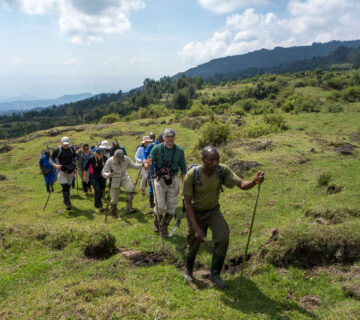
One full day is needed for gorilla trekking, and additional time allows for recovery, secondary treks, or community experiences.
Because of its remote location, travel time must also be factored in.
Queen Elizabeth National Park
Queen Elizabeth National Park works best with 2 to 3 nights.
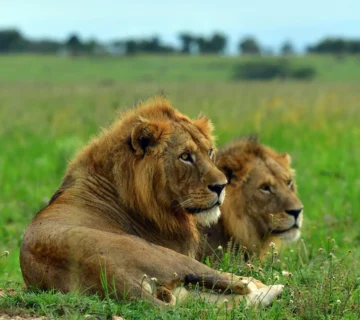
This allows for multiple game drives and a Kazinga Channel boat safari, which together provide a balanced wildlife experience.
Including the Ishasha sector may require additional time due to distance within the park.
Kibale National Park
Kibale typically requires 2 nights.
Chimpanzee tracking is usually done in a half-day session, but additional time allows for forest walks or birding.
The park is often used as a transition point between other destinations.
Murchison Falls National Park
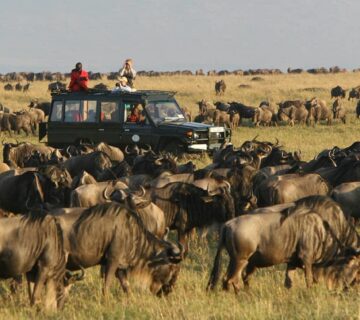
Murchison Falls National Park requires at least 2 to 3 nights.
This allows for game drives, a Nile boat safari, and exploration of the falls themselves.
Because it is located in northern Uganda, it is often combined with Ziwa Rhino Sanctuary for a Big Five itinerary.
The Role of Domestic Flights in Reducing Days
Domestic flights can significantly reduce travel time between parks.
For example, flying between Entebbe and Bwindi or Murchison Falls can save a full day of driving.
This allows you to maintain a shorter itinerary while still covering multiple destinations.
However, flights increase overall cost and may limit flexibility in scheduling.
Why Short Safaris Often Feel Rushed
Short itineraries compress long travel distances into limited timeframes.
This results in:
Early departures and late arrivals
Reduced time in parks
Limited flexibility for wildlife viewing
While it is possible to see key highlights in a short period, the experience can feel more logistical than immersive.
Matching Safari Length to Travel Goals
The number of days you need depends on your priorities.
If your focus is purely gorillas, a short itinerary is sufficient.
If you want a broader wildlife experience including chimpanzees and savannah species, you need at least a week.
If you want to experience Uganda as a complete safari destination, including multiple ecosystems and regions, you need 9 to 12 days or more.
Safari Duration in Uganda
In practical terms, Uganda rewards time. The more days you allocate, the more the experience shifts from transit-heavy to experience-rich.
Unlike destinations where wildlife is concentrated in a single ecosystem, Uganda’s strength lies in its diversity, which requires movement between regions.
A well-planned safari is not about visiting as many parks as possible, but about allowing each park enough time to deliver its unique experience.
The ideal duration is therefore not fixed—it is determined by how much of Uganda’s ecological range you want to experience and how comfortably you want to move through it.
Start Planning Your Next Trip To Africa
If you can picture yourself in one—or several—of these exceptional retreats, the next move is simple. We design fully tailored African safaris that bring these experiences together seamlessly, from private gorilla encounters to luxury lodges in the heart of the wild.
Every detail is carefully planned, so your journey feels effortless from start to finish. Reach out in whichever way suits you best, and let’s begin crafting your safari.
Start Planning