Uganda vs Rwanda for Gorilla Trekking: Which Is Better Value for Money?
Choosing between Uganda and Rwanda for gorilla trekking is one of the most important decisions in planning a primate safari in East Africa. Both destinations offer the same core experience—tracking endangered mountain gorillas in their natural forest habitat—but the cost, logistics, terrain, and overall travel structure are significantly different.
The debate is not about which country offers “better gorillas,” because the species and experience are fundamentally the same. The real question is value for money: how much you pay versus how much you experience in terms of time, comfort, accessibility, and itinerary flexibility.
The Core Price Difference: Gorilla Permits
The most direct comparison starts with the gorilla trekking permit, which is the mandatory entry cost for both countries.
In Uganda, a standard gorilla permit costs around USD 800 per person. In Rwanda, the permit costs around USD 1,500 per person.
This means Rwanda is almost double the price of Uganda for the exact same one-hour gorilla encounter in the forest.
This price gap is one of the main reasons Uganda is widely considered the more budget-friendly option for gorilla trekking, while Rwanda positions itself as a premium, high-end destination.
What You Actually Get for the Permit in Both Countries
Despite the price difference, the core gorilla trekking experience is very similar.
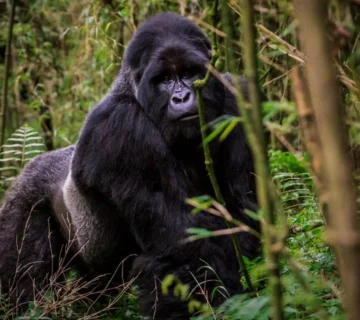
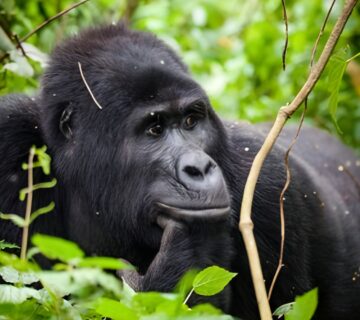
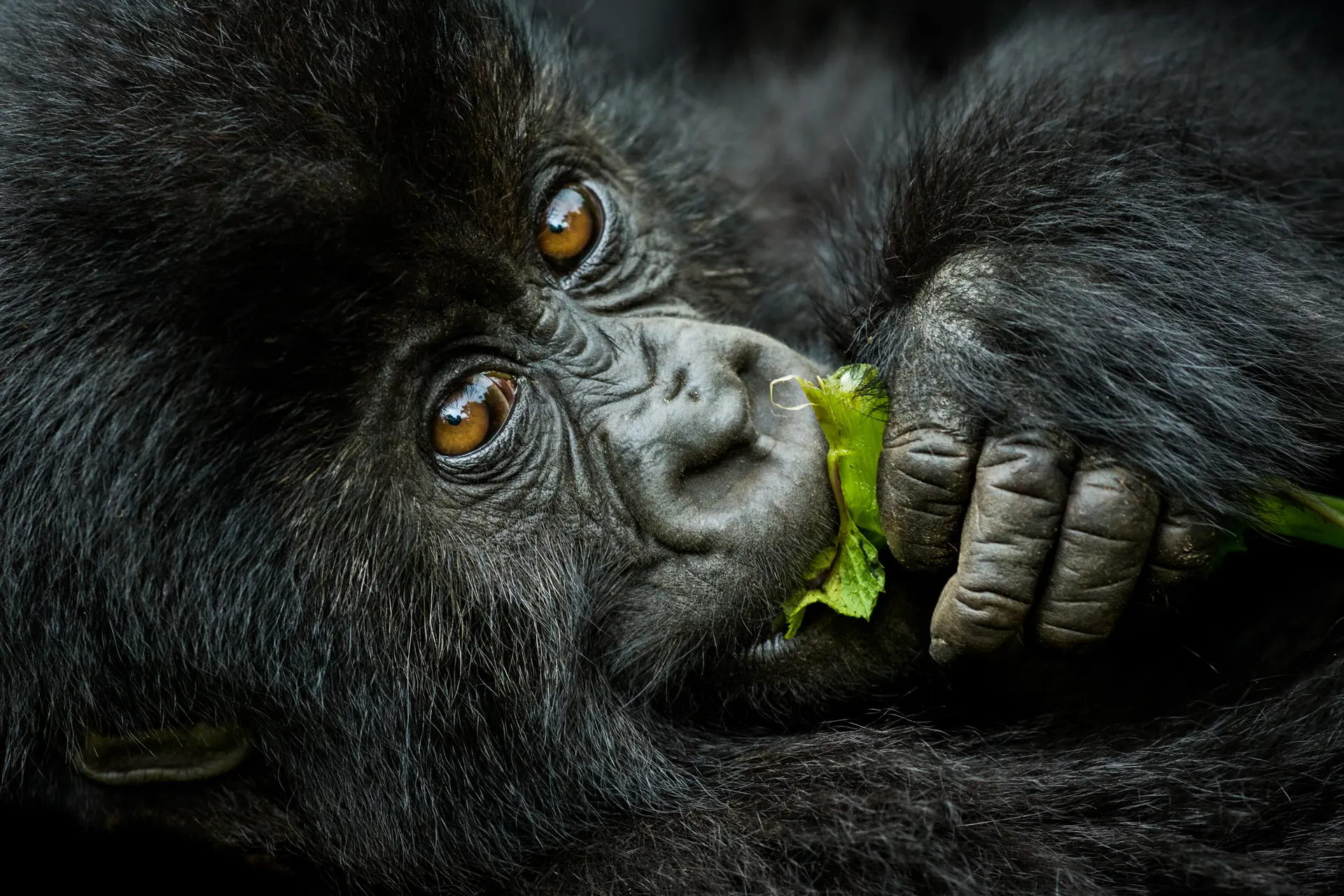
In both Uganda and Rwanda, the permit includes one hour with a habituated gorilla family, accompanied by trained guides and armed rangers. The rules are identical: strict distance control, limited group sizes, and regulated interaction designed to protect both visitors and gorillas.
The experience itself is not longer or more exclusive in Rwanda despite the higher price. Instead, Rwanda’s pricing reflects its positioning as a luxury-focused destination with shorter travel distances and more streamlined logistics.
Uganda’s pricing reflects broader accessibility and a more adventurous, extended safari model.
Uganda: Value Through Diversity and Extended Experience
Uganda’s strongest value proposition is not just the lower permit cost, but the diversity of safari experiences that can be combined into one itinerary.
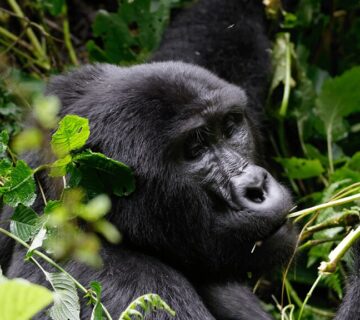
Most gorilla trekking takes place in Bwindi Impenetrable National Park, a dense montane rainforest known for its challenging terrain and high biodiversity.
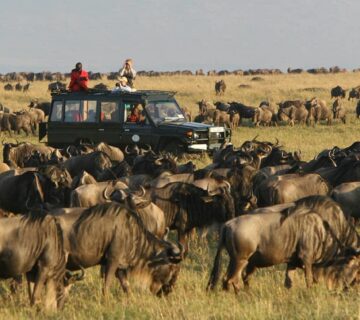
Uganda allows travelers to combine gorilla trekking with chimpanzee tracking, savannah game drives, boat safaris, and forest hikes within a single trip. This creates a multi-layered safari experience at a lower overall cost than Rwanda.
Because Uganda has more gorilla permits available daily and multiple trekking sectors, it also offers greater flexibility in planning.
Rwanda: Value Through Speed, Comfort, and Accessibility
Rwanda’s gorilla trekking is centered around Volcanoes National Park, which is significantly closer to the capital city Kigali. The drive from the airport to the park is relatively short, making Rwanda ideal for travelers with limited time.
This ease of access is one of Rwanda’s biggest advantages. A gorilla trek can be completed within a very short itinerary, sometimes in just two to three days including arrival and departure.
However, this convenience comes at a premium cost. Rwanda’s tourism model is intentionally positioned toward high-end, luxury travel, which explains the higher permit pricing.
The trade-off is simple: Rwanda offers speed and comfort, while Uganda offers affordability and extended safari depth.
Terrain and Trekking Experience Differences
The trekking environment itself also differs between the two countries, which affects perceived value.
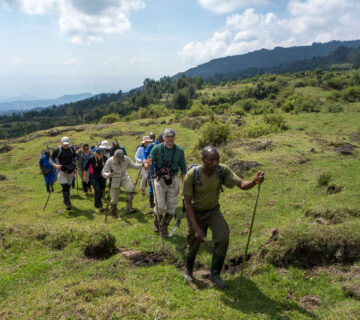
In Uganda, especially in Bwindi Impenetrable Forest, the terrain is steeper, denser, and more physically demanding. The forest is thick and often described as truly wild and immersive.
In Rwanda, the terrain in Volcanoes National Park is generally more open, with bamboo forest zones and volcanic slopes that can feel slightly less dense.
This means Uganda often delivers a more rugged adventure experience, while Rwanda offers a more streamlined and accessible hike.
Both experiences are rewarding, but they appeal to different travel styles.
Time Efficiency vs Cost Efficiency
One of the most important value comparisons is how much time you spend getting to the gorillas.
Rwanda is significantly more time-efficient. Travel from Kigali to the park takes only a few hours, making it ideal for short luxury breaks or business travelers combining safari with limited time.
Uganda requires longer road transfers, often 8 to 10 hours depending on the route. However, this longer journey allows travelers to experience additional landscapes, national parks, and cultural regions along the way.
This creates a trade-off between time efficiency and cost efficiency. Rwanda saves time; Uganda saves money and adds more safari depth.
Accommodation and Overall Safari Cost
Beyond permits, accommodation and transport also influence total safari cost.
Rwanda generally has higher-priced lodges and a stronger luxury tourism focus. Uganda offers a wider range of mid-range and budget-friendly options alongside luxury lodges.
Because Uganda permits are cheaper and itineraries are often longer, overall safari packages tend to be more affordable even when including additional destinations like Queen Elizabeth National Park or Kibale Forest.
Uganda therefore often delivers more total safari experiences per dollar spent.
Which Country Offers Better Wildlife Variety
Uganda clearly leads in overall wildlife variety beyond gorillas.
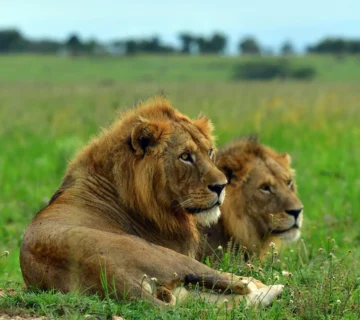
A single Uganda safari can include gorillas, chimpanzees, tree-climbing lions, boat safaris, and savannah game drives. Rwanda is more focused, with gorilla trekking as its main highlight and fewer extended wildlife circuits.
This means Uganda offers a broader safari portfolio, while Rwanda focuses on a more concentrated premium gorilla experience.
Real Field Value Comparison
When evaluated purely on value for money, Uganda offers more for the same or lower budget. Travelers get a lower permit cost, more diverse ecosystems, and longer safari itineraries.
Rwanda, on the other hand, offers convenience, shorter travel distances, and a more polished luxury safari structure, but at a significantly higher price point.
Both are high-quality experiences, but they serve different travel priorities.
Final Value Perspective
If the goal is maximizing safari variety, controlling budget, and experiencing a longer, more immersive East African journey, Uganda offers stronger overall value.
If the goal is minimizing travel time, maximizing convenience, and focusing on a short, high-end gorilla trekking experience, Rwanda delivers a more streamlined option at a premium cost.
The core decision is not about wildlife quality, but about how you value time, budget, and safari structure.
Start Planning Your Next Trip To Africa
If you can picture yourself in one—or several—of these exceptional retreats, the next move is simple. We design fully tailored African safaris that bring these experiences together seamlessly, from private gorilla encounters to luxury lodges in the heart of the wild.
Every detail is carefully planned, so your journey feels effortless from start to finish. Reach out in whichever way suits you best, and let’s begin crafting your safari.
Start Planning