Uganda Safari Packing List: What to Actually Bring for Gorilla Trekking and Game Drives
Packing for a Uganda safari is not a general travel exercise—it is a terrain-specific preparation strategy shaped by rainforest humidity, high-altitude trekking conditions, long game drives, and rapidly changing weather systems. Whether you are heading into Bwindi Impenetrable National Park for gorilla trekking or exploring savannah ecosystems like Queen Elizabeth National Park, what you pack directly affects comfort, mobility, and field performance.
Unlike city travel or beach holidays, Uganda safaris operate across mixed environments: dense forest, open savannah, crater landscapes, and riverine systems. This means your packing list must be functional, layered, and designed for adaptability rather than style.
Understanding Uganda’s Safari Environment Before Packing
Climate Variability Across Regions
Uganda does not follow a single weather pattern across its safari zones. Bwindi is humid and mountainous, Queen Elizabeth is hot and open, and Kibale is warm with dense forest moisture. This variation requires layered clothing systems rather than single-purpose outfits.
Rain can occur unexpectedly even in dry seasons, especially in forest regions.
Terrain Demands and Physical Movement
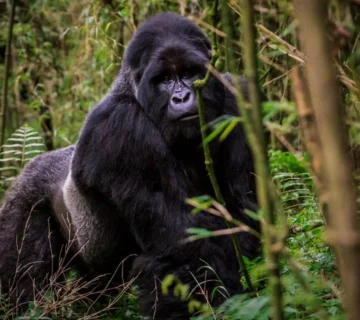
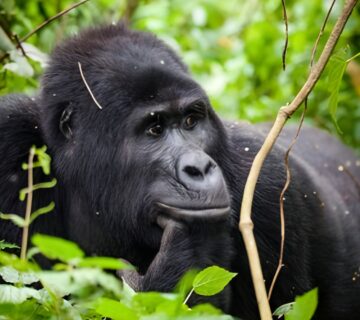
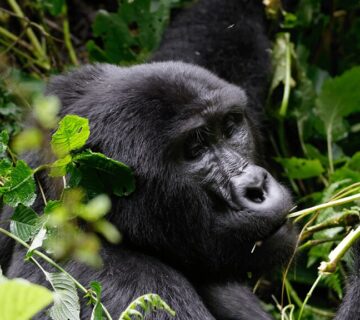
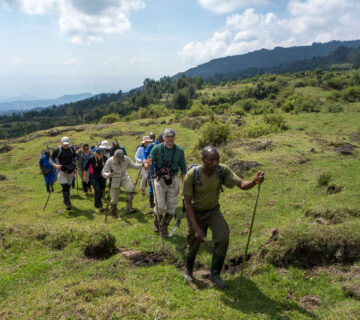
Gorilla trekking involves steep ascents, muddy trails, and dense vegetation. Game drives involve long seated hours in open-roof vehicles. Your packing must support both high-mobility trekking and long passive viewing periods.
Core Clothing System for Uganda Safaris
Neutral-Coloured Safari Clothing
Earth-toned clothing is essential for both gorilla trekking and game drives. Colours like green, brown, khaki, and grey blend into natural environments and reduce wildlife disturbance.
Bright colours are discouraged in forest trekking zones.
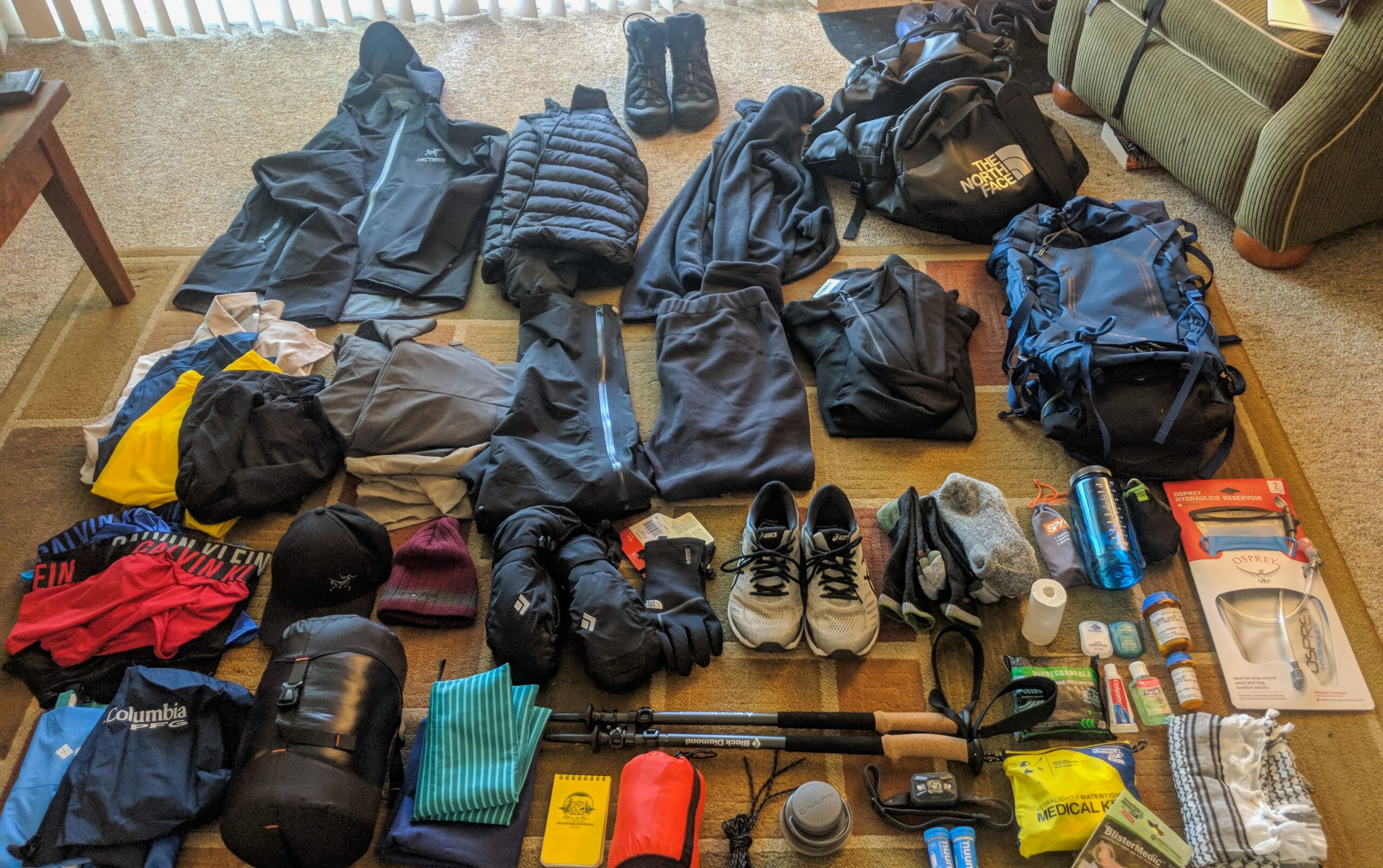
Layering Strategy for Temperature Shifts
Early mornings in highland forests can be cold, while midday game drives can become hot. A layered system is essential:
- Lightweight base layer for movement
- Mid-layer for insulation during early mornings
- Outer layer for rain and wind protection
Long-Sleeved Shirts and Trousers
Long sleeves and trousers are essential for gorilla trekking in Bwindi due to vegetation density, insect exposure, and terrain protection. They also reduce scratches from forest undergrowth.
Footwear Requirements for Gorilla Trekking and Safaris
High-Grip Hiking Boots
For gorilla trekking, waterproof hiking boots with strong ankle support are essential. Bwindi’s terrain is steep, muddy, and uneven, especially after rainfall.
Good grip is more important than style or weight.
Lightweight Safari Shoes for Game Drives
For vehicle-based safaris, lighter walking shoes or trail sneakers are sufficient. These are useful during lodge stays and short walking sections.
Rain and Weather Protection Gear
Waterproof Jacket or Poncho
Rain is unpredictable in Uganda’s forest zones. A lightweight waterproof jacket is essential for both gorilla trekking and game drives.
This is especially important in Bwindi where rainfall can occur even during dry months.
Rain Cover for Backpack
A waterproof backpack cover protects electronics, documents, and clothing during sudden downpours in forest environments.
Essential Gorilla Trekking Gear
Garden Gloves for Vegetation Handling
Gorilla trekking involves holding onto vines and vegetation while climbing steep slopes. Lightweight gardening gloves protect hands from thorns and rough bark.
Walking Stick (Often Provided Locally)
Walking sticks are usually provided at trekking briefing points, but some travelers prefer adjustable personal trekking poles for stability.
Small Daypack
A lightweight backpack is necessary for carrying water, snacks, rain gear, and personal items during the trek.
Safari Game Drive Essentials
Binoculars for Wildlife Viewing
A good pair of binoculars significantly improves game drive experience in open savannah areas like Queen Elizabeth National Park. Wildlife is often observed at distance.
Camera or Smartphone with Zoom Capability
Photography in Uganda safaris benefits from zoom capability due to distance between vehicles and wildlife. A dust-resistant camera bag is also recommended.
Sun Protection Gear
Game drives involve prolonged sun exposure. Essential items include:
- Wide-brim hat or cap
- Sunglasses with UV protection
- High-SPF sunscreen
Health and Safety Packing Requirements
Insect Repellent
Tsetse flies and mosquitoes are present in some safari regions. A strong insect repellent is essential, especially in lowland savannah and forest edges.
Basic First Aid Kit
A small personal kit should include:
- Pain relief medication
- Antiseptic wipes
- Blister treatment patches
- Personal prescription medication
Hand Sanitizer and Wet Wipes
Field conditions often involve dust, soil, and limited washing points during trekking. Sanitizing items are essential for hygiene management.
Electronic and Travel Utility Items
Power Bank for Remote Areas
Charging access may be limited in remote lodges or during long game drives. A high-capacity power bank ensures device continuity.
Universal Travel Adapter
Uganda uses Type G sockets, so a universal adapter is required for international travelers.
Dry Bags for Electronics
Humidity and rain exposure make waterproof storage essential for phones, cameras, and documents.
Documentation and Permit Essentials
Passport and Visa Documentation
All international travelers must carry valid passports and relevant visa documents for entry into Uganda.
Gorilla and Chimpanzee Permits
Permits are mandatory for trekking experiences in Bwindi and Kibale regions. These are checked at briefing points before forest entry.
Specialized Packing for Bwindi Gorilla Trekking
High-Fat Energy Snacks
Gorilla trekking can last several hours depending on gorilla location. Energy-dense snacks help maintain stamina during steep climbs.
Hydration System or Water Bottles
Hydration is critical due to altitude changes and physical exertion in Bwindi Impenetrable Forest.
Lightweight Rain Gear Always Packed
Even during dry seasons, Bwindi weather can shift quickly. Rain protection should always be carried during trekking.
Packing for Game Drives in Uganda Parks
Layer Adjustments for Early Morning Drives
Morning game drives can be cold in open vehicles, especially in parks like Queen Elizabeth National Park and Murchison Falls National Park.
Warm Layer for Sunrise Drives
A fleece or light jacket is useful for early departures when temperatures are lower.
What Most Travelers Forget
Dust Protection for Electronics
Uganda’s safari roads can be dusty during dry seasons. Camera lenses and phone screens require protection.
Extra Plastic Bags for Wet Clothing
After rain or trekking, wet clothing storage becomes important, especially during multi-day safari circuits.
Small Cash for Local Purchases
Some rural areas near safari parks may not support card payments, making small cash reserves useful.
Field Reality of Safari Packing in Uganda
Packing for Uganda safaris is ultimately about environmental adaptability. The same trip may include humid rainforest trekking in Bwindi Impenetrable National Park in the morning and hot savannah game drives in Queen Elizabeth National Park in the afternoon.
This dual-environment structure requires a flexible, layered, and function-first packing approach. Comfort is achieved not through excess items, but through selecting gear that performs across multiple ecosystems without failure under rain, heat, mud, or long-distance travel conditions.
Start Planning Your Next Trip To Africa
If you can picture yourself in one—or several—of these exceptional retreats, the next move is simple. We design fully tailored African safaris that bring these experiences together seamlessly, from private gorilla encounters to luxury lodges in the heart of the wild.
Every detail is carefully planned, so your journey feels effortless from start to finish. Reach out in whichever way suits you best, and let’s begin crafting your safari.
Start Planning