When Do Uganda’s Baby Gorillas Appear? A Seasonal Guide for Wildlife Watchers
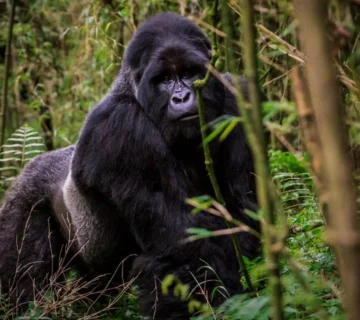
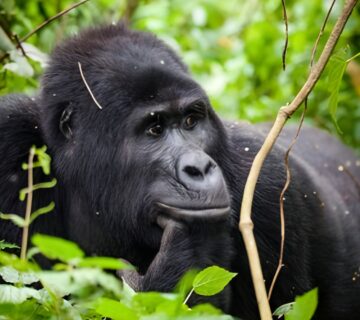
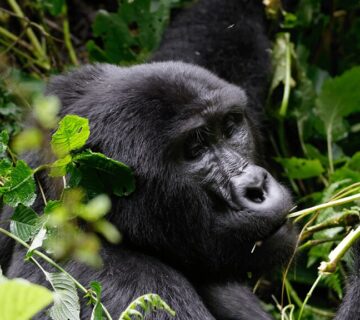
Uganda gorilla baby season is one of the most misunderstood and frequently misrepresented topics in primate tourism planning, largely because most wildlife resources simplify gorilla reproduction into a generic, year-round occurrence without explaining timing patterns, ecological influences, or observational probabilities. In reality, mountain gorilla births in Uganda do not follow a strict seasonal cycle, but their visibility, observation likelihood, and behavioural context are strongly influenced by environmental conditions across ecosystems such as Bwindi Impenetrable National Park and Mgahinga Gorilla National Park.
Understanding when Uganda’s baby gorillas appear requires separating biological reproduction cycles from tourism visibility cycles. Births occur throughout the year, but what visitors experience in the forest is shaped by gorilla group movement, trekking conditions, vegetation density, and infant developmental stages.
Gorilla Birth Patterns and Why There Is No Fixed Season
Continuous Reproduction Cycle in Mountain Gorillas
Mountain gorillas do not follow a seasonal breeding calendar. Female gorillas can give birth at any time of the year depending on reproductive readiness, social stability, and group dynamics. This results in a continuous but staggered birth distribution across gorilla populations.
In Uganda gorilla baby season discussions, this is the most critical correction: there is no synchronized birth period like some savannah herbivores or migratory bird species.
Long Gestation and Low Birth Frequency
Mountain gorillas have a long gestation period of approximately eight and a half months, and females typically give birth once every four to six years. This slow reproductive rate means that baby gorillas are always present somewhere in the population, but never concentrated into a visible seasonal cluster.
This biological structure ensures population stability but limits predictability for “baby viewing seasons.”
Why Visitors Perceive Seasonal Baby Gorilla Patterns
Visibility Bias During Dry Trekking Conditions
Although births are year-round, visitors often report seeing more baby gorillas during certain months. This is not due to increased births but improved visibility conditions during trekking.
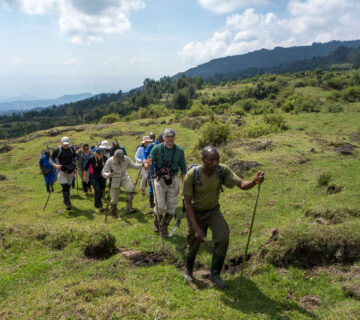
During drier trekking periods in Bwindi Impenetrable Forest, vegetation is slightly less dense, trails are more accessible, and tracking time is reduced. This increases the likelihood of reaching gorilla groups during active social periods where infants are more visible.
Behavioural Activity Windows
Baby gorillas are most observable during feeding, resting, and play phases. These activities are influenced by weather conditions and group movement patterns rather than birth timing.
In ecosystems like Bwindi Impenetrable National Park, gorilla groups often adjust feeding intensity based on rainfall cycles, which indirectly affects how often infants are seen interacting.
Infant Gorilla Development Stages and Visibility
Newborn Stage (0–3 Months)
Newborn gorillas remain in constant physical contact with their mothers. During this stage, visibility is limited because infants are typically carried and shielded within dense fur or maternal positioning.
This stage is the least likely for tourists to observe clearly, especially in dense forest conditions.
Early Exploration Stage (3–9 Months)
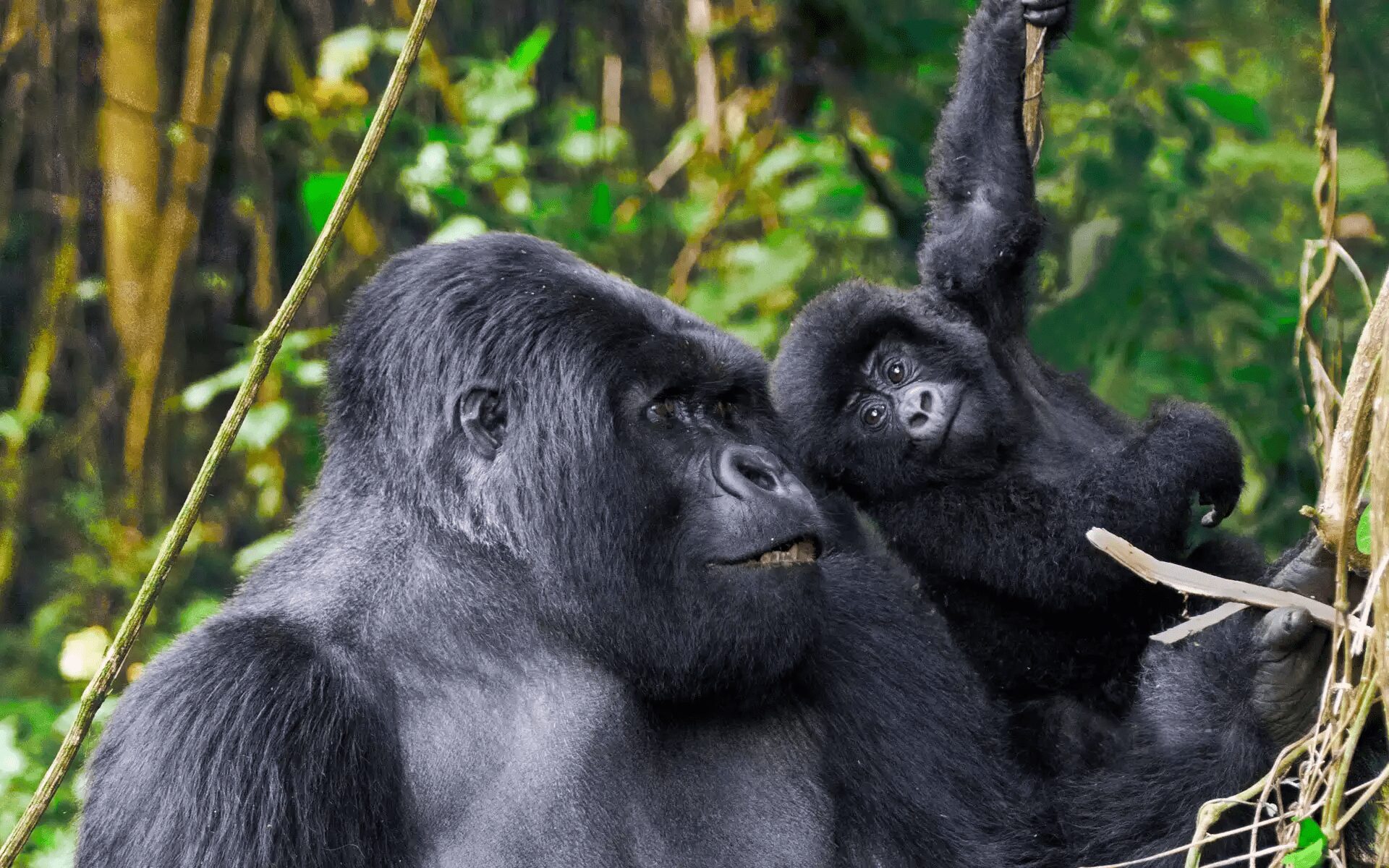
At this stage, infants begin to separate briefly from their mothers and explore nearby vegetation or group members. This is when most “baby gorilla sightings” occur during trekking experiences.
Play behaviour begins to emerge, including short climbing attempts and interaction with juveniles.
Juvenile Transition Stage (9 Months–3 Years)
Juvenile gorillas become highly active, engaging in play, imitation, and social exploration. This is the most visually engaging stage for visitors because movement is frequent and behaviour is expressive.
In Uganda gorilla baby season observations, this stage is often mistaken for “peak baby season” due to high visibility, even though it is unrelated to birth timing.
Seasonal Trekking Conditions and Baby Gorilla Sightings
Rainy Season Trekking Context
During wetter months in Bwindi Impenetrable National Park, trekking conditions become more physically demanding due to mud, reduced trail stability, and dense vegetation.
However, gorilla groups often feed more actively during or after rainfall, which can increase infant interaction visibility within groups once they are located.
The challenge is not absence of baby gorillas but reduced tracking efficiency and slower access to groups.
Dry Season Trekking Context
During drier periods, trekking efficiency improves significantly. Trails are more stable, search times are often shorter, and visibility within forest clearings improves.
This increases the probability of observing gorilla families during calm behavioural phases such as feeding or resting, where infants are more likely to be visible.
Social Structure Influence on Infant Visibility
Silverback Positioning and Infant Protection
The silverback plays a protective role in regulating group movement and infant safety. In stable groups, infants are often kept within central positions during movement phases, reducing visibility during trekking.
However, during resting or feeding phases, infants may spread out slightly, increasing observation opportunities.
Maternal Behavioural Strategies
Mother gorillas regulate infant exposure based on perceived environmental safety. In more open or stable conditions, infants may be more visible and socially active. In denser or more alert environments, they remain closely attached.
This behavioural adjustment affects how often visitors perceive “baby gorilla activity.”
Gorilla Group Dynamics and Infant Interaction
Role of Juveniles in Baby Socialisation
Juvenile gorillas play a key role in infant development. They initiate play interactions, which are among the most visually dynamic behaviours observed during trekking.
These interactions include climbing assistance, mock wrestling, and shared feeding exploration.
Alloparenting Behaviour
In gorilla societies, non-maternal care (alloparenting) is common. Adult females and even some juveniles may interact with infants in protective or playful ways.
This increases the range of infant visibility across group members, making sightings more dynamic and distributed.
Habitat Influence on Baby Gorilla Observation
Bwindi Impenetrable Forest Density Effects
In Bwindi Impenetrable Forest, vegetation density directly influences visibility. Thick undergrowth can obscure infants even when they are present within a few meters.
However, forest openings, feeding clearings, and ridge-line rest areas significantly improve observation chances.
Mgahinga Forest Elevation Variation
In Mgahinga Gorilla National Park, elevation gradients create slightly different vegetation structures, which can affect how often infants are visible during trekking.
Higher bamboo zones often provide clearer sightlines compared to lower dense forest sections.
Tracking Logistics and Baby Gorilla Encounter Probability
Search Time and Encounter Duration
The probability of seeing baby gorillas is strongly influenced by how quickly a gorilla group is located. Shorter search times often result in longer observation windows, increasing infant interaction visibility.
Conversely, longer tracking times may reduce stationary observation duration, limiting detailed behavioural viewing.
Group Location Stability
Some gorilla groups remain in more predictable zones depending on seasonal feeding patterns. These stable locations indirectly improve infant observation frequency for trekking groups assigned to those families.
Misconceptions About Uganda Gorilla Baby Season
Misinterpretation of Seasonal Birth Cycles
One of the most common misconceptions is that Uganda gorilla baby season occurs at a specific time of year. This is incorrect biologically, as reproduction is not seasonally synchronized.
Confusion Between Visibility and Birth Rate
Many travellers confuse increased visibility of juveniles during dry trekking conditions with actual increases in birth frequency. In reality, birth rates remain constant year-round.
Overemphasis on Tourism Seasonality Models
Standard safari season charts focus on weather and accessibility, not biological reproduction cycles. This creates misleading assumptions about “best baby gorilla viewing months.”
Field Reality of Observing Baby Gorillas in Uganda
Behaviour-Driven Observation, Not Calendar-Based Prediction
Baby gorilla sightings are determined by behavioural conditions rather than seasonal timing. Feeding patterns, resting cycles, and group movement all influence visibility more than calendar months.
Unpredictability as a Core Feature
Even under ideal trekking conditions, infant visibility cannot be guaranteed. Gorillas decide movement and positioning based on internal group dynamics rather than tourist expectations.
Role of Guide Interpretation
Experienced guides significantly influence observation success by interpreting gorilla movement patterns, predicting resting zones, and identifying likely infant activity areas.
Uganda Gorilla Baby Season as an Experience System
Uganda gorilla baby season is not a biological event tied to specific months but a perception shaped by trekking conditions, group behaviour, and environmental visibility. Baby gorillas are present throughout the year across Uganda’s mountain gorilla populations, but their visibility depends on how forest conditions, altitude, and group dynamics align during each trek.
In ecosystems like Bwindi Impenetrable National Park, the experience of seeing baby gorillas is less about timing and more about interaction with a continuously active and socially complex primate system operating within a dense and dynamic rainforest environment.
Start Planning Your Next Trip To Africa
If you can picture yourself in one—or several—of these exceptional retreats, the next move is simple. We design fully tailored African safaris that bring these experiences together seamlessly, from private gorilla encounters to luxury lodges in the heart of the wild.
Every detail is carefully planned, so your journey feels effortless from start to finish. Reach out in whichever way suits you best, and let’s begin crafting your safari.
Start Planning