Uganda’s Dry Season Explained: What June to August Really Looks Like on Safari
The Myth vs the Reality
When people hear “dry season” in Uganda, they often imagine endless sunshine, dusty plains, and predictable safari conditions. The reality is more nuanced. Uganda’s June to August period is indeed the most reliable window for travel, but it is not a desert-like dry spell. Instead, it is a transitional phase defined by reduced rainfall, improved accessibility, and subtle environmental changes rather than extreme dryness.
Understanding what this season actually looks and feels like is critical for planning a safari that meets expectations. Whether you are heading to Bwindi Impenetrable National Park for gorilla trekking or exploring savannah parks like Queen Elizabeth National Park, the dry season shapes everything from wildlife visibility to travel logistics.
Climate Overview: “Dry” Doesn’t Mean Rain-Free
Uganda sits on the equator, which means its climate is governed more by rainfall patterns than temperature extremes. During June to August, rainfall decreases significantly compared to the long rains of March to May, but it does not disappear entirely.
You should expect:
Intermittent showers, especially in forested regions
Cooler mornings and evenings
Comfortable daytime temperatures rather than intense heat
In places like Bwindi, light rain can still occur even during the dry season because of the dense rainforest environment. However, these showers are usually short and less disruptive than in wetter months.
Road and Travel Conditions: The Biggest Advantage
One of the most important benefits of the dry season is improved road conditions. Many safari routes in Uganda are on dirt or murram roads, which can become muddy and difficult during heavy rains.
From June to August:
Roads are firmer and easier to navigate
Travel times are more predictable
Remote areas become more accessible
This is particularly important when moving between destinations such as Murchison Falls National Park and Queen Elizabeth National Park, where long drives are part of the itinerary.
Better road conditions reduce fatigue and allow for smoother logistics across multi-day safaris.
Gorilla Trekking Conditions: Easier, Not Easy
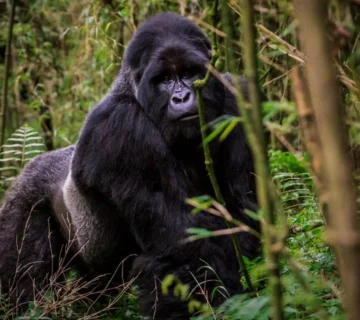
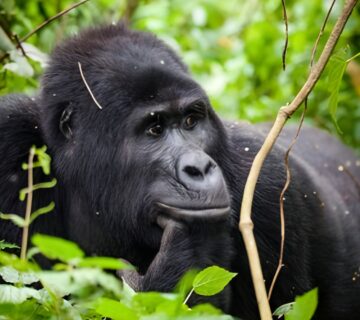
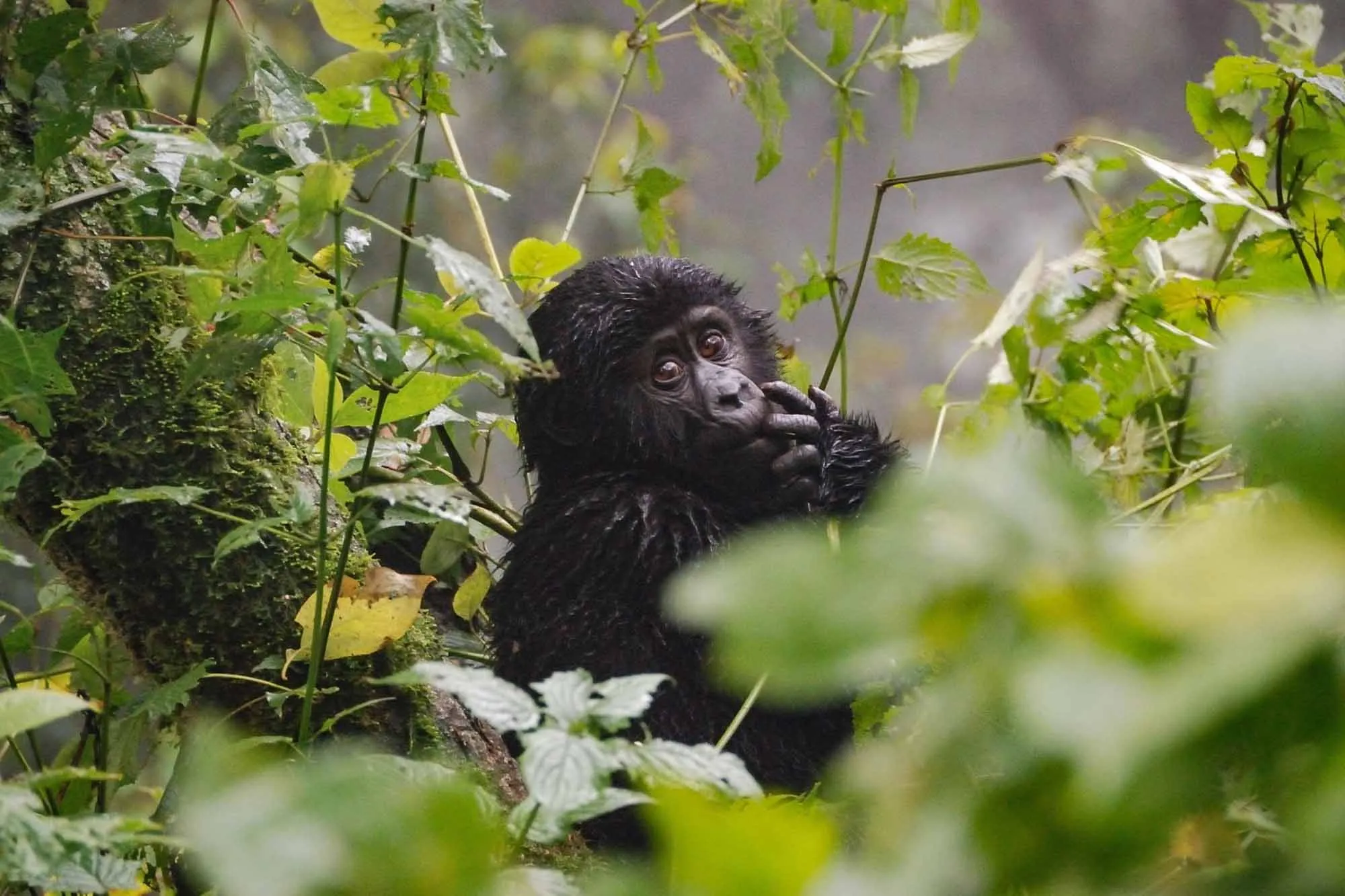
In Bwindi Impenetrable National Park, the dry season is considered the best time for gorilla trekking, but expectations need to be realistic.
Trails are:
Less muddy
Less slippery
More stable underfoot
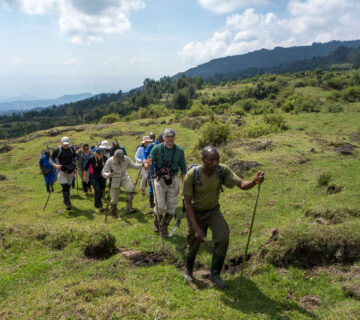
However, Bwindi remains a steep, dense rainforest. Even in the dry season, trekking is physically demanding. The difference is that conditions are more manageable rather than effortless.
Visibility can also improve slightly as vegetation is less weighed down by rain, making it easier to observe gorillas once located.
Wildlife Viewing in Savannah Parks
In Uganda’s savannah parks, the dry season has a noticeable impact on wildlife behavior and visibility.
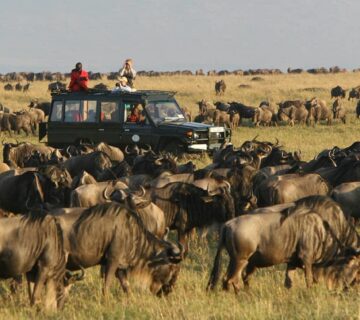
As water sources become more limited, animals concentrate around rivers, lakes, and permanent water points. This increases the likelihood of sightings during game drives.
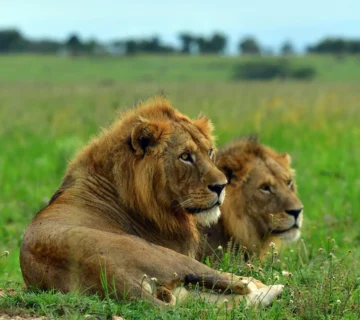
In Queen Elizabeth National Park, this can mean more consistent encounters with elephants, buffalo, and antelope near water channels. Predators such as lions are also easier to locate as they follow prey movements.
In Murchison Falls National Park, the Nile becomes a focal point for wildlife, making boat safaris particularly rewarding during this period.
Vegetation and Landscape Changes
The dry season subtly transforms Uganda’s landscapes.
Grass in savannah areas becomes shorter and less dense, improving visibility during game drives. This makes it easier to spot animals that might otherwise be hidden in thick vegetation.
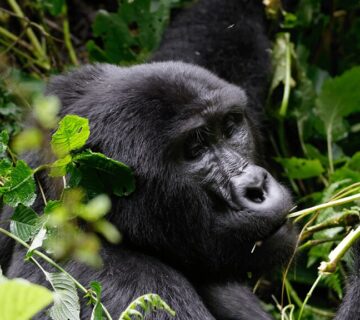
In forested areas, the change is less dramatic. Bwindi remains lush and green year-round, but reduced rainfall means less dripping vegetation and clearer movement paths.
The overall effect is not a dramatic change in scenery but a gradual shift toward more open and navigable environments.
Crowds and Tourism Patterns
June to August is peak tourism season in Uganda. This is driven by favorable weather conditions and international holiday schedules.
You can expect:
Higher demand for gorilla permits
More visitors in popular parks
Greater competition for accommodation
However, Uganda does not experience the same level of overcrowding as some other African destinations. Even during peak season, it is still possible to have relatively quiet and exclusive experiences, especially in less-visited sectors.
Early booking becomes essential during this period to secure preferred dates and locations.
Cost Implications
Because of increased demand, prices during the dry season are generally higher.
Accommodation rates often peak, especially in high-end lodges. Gorilla permits remain fixed in price, but their availability becomes more limited.
Travelers should plan budgets accordingly and book in advance to avoid last-minute price increases or limited options.
Daily Safari Experience: What It Feels Like
A typical day during the dry season starts with cool, misty mornings. As the sun rises, temperatures become warm but rarely extreme.
Game drives are comfortable, with clear visibility and minimal weather disruption. Evenings cool down quickly, especially in higher altitude areas.
In Bwindi, mornings can feel crisp, and the forest often holds moisture from overnight dew, but trekking conditions remain stable.
The overall experience is one of balance—neither too wet nor too hot, making it ideal for extended outdoor activity.
Photography Conditions
The dry season offers favorable conditions for photography.
Clearer skies provide consistent lighting
Reduced haze improves visibility
Shorter grass enhances wildlife visibility
In forest environments, less rain means fewer obstructions from dripping foliage, although light conditions remain challenging due to dense canopy cover.
Limitations of the Dry Season
While the dry season is often considered ideal, it is not without limitations.
Crowds can reduce the sense of exclusivity in some areas
Accommodation availability may be limited
Costs are generally higher
Additionally, wildlife viewing, while improved, is not guaranteed. Uganda’s ecosystems remain dynamic, and animal movement is influenced by many factors beyond rainfall.
Who Should Travel During June to August
This period is best suited for first-time visitors, those combining multiple parks, and travelers prioritizing ease of logistics.
It is also ideal for gorilla trekking, as conditions are more manageable compared to wetter months.
Photographers and wildlife enthusiasts benefit from improved visibility and predictable travel conditions.
Final Perspective: What “Dry Season” Really Means
The dry season in Uganda is not about extreme dryness. It is about balance. Reduced rainfall creates better travel conditions, improved wildlife visibility, and more predictable logistics without fundamentally changing the country’s lush character.
In destinations like Bwindi Impenetrable National Park and Queen Elizabeth National Park, this translates into a smoother, more accessible safari experience.
Understanding this nuance allows you to plan more effectively and avoid unrealistic expectations. June to August is not perfect, but it is the most consistently reliable window for experiencing Uganda at its best.
Start Planning Your Next Trip To Africa
If you can picture yourself in one—or several—of these exceptional retreats, the next move is simple. We design fully tailored African safaris that bring these experiences together seamlessly, from private gorilla encounters to luxury lodges in the heart of the wild.
Every detail is carefully planned, so your journey feels effortless from start to finish. Reach out in whichever way suits you best, and let’s begin crafting your safari.
Start Planning