Kenya Safari in 10 Days: The Ideal Itinerary for a First-Time Visitor
A 10-day Kenya safari is widely considered the “sweet spot” for first-time visitors because it balances depth, variety, and travel efficiency without feeling rushed. It is long enough to experience multiple ecosystems, yet short enough to keep logistics manageable and the journey focused. In 2026, most well-designed itineraries of this length revolve around three core safari zones: the Masai Mara, a central or northern conservancy region such as Laikipia or Amboseli, and optional cultural or transitional stops around Nairobi.
The key to a successful 10-day safari is not how many places you visit, but how well each destination is sequenced.
Why 10 days is the ideal first safari length
Ten days allows for a structured rhythm: arrival, recovery, safari immersion, variation, and closure.
Shorter trips often force compromises—either too few wildlife days or too many rushed transfers. Longer trips can be excellent but require more complex planning and budget flexibility.
With 10 days, you can comfortably spend:
Three to four nights in the Masai Mara ecosystem
Two to three nights in a second contrasting region
Two to three nights split between arrival and optional extension (coast or Nairobi)
This structure creates a natural progression from high-density wildlife viewing to landscape diversity and finally to slower pacing.
Day 1–2: Arrival in Nairobi and safari transition
Most international flights land at Nairobi, making it the natural entry point for a Kenya safari.
The first day is typically reserved for recovery after long-haul travel. Depending on arrival time, travellers stay in either a city hotel or a quieter suburb such as Karen.
This short stop is important because it resets travel fatigue before heading into remote safari regions.
Some itineraries include light introductory experiences in Nairobi, such as visits to conservation centres or short excursions near the city, but the primary goal is rest and acclimatization.
Nairobi acts as the operational hub before the safari begins.
Day 2–5: Masai Mara wildlife immersion
The core of most first-time safaris is the Masai Mara segment in the Masai Mara National Reserve.
This is where the safari experience becomes fully immersive. Game drives typically begin early in the morning and again in the late afternoon, when wildlife is most active.
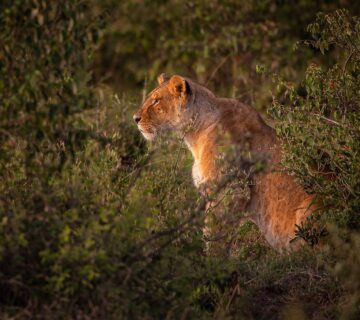
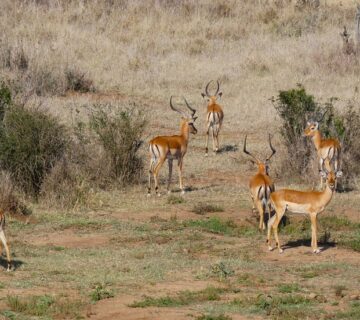
The Mara ecosystem is known for its high predator density. Lions, cheetahs, and hyenas are commonly seen, often in active hunting or territorial behavior. Elephants, giraffes, buffalo, and numerous antelope species fill the landscape.
If travel is during migration season, the experience becomes even more dynamic as large herds of wildebeest and zebra move through the region.
Conservancy advantage in the Mara region
Many luxury itineraries place travellers in private conservancies surrounding the main reserve.
These areas offer fewer vehicles, more flexible driving conditions, and in some cases off-road access. This allows for longer and more private wildlife encounters.
Staying in conservancies also reduces congestion compared to the central reserve during peak periods.
This stage of the itinerary is about intensity and consistency—multiple game drives that deliver continuous wildlife exposure.
Day 5–7: Transition to a contrasting ecosystem
After the high-intensity Mara experience, the itinerary typically transitions to a second region that provides contrast.
Common choices include Laikipia, Amboseli, or Samburu depending on travel style.
This shift is important because it prevents safari fatigue and introduces ecological variety.
For example, moving from the Mara to Amboseli changes both landscape and wildlife focus, with elephants and views of Mount Kilimanjaro becoming dominant features.
Alternatively, Laikipia introduces conservation-focused ranch landscapes and lower-density wildlife encounters.
This second phase is about variation rather than repetition.
Amboseli option: elephants and open landscapes
If Amboseli is chosen, the experience is centered around the Amboseli National Park.
Amboseli is famous for large elephant herds and open plains with dramatic views of Mount Kilimanjaro in the background.
Wildlife is highly visible due to the flat terrain, making it a strong contrast to the more vegetated Mara ecosystem.
Game drives here feel slower and more visually expansive.
Laikipia option: conservation and exclusivity
If Laikipia is chosen, the safari shifts toward private conservancies and conservation-driven tourism.
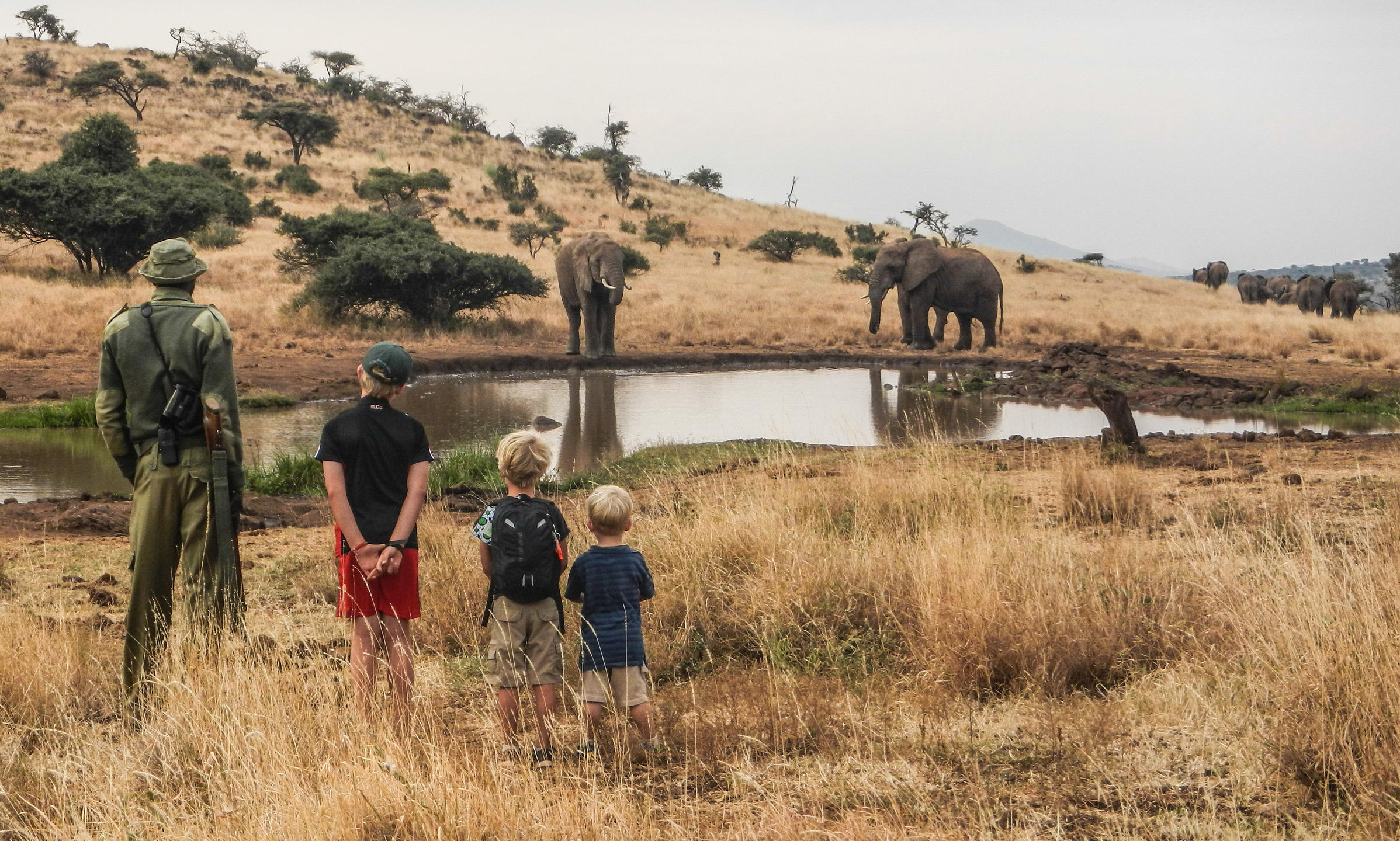
This region offers rare species, walking safaris in some areas, and a lower visitor density compared to major national parks.
The experience is less about high-volume sightings and more about ecological depth and exclusivity.
Luxury camps in this region are often small and highly integrated into conservation landscapes.
Samburu option: northern Kenya character
If Samburu is included, the itinerary introduces the northern safari ecosystem anchored by the Samburu National Reserve.
This region is defined by semi-arid landscapes and unique species not commonly found in southern Kenya.
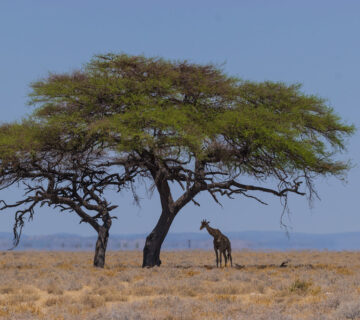
The safari experience here is more rugged and distinctive, with dry riverbeds and acacia-dominated terrain.
This option works best for travellers seeking diversity beyond classic savannah environments.
Day 7–9: Deepening the second ecosystem
The second safari region is not just a stopover—it is where contrast becomes meaningful.
With multiple nights in one area, travellers can fully understand the ecosystem rather than just passing through it.
Game drives become more exploratory, focusing on behavior patterns, tracking, and variation in terrain.
This phase is intentionally slower than the Masai Mara segment.
It allows for reflection, deeper observation, and reduced travel intensity.
Optional cultural or transitional experiences
Depending on routing, some itineraries include cultural interactions with local communities near conservancies or parks.
These experiences provide context for conservation models and land-use systems that support wildlife protection.
They are not mandatory but can add depth to the overall safari narrative.
Day 9–10: Return to Nairobi or coastal extension
The final stage of a 10-day safari typically involves returning to Nairobi for international departure or continuing to a coastal extension such as Diani Beach.
If ending in Nairobi, the final night is usually spent in a comfortable hotel close to the airport for convenience.
If extending to the coast, travellers transition from safari landscapes to the Indian Ocean, shifting from wildlife immersion to relaxation.
This optional extension adds a completely different dimension to the journey.
How pacing defines the quality of a 10-day safari
The most important factor in a 10-day safari is pacing.
Too many locations reduce time in the field. Too few locations reduce diversity.
The ideal structure alternates between intensity and rest:
High-action wildlife viewing in the Mara
Slower, more varied ecosystems in a second region
A final decompression phase before departure
This rhythm is what makes the 10-day format so effective.
What first-time travellers often underestimate
First-time safari travellers often underestimate travel time between regions, the early morning schedule of game drives, and the emotional intensity of wildlife viewing.
A 10-day itinerary solves many of these issues by spreading experiences across a manageable timeline.
It reduces fatigue while maintaining high-quality wildlife exposure.
Why this itinerary works so well in 2026
In 2026, safari design is increasingly focused on experience layering rather than simply visiting multiple parks.
A 10-day Kenya safari reflects this shift perfectly.
It combines high-density wildlife viewing, ecological contrast, and logistical simplicity into one structured journey.
It is long enough to feel complete, but focused enough to remain coherent.
Start Planning Your Next Trip To Africa
If you can picture yourself in one—or several—of these exceptional retreats, the next move is simple. We design fully tailored African safaris that bring these experiences together seamlessly, from private gorilla encounters to luxury lodges in the heart of the wild.
Every detail is carefully planned, so your journey feels effortless from start to finish. Reach out in whichever way suits you best, and let’s begin crafting your safari.
Start Planning