How to Book a Kenya Safari: From First Enquiry to Landing at the Mara Airstrip
Booking a Kenya safari in 2026 is not a simple transaction. It is a structured process that moves from idea to execution through multiple stages, each influencing the quality, cost, and overall success of the trip. For luxury travellers, the difference between an average safari and a seamless one often comes down to how well this process is handled from the very first enquiry.
Understanding how a safari is built step by step allows you to make informed decisions, avoid common planning mistakes, and ensure that every element—from camp selection to internal flights—aligns with your expectations.
Stage one: defining your safari objective
Every successful safari begins with clarity. Before contacting any operator, you need to define what kind of experience you want. This goes beyond choosing a destination. It includes understanding your travel style, pace, and priorities.
Some travellers prioritize the Great Migration and want to be positioned near river crossings. Others focus on exclusivity and prefer private conservancies with low vehicle density. Families may prioritize flexibility and child-friendly camps, while photographers often focus on guiding quality and vehicle positioning.
The more precise your objective, the easier it becomes to design a safari that matches your expectations.
Stage two: choosing where in Kenya to go
Kenya is not a single safari destination. It is a collection of regions, each offering a different experience.
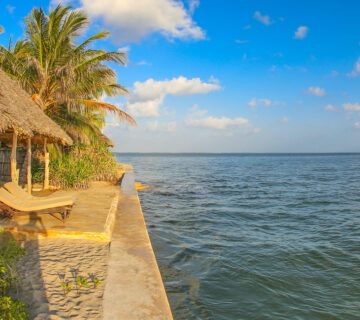
The Masai Mara is the most famous and provides high-density wildlife viewing. Surrounding conservancies offer more exclusive and controlled safari environments. Laikipia introduces a quieter, conservation-focused experience with diverse activities. Coastal extensions, often added at the end of a safari, provide relaxation after time in the bush.
Most luxury itineraries combine two regions to balance intensity and variety. The structure you choose at this stage will shape the entire booking process.
Stage three: selecting the right camps
Camp selection is one of the most critical decisions in the booking process. It affects not only comfort but also wildlife access, privacy, and daily safari rhythm.
In the Masai Mara ecosystem, options range from camps inside the Masai Mara National Reserve to highly exclusive conservancy properties.
Examples of luxury camps include Angama Mara, known for its elevated views and design-driven experience, and Mara Plains Camp, which focuses on exclusivity and strong guiding.
Choosing the right camp is not just about price. It is about aligning location, guiding style, and atmosphere with your expectations.
Stage four: working with a safari planner or operator
Once you have a clear idea of your destination and preferred camps, the next step is working with a safari planner or operator.
At this stage, you will typically submit an enquiry outlining your travel dates, number of guests, preferred regions, and budget range. The operator then builds a proposed itinerary based on availability and logistics.
This is where expertise matters. A strong operator does more than book camps. They optimize routing, minimize travel time, and ensure that your itinerary flows logically from one location to the next.
Multiple revisions are common during this phase. Adjustments may include changing camps, altering travel dates, or refining the balance between regions.
Stage five: understanding availability and provisional holds
Luxury safari camps in Kenya operate with limited capacity, which means availability can change quickly.
Once an itinerary is proposed, the operator will place provisional holds on selected camps. These holds secure space for a short period while you review the itinerary and make decisions.
It is important to move efficiently at this stage. Delays can result in losing availability, especially during peak season when demand is high.
If changes are needed, the operator may need to rework the itinerary based on alternative camps or dates.
Stage six: confirming the booking and payment structure
After finalizing your itinerary, the next step is confirmation.
Most safari bookings require a deposit, typically around 20 to 30 percent of the total cost. The remaining balance is usually due several weeks before travel.
Payment schedules vary depending on the operator and camps involved, but the structure is generally consistent across the industry.
At this stage, your booking becomes secured, and camps and flights are confirmed.
Stage seven: booking internal flights and logistics
Internal flights are a key part of a luxury Kenya safari. They connect Nairobi to remote regions such as the Masai Mara and Laikipia, reducing travel time and improving overall comfort.
Flights to Mara airstrips are typically scheduled services using small aircraft. These flights operate on fixed routes and may include multiple stops depending on passenger distribution.
For high-end itineraries, private charter flights may be arranged. These offer greater flexibility but come at a higher cost.
Once flights are confirmed, your arrival and departure logistics are fully mapped out.
Stage eight: pre-travel preparation
With the booking confirmed, attention shifts to preparation.
Travellers receive detailed pre-departure information covering packing guidelines, baggage restrictions, and travel requirements. Small aircraft used for safari flights often have strict luggage limits, typically requiring soft-sided bags.
Health considerations, including vaccinations and travel insurance, are also addressed at this stage. While requirements vary, preparation ensures a smooth journey.
Communication with your operator continues during this phase to finalize any remaining details.
Stage nine: arrival in Kenya and transfer to the bush
Most international travellers arrive in Nairobi, which serves as the main gateway for safaris in Kenya.
Depending on your itinerary, you may stay overnight in Nairobi or connect directly to a domestic flight. Transfers between the international airport and domestic terminals are arranged by your operator.
Domestic flights to the Masai Mara typically take around one hour. These flights offer aerial views of Kenya’s landscapes and mark the transition from urban arrival to wilderness experience.
Stage ten: landing at the Mara airstrip
The final stage of the booking journey is arrival at a bush airstrip in the Masai Mara.
Airstrips are simple and often located in open landscapes. Upon landing, guests are met by camp guides who transfer them to their lodge or camp.
This transfer is usually the beginning of the safari experience itself, with wildlife sightings often occurring on the way to camp.
From this point, the planning process transitions into the lived safari experience, where logistics become invisible and the focus shifts entirely to wildlife and environment.
Why the booking process matters
Each stage of booking a Kenya safari plays a role in shaping the final experience. Small decisions made early—such as camp location or travel timing—can have a significant impact on wildlife access and overall satisfaction.
Luxury safaris are complex to organize because they involve multiple moving parts, from conservation areas to aviation logistics. A well-managed booking process ensures that these elements align seamlessly.
Understanding the process allows travellers to engage more effectively, ask better questions, and ultimately design a safari that meets their expectations.
What separates a smooth safari from a complicated one
The difference between a smooth safari and a stressful one is rarely about the destination. It is about planning precision.
Clear communication, timely decisions, and experienced operators ensure that availability is secured, logistics are optimized, and expectations are met.
When the process is handled correctly, the transition from first enquiry to landing in the Mara feels effortless, even though it is built on a highly structured system behind the scenes.
Start Planning Your Next Trip To Africa
If you can picture yourself in one—or several—of these exceptional retreats, the next move is simple. We design fully tailored African safaris that bring these experiences together seamlessly, from private gorilla encounters to luxury lodges in the heart of the wild.
Every detail is carefully planned, so your journey feels effortless from start to finish. Reach out in whichever way suits you best, and let’s begin crafting your safari.
Start Planning