How to Book a Private Uganda Safari vs a Group Departure: Pros and Cons
Deciding between a private Uganda safari and a group departure is one of the most practical choices you will make when planning a trip that includes destinations like Bwindi Impenetrable National Park, Queen Elizabeth National Park, and Kibale National Park. The decision is not just about cost. It directly affects your daily pacing, wildlife experience quality, logistics, and how much control you have over the itinerary.
Both options are viable and widely used in Uganda’s safari industry, but they operate on fundamentally different models. Understanding these differences at a field level is essential for making the right decision based on your travel priorities.
What a Private Uganda Safari Actually Means
A private safari is a fully customized travel experience where the vehicle, driver-guide, and itinerary are dedicated exclusively to you or your group.
From the moment you arrive in Uganda, your movement between parks, lodges, and activities is tailored around your schedule. This includes flexibility in departure times, pacing of game drives, and adjustments based on wildlife sightings or personal preferences.
In a private safari structure, the itinerary is designed before arrival but remains adaptable in real-time.
Full Control Over Daily Schedule
One of the most important advantages of a private safari is control. You decide when to start game drives, how long to stay at sightings, and how your day is structured.
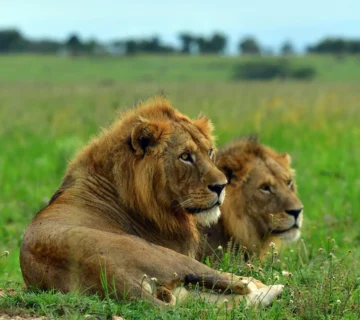
In places like Queen Elizabeth National Park, this can significantly improve wildlife viewing quality. If lions are active at sunrise or elephants gather near the Kazinga Channel, your guide can adjust timing accordingly without needing group consensus.
Tailored Gorilla Trekking Logistics
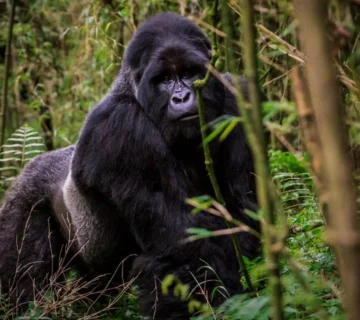
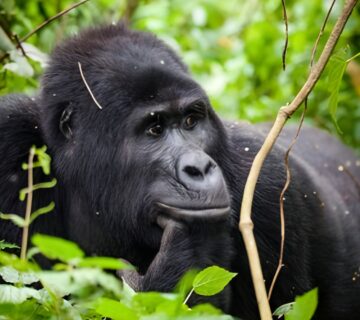
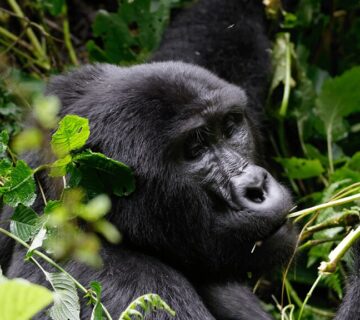
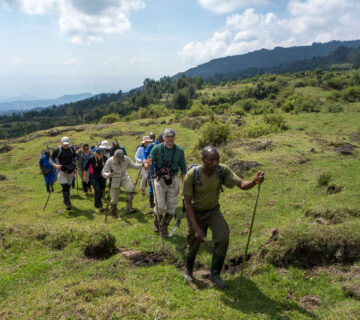
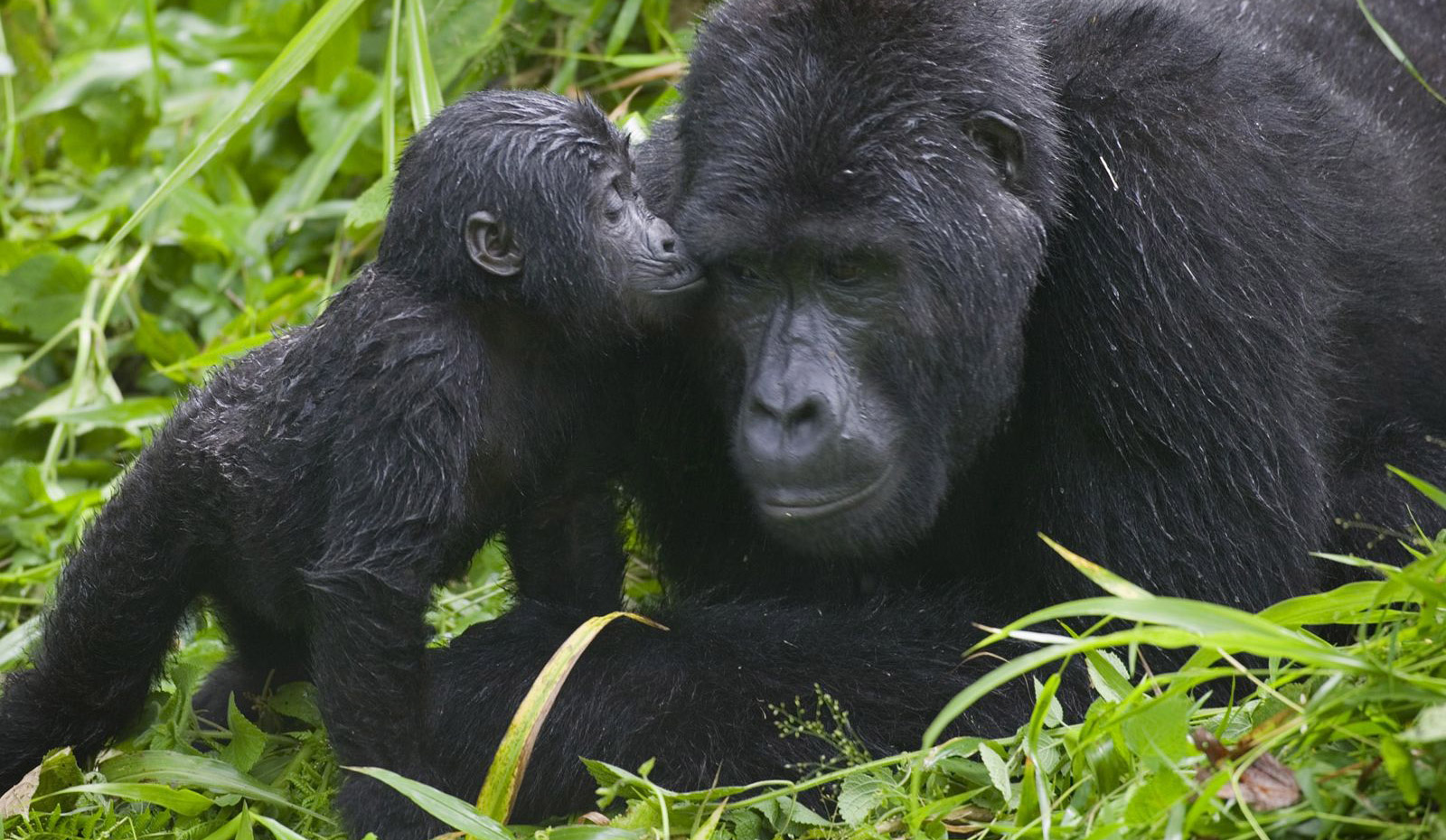
When trekking gorillas in Bwindi Impenetrable National Park, private safaris allow better alignment between your lodge location and your assigned trekking sector.
This reduces unnecessary travel time on trekking day and allows smoother coordination with Uganda Wildlife Authority briefing points.
Flexible Route Planning Across Uganda
Uganda’s geography involves long distances between key destinations. A private safari allows you to break up these journeys strategically, include additional stops, or adjust routes based on road conditions or interests.
For example, you may choose to include crater lakes, community visits, or scenic stops that are not part of fixed itineraries.
The Cost Structure of Private Safaris
Private safaris are generally more expensive because all core logistics are dedicated rather than shared.
Costs include:
Private 4×4 safari vehicle
Dedicated driver-guide
Fuel and long-distance transport logistics
Customized itinerary planning
Higher flexibility margins
Because these costs are not shared across multiple travelers, the per-person price increases, especially for solo travelers or couples.
However, for small groups or families, private safaris can become more cost-efficient when expenses are split.
What a Group Departure Safari Involves
A group departure safari follows a fixed itinerary with a predetermined schedule and shared logistics among multiple travelers.
Participants join a set departure date, and all movements—game drives, transfers, and activities—are conducted as a group.
This model is designed to reduce individual cost by distributing transport, guiding, and operational expenses across multiple participants.
Fixed Itinerary and Timings
Group safaris operate on a strict schedule. Departure times, activity durations, and route progression are predetermined and rarely adjusted.
This means less flexibility in wildlife viewing. If a group must leave a sighting at a specific time, individual preferences cannot override the schedule.
Shared Safari Vehicle Experience
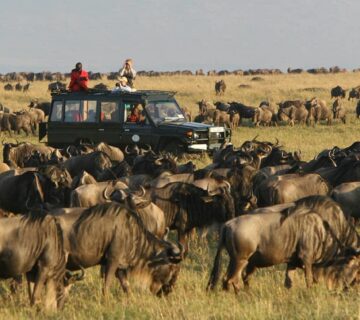
Travelers share a safari vehicle with other participants. While this reduces cost, it also affects viewing dynamics.
Seating positions, photography angles, and time spent at sightings are influenced by group dynamics rather than individual preference.
Pre-Set Accommodation Choices
Group safaris typically use fixed accommodation options selected to match the group budget. These may range from mid-range lodges to standardized safari camps.
Upgrading accommodation within a group structure is usually not possible without switching to a private itinerary.
Cost Advantages of Group Safaris
The primary advantage of group departures is cost efficiency.
Because vehicle, fuel, and guide costs are shared, group safaris are significantly more affordable than private ones.
This makes them attractive for solo travelers, budget-conscious visitors, or those prioritizing affordability over flexibility.
In many cases, group safaris provide access to the same core wildlife experiences at a lower entry price.
Wildlife Experience Differences
The quality of wildlife viewing can differ between private and group safaris due to flexibility and decision-making control.
Private Safari Advantage in Wildlife Viewing
In a private safari, guides can respond dynamically to wildlife behavior. If predators are active or a rare sighting occurs, you can stay longer and observe without time pressure.
This is particularly valuable in ecosystems like Queen Elizabeth National Park where wildlife movement can change quickly.
Group Safari Limitations
In group safaris, wildlife viewing is constrained by schedule and group consensus. Even if a sighting is exceptional, the group may need to move on to maintain timing for the rest of the itinerary.
This can limit depth of observation, especially for photographers or wildlife enthusiasts.
Social Experience vs Privacy
Another major difference is the social dynamic of the safari.
Group safaris offer a shared experience where travelers meet others, exchange stories, and enjoy a communal atmosphere. This can enhance the experience for those who enjoy social travel.
Private safaris, on the other hand, offer complete privacy. This is ideal for couples, families, or travelers seeking a more intimate and uninterrupted connection with the environment.
Logistical Efficiency in Uganda Context
Uganda’s safari structure involves long travel distances, varied road conditions, and multiple ecosystems.
Private safaris handle these complexities more efficiently because they can adjust timing, pacing, and routing in real-time.
Group safaris must adhere to fixed logistics, which can sometimes result in longer travel days or less optimized routes.
Gorilla Trekking Considerations
For gorilla trekking in Bwindi Impenetrable National Park, both private and group safaris follow the same permit system and trekking rules.
However, private safaris offer better logistical alignment with trekking sectors, reducing early morning travel and improving overall comfort.
Group safaris may require longer transfers to reach the assigned trekking briefing point depending on where the group is staying.
When a Private Safari Is the Better Choice
A private safari is best suited for travelers who value flexibility, personalized pacing, and deeper wildlife engagement.
It is particularly beneficial for:
Couples and families
Wildlife photographers
Travelers with specific itinerary goals
Luxury safari clients
Visitors combining multiple parks and experiences
In Uganda’s diverse terrain, private safaris allow better control over long travel days and complex routing.
When a Group Safari Makes More Sense
Group safaris are ideal for travelers who prioritize affordability and are comfortable following a structured itinerary.
They are well-suited for:
Solo travelers looking to reduce costs
First-time safari visitors
Travelers with limited budgets
Those who enjoy shared travel experiences
Group safaris provide access to Uganda’s key highlights without the higher cost of private arrangements.
Field Reality of Choosing Between the Two
In practical safari operations, the choice between private and group travel is not about which is better universally, but which aligns with your travel priorities.
Private safaris offer control, flexibility, and a higher-quality wildlife experience at a higher cost.
Group safaris offer affordability and social interaction but require compromise on timing, flexibility, and personalization.
In Uganda, where distances are long and ecosystems are varied, this decision has a significant impact on how the safari unfolds on the ground.
Start Planning Your Next Trip To Africa
If you can picture yourself in one—or several—of these exceptional retreats, the next move is simple. We design fully tailored African safaris that bring these experiences together seamlessly, from private gorilla encounters to luxury lodges in the heart of the wild.
Every detail is carefully planned, so your journey feels effortless from start to finish. Reach out in whichever way suits you best, and let’s begin crafting your safari.
Start Planning