Internal Flights in Uganda: When They’re Worth It vs Road Transfers
Internal flights in Uganda are one of the most misunderstood elements of safari planning because they sit at the intersection of cost, time efficiency, and terrain reality. In a country where safari destinations are spread across long distances and varying road conditions, choosing between flying and driving is not a comfort preference alone—it is a logistical optimization decision that directly affects how much time you actually spend inside ecosystems like Bwindi Impenetrable National Park, Murchison Falls National Park, and Kibale National Park.
Unlike compact safari countries where road transfers are short and predictable, Uganda’s geography stretches safari circuits across forested highlands, crater lake systems, river valleys, and remote airstrip zones. This creates a dual transport system: domestic aviation versus long-distance road travel.
Understanding when internal flights are worth it requires breaking down time savings, route complexity, park access efficiency, seasonal road conditions, and the structure of Uganda’s safari network.
Uganda’s Internal Flight Network Explained
Small Aircraft Safari Aviation Model
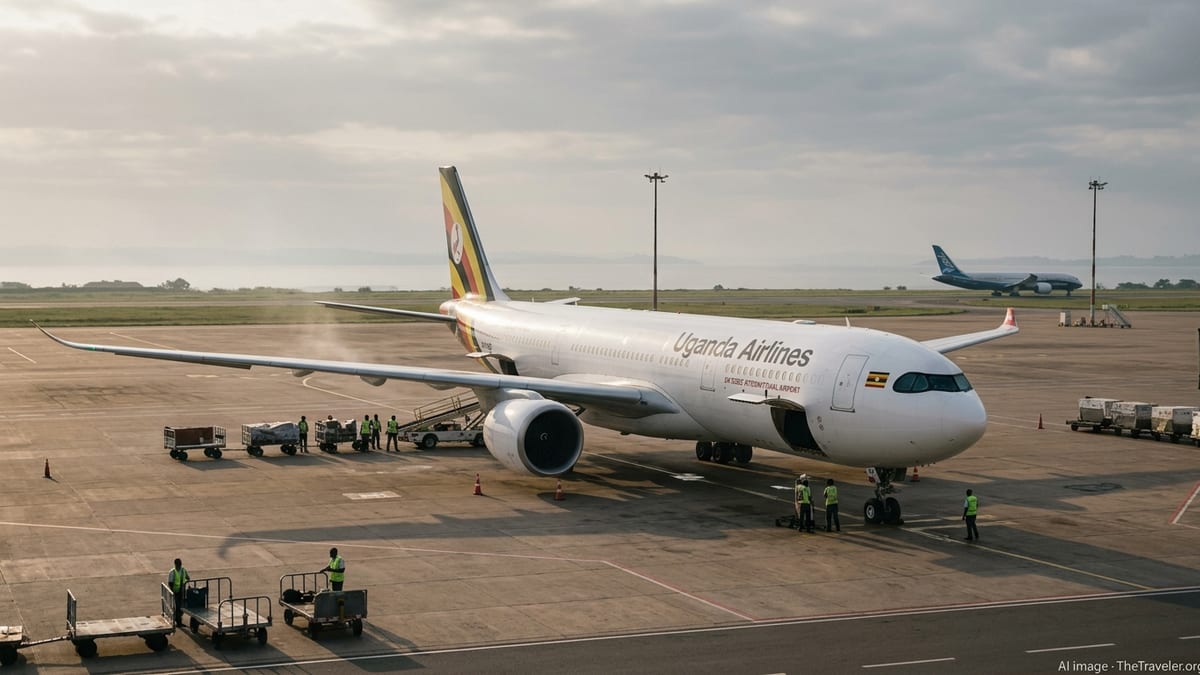
Uganda’s internal flights are primarily operated using small aircraft designed for short runway airstrips located near national parks. These flights connect Entebbe with remote safari zones that would otherwise require 6–10 hours of road travel.
The system is not a commercial airline network in the traditional sense—it is a safari logistics network optimized for access rather than volume.
Key Safari Air Corridors
Most internal flights operate along these primary routes:
- Entebbe → Bwindi region (Kihihi, Kisoro airstrips)
- Entebbe → Queen Elizabeth National Park region
- Entebbe → Murchison Falls National Park airstrips
- Entebbe → Kidepo Valley National Park (long-haul domestic flight route)
These routes are designed to bypass Uganda’s long overland distances and reduce multi-day road transfers into short flight segments.
When Internal Flights Are Absolutely Worth It
Long-Distance Park Combinations
Internal flights become highly valuable when combining distant parks such as Bwindi and Murchison Falls or Bwindi and Kidepo Valley National Park.
For example, driving from Kampala to Bwindi can take 8–10 hours depending on sector, while a flight to Kihihi or Kisoro reduces this to under 2 hours including transfer time.
This time compression is critical for itineraries shorter than 7–10 days.
Gorilla Trekking Efficiency Optimization
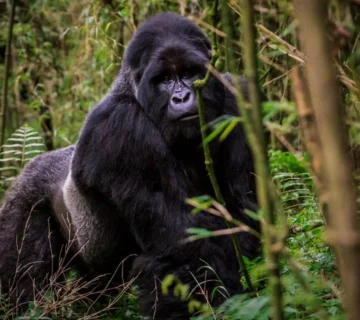
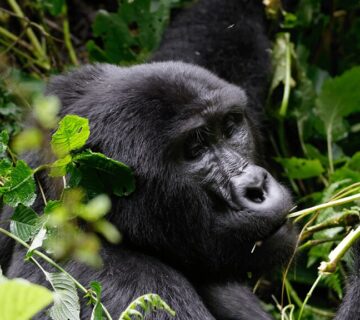
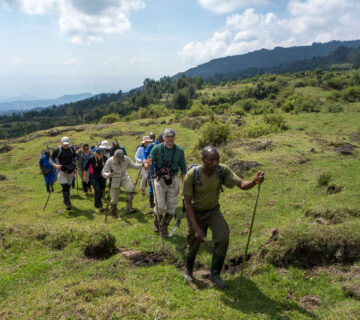
In gorilla trekking regions like Bwindi Impenetrable Forest, arrival timing is important because trekking permits are fixed per day. Internal flights ensure you arrive closer to your assigned trekking sector without exhausting road travel the day before.
This improves physical readiness for steep forest trekking conditions.
Luxury Safari Time Compression
High-end safari itineraries prioritize maximizing time inside parks rather than on roads. Internal flights eliminate long transit hours, allowing travelers to spend more time on game drives, trekking, or boat safaris.
This is especially relevant for premium lodges where nightly rates assume high-value experience time per day.
When Road Transfers Make More Sense
Short-Distance Park Access Routes
For destinations located within 2–4 hours of each other, road transfers often provide better value and flexibility. This includes routes such as:
- Kampala → Kibale National Park
- Queen Elizabeth → Bwindi (depending on sector alignment)
- Entebbe → Lake Mburo National Park
In these cases, road travel is not significantly longer than flight + transfer combinations.
Scenic Route Value in Uganda Safaris
Road transfers in Uganda are not purely logistical—they are also experiential. Routes pass through crater lakes, rural villages, tea plantations, and escarpment landscapes that are not visible from air travel.
For many itineraries, this “in-between safari” experience is part of the journey.
Budget-Conscious Safari Planning
Internal flights are significantly more expensive than road transfers. For mid-range safaris, road travel is often the preferred option because it allows more budget allocation toward lodges, permits, and guided activities.
Time Efficiency Comparison Framework
Road Travel Reality in Uganda
Uganda’s road conditions vary widely depending on region, weather, and terrain. Some highways are well maintained, while others become slow during rainy seasons due to mud and erosion.
Typical road transfer examples include:
- Entebbe → Bwindi: 8–10+ hours
- Kampala → Murchison Falls: 5–6 hours
- Kibale → Bwindi: 6–8 hours depending on sector routing
These durations directly affect fatigue levels before or after safari activities.
Internal Flight Time Compression
Internal flights reduce these same routes to 1–2 hour flight segments, plus short transfers from airstrip to lodge.
This creates a dramatic reduction in transit fatigue, especially on multi-park itineraries.
Seasonal Impact on Flight vs Road Decisions
Rainy Season Road Constraints
During wet seasons, road travel in western Uganda and forest zones can become slower due to muddy terrain and reduced traction conditions. This increases the value of internal flights, especially for Bwindi and Kibale routes.
In some cases, road delays can extend travel time by several hours beyond standard estimates.
Dry Season Travel Stability
During dry months, road conditions improve significantly, making overland transfers more predictable. In this period, road travel becomes more competitive with flights for medium-distance routes.
Accessibility to Remote Safari Parks
Kidepo Valley National Park Case Study
One of the strongest arguments for internal flights is access to Kidepo Valley National Park. Road travel to Kidepo can exceed 10–12 hours from Kampala, crossing remote northeastern terrain.
A domestic flight reduces this to approximately 2 hours, making Kidepo realistically accessible for short safaris.
Bwindi Airstrip Strategy
Bwindi region airstrips such as Kihihi and Kisoro allow travelers to bypass long mountain road approaches. This is especially valuable for southern Bwindi sectors like Rushaga and Nkuringo.
Cost vs Value Analysis
Flight Cost Structure
Internal flights are priced significantly higher per hour of travel compared to road transport. However, their value is measured in time saved, reduced fatigue, and increased park experience time.
Road Cost Efficiency
Road transfers are more economical and flexible. They also allow for spontaneous stops, photography breaks, and cultural interaction along the route.
Operational Realities of Internal Flights
Limited Schedule Frequency
Internal flights in Uganda operate on fixed schedules, often once or twice per day depending on route. This requires strict itinerary alignment.
Missing a flight can disrupt an entire safari day.
Weather Sensitivity
Small aircraft operations are more sensitive to weather conditions such as heavy rain or low visibility. This can occasionally affect flight timing, especially in forested or mountainous regions.
Safari Itinerary Design Logic
Multi-Park High-End Safaris
For itineraries combining multiple distant parks, internal flights are often essential. They allow seamless transitions between ecosystems without exhausting travel days.
Single-Region Safaris
For safaris focused on one region (e.g., only Bwindi or only Queen Elizabeth National Park), road transfers are usually sufficient and more practical.
Traveler Profile Suitability
Luxury and Time-Constrained Travelers
Internal flights are best suited for travelers prioritizing:
- Short safari duration (5–8 days)
- High-end lodge experiences
- Multi-park coverage in limited time
Extended Budget or Experiential Travelers
Road transfers are better suited for:
- Longer safaris (10+ days)
- Cultural exploration interest
- Lower cost optimization
- Scenic overland travel preference
Field Reality: How Transport Choice Shapes Safari Experience
Internal flights and road transfers in Uganda are not interchangeable—they define two completely different safari experiences.
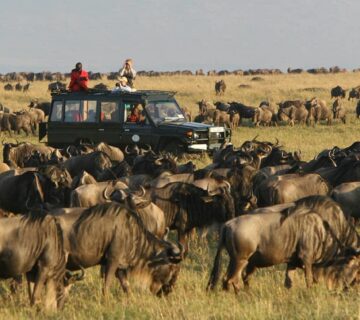
Flying compresses geography, turning long distances into short transitions and maximizing time in wildlife zones. Road travel expands geography, turning transfers into experiential journeys through Uganda’s landscapes and rural ecosystems.
The decision between them ultimately determines whether a safari is experienced as a time-optimized wildlife circuit or a slow, immersive overland exploration of East Africa’s terrain systems.
Start Planning Your Next Trip To Africa
If you can picture yourself in one—or several—of these exceptional retreats, the next move is simple. We design fully tailored African safaris that bring these experiences together seamlessly, from private gorilla encounters to luxury lodges in the heart of the wild.
Every detail is carefully planned, so your journey feels effortless from start to finish. Reach out in whichever way suits you best, and let’s begin crafting your safari.
Start Planning