Is It Worth Visiting Uganda in the Rainy Season? An Honest Assessment
Reframing the “Bad Season” Idea
The rainy season in Uganda is often misunderstood as a time when safari experiences become unreliable, uncomfortable, or even disappointing. That perception comes largely from travelers who compare it to dry-season safaris in classic savannah destinations and assume that rain automatically reduces wildlife quality and travel value.
In reality, Uganda does not shut down during the rainy months. In fact, ecosystems remain fully active, gorilla trekking continues without interruption, and many of the country’s most iconic experiences are still accessible. The real question is not whether you can travel during the rainy season, but how the experience changes and whether those changes align with your expectations.
In destinations such as Bwindi Impenetrable National Park and Queen Elizabeth National Park, the rainy season transforms the landscape, the logistics, and the overall rhythm of a safari in ways that are both challenging and rewarding.
Uganda’s Rainy Season Structure
Uganda experiences two primary rainy periods. The long rains typically run from March through May, while the shorter rains occur around October and November. These seasons are influenced by equatorial weather systems rather than temperature shifts, meaning rainfall is more about frequency and intensity than continuous downpours.
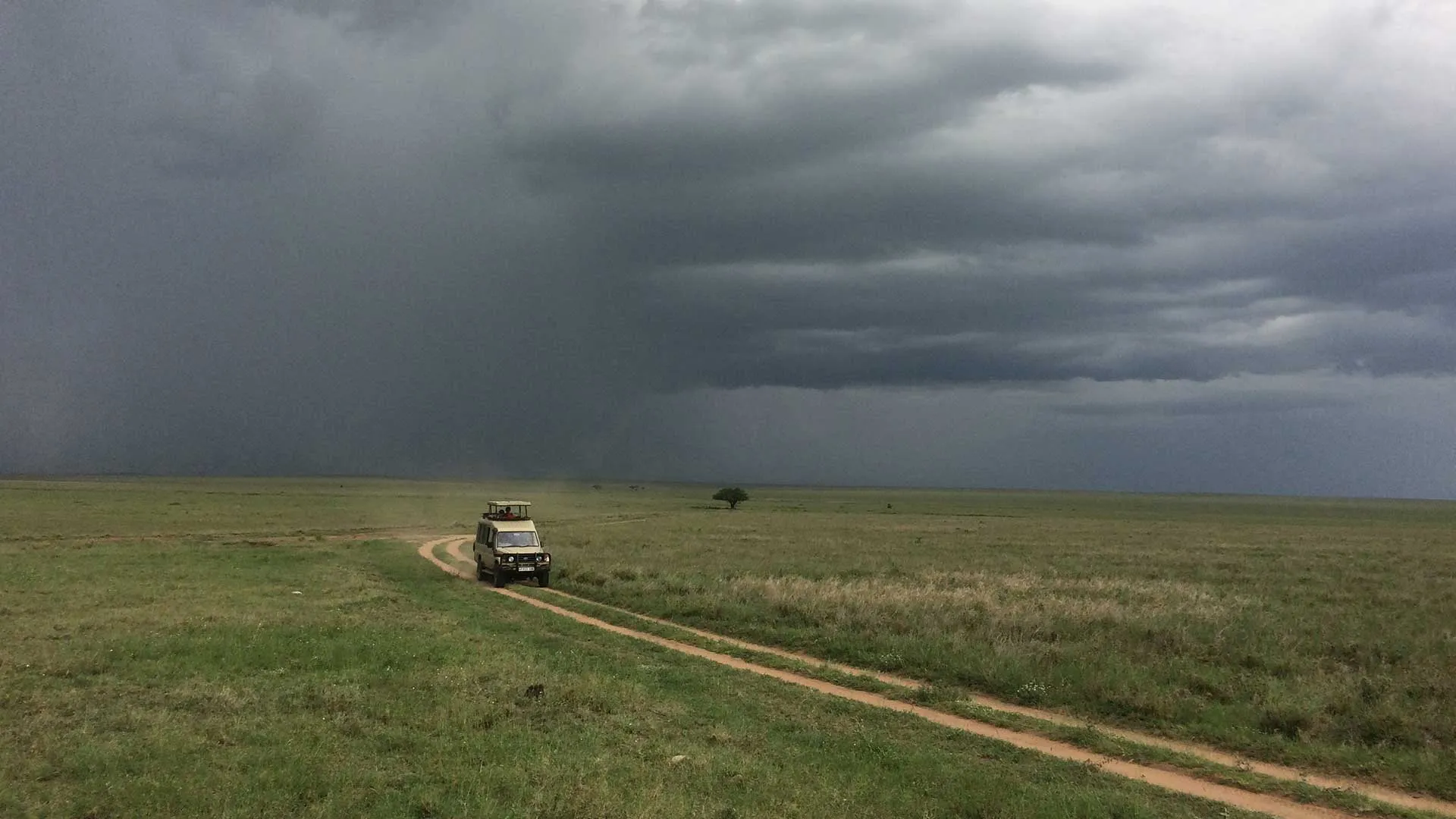
Rain usually arrives in bursts rather than all-day storms. A typical day might begin with clear skies, shift to heavy rain in the afternoon, and return to calmer conditions later in the evening. This cycle is important because it means that travel plans are rarely completely disrupted, even during wetter months.
The environment remains green and biologically active throughout the year, but rainfall intensity changes accessibility and comfort levels.
Landscape Transformation: The Green Season Effect
One of the most immediate changes during the rainy season is the transformation of Uganda’s landscapes. The term “green season” is often used by safari operators to describe this period, and it is not marketing exaggeration.
Vegetation becomes noticeably denser and more vibrant. Forested areas such as Bwindi become deeper in tone, with thick undergrowth and constant moisture on leaves and branches. In savannah ecosystems, grasses grow taller and more lush, creating a more dramatic visual contrast between land and sky.
In Queen Elizabeth National Park, for example, the landscape becomes almost cinematic after rainfall, with reflective surfaces, mist over water channels, and intense green tones dominating the horizon.
However, this beauty comes with a trade-off. Denser vegetation can reduce long-distance visibility for wildlife viewing, especially in open plains areas where animals are partially hidden by tall grass.
Gorilla Trekking in Wet Conditions
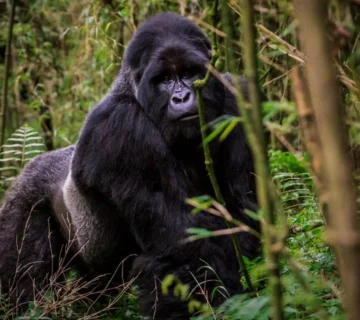
Gorilla trekking remains fully operational throughout the rainy season in Bwindi Impenetrable National Park, and in many ways, the experience becomes more physically demanding rather than less enjoyable.
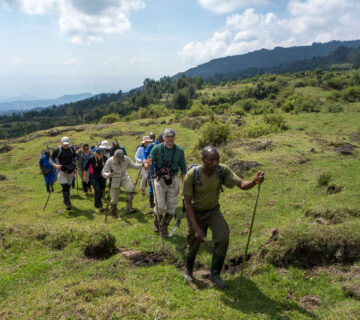
The forest floor becomes softer and more slippery, particularly on steep slopes. Trails that are manageable in dry conditions can become muddy and require more careful footing. This increases the importance of proper hiking boots, walking sticks, and the use of porters for stability and support.
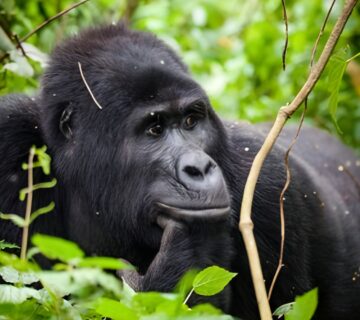
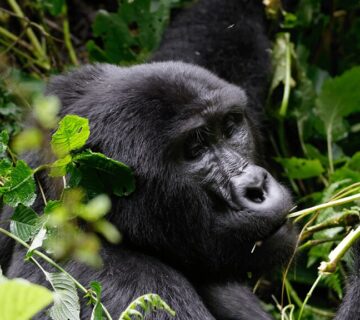
Despite these challenges, gorilla sightings remain just as reliable. Habituated gorilla families do not move seasonally in a way that affects visibility. They continue their normal feeding and social behaviors regardless of rainfall.
What changes is the effort required to reach them. Trekking times can feel longer due to slower movement through wet terrain, but once the gorillas are located, the viewing experience itself is not diminished.
In fact, some visitors find that the misty rainforest atmosphere enhances the emotional impact of the encounter. The forest feels more immersive, and the soundscape becomes richer due to rainfall and wildlife activity.
Wildlife Behavior During Rainy Months
In savannah parks such as Murchison Falls National Park, rainfall influences animal distribution more than behavior.
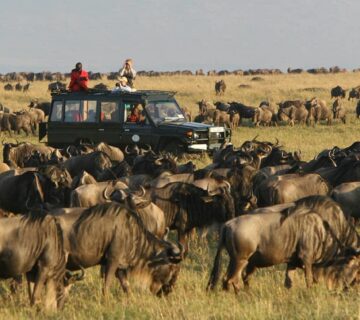
During wet periods, water becomes widely available across the landscape. This reduces the need for animals to concentrate around permanent water sources. As a result, wildlife tends to spread out more evenly, which can make sightings less predictable compared to dry-season conditions.
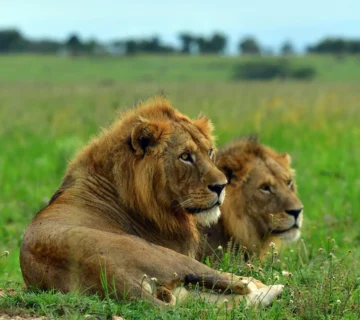
Predators such as lions and leopards continue to hunt, but prey movement patterns are less centralized. This means game drives may require more patience and longer scanning of areas rather than quick concentrations of animals around rivers or waterholes.
At the same time, birdlife becomes significantly more active. Migratory species are present, breeding activity increases, and the overall diversity of bird species improves. For birdwatchers, this is one of the strongest advantages of traveling during the rainy season.
Road Conditions and Travel Logistics
One of the most practical differences during the rainy season is road performance. Uganda’s safari circuits include a mix of paved highways and unpaved rural roads. The latter are most affected by rainfall.
Dirt roads can become muddy, slippery, and slower to navigate after heavy rain. This does not make travel impossible, but it does require more time and patience. Transfers between parks may take longer than during dry months.
However, major tourism routes remain operational, and experienced drivers adapt routes based on conditions. In many cases, delays are manageable rather than disruptive.
In forested regions like Bwindi, access roads are generally maintained for tourism traffic, but steep sections can become more challenging during prolonged rain.
Crowds, Availability, and Travel Atmosphere
One of the most noticeable benefits of the rainy season is reduced tourist density. Uganda does not experience mass tourism even in peak periods, but during low season, the difference is still significant.
In gorilla trekking sectors of Bwindi Impenetrable National Park, permit availability tends to be more flexible, and trekking groups feel smaller and less congested.
Lodges operate at lower occupancy levels, which creates a quieter and more personal atmosphere. Staff often have more time to engage with guests, and shared spaces feel less busy.
This reduced pressure contributes to a more relaxed travel experience, particularly for visitors who prefer solitude over structured peak-season activity.
Cost Advantages and Value Perception
Rainy season travel is often associated with lower overall costs, especially in accommodation and safari packages. While gorilla permits remain fixed in price, lodges frequently adjust rates during low demand periods.
This creates an opportunity for travelers to access higher-end properties at reduced prices compared to peak dry-season rates.
From a value perspective, this can significantly improve the quality-to-cost ratio of a safari, especially for longer itineraries or multi-park circuits involving destinations like Queen Elizabeth National Park.
Photography and Visual Conditions
Photographers often find the rainy season visually compelling for several reasons.
Rain enhances color saturation across landscapes, making greens richer and earth tones deeper. After rainfall, skies often clear with dramatic cloud formations, creating strong contrast in images.
In forest environments, mist and moisture contribute to atmospheric depth, which is particularly effective in Bwindi’s dense vegetation zones.
However, lighting conditions can be more variable, and rain can limit shooting windows. This requires flexibility and patience when planning photography sessions.
Challenges Travelers Must Accept
Despite its advantages, the rainy season does introduce real challenges that cannot be ignored.
Physical conditions during trekking become more demanding due to mud and slippery slopes. Travel times between destinations may increase. Weather can occasionally disrupt planned activities, especially during heavy afternoon rainfall.
Comfort levels may also be slightly reduced for travelers who prefer consistently dry and predictable conditions.
These challenges are not deal-breakers for most experienced safari travelers, but they do require realistic expectations and appropriate preparation.
Who Benefits Most from Rainy Season Travel
The rainy season tends to suit travelers who prioritize experience over convenience. This includes photographers seeking dramatic scenery, repeat safari visitors looking for a different perspective, and budget-conscious travelers who want better value for accommodation.
It also appeals to those who prefer quieter tourism environments and are less sensitive to weather variability.
In contrast, travelers seeking highly predictable logistics, minimal physical effort, and guaranteed dry conditions may find the experience less comfortable compared to peak dry-season travel.
Ecosystem Perspective: Why the Rain Matters
From an ecological standpoint, the rainy season is not a disruption but a critical part of Uganda’s natural cycle. It supports forest regeneration, sustains river systems, and triggers breeding and feeding behaviors across multiple species.
In areas like Bwindi Impenetrable National Park, rainfall maintains the humidity required for rainforest stability. Without it, the ecosystem would not sustain the same level of biodiversity that makes gorilla trekking possible.
The green density that defines Uganda’s landscapes during this period is a direct result of seasonal rainfall patterns rather than an incidental effect.
Operational Reliability of Safaris
Despite weather variability, Uganda’s safari infrastructure remains operational year-round. Parks do not close during rainy months, and guides are experienced in adapting itineraries to conditions.
Gorilla trekking, game drives, and boat safaris continue with minimal interruption, although timing adjustments may occur to avoid peak rainfall periods within the day.
This operational resilience is a key reason why rainy season travel remains viable rather than discouraged.
Start Planning Your Next Trip To Africa
If you can picture yourself in one—or several—of these exceptional retreats, the next move is simple. We design fully tailored African safaris that bring these experiences together seamlessly, from private gorilla encounters to luxury lodges in the heart of the wild.
Every detail is carefully planned, so your journey feels effortless from start to finish. Reach out in whichever way suits you best, and let’s begin crafting your safari.
Start Planning