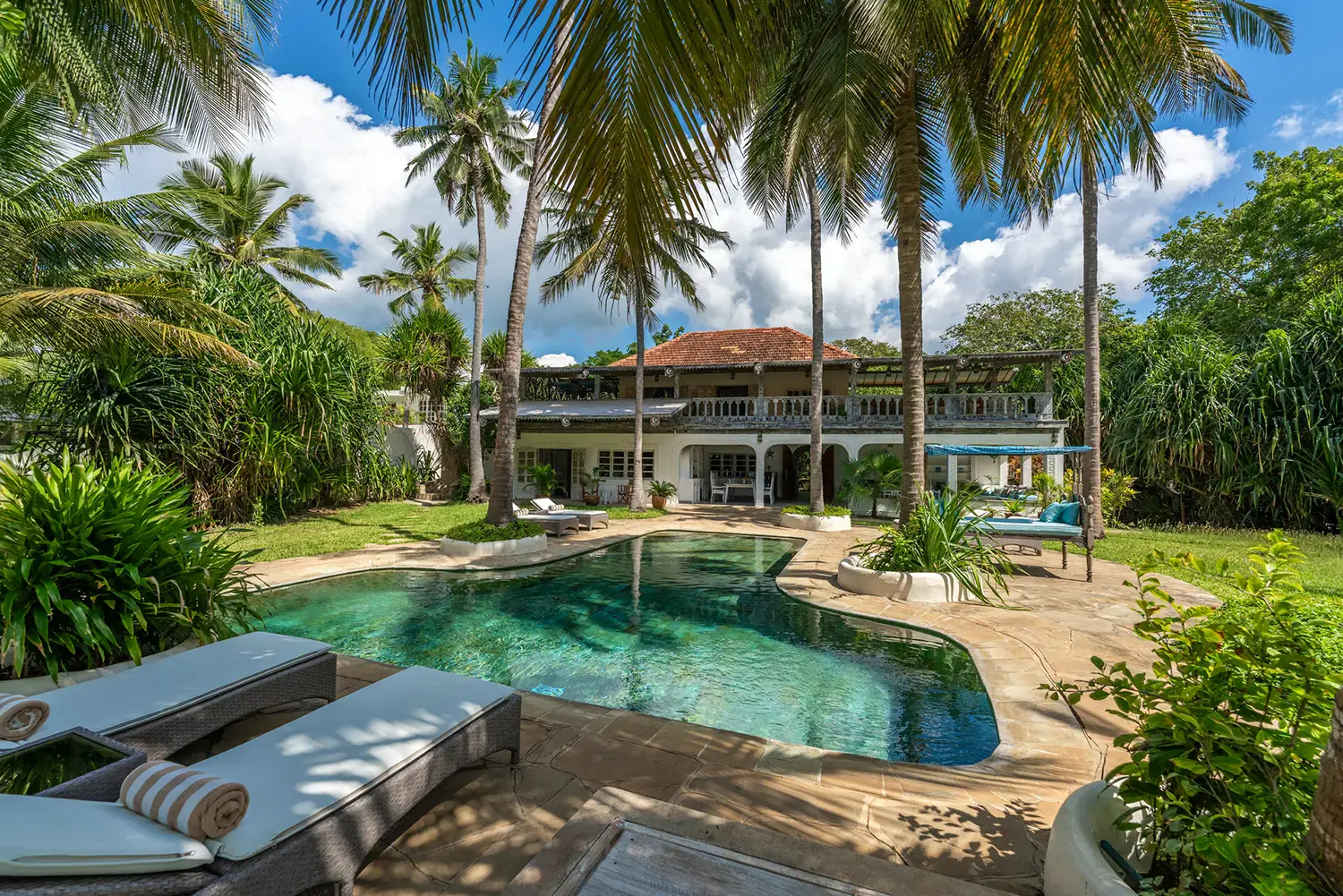
Kenya Safari and Beach: The Best Coastal Destinations to Add to Your Safari
A Kenya safari and beach combination works so well because it connects two completely different landscapes within a single trip: the wildlife-filled savannahs of the interior and the warm, relaxed coastline of the Indian Ocean. After days of game drives, bush flights, and early morning wildlife tracking, the coast becomes a natural contrast rather than just an add-on.
The key to getting this combination right is understanding which coastal destinations actually match safari pacing, travel logistics, and overall experience flow.
Why Kenya works so well for safari-to-beach travel
Kenya is uniquely positioned because its safari circuit and coastline are relatively close in aviation terms. You can move from the Masai Mara ecosystem to the coast in a single day through connecting flights via Nairobi.
After experiencing regions like the Masai Mara National Reserve, travellers often use Nairobi as the transfer hub before continuing to the coast.
This creates a natural travel rhythm: intensity first, relaxation second.
The safari builds energy and engagement, while the coast provides recovery and stillness.
Diani Beach: Kenya’s most refined safari-to-beach transition
Diani Beach is the most popular coastal extension for safari travellers because it offers both accessibility and a polished beach experience.
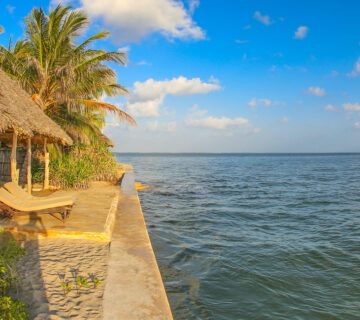
It sits south of Mombasa and is known for long stretches of white sand, calm turquoise waters, and well-developed luxury resorts.
The travel flow is straightforward: bush flight from safari regions to Nairobi, then a short domestic flight to the coast followed by a road transfer to Diani.
What makes Diani work so well after safari is its pace. It is not chaotic or overly commercial, but it still has enough infrastructure to support comfort and convenience after remote travel.
Watamu: quieter coastal contrast with marine focus
Watamu offers a more laid-back and marine-oriented experience compared to Diani.
It is known for coral reefs, protected marine parks, and a slower tourism rhythm.
For travellers coming from high-energy safari environments, Watamu provides a softer landing with more emphasis on ocean activities such as snorkeling, diving, and boat excursions.
The atmosphere is less developed than Diani in parts, which appeals to travellers who want nature-focused coastal time rather than resort-heavy stays.
Malindi: cultural and coastal blend
Malindi sits near Watamu but has a slightly different character due to its blend of Italian influence, coastal Swahili culture, and tourism development.
It offers a mix of beach resorts, historical sites, and a more urban coastal feel compared to quieter beach towns.
For safari travellers, Malindi can act as a mid-point between fully remote beach environments and more structured resort stays.
Lamu: heritage coastline and slow travel experience
Lamu is one of the most distinctive coastal destinations in Kenya and feels very different from both safari regions and mainstream beach resorts.
It is a UNESCO-listed Swahili town with narrow streets, traditional architecture, and a strong cultural identity.
There are no cars on the island, and movement is primarily on foot or by boat, which creates a very different travel rhythm.
Lamu is not about convenience or speed. It is about immersion in a historic coastal environment that contrasts sharply with the open plains of safari regions.
Mombasa: urban coastal gateway
Mombasa functions as Kenya’s main coastal hub and is often used as an entry or exit point for beach extensions.
It has a mix of urban infrastructure, historical old town areas, and nearby beach resorts.
While not as secluded as other coastal destinations, it is practical for travellers who want flexibility in flights, transfers, and accommodation options.
Mombasa is also strategically located for accessing both northern and southern coastal regions.
How safari and beach logistics actually connect
Most safari-to-beach itineraries follow a similar logistical pattern:
Safari camps or conservancies
Bush flights to Nairobi or regional hubs
Domestic flight to the coast (Mombasa or nearby airports)
Road transfer to beach destination
The aviation system is designed so that you can move between ecosystems efficiently without long overland travel.
This is particularly important after multi-day safaris involving remote conservancies and light aircraft travel.
Why timing matters in safari-to-beach combinations
The order of travel affects the experience significantly.
Most travellers prefer safari first and beach second because safari involves early mornings, active game drives, and higher physical engagement.
The beach then acts as a decompression phase where there are no fixed schedules or early wake-ups.
Reversing this order is possible, but it changes the psychological flow of the trip.
Choosing the right beach based on safari intensity
Not all coastal destinations match all safari styles equally.
High-intensity safaris with multiple parks and bush flights pair best with structured beach destinations like Diani or Watamu, where services are reliable and transitions are smooth.
More relaxed safaris or longer stays in one park can pair well with quieter destinations like Lamu, where the pace is slower and less structured.
The key is matching energy levels between safari and coast.
Climate and seasonal considerations
Kenya’s coastline has a different climate pattern from inland safari regions.
The coast is warmer and more humid year-round, with occasional rainy seasons that differ from inland safari rainfall patterns.
This means it is possible to experience dry safari conditions and coastal green seasons within the same trip depending on timing.
Understanding this helps manage expectations around sea conditions, humidity, and outdoor comfort.
Marine activities as a contrast to safari
One of the biggest differences between safari and beach is activity type.
Safari is observational and movement-based, focused on tracking wildlife and interpreting ecosystems.
The coast shifts into water-based activities such as snorkeling, diving, dhow sailing, and reef exploration.
This contrast is part of what makes the combination so effective psychologically—it changes not just scenery, but interaction style.
The role of Nairobi in safari-to-beach flow
Nairobi often acts as the transition point between safari and coast.
Even when flying directly from safari regions, many itineraries route through Nairobi for connecting flights to coastal airports.
This makes Nairobi a logistical hinge in almost all Kenya travel circuits.
It is the point where inland wilderness transitions into coastal relaxation.
What makes Kenya’s combination unique
Not all safari destinations offer easy beach extensions, but Kenya does because of its integrated aviation system and relatively compact geography.
You can move from high-density wildlife environments to ocean coastline within hours of flight time.
This creates one of the most efficient safari-to-beach circuits in Africa.
The real travel logic behind combining safari and beach
The combination works because it balances intensity and recovery.
Safari days are structured, active, and early-start driven.
Beach days are unstructured, slow, and restorative.
Together, they create a complete travel arc rather than a single environment experience.
This is why Kenya remains one of the strongest destinations globally for dual-environment travel.
Start Planning Your Next Trip To Africa
If you can picture yourself in one—or several—of these exceptional retreats, the next move is simple. We design fully tailored African safaris that bring these experiences together seamlessly, from private gorilla encounters to luxury lodges in the heart of the wild.
Every detail is carefully planned, so your journey feels effortless from start to finish. Reach out in whichever way suits you best, and let’s begin crafting your safari.
Start Planning