
Yellow Fever and Kenya: Who Needs a Certificate and When It’s Required
Yellow fever rules for Kenya are not random, and they are not the same for every traveller. They are based on where you are coming from, not just where you are going. This is why some visitors are asked for a certificate at immigration while others pass through without any health documentation checks.
Understanding this properly matters because it affects boarding, airport clearance, and sometimes even entry at Jomo Kenyatta International Airport in Nairobi.
What yellow fever certification actually is
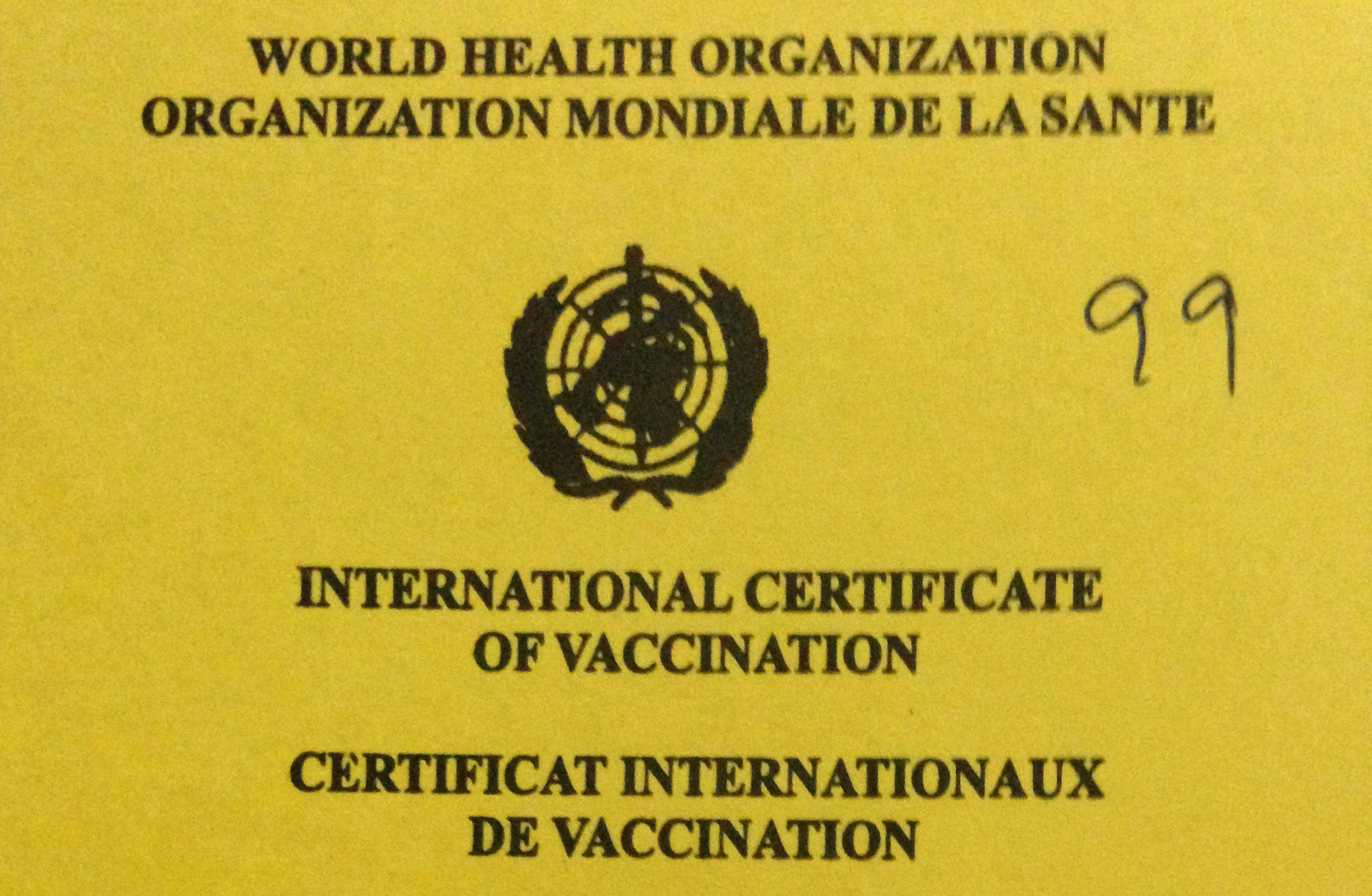
The yellow fever certificate is an official international vaccination record that proves you have been vaccinated against yellow fever. It is recorded on a standardized document often referred to as the International Certificate of Vaccination or Prophylaxis (ICVP).
This certificate is not a general travel document. It is only required for specific travel routes where there is a risk of yellow fever transmission or where a country enforces strict entry health controls.
In Kenya’s case, the rule is based primarily on your travel history in the days or weeks before arrival.
When Kenya requires the yellow fever certificate
Kenya requires proof of yellow fever vaccination if you are arriving from, or have recently transited through, a country where yellow fever is present or considered a risk.
This includes many countries in sub-Saharan Africa and parts of South America.
The key rule is not nationality—it is exposure history.
If you have been in a yellow fever risk country within a defined period before entering Kenya, you may be asked to show proof of vaccination at entry.
This applies even if Kenya is not your first destination in a multi-country itinerary.
Who does NOT need the certificate
If you are travelling directly from countries that are not classified as yellow fever risk zones, you are generally not required to show the certificate.
This includes most travellers arriving from Europe, North America, the Middle East, and parts of Asia.
In these cases, immigration officers at Nairobi typically do not request any yellow fever documentation unless your travel route suggests exposure risk.
Transit rules that often confuse travellers
One of the most misunderstood parts of yellow fever regulations is transit.
Even if you do not leave the airport, transiting through a high-risk country can sometimes trigger a requirement for vaccination proof.
However, enforcement depends on duration of transit and whether you technically “entered” the country during layover.
Short airside transits (remaining in the international terminal without clearing immigration) are often treated differently from full entry into the country.
This is why routing matters when planning flights into Kenya.
Why Kenya enforces these rules
Kenya’s health screening policies are based on preventing importation of yellow fever into regions where outbreaks could spread.
Yellow fever is a mosquito-borne viral disease, and while Kenya is not currently classified as a high-risk transmission zone for widespread urban outbreaks, the government maintains strict border controls to prevent reintroduction.
This is part of broader public health policy across East Africa.
Where the certificate is checked
The yellow fever certificate can be checked at multiple points:
Airline check-in counters before departure
Immigration control upon arrival in Kenya
Occasionally at health desks in airports
Airlines may refuse boarding if you are required to have the certificate but do not present it. This is why the rule is enforced before you even arrive in Kenya.
At Jomo Kenyatta International Airport, health screening officers can request documentation if your travel history indicates risk exposure.
What happens if you don’t have it when required
If you are required to have the certificate but do not present it, you may be:
Denied boarding at your departure airport
Given vaccination on arrival in some cases (depending on facilities and policy at the time)
Subject to additional screening or delays
In most real-world cases, airlines are stricter than immigration because they are responsible for ensuring compliance before travel begins.
Validity of the yellow fever certificate
Once issued, the yellow fever vaccination certificate is generally considered valid for life under current international health regulations.
This means you do not need to re-vaccinate for each trip if you already have a valid certificate recorded.
However, travellers should always carry the physical or digital copy when travelling, as it may be requested during entry procedures.
How this applies to safari travellers
For most safari travellers flying directly into Kenya from non-risk countries, the yellow fever certificate is not required.
This applies to common safari routes such as:
Europe to Nairobi direct flights
Middle East hub connections into Kenya
North America to Nairobi via one-stop routes in non-risk zones
However, it becomes relevant if your itinerary includes multiple African countries before entering Kenya.
For example, combining Uganda, Rwanda, Tanzania, or other regional destinations may trigger documentation requirements depending on travel sequence.
Common safari itinerary scenarios
Many East Africa safaris combine multiple countries, which is where confusion often arises.
If you travel from a yellow fever risk country into Kenya, even for tourism purposes, you may need proof of vaccination.
If Kenya is your first entry point into the region and you have not been in a risk country recently, you are typically not required to present it.
This is why travel order matters more than passport nationality.
The role of airlines in enforcement
Airlines play a critical role in enforcing yellow fever rules.
Before boarding, airline staff check whether your itinerary includes travel through risk countries.
If your documents suggest exposure risk and you do not have certification, they can refuse boarding regardless of your final destination rules.
This makes compliance an airline-level requirement, not just a border issue.
Why rules differ between travellers
Yellow fever policy is risk-based, not nationality-based.
Two travellers with identical passports may have different requirements depending on their recent travel history.
This is why safari operators often ask for full itinerary details before confirming logistics, especially for multi-country East Africa circuits.
Practical guidance for safari planning
From a planning perspective, the safest approach is to:
Check your full travel route, not just your destination
Confirm whether any transit or prior countries are classified as yellow fever risk zones
Ensure vaccination is done at least 10 days before travel if required
Carry the certificate with your travel documents at all times
This removes uncertainty at airports and prevents last-minute complications.
The real takeaway most travellers miss
The yellow fever requirement for Kenya is not about Kenya itself—it is about where you have been before you arrive.
If your route is direct or from non-risk regions, the process is simple and often invisible.
If your route includes parts of Africa or South America where yellow fever is present, the certificate becomes a mandatory travel condition.
It is a transit-based rule, not a destination-based one.
Start Planning Your Next Trip To Africa
If you can picture yourself in one—or several—of these exceptional retreats, the next move is simple. We design fully tailored African safaris that bring these experiences together seamlessly, from private gorilla encounters to luxury lodges in the heart of the wild.
Every detail is carefully planned, so your journey feels effortless from start to finish. Reach out in whichever way suits you best, and let’s begin crafting your safari.
Start Planning