Kenya Safari Packing List: What to Bring for the Masai Mara and the Conservancies
Packing for a Kenya safari is less about quantity and more about precision. The environment is not urban, predictable, or easily replaceable—once you are inside ecosystems like the Masai Mara National Reserve or surrounding conservancies, access to shops and supplies is extremely limited. What you bring directly affects your comfort, mobility, and overall safari experience.
Unlike typical travel, safari packing is shaped by three realities: variable temperatures, strict aircraft weight limits, and long hours in open vehicles.
Understanding the safari environment first
Before packing anything, it helps to understand what you are actually preparing for.
A Kenya safari is a mix of:
Early morning game drives in cold conditions
Midday heat in open savannah
Dusty or muddy terrain depending on season
Limited infrastructure once inside parks or conservancies
Small aircraft transfers with strict luggage restrictions
This combination is what defines what you should carry—not general travel habits.
The biggest mistake safari travellers make
The most common packing mistake is overpacking heavy urban clothing and underestimating practical field conditions.
Safari travel is not fashion travel. It is functional mobility across changing climates, often in the same day.
The second major mistake is ignoring bush flight restrictions, which often require soft-sided luggage and strict weight limits.
Luggage rules for bush flights
If your itinerary includes flying from Nairobi into safari regions via Wilson Airport, your luggage must comply with aviation restrictions.
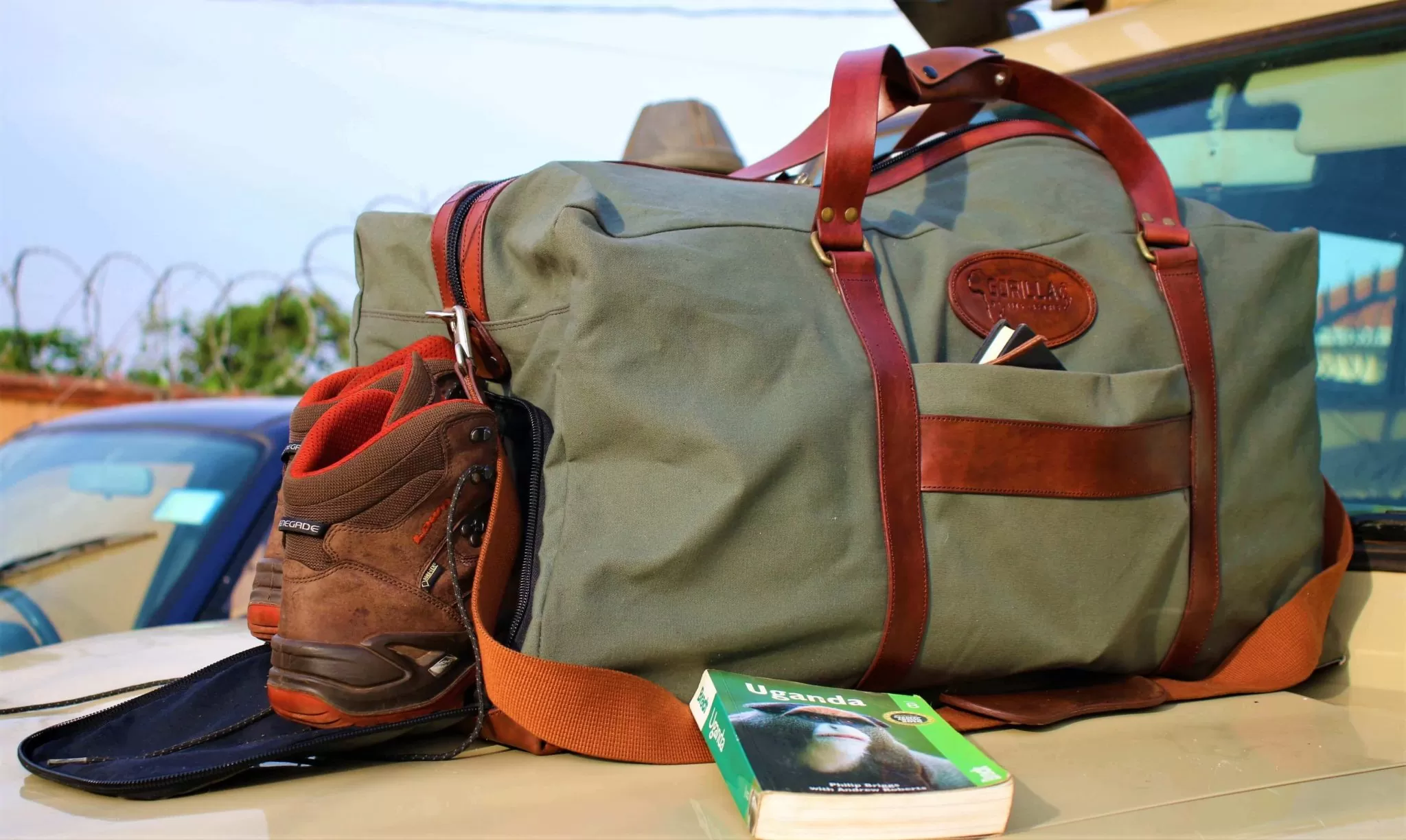
Soft-sided bags are required because they fit into small aircraft cargo holds.
Hard-shell suitcases are usually not accepted on bush planes.
Weight limits are also strictly enforced and typically lower than international flight allowances.
This alone determines how efficiently you should pack.
Clothing: the core safari wardrobe logic
Safari clothing is built around layering rather than volume.
Early mornings can be surprisingly cold, especially in open vehicles. Midday conditions can become warm and bright. Evenings return to cooler temperatures.
The goal is adaptability, not variety.
Neutral colours are preferred because they reduce visibility to wildlife and minimize attraction of insects.
Breathable fabrics are more important than style.
What to wear on game drives
During game drives, comfort and practicality matter most.
You need clothing that allows movement, protects against sun exposure, and handles dust.
Long-sleeved shirts are commonly used to protect against sun and insects.
Light trousers are preferred over shorts for similar reasons.
A light jacket or fleece is essential for early morning drives when temperatures drop significantly.
Footwear should be closed, comfortable, and suitable for uneven terrain.
Layering strategy for changing temperatures
One of the most important safari packing principles is layering.
Mornings often require multiple layers due to cold air in open vehicles.
As the sun rises, layers can be removed.
By midday, light clothing is usually sufficient.
In the evening, temperatures drop again, requiring added warmth.
This cycle repeats daily, especially in open ecosystems like the Mara plains.
Sun protection essentials
The equatorial sun in Kenya is strong year-round, and exposure during game drives is continuous.
Protection is not optional—it is essential for comfort.
A wide-brim hat or cap helps reduce direct sun exposure.
Sunglasses are necessary for glare reduction, especially in open savannah landscapes.
High-SPF sunscreen is critical because exposure hours are long and repeated.
Dust and wind protection
In dry seasons, dust becomes a major environmental factor, especially in game drive vehicles moving across open plains.
A light scarf or buff is useful for covering the nose and mouth when conditions are windy or dusty.
Eye protection also becomes important during long drives on unpaved roads.
Binoculars: the most underrated safari tool
Binoculars dramatically improve safari quality.
Many wildlife sightings occur at a distance, especially predators resting or animals moving across open plains.
Good binoculars allow you to follow behavior, not just presence.
This is especially important in large ecosystems where animals are not always close to the vehicle.
Camera equipment considerations
Photography is a major part of safari travel for many visitors, but equipment should be practical rather than excessive.
A zoom lens is more useful than multiple fixed lenses because wildlife is often at variable distances.
Extra batteries are essential due to long days in the field.
Dust protection for camera gear is important because vehicles are open and conditions can be dry.
Health and personal care items
Safari locations are remote, so basic medical and personal care items should always be carried.
Motion sickness tablets can be useful for travellers sensitive to small aircraft or bumpy roads.
Personal medication should always be carried in original packaging.
Insect repellent is useful, especially in greener or wetter areas during certain seasons.
Hand sanitizer is practical due to limited facilities in the field.
Daypack essentials for game drives
During game drives, you typically carry only a small personal bag.
This should contain essentials for comfort and convenience during long hours in the field.
Water is usually provided by safari operators, but personal hydration awareness is still important.
Light snacks may be included depending on lodge style.
A light jacket, sunscreen, and camera equipment are typically the core contents of a daypack.
Packing for conservancy stays
Staying in private conservancies around the Mara introduces slightly different conditions compared to the main reserve.
These areas often offer more flexibility in activities such as walking safaris or night drives, which may influence footwear and clothing choices.
Evening temperatures can be slightly cooler in elevated conservancy areas, making warm layers more important.
The overall packing principle remains the same, but with more emphasis on adaptability.
Laundry reality in safari camps
Most safari camps offer laundry services, which reduces the need to overpack.
This is an important factor that many first-time travellers underestimate.
Because laundry is available, packing can be lighter and more focused on rotation rather than volume.
This is especially useful for multi-camp itineraries.
Electronics and charging considerations
Power availability in safari camps is generally reliable, but can vary depending on location.
Charging points are usually available in tents or main areas, but it is still wise to carry portable charging solutions.
Adapters for international plugs may be required depending on your country of origin.
Extended game drives mean devices should be charged whenever possible, not only overnight.
What not to bring on safari
One of the most important parts of safari packing is understanding what to leave behind.
Heavy formal clothing is unnecessary.
Excess footwear is impractical.
Bright or highly reflective clothing is not ideal in wildlife environments.
Large hard-shell suitcases are not compatible with bush flights.
The goal is to reduce weight, not increase options.
The real logic behind safari packing
Packing for Kenya is not about preparing for one climate or one activity.
It is about preparing for a moving environment that shifts hourly—temperature changes, terrain variation, and logistical transitions between air, road, and wilderness.
The most effective safari travellers are not those who bring the most, but those who bring only what adapts.
Everything in your bag should serve a direct function in the field.
Start Planning Your Next Trip To Africa
If you can picture yourself in one—or several—of these exceptional retreats, the next move is simple. We design fully tailored African safaris that bring these experiences together seamlessly, from private gorilla encounters to luxury lodges in the heart of the wild.
Every detail is carefully planned, so your journey feels effortless from start to finish. Reach out in whichever way suits you best, and let’s begin crafting your safari.
Start Planning