Bush Flights in Kenya: How to Get from Nairobi to the Masai Mara and the Northern Parks
Bush flights are one of the defining features of a Kenya safari, and they are often the moment when the experience shifts from “travel” into “wilderness immersion.” Instead of long road transfers across highways and dusty tracks, small aircraft carry you directly from Nairobi into remote airstrips inside or near national parks.
These flights are not luxury add-ons—they are the backbone of high-end safari logistics in Kenya, especially for accessing the Masai Mara and the more remote northern conservancies.
How bush flights actually work in Kenya
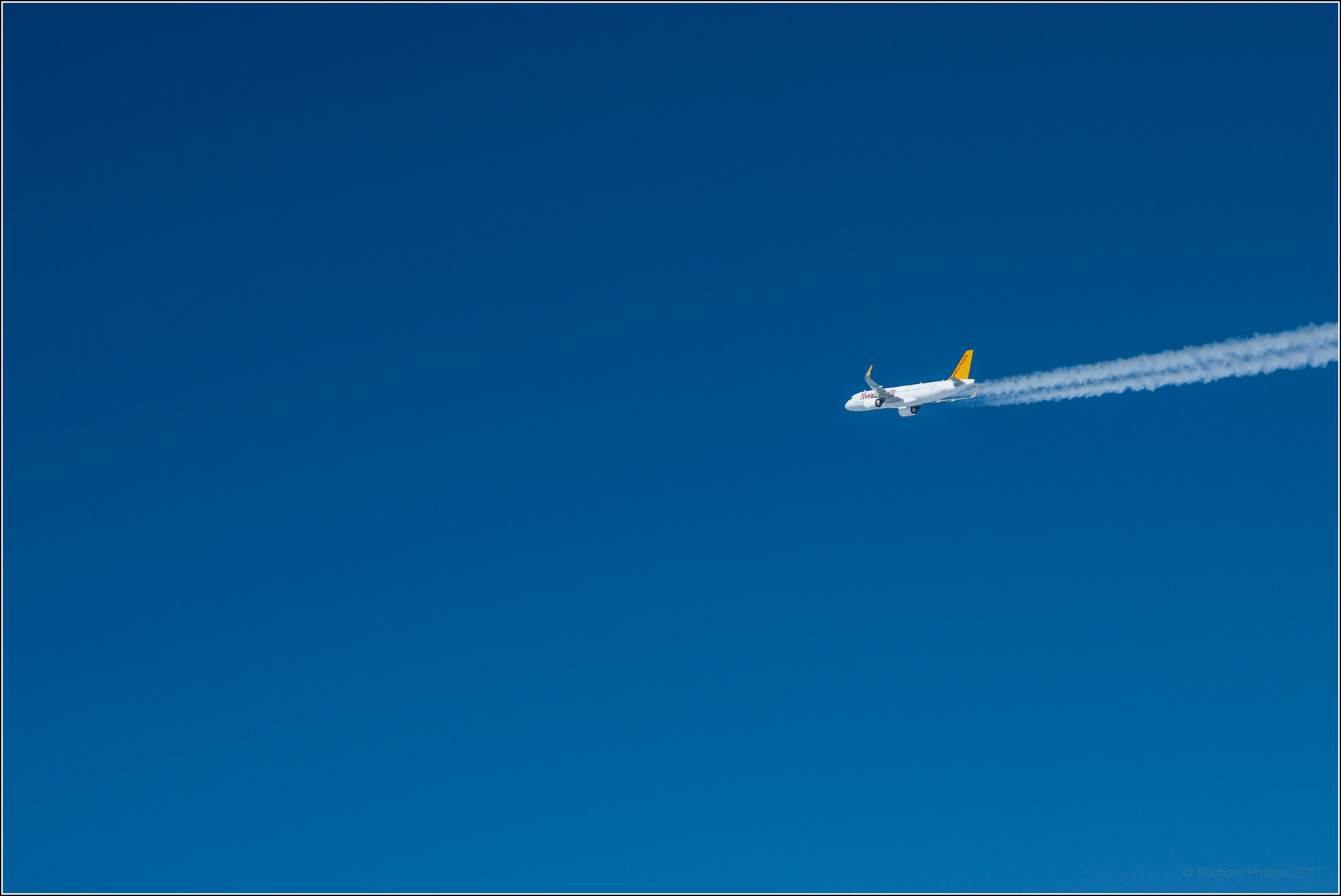
Bush flights are short-haul scheduled or semi-scheduled flights operated by light aircraft, typically carrying between 6 and 12 passengers. They connect Nairobi with remote safari airstrips that are too far from major airports to be served efficiently by road transfers alone.
The main departure point for these flights is Wilson Airport in Nairobi, which handles all domestic safari aviation rather than the international airport.
From there, aircraft follow multiple daily routes into Kenya’s key safari regions.
Unlike commercial airline travel, bush flights operate with flexibility. Schedules can shift slightly based on weather, passenger routing, and airstrip conditions, but they follow predictable morning and afternoon waves.
Nairobi to the Masai Mara: the most common bush flight route
The most important and busiest bush flight corridor in Kenya is between Nairobi and the Masai Mara ecosystem.
This route typically takes between 45 minutes and 1 hour depending on the airstrip and aircraft type.
You are flown directly into small airstrips located within or adjacent to the reserve and conservancies, such as Mara North, Keekorok, Ol Kiombo, or Ol Seki depending on your lodge location.
This is what makes the Masai Mara so accessible compared to other major African safari destinations—you can leave Nairobi in the morning and be on a game drive before midday.
In ecosystems like the Masai Mara National Reserve, bush flights are not just convenient; they are essential for reducing travel fatigue and maximizing time in the field.
What the bush flight experience actually feels like
A bush flight in Kenya is very different from a commercial airline experience.
You board a small aircraft on a simple tarmac, often with visible loading of luggage into the rear compartment. Seating is light, and passengers are often close to the pilots.
Once airborne, the transition is immediate. Within minutes of leaving Nairobi, urban density disappears and the landscape opens into patchwork farmland, then gradually into wild terrain.
As you approach the Masai Mara, the scenery becomes more dramatic—wide savannahs, river systems, and scattered wildlife if conditions are right.
There is no formal cabin service or entertainment system. The experience is visual and direct, almost like a scenic transfer rather than transport.
Why bush flights are preferred over road transfers
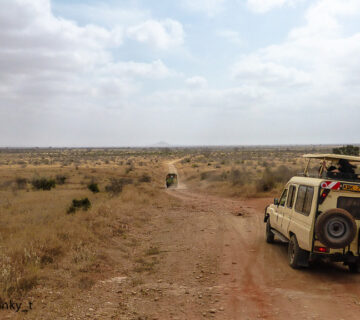
While it is possible to drive from Nairobi to the Masai Mara, the journey takes approximately 5 to 6 hours depending on road conditions.
Bush flights reduce this to under an hour.
This difference is not just about convenience—it changes the entire structure of a safari itinerary.
With flights, you gain:
More time in the wildlife areas
Less physical fatigue from long road travel
Direct access to remote conservancy airstrips
Better alignment with morning game drives
For luxury and mid-range safaris, flying is often the default option rather than an upgrade.
Luggage rules and what travellers often misunderstand
Bush flights operate with strict luggage limitations due to aircraft size and weight restrictions.
Soft-sided bags are required rather than hard-shell suitcases because they must fit into compact cargo holds.
Weight limits are generally lower than international flights, and excess luggage is usually stored in Nairobi for the duration of the safari if needed.
This is an important planning detail that affects packing strategy more than most travellers expect.
Flying into different parts of the Masai Mara ecosystem
The Masai Mara is not a single uniform destination—it is a network of reserve zones and private conservancies, each with its own airstrip access.
Flights may land directly inside the main reserve or in adjacent conservancies depending on your camp location.
Conservancy airstrips often provide faster access to lodges and less congested arrival experiences.
This system allows for highly tailored safari routing, where your flight path is directly linked to your accommodation choice.
Bush flights to northern Kenya: Laikipia, Samburu and beyond
Beyond the Masai Mara, bush flights are essential for accessing northern Kenya’s more remote safari regions.
These include Laikipia, Samburu, Lewa, and other semi-arid ecosystems that are not efficiently connected by road from Nairobi.
Flights to these regions are typically slightly longer than Mara routes, often ranging from 1 to 1.5 hours depending on destination.
In areas such as Laikipia, bush flights are particularly important because lodges are spread across vast conservancies rather than concentrated park entry points.
This is where flying becomes not just convenient but necessary for efficient safari design.
Northern Kenya flight experience and landscape transition
Flights into northern Kenya offer a striking visual transition.
As you leave Nairobi, the landscape shifts from urban sprawl to farmland, then to progressively drier terrain.
As you approach regions like Samburu or Laikipia, the environment becomes more arid and rugged, with visible geological formations, river valleys, and open bushland.
In contrast to the green plains of the Mara, this region feels more sculpted and raw from the air.
Weather sensitivity and flight reliability
Bush flights are generally reliable, but they are more sensitive to weather conditions than commercial aviation.
Heavy rain, low visibility, or strong winds can occasionally delay departures or arrivals, especially in remote airstrips.
However, operators are experienced in managing these conditions, and schedules are adjusted dynamically to maintain safety and efficiency.
Morning flights are typically more stable than afternoon flights due to calmer atmospheric conditions.
Why bush flights define the luxury safari experience
In modern Kenya safari design, bush flights are not just transportation—they are part of the experience architecture.
They allow itineraries to be multi-destination without losing time to road logistics.
A traveller can realistically combine Nairobi, the Masai Mara, and northern Kenya in a single trip without exhausting overland transfers.
This is what enables high-end safari circuits that feel seamless rather than fragmented.
The psychological transition of flying into the bush
One of the most overlooked aspects of bush flights is the mental shift they create.
You start in a controlled urban environment, then within an hour you are descending into open wilderness.
There is no gradual transition. It is immediate.
This compression of space and time is part of what makes Kenya safaris feel immersive very quickly. The journey itself becomes part of the narrative rather than just a logistical step.
Arrival into airstrips: the final stage of the journey
Landing at a bush airstrip is one of the most distinctive parts of a Kenya safari.
Airstrips are simple, often unpaved, and located in open terrain close to wildlife zones.
There are no large terminals or infrastructure—just a landing strip, a small waiting area, and safari vehicles ready to collect guests.
In many cases, wildlife can be visible near the airstrip itself, reinforcing the sense that you are already inside the ecosystem.
Why bush flights matter for itinerary design
Bush flights fundamentally shape how Kenya safaris are structured.
They allow:
Short stays in multiple regions
Efficient multi-park combinations
Reduced travel fatigue
Access to remote conservancies
Without them, most safari itineraries would be significantly longer and more physically demanding.
They are a key reason Kenya supports flexible, high-end safari circuits across multiple ecosystems.
The real value of bush flights in Kenya safaris
At a practical level, bush flights are about time efficiency.
But at an experiential level, they are about transition.
They compress distance, remove friction, and deliver you directly into wildlife environments with minimal interruption.
For most travellers, the flight from Nairobi into the bush is the moment the safari actually begins in a psychological sense.
Start Planning Your Next Trip To Africa
If you can picture yourself in one—or several—of these exceptional retreats, the next move is simple. We design fully tailored African safaris that bring these experiences together seamlessly, from private gorilla encounters to luxury lodges in the heart of the wild.
Every detail is carefully planned, so your journey feels effortless from start to finish. Reach out in whichever way suits you best, and let’s begin crafting your safari.
Start Planning