Kenya Safari Costs Explained: Conservancy Fees, Park Levies and What You’re Actually Paying For
Kenya safari pricing in 2026 can feel opaque, even for experienced travellers. Many itineraries present a single nightly rate, yet behind that number sits a layered cost structure that includes conservation funding, land access fees, guiding operations, aviation logistics, and high staff-to-guest service models. For luxury travellers, the key is not just knowing how much a safari costs, but understanding what each component represents and why it exists.
The confusion often comes from how costs are bundled. Park fees may be included in one itinerary and excluded in another. Conservancy charges may appear as part of accommodation or as a separate line item. Flights might be embedded in a package or billed independently. Without breaking these components down, it becomes difficult to compare itineraries accurately or assess value.
The foundation of safari pricing in Kenya
At its core, a Kenya safari price is built from four major pillars. These are accommodation, conservation access fees, transport, and guiding operations. Everything else sits on top of these layers.
Accommodation is usually the largest visible cost, but it is only one part of the equation. Conservation fees, particularly in premium areas like the Masai Mara ecosystem, can rival or exceed accommodation costs on a per-day basis. Transport, especially fly-in logistics, adds another substantial layer. Guiding and operational costs ensure that the entire experience runs smoothly in remote environments.
Understanding how these elements combine is essential for interpreting safari pricing correctly.
What park levies actually cover
Park levies are mandatory fees charged for entry into protected areas such as the Masai Mara National Reserve. These fees are set by local authorities and are typically charged per person per day.
In 2026, these levies are among the most significant fixed costs in a safari. They fund essential services such as park management, ranger salaries, anti-poaching operations, infrastructure maintenance, and conservation programs.
For luxury travellers, park fees are often included in the overall package, which can make them less visible. However, they still represent a major portion of the total cost. In high season, daily park fees in the Masai Mara can exceed 200 USD per person, making them one of the largest non-negotiable expenses.
These fees are not optional add-ons. They are the foundation of the conservation system that makes wildlife viewing possible.
Conservancy fees and why they are higher
Conservancy fees are often higher than park levies, and this is where many travellers question pricing. The difference lies in how conservancies are structured.
Conservancies are privately or community-managed lands where tourism is tightly controlled. Landowners lease their land to safari operators, and the fees paid by guests contribute directly to these agreements. This creates a sustainable income model for local communities while preserving wildlife habitat.
Because guest numbers are limited, each visitor carries a higher share of the cost. This is why conservancy fees can exceed those of national parks. However, the benefit is a significantly more exclusive safari experience.
In conservancies, lower vehicle density, flexible safari activities, and improved wildlife access justify the higher cost. You are not just paying for entry—you are paying for controlled access and reduced competition.
Accommodation costs and what they include
Luxury safari accommodation in Kenya is typically priced on an all-inclusive basis. This means the nightly rate often includes meals, drinks, game drives, guiding, and sometimes even laundry services.
What many travellers overlook is that accommodation pricing reflects more than just the physical structure. Camps operate with high staff-to-guest ratios, often exceeding one staff member per guest. This ensures personalized service but increases operational costs.
Remote logistics also play a role. Supplying food, fuel, and equipment to camps located deep in wildlife areas requires consistent transportation and planning. These costs are built into accommodation pricing.
High-end camps in conservancies also factor in land lease costs and exclusivity premiums, which further increase rates.
The role of guiding and safari vehicles
Guiding is one of the most important components of a safari, yet it is rarely broken out as a separate cost. Professional guides in Kenya are highly trained and often have years of field experience.
Their expertise directly impacts the quality of wildlife sightings, interpretation, and overall experience. A skilled guide can turn a simple sighting into a deeper understanding of animal behavior and ecosystem dynamics.
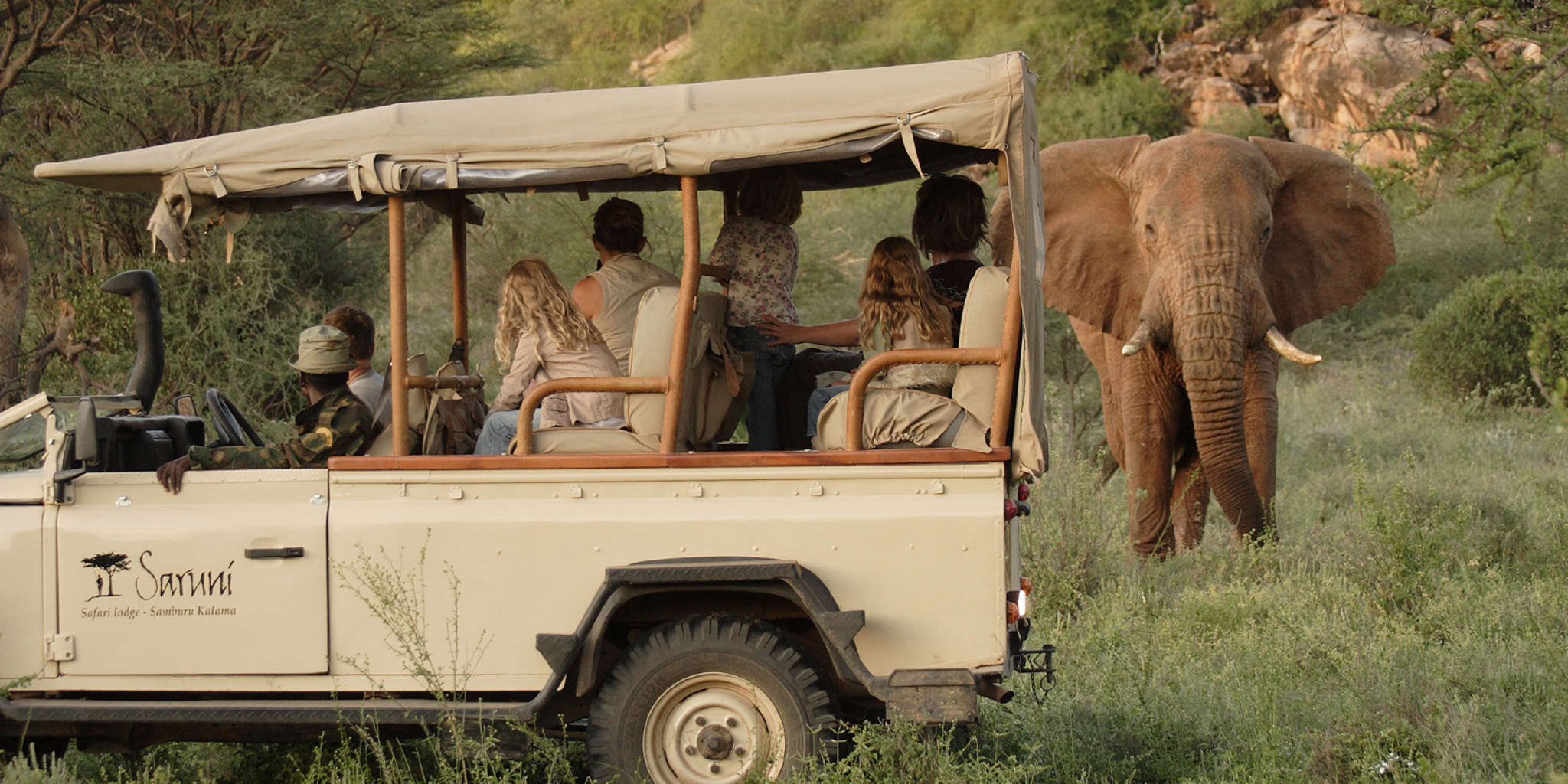
Safari vehicles are also specialized. They are built for off-road conditions, equipped for photography, and maintained to high standards. Fuel and maintenance costs in remote areas are significant and are included in overall pricing.
Private vehicles, often requested by luxury travellers, add an additional cost layer but provide complete flexibility.
Internal flights and aviation logistics
Internal flights are a defining feature of luxury safaris in Kenya. They allow travellers to move between regions quickly, avoiding long and often challenging road transfers.
Flights between Nairobi and key safari areas such as the Masai Mara or Laikipia typically cost several hundred dollars per person each way. These flights operate on small aircraft and are subject to weight limits and logistical constraints.
For ultra-luxury itineraries, private charters may be used. These significantly increase cost but provide maximum flexibility and privacy.
Aviation costs are often one of the largest additional expenses in a safari and must be factored into any realistic budget.
Why safari pricing changes with season
Seasonality is a major driver of safari pricing. Kenya operates on a high, shoulder, and low season model.
High season, particularly during the Great Migration, commands premium rates. Camps increase pricing due to demand, and park fees may also rise during this period.
Shoulder seasons offer a balance between cost and wildlife viewing, while low season provides reduced pricing but comes with variable weather conditions.
For luxury travellers, seasonality is not just about cost. It also influences crowd levels, wildlife distribution, and overall safari atmosphere.
Hidden costs that affect your final budget
Even well-structured safari packages may not include every possible expense. Certain elements are commonly excluded and should be considered when planning.
International flights are almost always separate from safari packages. Premium drinks, spa treatments, and certain experiences may also carry additional charges.
Hot air balloon safaris in the Masai Mara are a common example of a high-cost add-on experience. While not essential, they are often included in luxury itineraries at an additional fee.
Gratuities are another important factor. Tipping is customary and expected in Kenya’s safari industry, particularly for guides and camp staff.
Travel insurance is also essential, especially for high-value trips involving flights and remote locations.
Conservancies versus national parks in cost terms
The cost difference between conservancies and national parks is one of the most important distinctions in safari pricing.
National parks generally offer lower entry fees and more accessible accommodation options. This makes them suitable for travellers seeking strong wildlife viewing without premium pricing.
Conservancies, on the other hand, charge higher fees but provide a more exclusive experience. Lower vehicle density, flexible activities, and controlled access justify the increased cost.
For luxury travellers, conservancies often deliver better overall value despite higher upfront pricing because they significantly enhance the quality of the experience.
What you are actually paying for in a luxury safari
When all components are combined, it becomes clear that a Kenya safari is not a simple product. It is a complex, multi-layered experience that requires coordination across conservation systems, logistics networks, and hospitality operations.
Luxury travellers are paying for access to protected environments, expert guiding, seamless transport, and high levels of service. They are also contributing to conservation funding and community partnerships that sustain the ecosystem.
This perspective is important. Without understanding these layers, safari pricing can appear arbitrary. With context, it becomes clear that each component serves a specific purpose.
Why Kenya’s safari model is structured this way
Kenya’s safari pricing reflects its conservation-first tourism model. Unlike mass tourism destinations, Kenya limits visitor numbers in key areas to protect wildlife and maintain habitat quality.
This model relies on higher per-guest revenue rather than high visitor volume. Conservancies in particular depend on tourism income to fund land leases and community partnerships.
As a result, pricing is designed to support sustainability rather than maximize volume. This ensures that wildlife areas remain protected while still generating economic benefits for local communities.
How to evaluate safari pricing correctly
Evaluating safari pricing requires looking beyond the headline number. The most important factors to consider are location, inclusion of fees, level of exclusivity, and logistical efficiency.
An itinerary that appears cheaper may exclude key components such as park fees or flights, which increases the final cost. A more expensive itinerary may include everything, providing better overall value.
Understanding what is included, where the camps are located, and how the safari is structured is essential for making informed decisions.
Start Planning Your Next Trip To Africa
If you can picture yourself in one—or several—of these exceptional retreats, the next move is simple. We design fully tailored African safaris that bring these experiences together seamlessly, from private gorilla encounters to luxury lodges in the heart of the wild.
Every detail is carefully planned, so your journey feels effortless from start to finish. Reach out in whichever way suits you best, and let’s begin crafting your safari.
Start Planning